A cold-weather lunch sounds simple until you have to pack, carry, and eat it hours later. In real life, the meals that work best are the ones that stay appealing after a long morning and still feel comforting when the day is cold.
Balance is about energy, not perfection
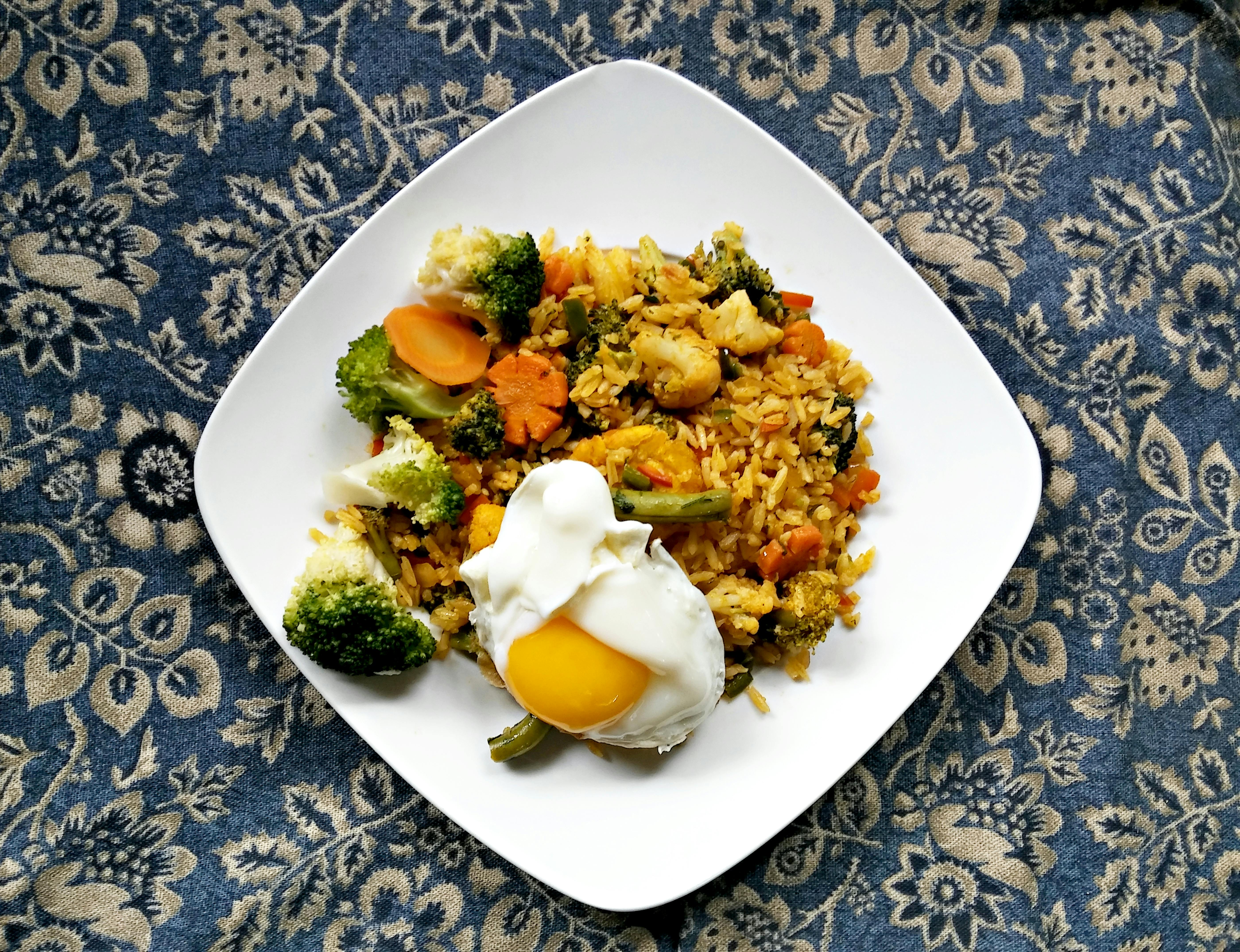
A good cold-weather lunch should leave you steady, alert, and satisfied through the afternoon. That outcome usually comes from balance rather than strict dieting rules. In practical terms, winter lunches work best when they contain all three major macronutrients: protein for staying power, carbohydrates for energy, and fat for flavor and fullness. Add fiber-rich vegetables, and the meal becomes even more reliable.
This idea shows up clearly in compartment-style lunches. A paneer bowl with rice and sautéed greens, for example, does more than look neat. It combines protein, starch, and vegetables in proportions that support focus and satiety. The same is true of creamy Dijon chicken with mashed sweet potatoes and green beans, or tofu curry with coconut rice and stir-fried vegetables. These are not trendy formulas. They are meals built to get a person through a cold afternoon without a crash.
Portioning matters too, especially when winter appetites can swing between wanting something deeply comforting and not wanting to feel sluggish. Divided meals help people eat enough variety without overloading a single component. Basil's customer feedback about separate compartments reflects a broader reality: when texture and flavors stay distinct, people are more likely to enjoy the whole meal. That is useful for children, but it is just as relevant for adults who do not want curry soaking their salad or sauce turning bread soggy.
A healthy winter lunch also benefits from one small extra. That might be chutney, tahini sauce, herb gravy, or a little yogurt-based dip. These additions are not decorative. They make reheated or warm-held food more enjoyable and often help lean proteins, grains, and vegetables stay moist. In a season when food cools quickly and tastes can flatten, a well-chosen sauce can keep a balanced lunch from feeling austere.
Perfection is not the goal. Real-life balance means packing food that is nutritious enough to support energy but comforting enough that you do not start hunting for sugar an hour later. The right lunch feels complete, not virtuous.
Texture can decide whether a lunch gets eaten
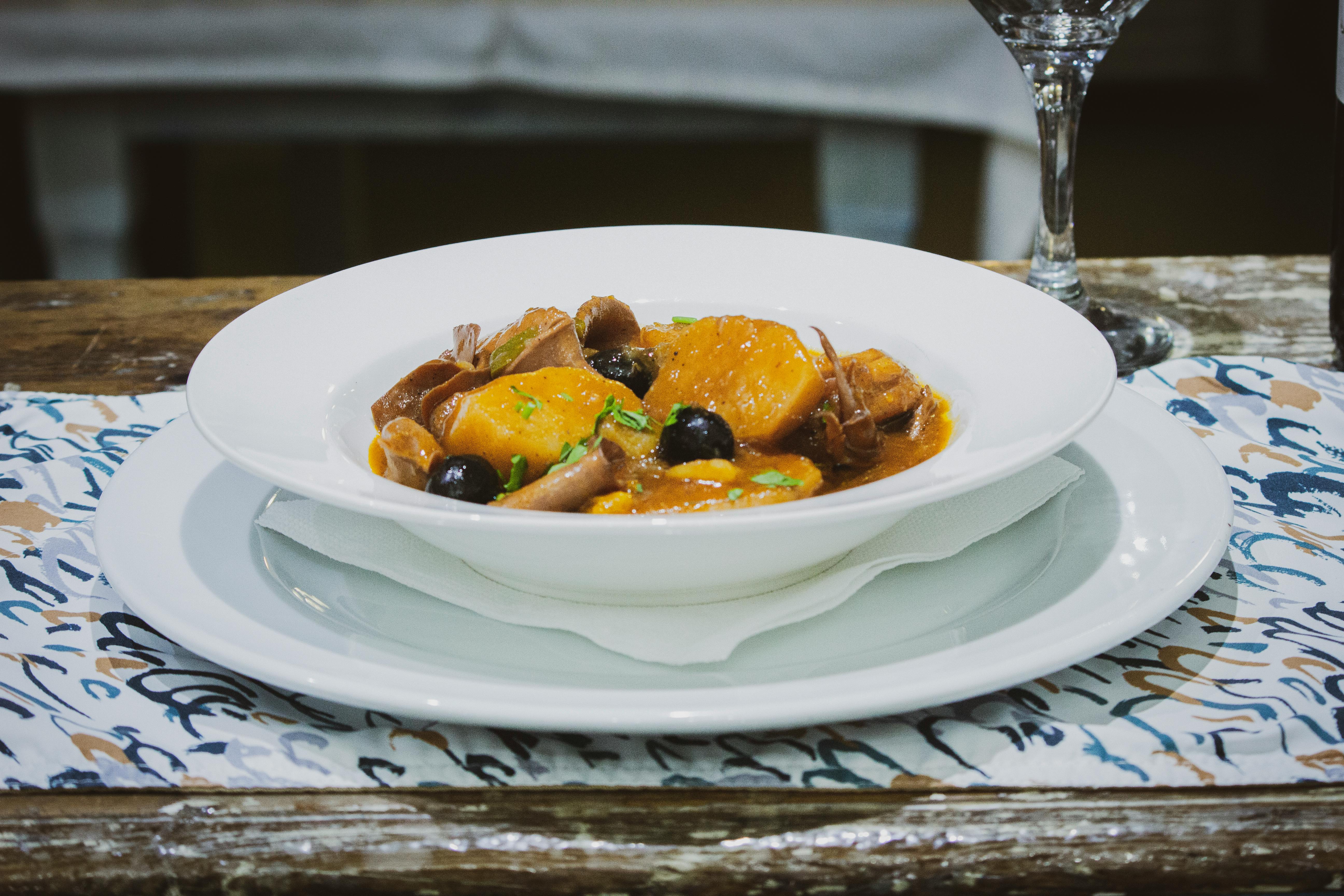
Many lunch failures have little to do with flavor and everything to do with texture. In winter, texture becomes even more important because cold temperatures expose weaknesses fast. A crisp wrap turns rubbery, pasta clumps together, roasted vegetables go limp, and crunchy toppings lose their bite if packed carelessly. This is one reason people often think they are bored with packed lunches when the real issue is structural, not culinary.
Good cold-weather lunches are designed around textures that age well. Soft but distinct grains, tender proteins, cooked vegetables, dumplings, curries, stews, and pasta with enough sauce tend to hold up better than delicate salads or sandwiches with wet fillings. Butternut squash and sage gnocchi is a good example because the components remain pleasing even after some heat loss. The gnocchi stays pillowy, the squash keeps sweetness, and the brown butter ties everything together instead of separating.
This is also where compartment packing becomes a practical advantage rather than a lifestyle aesthetic. When foods stay separate, they keep their intended texture longer. One parent quoted by Basil described a child who would not eat if foods touched each other. That sounds specific, but it reflects a widespread behavior. People of all ages are sensitive to texture changes, even if they do not describe it that way. A meal with dry rice, wilted greens, and sauce-soaked bread simply feels less appetizing, no matter how healthy it is.
Build-it-yourself lunches work especially well for winter because they let each part stay in its best condition until the last moment. A Mediterranean wrap bento with warm falafel, grilled vegetables, pita, and hummus avoids the sogginess that ruins preassembled wraps. Likewise, a curry packed beside rice rather than poured over it can preserve contrast and improve the eating experience.
In real life, a lunch must survive transportation, storage, and time. Texture is the hidden standard that decides success. If a meal still feels coherent several hours later, it is far more likely to be finished and enjoyed.
Practicality beats ambition every time
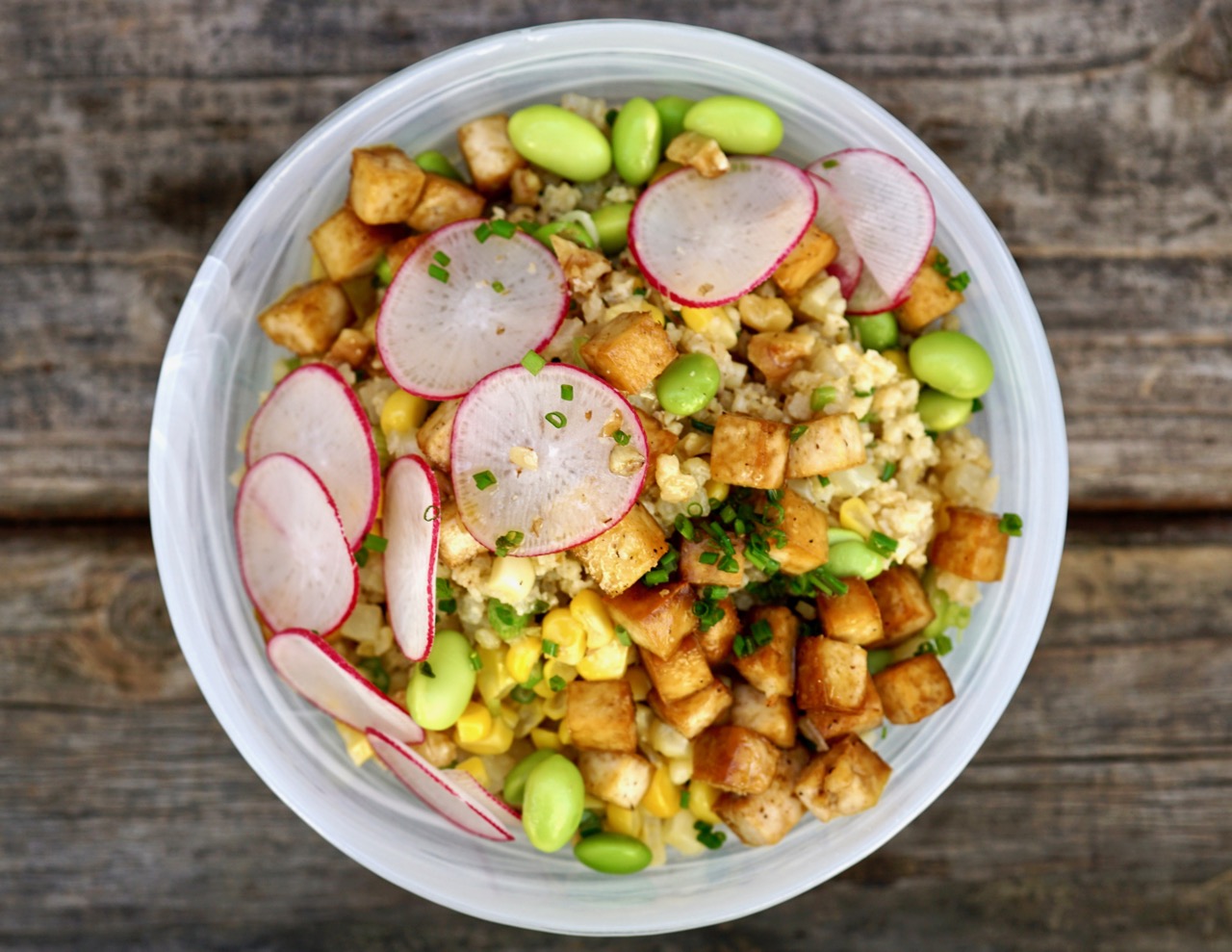
The best cold-weather lunch is not necessarily the most elaborate one. It is the one you can make repeatedly without turning lunch prep into a second job. That is where many idealized food plans fall apart. A beautiful lunch that requires ten separate components, special reheating conditions, and perfect assembly will usually lose to a simpler meal that can be packed half-awake on a weekday morning.
Practical winter lunches often rely on repeatable templates. Grain bowl, soft wrap, pasta-based meal, curry-and-rice combination, or protein plus mash plus vegetable is a realistic rotation. Once people understand the structure, they can swap ingredients based on what is available. Paneer can become tofu or chicken. Jasmine rice can become brown rice or couscous. Broccoli can become green beans or spinach. The lunch still works because the core logic stays intact.
Batch cooking helps, but only if the meals reheat and hold well. This is why saucy and slow-cooked foods dominate successful winter lunch lists. A lentil and walnut loaf with gravy, for instance, is not only nutritious and plant-based. It also travels better than many crisp vegetable dishes because it retains moisture and flavor. Thai red curry with tofu and vegetables works for the same reason. It is forgiving, scalable, and easy to portion across several days.
The container matters more than many people realize. Stainless steel lunch boxes are often preferred for winter because they resist odor retention, staining, and flavor transfer, and they can help food stay warm longer than basic plastic containers. More importantly, divided containers reduce mixing and make varied meals easier to carry without requiring multiple separate tubs. That is convenience with a real payoff.
A practical lunch also respects how people actually eat at work or school. Sometimes lunch is rushed. Sometimes there is no microwave. Sometimes a child has ten distracted minutes to finish a meal. Food that can be eaten neatly, in distinct portions, and without complicated assembly stands a much better chance of success.
Comfort food works best when it is intelligently built

Cold-weather lunches should be comforting, but comfort does not have to mean greasy, oversized, or nutritionally thin. The smartest winter meals borrow the emotional appeal of comfort food while keeping enough structure and nourishment to support the rest of the day. This is why dishes like risotto, gnocchi, mild curry, creamy chicken, or vegetable rice bowls perform so well. They satisfy the craving for warmth without automatically becoming heavy cafeteria food.
Take truffle mushroom risotto with roasted broccoli or asparagus. It feels luxurious and warming, yet it is still a meal built from recognizable fundamentals: rice, vegetables, stock, mushrooms, cheese, and fat used with purpose. The same principle applies to mashed sweet potatoes served with Dijon chicken and green beans. The sweet potato provides comfort and carbohydrate energy, the chicken anchors the meal with protein, and the vegetables add fiber and freshness so the lunch feels rounded rather than overloaded.
Children and adults often respond to the same comfort cues in winter. Soft textures, mild seasoning, warm starches, and savory sauces are broadly appealing because they feel safe and satisfying in cold weather. Basil's note that kids often enjoy creamy pasta, gnocchi, vegetable rice bowls, and mild curries is fully in line with how appetite works in practice. These foods are easier to chew, less messy, and less likely to become unpleasant as they cool.
Plant-based lunches can deliver the same comfort if they are designed with enough depth. A lentil and walnut loaf with herb gravy, roasted root vegetables, couscous, and tahini sauce is a strong example. It offers protein, complex carbohydrates, healthy fat, and layered flavor. It also avoids the common mistake of treating plant-based lunch as a sparse salad in the middle of winter.
Real comfort comes from a meal that feels warm, substantial, and complete. A good winter lunch should improve your day, not just meet nutritional targets. The ideal version is emotionally satisfying because it is physically satisfying too.
The best winter lunches fit real schedules and real appetites

What makes a good cold-weather lunch in real life is not one magic ingredient. It is the fit between food, weather, timing, and human behavior. A lunch may be healthy, homemade, and visually appealing, but if it cools too fast, turns soggy, or feels unsatisfying at noon, it fails the test that matters most. Good winter lunches are designed for actual conditions, not ideal ones.
That means thinking beyond recipes and focusing on the whole eating experience. How long will the food sit before lunch? Will it need to stay warm, or simply remain pleasant at room temperature? Can it be eaten quickly? Will the person eating it want it when the day is cold and energy is low? Those questions explain why dishes like curry bowls, creamy chicken, risotto, gnocchi, lentil loaf, and deconstructed wraps are repeated so often. They solve practical problems while still tasting good.
A strong winter lunch also adapts across age groups and settings. The same meal principles apply whether you are packing school lunch for a child, office lunch for a commuter, or a homemade meal for a long day out. Keep components distinct when possible, favor moisture-retaining dishes, include all major macronutrients, and choose textures that survive the wait. Add one flavorful sauce or side, and the meal becomes far more resilient and enjoyable.
There is also a psychological advantage to getting lunch right in winter. A satisfying midday meal can stabilize mood, reduce afternoon snacking, and make the day feel more manageable. During cold months, when motivation and energy can dip, that effect is not trivial. Lunch becomes a source of comfort and continuity.
In the end, a good cold-weather lunch is one that still makes sense at 12:30 p.m. It is warm or warming, balanced, easy to pack, pleasant to eat, and sturdy enough to survive the day. That combination is what works in real life, and it is why simple, thoughtfully built meals beat impressive but impractical ones every time.