Cooking has become more expensive, but it has also become more thoughtful. More people are discovering that some of the best meals begin not with a grocery run, but with what is already on the shelf.
Why pantry-first cooking feels newly relevant
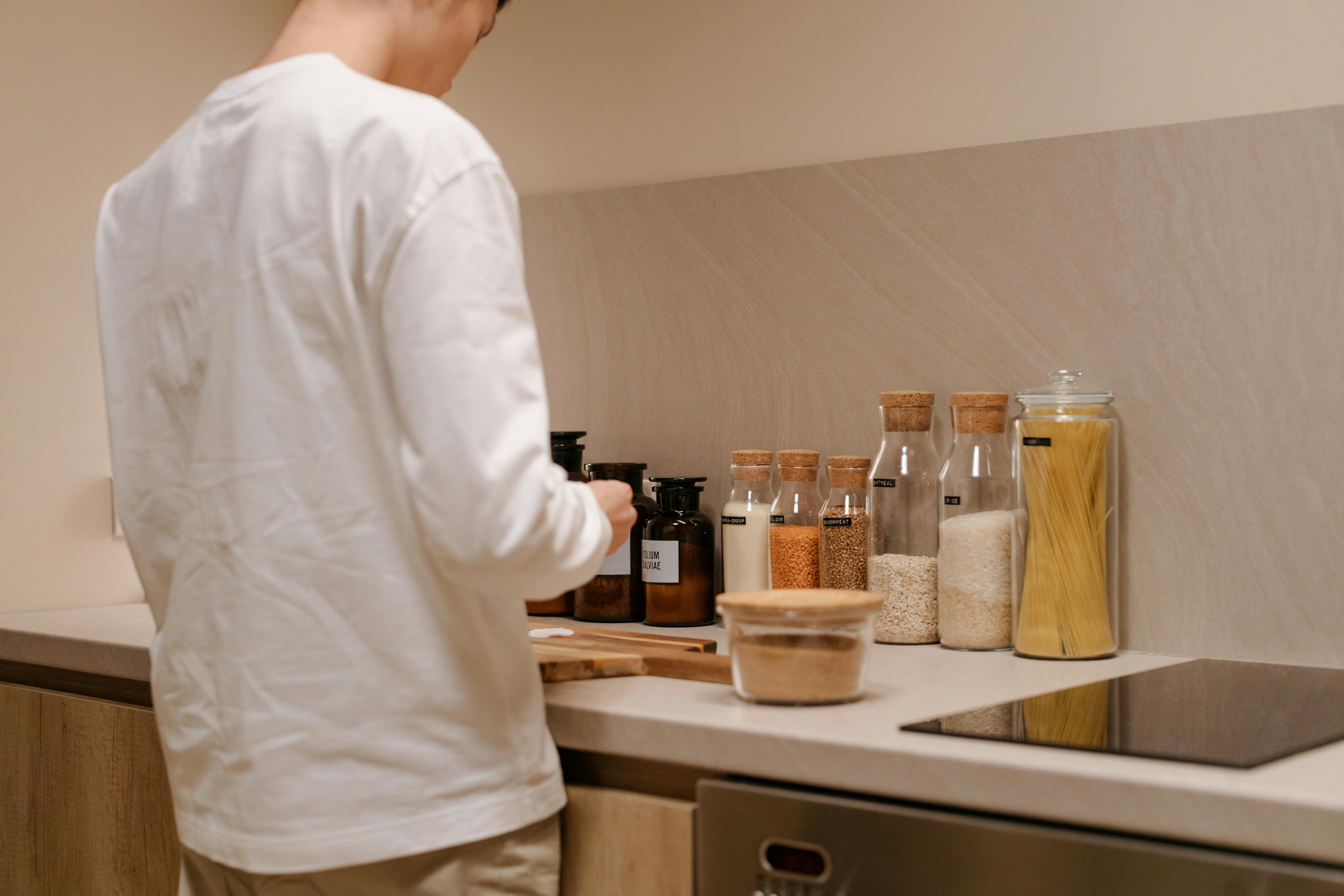
What was once seen as a backup plan now looks like a modern skill. Pantry-first cooking means building meals around ingredients you already have, especially shelf-stable staples such as beans, pasta, rice, canned tomatoes, oats, broth, spices, nut butters, and tinned fish. It is not about deprivation or making do with less. It is about using a smart foundation before buying more.
That shift has been driven by several pressures at once. Grocery prices have stayed elevated in many markets, and households have become more aware of how quickly small purchases add up. According to data tracked by the U.S. Department of Agriculture and widely cited by food economists, food-at-home prices rose sharply in recent years, changing the way many people shop and cook. When ingredients cost more, planning around what is already in the cupboard becomes a practical response rather than a niche habit.
Lifestyle changes matter too. Many people now juggle hybrid work, caregiving, school schedules, and irregular evenings. Pantry staples offer reliability in a way that fresh ingredients sometimes cannot. A bag of lentils does not spoil because a meeting ran late. A can of chickpeas can become dinner in minutes. This reliability reduces daily friction, and that alone has made pantry-first cooking more attractive.
There is also a cultural reason for its revival. Social media and food media have helped reframe pantry cooking as creative and deeply satisfying. Home cooks see chefs turning white beans, anchovies, noodles, and olive oil into meals that feel intentional rather than second-best. The message is clear: good cooking is not always about abundance. Often, it is about judgment, technique, and knowing how to combine humble ingredients well.
The economics behind the movement

The strongest argument for pantry-first cooking is simple: it can make food spending more predictable. Shelf-stable ingredients often cost less per serving than highly perishable convenience foods, and they are less likely to end up in the trash. A pound of dried beans, a bag of rice, or a box of pasta can produce multiple meals at a low cost, especially when paired with onions, garlic, canned tomatoes, frozen vegetables, or eggs.
Food waste plays a bigger role in household budgets than many people realize. The U.S. Environmental Protection Agency has consistently noted that food is one of the most wasted material categories in the municipal waste stream. Fresh greens, herbs, berries, and specialty items are often bought with good intentions and forgotten a few days later. Pantry ingredients work differently. They buy time. That extra time changes behavior because it lowers the pressure to cook a specific recipe on a specific day.
There is a planning advantage as well. A pantry-centered kitchen allows cooks to buy fresh ingredients more selectively. Instead of shopping for entire meals from scratch, people can purchase a few short-life items to support a broader inventory at home. A rotisserie chicken can stretch into soup with broth and noodles. A bunch of kale can be stirred into white beans and pasta. A wedge of Parmesan can flavor several dinners through small amounts used strategically.
This approach also supports resilience during economic uncertainty. When budgets tighten, the households that fare best are often not the ones with the most elaborate meal plans, but the ones with a dependable base of flexible ingredients. Financial advisers increasingly talk about building household systems that reduce stress, and pantry-first cooking fits that idea well. It turns dinner from a daily spending event into an ongoing resource-management practice.
How pantry cooking reduces waste without feeling restrictive
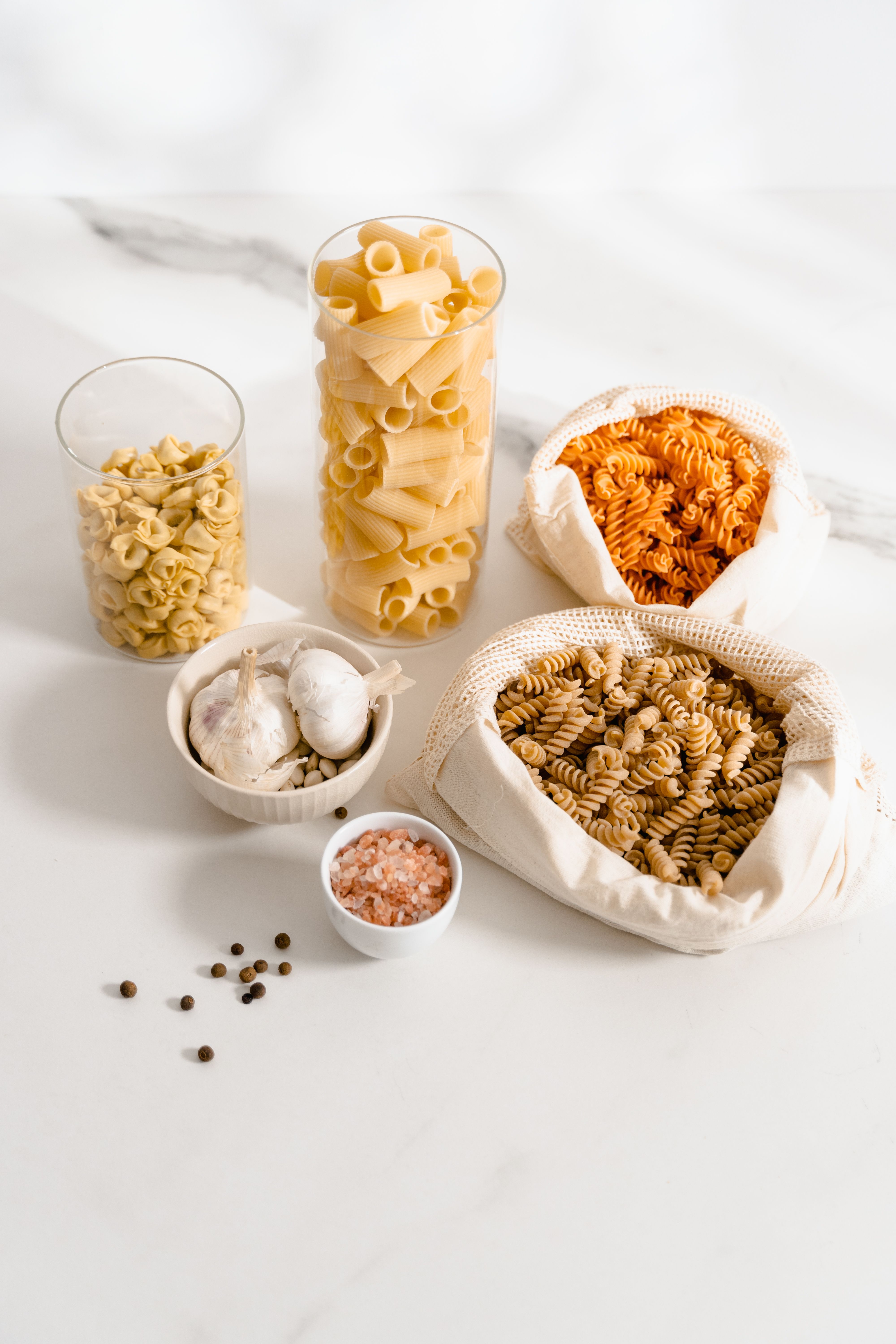
A good pantry does more than save money. It also changes the relationship between cooking and waste. Instead of opening the refrigerator and seeing expiration dates, you begin with ingredients that are ready when you are. That shift lowers guilt and increases flexibility, which is one reason pantry-first cooking feels empowering rather than austere.
The environmental case is stronger than it may seem. Food waste carries hidden costs in land use, water use, packaging, transport, and methane emissions after disposal. Groups such as ReFED have emphasized that reducing waste at home is one of the fastest ways consumers can make their food habits more efficient. Pantry cooking helps because it encourages people to use long-lasting items as the backbone of meals, then add perishables in smaller, more realistic amounts.
It also creates opportunities to use leftovers better. Half a jar of roasted peppers can go into a grain bowl. The last scoop of tomato paste can enrich a pot of lentils. A few olives, a can of tuna, and stale bread can become a salad or skillet meal. In a pantry-first system, odd bits are not clutter. They are ingredients waiting to be matched with staples that give them structure.
Importantly, this style of cooking does not mean avoiding fresh food. In practice, it often leads to smarter use of it. People buy cilantro for a purpose, not out of optimism. They use fresh spinach to finish soup rather than hoping to build an entire meal around a bag of leaves. Pantry-first cooking reduces waste not by lowering standards, but by improving timing, proportion, and decision-making in the kitchen.
The skills that make pantry staples taste exciting
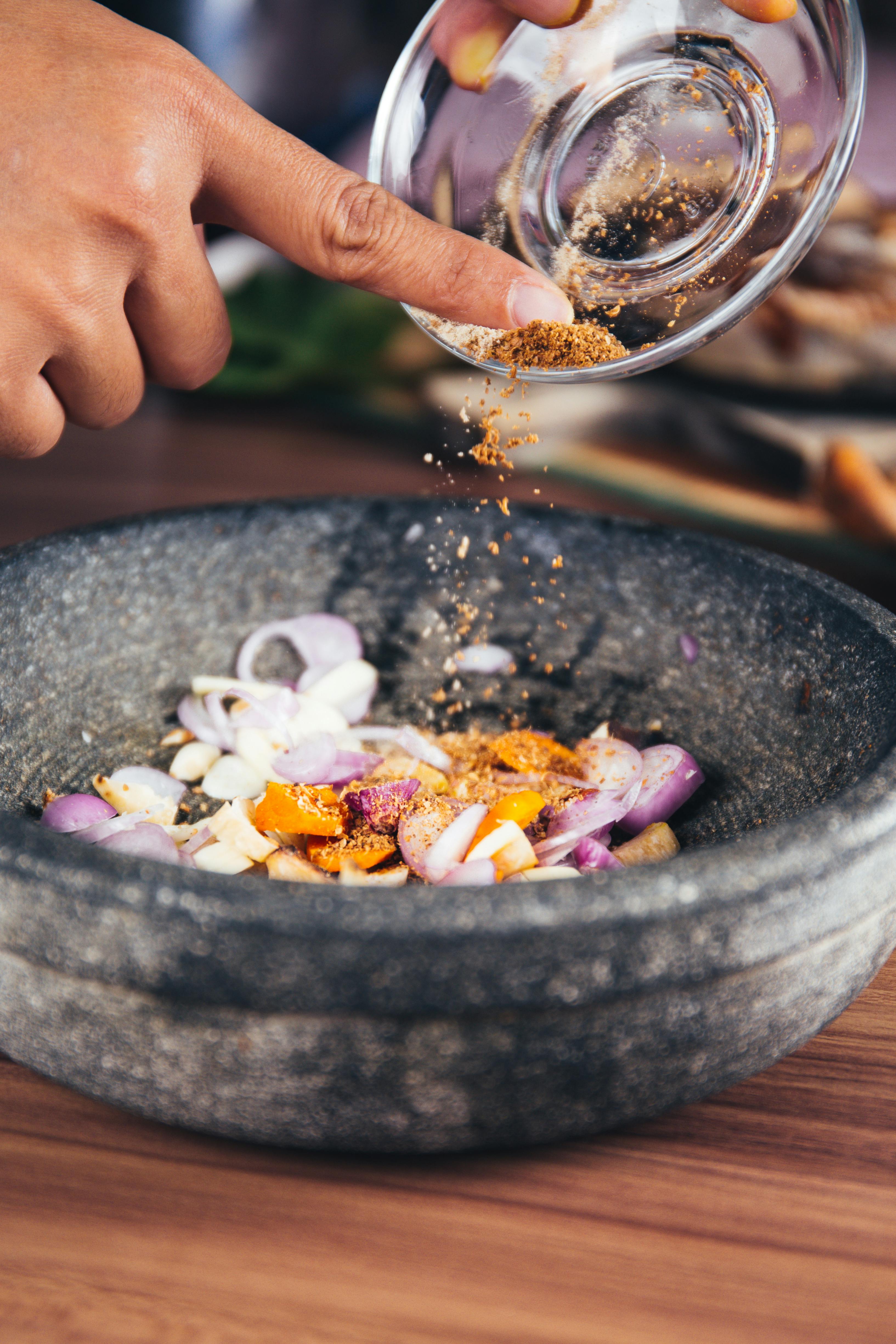
The biggest misconception about pantry cooking is that it is dull. In reality, pantry ingredients become compelling when cooks understand contrast, seasoning, and texture. A can of beans can be creamy, crisp, spicy, or bright depending on what happens in the pan. The difference is usually not expensive ingredients. It is technique.
Start with aromatics and layering. Onion, garlic, shallot, ginger, and scallions build a base that gives pantry foods dimension. Spices bloom when heated briefly in oil. Tomato paste deepens when caramelized for a minute or two. Acid from vinegar, lemon, or pickled brine can sharpen a dish that tastes flat. These are small moves, but they dramatically improve rice, lentils, canned fish, and pasta.
Texture matters just as much. Crispy breadcrumbs can transform a bowl of beans. Toasted seeds or nuts add bite to soft grains. A fried egg gives richness to leftover rice, while a spoonful of yogurt can cool a spicy stew. Restaurant kitchens have long used contrast to make simple ingredients feel complete, and home cooks can do the same with items that live in the pantry or freezer for weeks.
Experienced cooks also rely on a few high-impact ingredients. Soy sauce, Dijon mustard, tahini, capers, miso, chili crisp, anchovies, and coconut milk can change the direction of a dish instantly. White beans can become Italian-style with rosemary and olive oil, or turn deeply savory with miso and greens. Oats can go sweet with cinnamon and dates, or savory with broth, mushrooms, and cheese. Pantry-first cooking becomes exciting when people stop seeing ingredients as fixed and start seeing them as versatile building blocks.
What a modern pantry looks like now
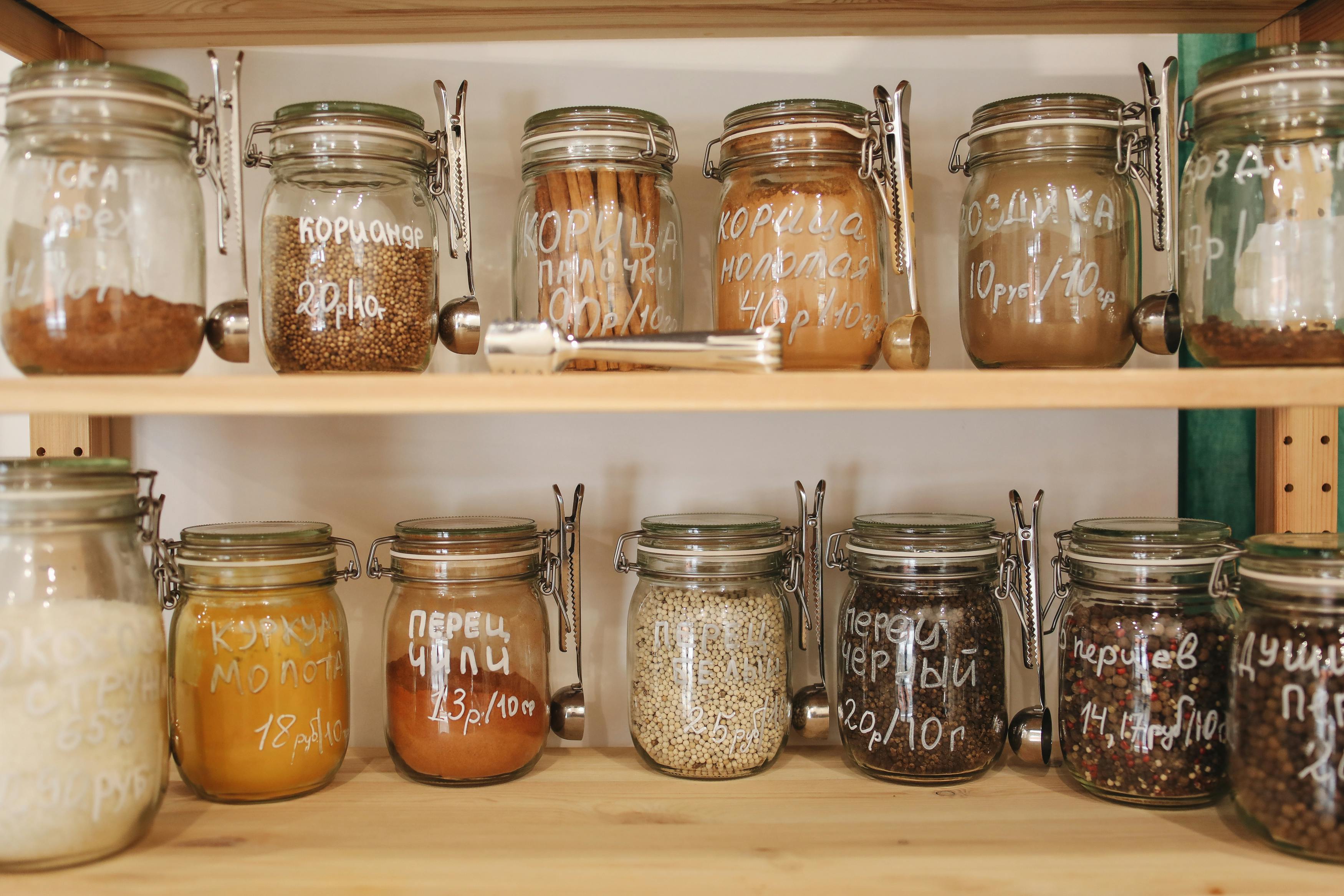
The modern pantry is less about stockpiling and more about usefulness. It is not a wall of random cans bought during a sale. It is a curated set of ingredients that can become many different meals. The best pantry is personal, built around the way a household actually eats, not around an idealized version of home cooking.
For many kitchens, a solid base includes grains and starches such as rice, pasta, tortillas, oats, couscous, and potatoes. Proteins might include canned beans, dried lentils, peanut butter, eggs, frozen shrimp, tofu, and tinned sardines or tuna. Flavor-builders often include canned tomatoes, broth concentrate, onions, garlic, olive oil, soy sauce, vinegars, spices, hot sauce, and a few condiments with strong character. Freezers now play a major role too, especially with peas, spinach, dumplings, berries, and bread.
Nutrition is part of the appeal. Registered dietitians often note that pantry staples support balanced meals when chosen thoughtfully. Beans and lentils provide fiber and protein. Oats and brown rice offer complex carbohydrates. Canned tomatoes and frozen vegetables can be highly nutritious because they are processed close to harvest. This matters for families trying to eat well without shopping constantly or paying premium prices for convenience.
The most effective pantries are also organized for visibility. People are more likely to cook what they can see and identify quickly. Clear containers, labeled bins, and simple rotation habits reduce overbuying. Many home cooks now keep an informal inventory on a phone note or whiteboard, which makes meal planning easier. In that sense, the new pantry is not just storage. It is a working system that supports better decisions throughout the week.
Why pantry-first cooking may outlast the moment

Some food trends fade when prices stabilize or habits shift, but pantry-first cooking has deeper staying power. It aligns with several long-term values at once: thrift, adaptability, sustainability, and competence. People may begin for budget reasons, yet they often continue because the method makes everyday life easier and cooking less stressful.
It also restores a useful kind of confidence. Many people have spent years following recipes so closely that dinner can feel impossible without exact ingredients. Pantry cooking teaches a different mindset. You learn substitutions, ratios, and flavor logic. If you know how to combine a protein, a starch, a vegetable, and a strong seasoning, you can cook under many circumstances. That confidence is durable, and it changes how people relate to food.
There is evidence of broader cultural staying power too. Cookbook authors, test kitchens, and professional chefs increasingly focus on flexible formulas rather than rigid shopping lists. Supermarkets continue to devote more space to globally inspired sauces, canned legumes, grains, and frozen produce, reflecting demand for practical ingredients with long shelf lives. Consumers are not just looking for luxury or novelty. They are looking for ingredients that earn their place.
Ultimately, the appeal of pantry-first cooking is not nostalgic, even if it draws on older kitchen wisdom. It is a practical answer to modern pressures and a more grounded way to eat. It asks people to use what they have, sharpen a few core techniques, and trust simple ingredients to do more. In return, it offers meals that are affordable, less wasteful, and often surprisingly good. That is not a compromise. It is a better system.