A small sticker at the grocery store is changing dinner again. For many home cooks, markdown meat has quietly shifted from a last-resort buy to a practical kitchen strategy.
Why markdown meat is back on the shopping list
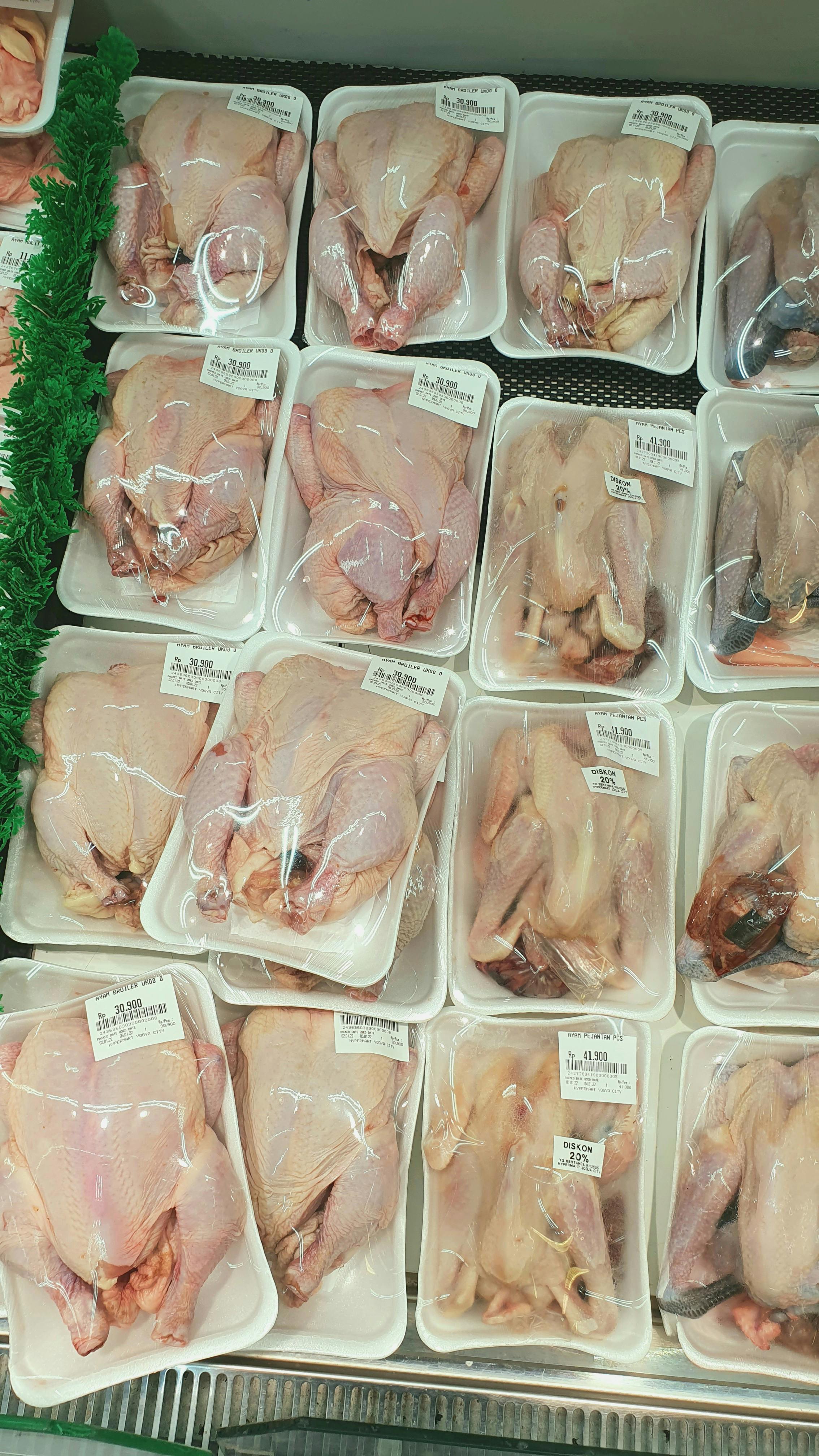
The comeback of markdown meat starts with pressure at the checkout lane. Food prices remain elevated compared with pre-pandemic levels, and even as inflation has cooled from its peak, protein still takes a large share of weekly grocery budgets. According to U.S. Department of Agriculture market data and major retail earnings reports over the past two years, shoppers have been trading down, buying fewer premium cuts, and looking harder at promotions. In that environment, a reduced-price package of chicken thighs or ground beef is no longer easy to dismiss.
There is also a cultural shift behind the savings. Home cooks have become more intentional about waste, partly because they have seen how much perfectly usable food gets discarded. ReFED, a nonprofit focused on food waste, has repeatedly estimated that Americans throw away tens of millions of tons of food every year, with meat and seafood among the most expensive categories to waste. A markdown label reframes the decision. Instead of seeing a product at the edge of usefulness, shoppers increasingly see a chance to rescue good food and stretch a budget at the same time.
Retailers understand this psychology and have become more sophisticated in how they manage perishable inventory. Rather than quietly moving aging products to a neglected corner, many stores now place markdown sections in visible refrigerated areas and use dynamic pricing systems that lower prices in stages. Some chains have trained staff to repackage or relabel meat as it approaches its sell-by date, provided it remains within food safety rules. That makes markdown meat easier to find and less stigmatized than it once was.
Another reason for the return is confidence. More people now batch cook, freeze meals, and understand the difference between a sell-by date and a food safety deadline. The Food and Drug Administration has long noted that date labels such as "best if used by" often relate to quality, not safety, and that misunderstanding those labels contributes to waste. Once home cooks learn that discounted meat can be cooked or frozen promptly and used successfully, the category stops feeling risky and starts feeling smart.
What "markdown meat" actually means in the modern grocery aisle
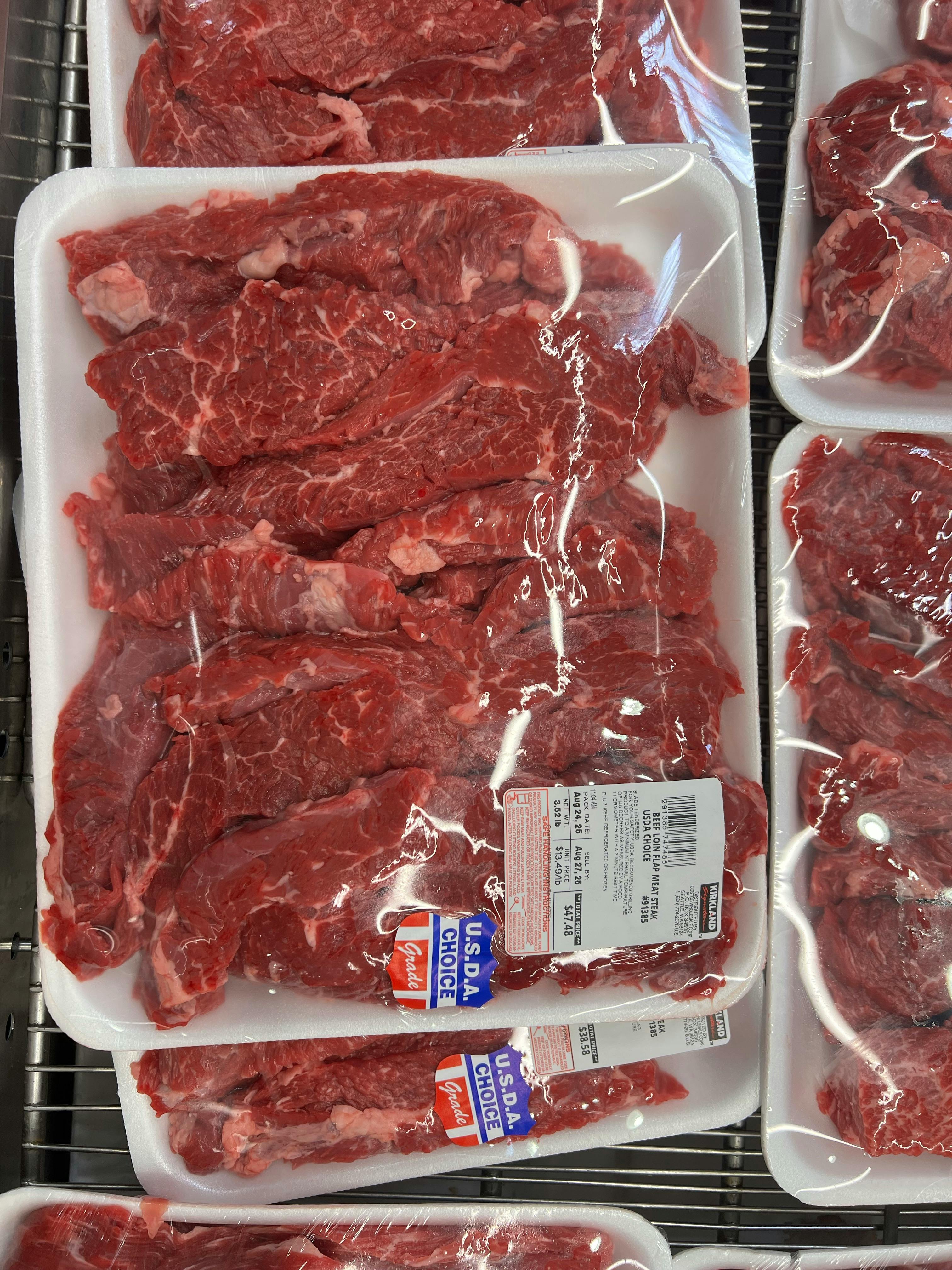
At first glance, markdown meat looks simple: meat that is cheaper because time is short. In practice, it covers several different situations, and that matters to shoppers. Most often, the markdown reflects a product nearing its sell-by or best-by date, not meat that has suddenly become unsafe. Retail stores lower the price to move inventory quickly while the product is still suitable for sale. In a properly refrigerated case, that can leave a useful window for cooking, freezing, or immediate meal prep.
The label itself can be misleading if shoppers do not know how stores use date coding. Sell-by dates help retailers manage stock rotation. Best-by dates point to peak quality. Use-by dates can sound more urgent, but on many foods they still relate more to quality than spoilage. The USDA and FDA have both tried to clarify these terms because consumer confusion drives unnecessary disposal. For markdown meat buyers, the practical takeaway is straightforward: evaluate the date, the package integrity, the temperature of the case, and your plan for the food before you buy it.
Appearance also deserves a more informed reading. Meat can darken slightly, especially beef, as oxygen levels in packaging change. That color shift does not automatically mean spoilage. Vacuum-sealed cuts, for example, often look darker or purplish until exposed to air. What matters more are clear warning signs such as a torn package, excess liquid with a strong odor, or a sticky surface after opening. Knowledge here replaces guesswork, and that is one reason more shoppers feel comfortable buying markdown proteins today.
There is also a distinction between opportunistic markdowns and structured discount channels. Some stores reduce meat early in the day based on traffic forecasts, while others use end-of-day routines to clear inventory. A few regional grocers have even built loyal followings around "manager's specials." This system turns markdown meat into a planned part of the shopping experience rather than a random lucky find. For shoppers who know their store's timing, the savings can become surprisingly consistent.
How home cooks are using it without sacrificing quality
Smart use begins before the pan gets hot. Experienced home cooks who buy markdown meat usually shop with a plan, not just a price target. They look for cuts that can be cooked the same day, portioned and frozen, or transformed into dishes where slow cooking or marinating improves texture. Chicken thighs become sheet-pan dinners, marked-down pork shoulder becomes pulled pork, and discounted stew beef goes straight into chili or braises where long cooking brings out value rather than exposing limitations.
Freezing has become one of the key habits behind this trend. The moment markdown meat comes home, many cooks break family packs into meal-size portions, wrap them tightly, and label them clearly. This reduces the chance that a bargain gets forgotten and wasted in the back of the refrigerator. The National Center for Home Food Preservation and USDA guidance have long emphasized that freezing at peak freshness preserves quality best. For markdown meat, speed matters. Buy it cold, bring it home quickly, and freeze or cook it without delay.
Seasoning and technique also play a large role. Leaner discounted cuts can benefit from brining, marinating, or lower-and-slower cooking. Ground meat can be browned with onions, garlic, and spices the same evening, then turned into tacos, pasta sauce, or stuffed peppers over several days. Even a small package of markdown sausage can anchor a soup or bean dish and add depth far beyond its cost. In practice, home cooks are not lowering standards. They are matching the cut to the right method.
There is a broader cooking lesson here as well. Markdown meat rewards flexible meal planning over rigid recipe shopping. Instead of starting with a fixed menu and buying full-price ingredients, shoppers build meals around what is fresh, discounted, and manageable. That approach resembles older household habits, when people cooked according to season, price, and supply. In a digital age full of curated grocery lists, it can feel refreshingly grounded and surprisingly creative.
The economics behind the trend for families and retailers
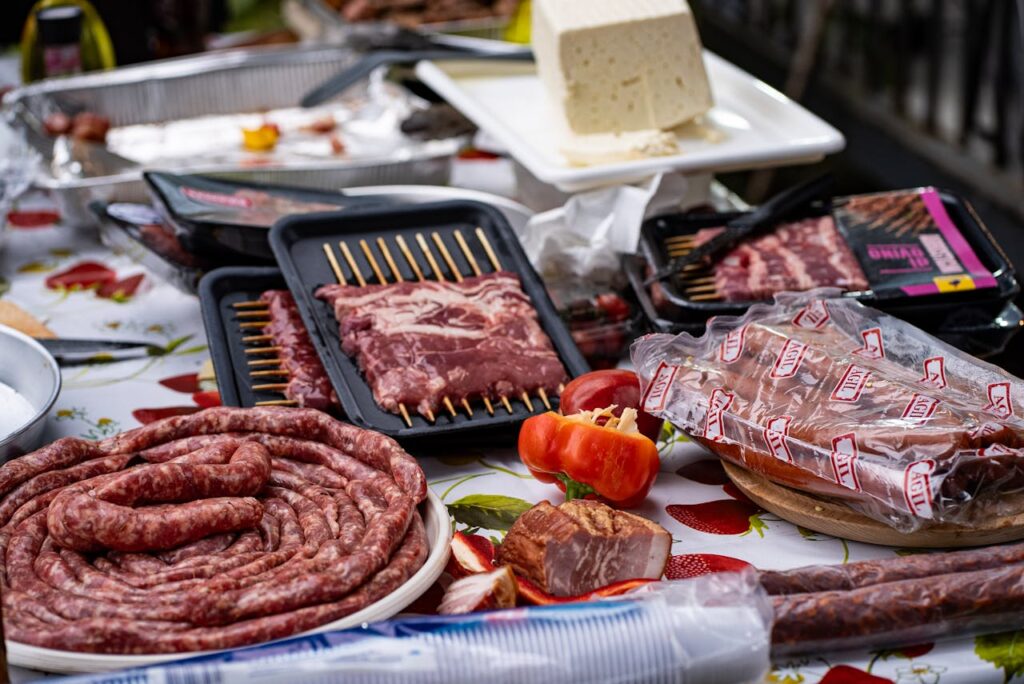
For households, the math is easy to understand even when the weekly budget is tight. Meat remains one of the most expensive components of dinner, and markdowns of 20%, 30%, or even 50% can change what a family can afford to cook. A package of chicken marked down from $11 to $7 may not seem dramatic in isolation, but over a month those savings can cover staples like rice, vegetables, eggs, or lunch ingredients. When applied consistently, markdown buying becomes less of a coupon trick and more of a meaningful budgeting tool.
The savings are especially valuable for larger families, retirees on fixed incomes, and shoppers balancing high rent, child care, or medical costs. Consumer surveys from firms such as Circana and Deloitte have shown persistent concern over grocery affordability, even as shoppers remain determined to keep protein on the table. In response, many households have not stopped buying meat. They have simply become more strategic about where and when they buy it. Markdown sections fit neatly into that shift because they offer immediate value without requiring a membership, app, or bulk purchase.
Retailers have their own strong incentives to make markdown systems work better. Fresh meat is highly perishable, and every unsold package creates a loss. A smaller profit on a discounted sale is almost always better than a total write-off. This is why grocery chains are investing in demand forecasting, date tracking, and software that recommends price reductions before spoilage risk rises too high. According to grocery trade reporting, stores that manage perishables well can reduce waste while also reinforcing a value-oriented reputation among customers.
There is an environmental side to the economics too. Meat carries a high resource footprint because it requires feed, land, water, refrigeration, transport, and labor. When it gets thrown away, those embedded resources are wasted as well. Selling it at a discount before it spoils is not just good retail practice. It is a form of loss prevention with broader benefits. That does not erase the larger sustainability debates around meat production, but it does make a practical case for using what has already been produced more responsibly.
Safety concerns, myths, and the rules that actually matter
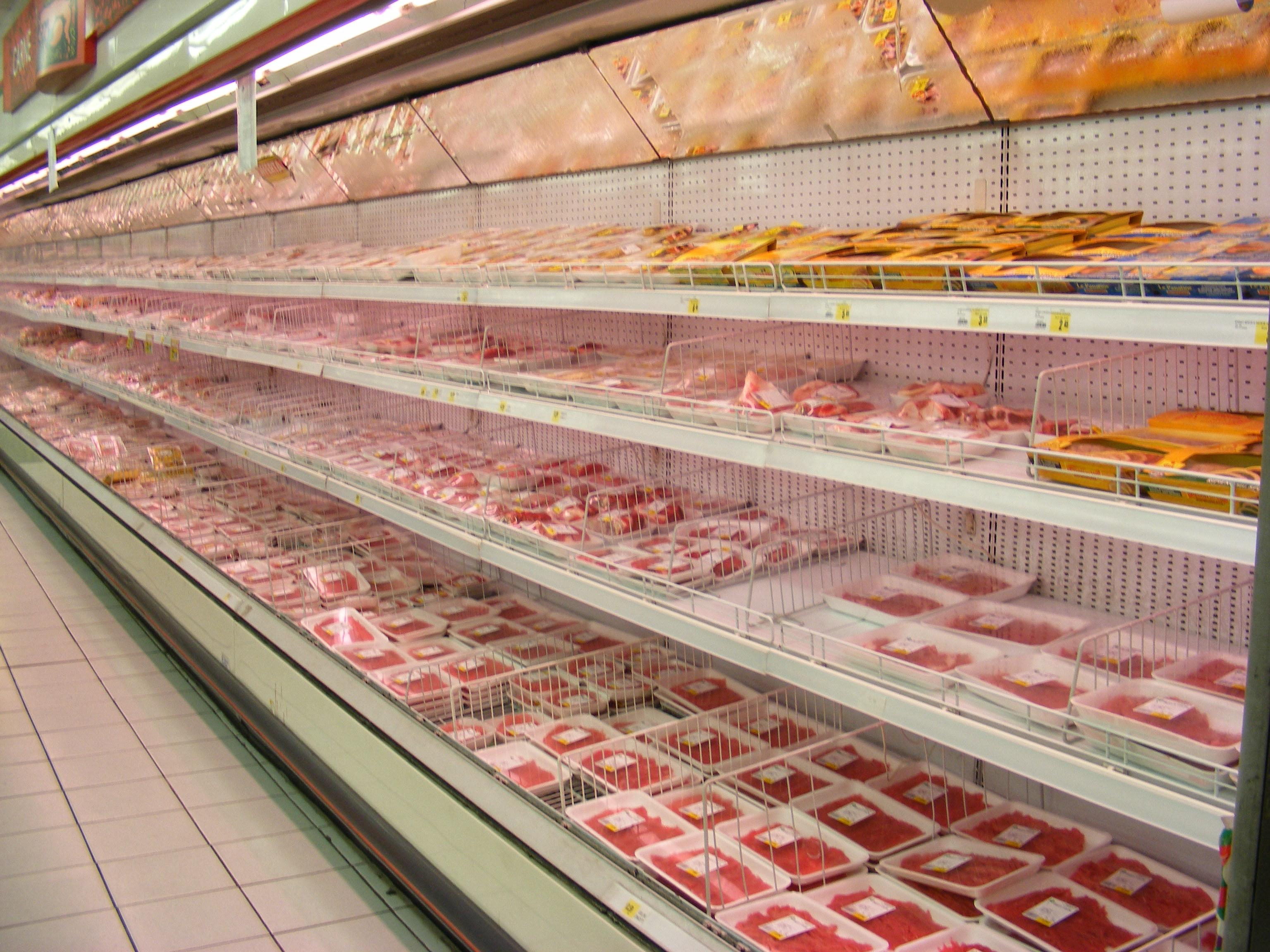
Fear has always hovered around discounted meat, often because shoppers assume lower price means lower safety. In a well-run store, that is not what markdowns signify. Meat should still be held at safe refrigeration temperatures, packaged properly, and sold within store policy and regulatory standards. The markdown reflects time and inventory management, not a waiver of food safety. That distinction is essential, because smart shoppers save money by respecting risk, not by ignoring it.
The biggest safety rule is speed. If you buy markdown meat, it should be the last item into your cart and one of the first items handled when you get home. The USDA recommends refrigerating perishables promptly and keeping them out of the temperature danger zone for more than 2 hours, or 1 hour if the ambient temperature is above 90°F. If the plan is not to cook the meat that day or the next, freezing is the safer move. This is where many successful markdown buyers separate themselves from careless bargain hunters.
There are also persistent myths worth clearing up. Smell alone is not a reliable freshness test before cooking, especially with sealed packaging. Color change alone is not proof of spoilage. Washing raw chicken does not make it safer and can spread bacteria around the sink. Refreezing is sometimes possible if meat was thawed safely in the refrigerator and remains cold, though quality may suffer. These are not niche details. They are practical kitchen rules that help discounted purchases stay useful and safe.
Home thermometers matter more than intuition. Ground meats should reach 160°F, while poultry should reach 165°F, according to USDA recommendations. Whole cuts of beef, pork, veal, and lamb generally reach safe levels at 145°F followed by rest time, depending on the cut and preparation. The return of markdown meat works only when paired with this kind of basic competence. What looks like frugality on the surface is really a combination of timing, storage discipline, and sound cooking habits.
Why this shift says something bigger about the way people cook now
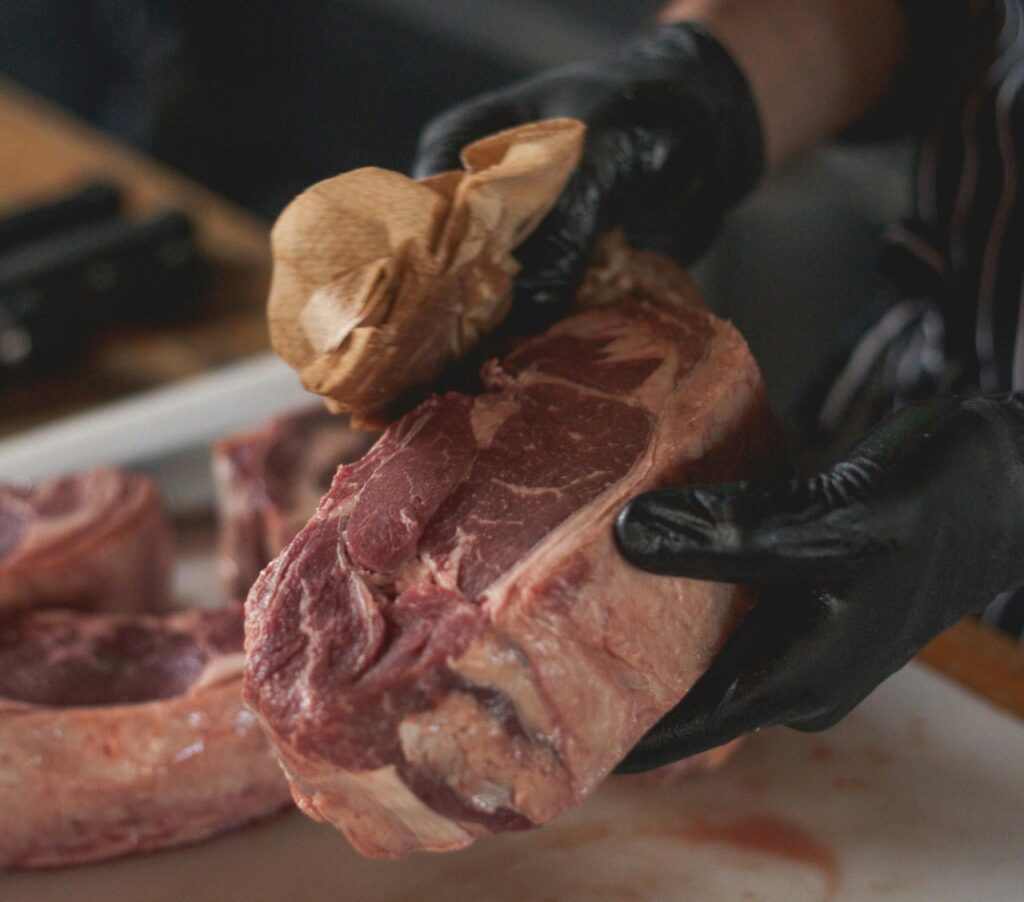
The rise of markdown meat points to a broader change in domestic cooking culture. Over the past decade, home cooking has swung between two ideals: convenience and optimization. Meal kits, grocery apps, and social media recipes promised efficiency and visual perfection. Markdown meat belongs to a different mindset. It asks cooks to observe, adapt, and decide in real time. That may sound old-fashioned, but it aligns closely with how skilled home cooks have always worked under real financial constraints.
This trend also reflects a renewed respect for ordinary kitchen competence. During the pandemic years, many people learned or relearned how to roast a chicken, braise a tough cut, make stock, or freeze leftovers intelligently. Those skills did not disappear when restaurants reopened. They stayed in circulation, especially as grocery prices kept climbing. Markdown meat fits naturally into that world because it rewards practical knowledge over idealized shopping. The bargain itself is only part of the appeal. The deeper satisfaction comes from turning a discounted package into a good meal.
There is a psychological dimension too. Buying markdown meat can feel like a small act of agency in an expensive economy. Shoppers are not merely coping with higher prices. They are making shrewd choices, avoiding waste, and reclaiming some control over the cost of eating well. For many people, that is more motivating than vague advice to "budget better." It is immediate, tangible, and visible at dinner time.
The quiet return of markdown meat is not really about settling for less. It is about seeing value where others once saw inconvenience. In many kitchens, that shift has revived older habits of thrift, flexibility, and respect for food. As long as shoppers understand the rules and cook with intention, markdown meat is likely to remain a durable part of the modern grocery routine. It is a modest trend on the surface, but it reveals a lot about how home cooking is becoming more resourceful again.