
Canada's meat counter is changing fast. Young shoppers are not simply chasing nostalgia. They are making practical choices about cost, quality, and trust.
Big grocery chains are losing their grip
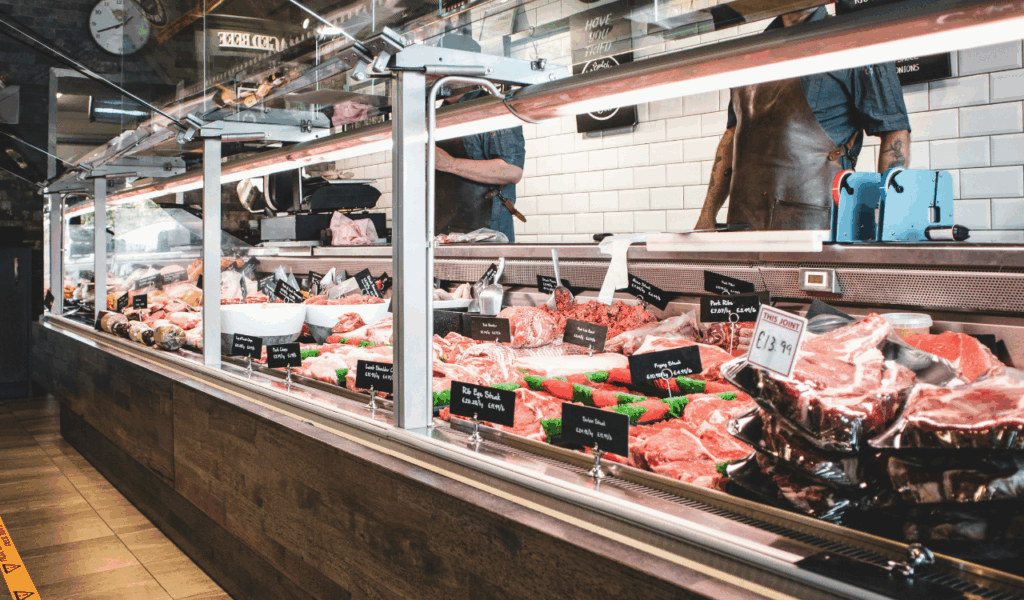
Sticker shock is the first reason many younger Canadians are rethinking where they buy meat. Food inflation has hit household budgets hard, and meat prices at major chains often feel unpredictable from one week to the next. For renters, students, and young families, that kind of volatility changes shopping habits quickly.
A local butcher can seem more expensive at first glance, but the comparison is not always straightforward. Independent shops often trim to order, recommend affordable cuts, and help customers buy only what they need. That reduces waste, which matters when every dollar counts.
Many young shoppers have also grown skeptical of chain-store promotions. Multi-buy offers and oversized family packs do not help someone living alone in Toronto, Vancouver, or Halifax. In that setting, smaller quantities and better guidance can be the smarter value.
Trust has become part of the purchase

Younger consumers increasingly want to know where their food comes from and how it was handled. That demand has grown across Canada as shoppers pay closer attention to labeling, farming practices, and processing standards. A local butcher is often able to answer those questions in plain language on the spot.
That personal interaction has real power. Instead of scanning a package for clues, customers can ask whether the beef is grass-fed, whether the chicken is from Ontario or Quebec, or how often a product is delivered. The transaction becomes a conversation, not just a barcode scan.
This matters especially to Gen Z and younger millennials, who tend to reward transparency. Industry observers have noted that younger buyers are more comfortable paying for products when they understand the supply chain behind them. Trust, in other words, now functions like a product feature.
Local sourcing feels more meaningful now

The buy-local movement in Canada is no longer limited to farmers' markets and summer produce. It has expanded into everyday proteins, especially in cities where consumers want a closer connection to regional farms. Butcher shops are well positioned to benefit because they often build their reputation on those farm relationships.
In provinces such as Alberta, Saskatchewan, and Ontario, many butcher shops promote meat from nearby ranches and family-run producers. That appeals to customers who want their money to stay in the regional economy. It also offers a clearer story than the anonymous national supply systems used by large chains.
For younger Canadians, local sourcing can feel less like a slogan and more like a measurable choice. They can ask what farm the pork came from, how far it traveled, and what standards were followed. That level of detail creates a sense of accountability that big retail environments rarely match.
Better service is changing buying habits

A good butcher does more than sell steaks and sausages. They explain cuts, offer cooking advice, and suggest alternatives when a customer wants to save money. For less experienced home cooks, that kind of support can be the difference between a successful meal and an expensive mistake.
This service matters because many younger adults learned to cook more seriously in recent years. With restaurant prices climbing, home cooking has become both a budget strategy and a lifestyle choice. Butcher shops fit naturally into that shift by helping customers plan meals more confidently.
The relationship also encourages experimentation. Someone who would normally buy ground beef at a chain might leave a butcher shop with braising cuts, house-made burgers, or marinated chicken selected for a specific recipe. That sense of discovery gives local shops an advantage that self-serve supermarket aisles cannot easily copy.
Quality and craft are part of the appeal

Independent butcher shops have benefited from the broader cultural rise of craft food. The same consumers who seek out small-batch bread, specialty coffee, and local cheese are often drawn to carefully prepared meats. In that context, the butcher shop feels current, not old-fashioned.
House-made sausages, dry-aged beef, smoked products, and custom cuts add to that appeal. These are not just premium extras. They signal skill, freshness, and attention to detail, all of which matter to customers who care deeply about what ends up on the dinner table.
Social media has amplified this trend. A well-presented ribeye, a Thanksgiving turkey pre-order, or a behind-the-scenes video from a neighborhood butcher can travel quickly on Instagram or TikTok. Younger shoppers often discover these shops digitally first, then become loyal in person.
This shift is practical, not sentimental
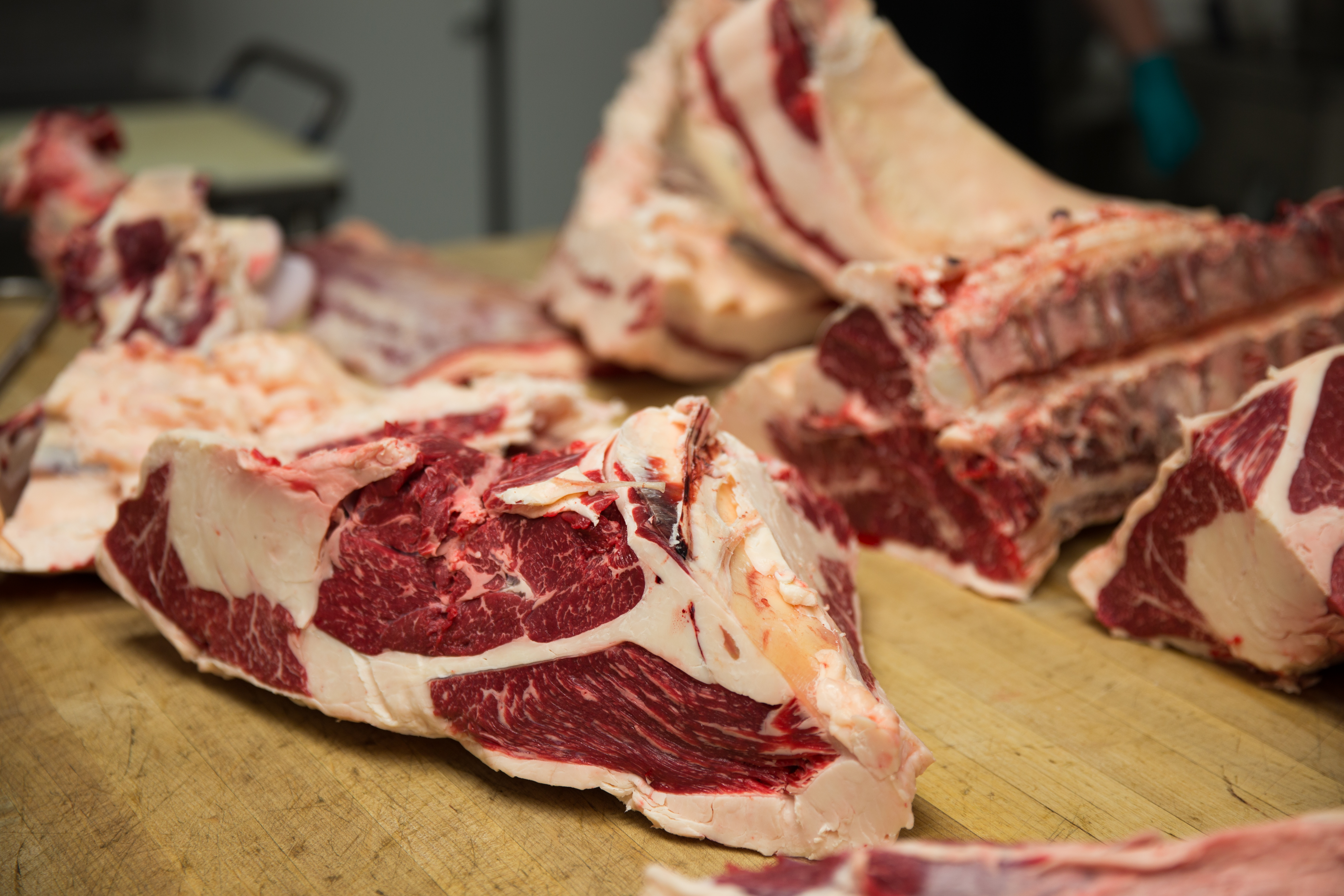
It would be easy to frame the butcher shop revival as a reaction against modern retail. In reality, it is a response to modern pressures. Young Canadians are dealing with high living costs, stronger expectations around food transparency, and a growing desire to buy with intention.
Local butcher shops are succeeding because they solve several problems at once. They offer advice, flexibility, clearer sourcing, and often a better fit for smaller households. In many cases, they also make shoppers feel more informed and more respected.
That combination is hard for big grocery chains to replicate at scale. As long as affordability remains tight and consumers keep demanding accountability, neighborhood butcher shops are likely to keep gaining ground in Canada's food landscape.




Leave a Reply