
Canadians are being asked to rethink a routine they barely noticed for years. The change is not one law or one app update, but a wider reset in how restaurant tipping now works.
Tip screens are getting a visible reset

One of the clearest changes is happening at the payment terminal. In many restaurants, the preset tip buttons that once jumped quickly from 18% to 25% are being adjusted, with some businesses lowering suggested amounts or making custom tipping easier to find.
This is partly a response to customer fatigue. After several years of rising menu prices, service fees, and tip prompts appearing in more places, many diners have become more sensitive to what they are being asked to add at checkout.
Industry operators know the terminal matters because it shapes behaviour. Payments experts and restaurant consultants have said small changes in button design, default percentages, and whether tips are calculated before or after tax can meaningfully affect what customers leave behind.
More provinces have removed the old wage gap

A quieter but more important shift sits behind the scenes. Across much of Canada, the older system that paid liquor servers less than the general minimum wage has largely disappeared, changing one of the most common historical arguments for mandatory-looking tipping.
Ontario ended its separate liquor server wage in 2022, and other provinces have also moved toward narrower wage differences or uniform minimum wage rules. That means many front-of-house workers are no longer legally starting from a lower hourly base simply because they serve food or alcohol.
For diners, the practical effect is psychological as much as financial. People are increasingly aware that tipping is no longer tied as directly to a special subminimum wage model, which is pushing restaurants to reconsider how strongly they present gratuity prompts.
Tip pooling is becoming more structured

Another change is happening in the back of house. More restaurants are formalizing tip pools so that gratuities are shared not just among servers and bartenders, but also with hosts, food runners, dishwashers, and kitchen staff.
This reflects a broader recognition that service is a team product. A polished table experience depends on timing from the kitchen, clean dishes, reservation management, and support staff, even if only one person drops the bill.
Some provinces set limits on tip deductions or outline when employers can control tip pools, so businesses have had to become more careful about policy wording and payroll records. Workers, in turn, are paying closer attention to transparency and whether pooled systems are fair.
Service charges are entering the conversation

Not every restaurant is relying on the traditional tip model anymore. Some operators, especially in higher-cost urban markets, are testing fixed service charges for large parties, special events, or even regular dining periods instead of leaning entirely on voluntary gratuities.
The reason is predictability. Owners facing volatile food costs, rising rents, and labour pressure often prefer steadier revenue that can be distributed more deliberately across the team rather than hoping customer tips will fill compensation gaps.
For guests, this can be confusing if menus, reservation policies, and terminal prompts are not aligned. A diner may see a service fee already added and still be presented with a tip screen, which is why clearer disclosure is becoming a competitive advantage.
Consumers are pushing back against tip inflation
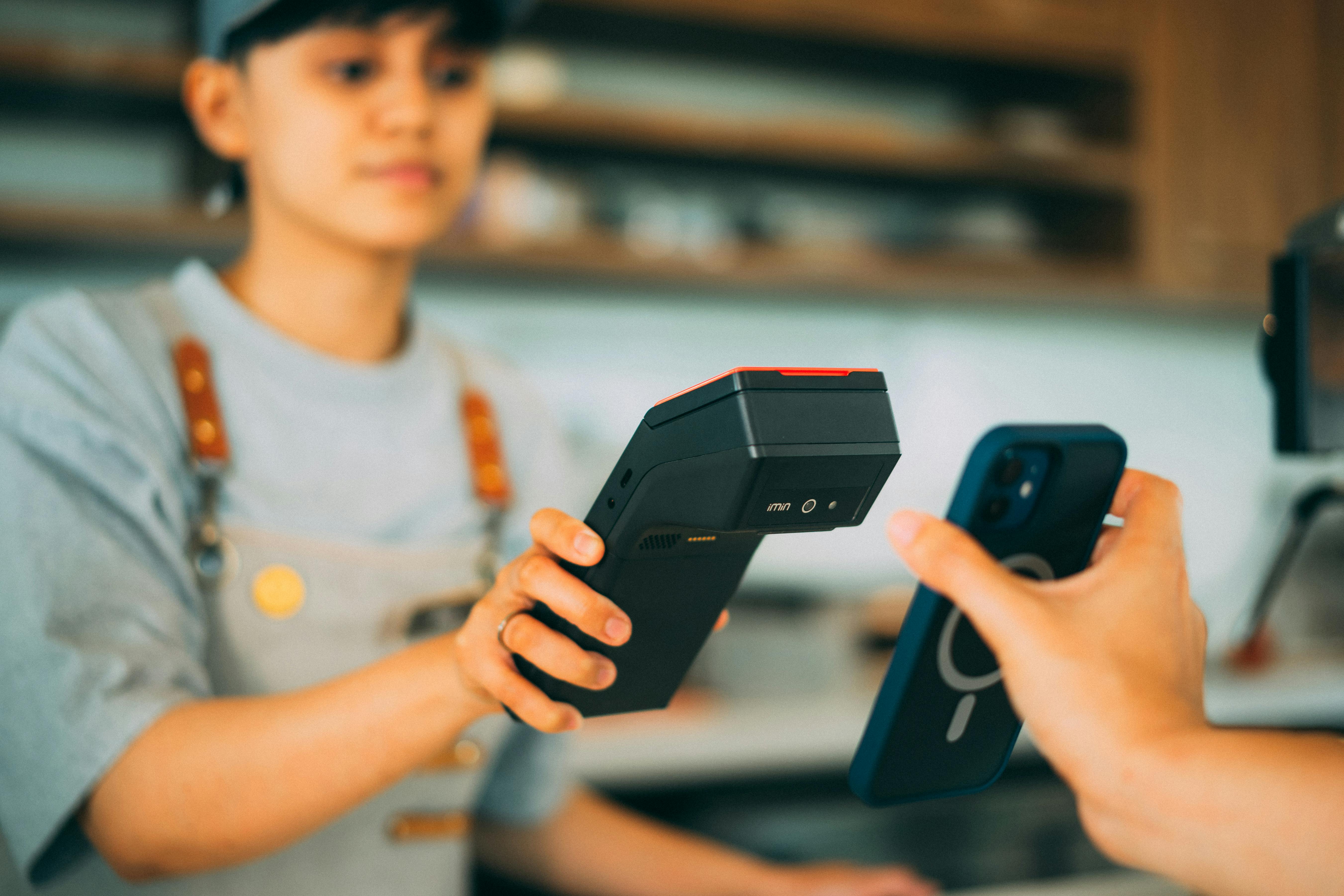
The biggest force behind the shift may be public sentiment. Canadians have grown more vocal about what many call tip inflation, meaning higher default percentages, prompts in nontraditional settings, and pressure to tip on top of tax.
That frustration has been amplified by social media, where payment screen photos and stories about aggressive tip prompts spread quickly. A practice that once felt private at the table is now part of a national conversation about fairness, wages, and consumer pressure.
Restaurants are responding carefully because tipping remains economically important for many workers. Instead of eliminating gratuities altogether, many businesses are choosing softer prompts, clearer wording, and more balanced suggested amounts that feel less confrontational to guests.
What diners and workers can expect next

The likely outcome is not the end of tipping in Canada. Rather, it is a gradual move toward clearer, less inflated, and more transparent systems that better reflect actual wages, team-based service, and customer expectations.
Diners should expect to see more variation from one restaurant to another. Some places will keep traditional voluntary tipping, others will use moderated presets, and a small but growing number will test service-inclusive or fee-based models.
For workers, the transition will remain uneven. In strong establishments, better policy design may produce fairer sharing and fewer customer disputes, but in weaker ones, confusion over tip screens and pooling rules could still create tension until standards become more consistent.



Leave a Reply