
Summer in Canada has long meant gathering around grills, picnic tables, fairgrounds, and community suppers. The country's warmest months are brief, and that has helped turn food into the centerpiece of celebration.
A Short Season Makes Eating Outdoors Feel Urgent

Canada's summer has always carried a sense of scarcity. In much of the country, truly comfortable outdoor weather arrives late and leaves early, so people have historically treated summer meals as a seasonal reward rather than an everyday habit. That urgency matters because celebrations naturally form around what feels temporary and worth savoring.
By contrast, many parts of the United States enjoy longer stretches of warm weather. Outdoor cooking there can be routine from spring into fall, which makes it less ceremonial. In Canada, the first corn boil, lakeside fish fry, or backyard burger night often signals that the season has finally opened.
That compressed calendar intensified food rituals in farming regions as well. Harvest-linked fairs, strawberry socials, church picnics, and midsummer community barbecues became reliable ways to mark the short season. Food was not just served at the event. It was often the event itself.
Settlement Patterns Encouraged Community Meals

Canadian summer celebrations grew out of smaller, scattered communities that relied on organized gathering. In rural Ontario, the Prairies, Atlantic Canada, and parts of Quebec, public life often centered on church grounds, town halls, agricultural fairs, and waterfront commons. Feeding everyone was the easiest way to turn distance into social closeness.
That history produced traditions like lobster suppers in the Maritimes, corn roasts in Ontario, salmon bakes on the Pacific coast, and pancake breakfasts during local festivals in the West. These meals were practical because they could be cooked in volume and shared across generations. They also created a predictable structure for civic life.
American celebrations, especially those tied to national spectacle, often leaned more heavily on parades, fireworks, and organized entertainment. Food was still present, but frequently as an accompaniment. In Canada, especially outside major cities, the communal meal more often remained the main attraction.
Canadian Identity Has Often Been Expressed Through Regional Food
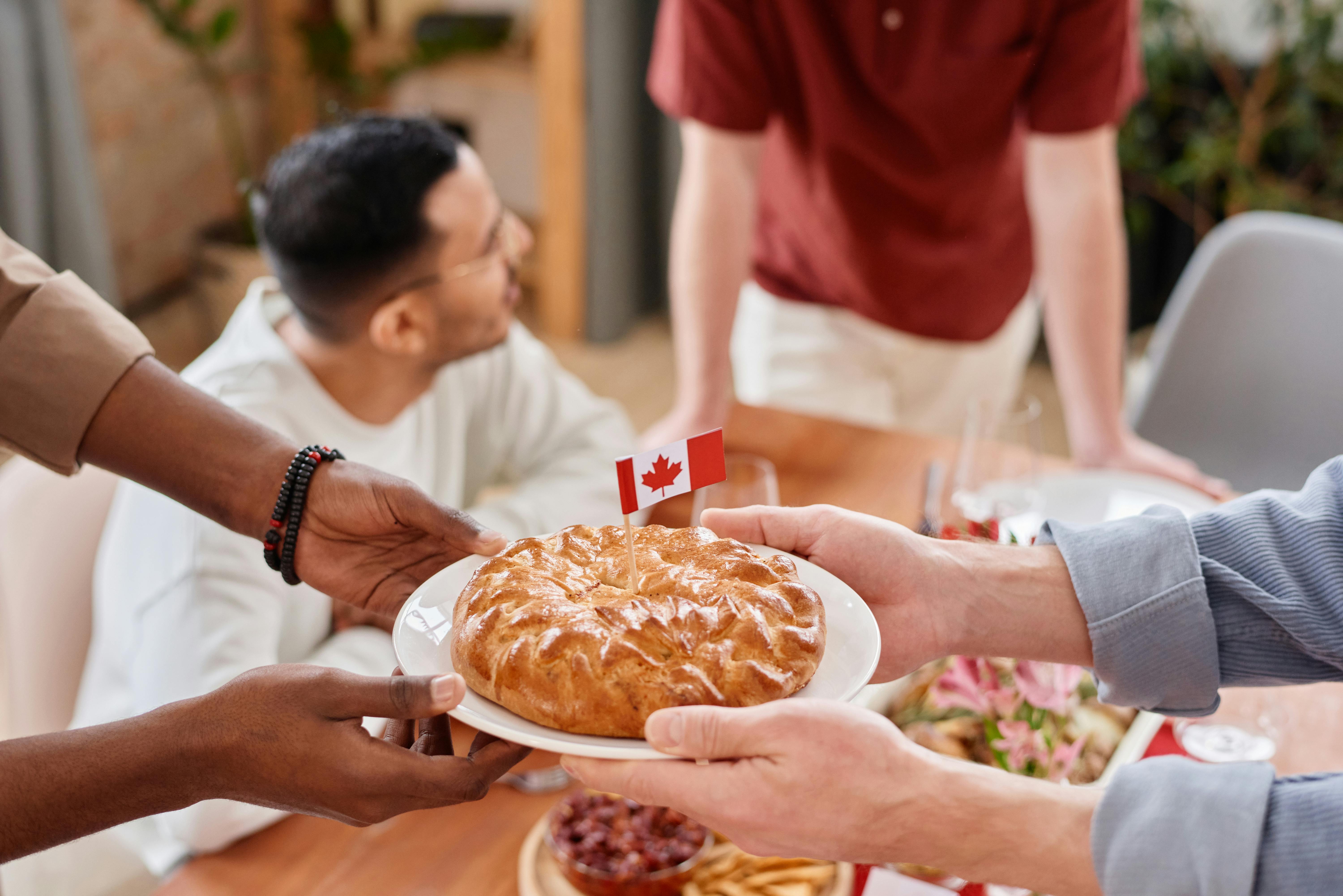
Canada has long struggled with the question of how to express a national identity across vast geography and multiple founding cultures. Food solved part of that problem. A celebration could feel distinctly local and still clearly Canadian through dishes tied to place, season, and migration.
Quebec's Saint-Jean-Baptiste gatherings featured traditional fare, while Indigenous communities maintained seasonal foodways connected to salmon, bannock, berries, and game. Ukrainian, Chinese, South Asian, Caribbean, and other immigrant communities also shaped summer festivals through dumplings, grilled meats, rotis, noodles, and sweets sold at neighborhood events.
This made food more than refreshment. It became a public language of coexistence. Where the United States often projects patriotism through symbols and performance, Canada has frequently made belonging visible through what communities cook, contribute, and share at the same table.
Public Festivals in Canada Were Built Around Fundraising and Feeding People
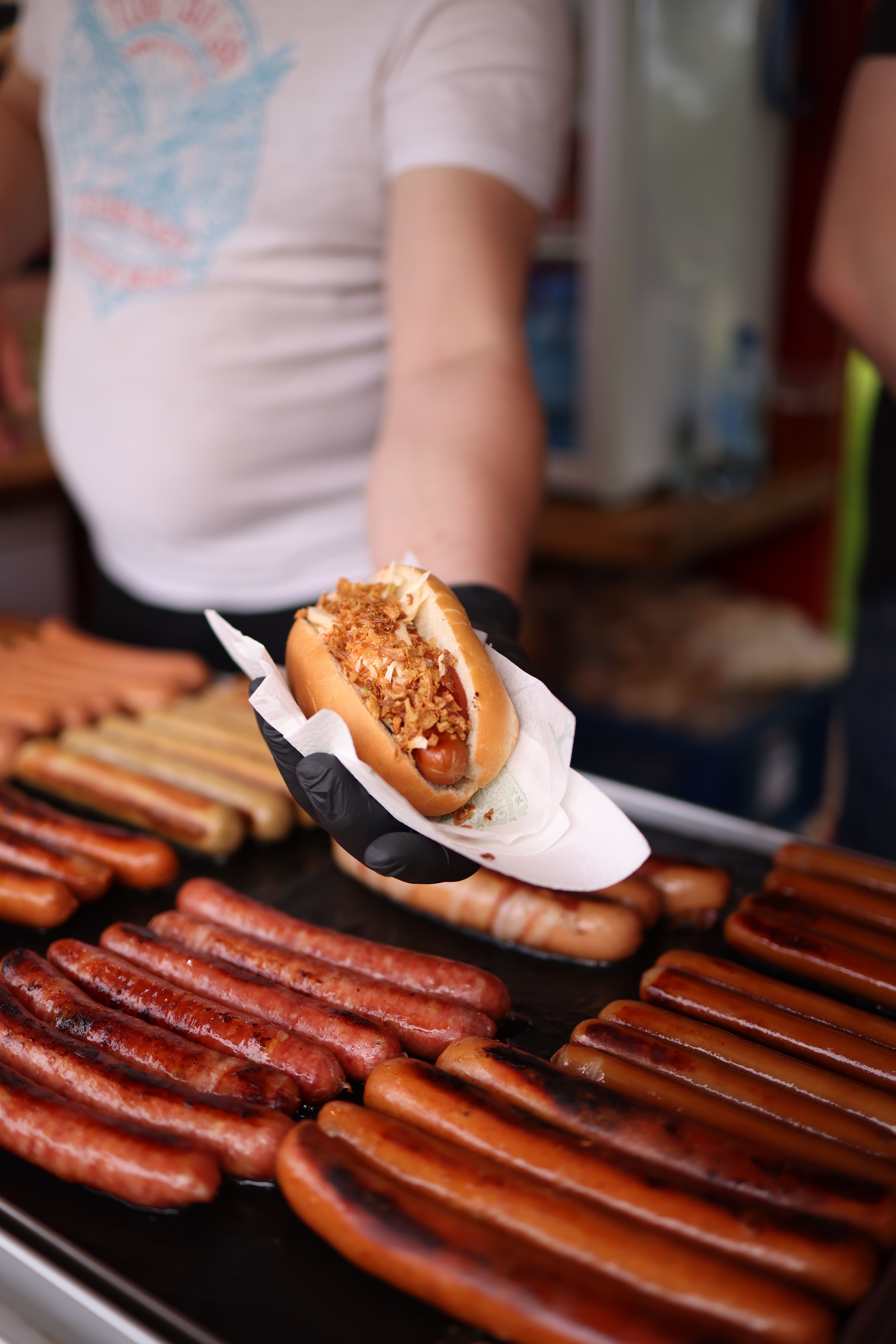
Many classic Canadian summer events were designed not just for amusement, but for community support. Church ladies' auxiliaries, service clubs, volunteer fire halls, agricultural societies, and curling or legion branches often financed local life through summer food events. The pie booth, fish supper, and barbecue line were economic engines.
That financial role shaped programming. Organizers knew that a steady crowd would show up for strawberry shortcake, peameal sandwiches, tourtière, smoked meat, or local seafood. Once food became the main draw, music, games, and raffles fit around it rather than the other way around.
In the United States, larger commercial festival culture developed earlier and at greater scale in many regions. Corporate sponsorship and entertainment infrastructure could carry an event. In Canada, especially in smaller communities, volunteer-run food traditions remained central because they paid the bills and strengthened local institutions.
Geography and Agriculture Gave Celebrations a Strong Regional Menu

Canada's summer celebrations also became food-focused because the land offered dramatic regional abundance all at once. Prince Edward Island had shellfish, British Columbia had salmon and cherries, Quebec had berries and maple products, Ontario had corn and peaches, and the Prairies had beef and grain-fed staples. Seasonal menus practically wrote themselves.
That abundance encouraged festivals built around ingredients rather than abstract themes. Garlic festivals, blueberry socials, ribfests, fall fair baking contests, and roadside farm markets all turned local produce into public identity. Even major urban events often highlight regional specialties because Canadians expect celebrations to taste like the place hosting them.
American summer culture certainly has strong food traditions, from state fair classics to Southern barbecues. But the national scale and climatic variety diffuse them across a longer season. In Canada, short harvest windows and strong regional branding concentrated culinary attention into summer celebrations.
Even National Holidays in Canada Tend to Feel Like Shared Meals
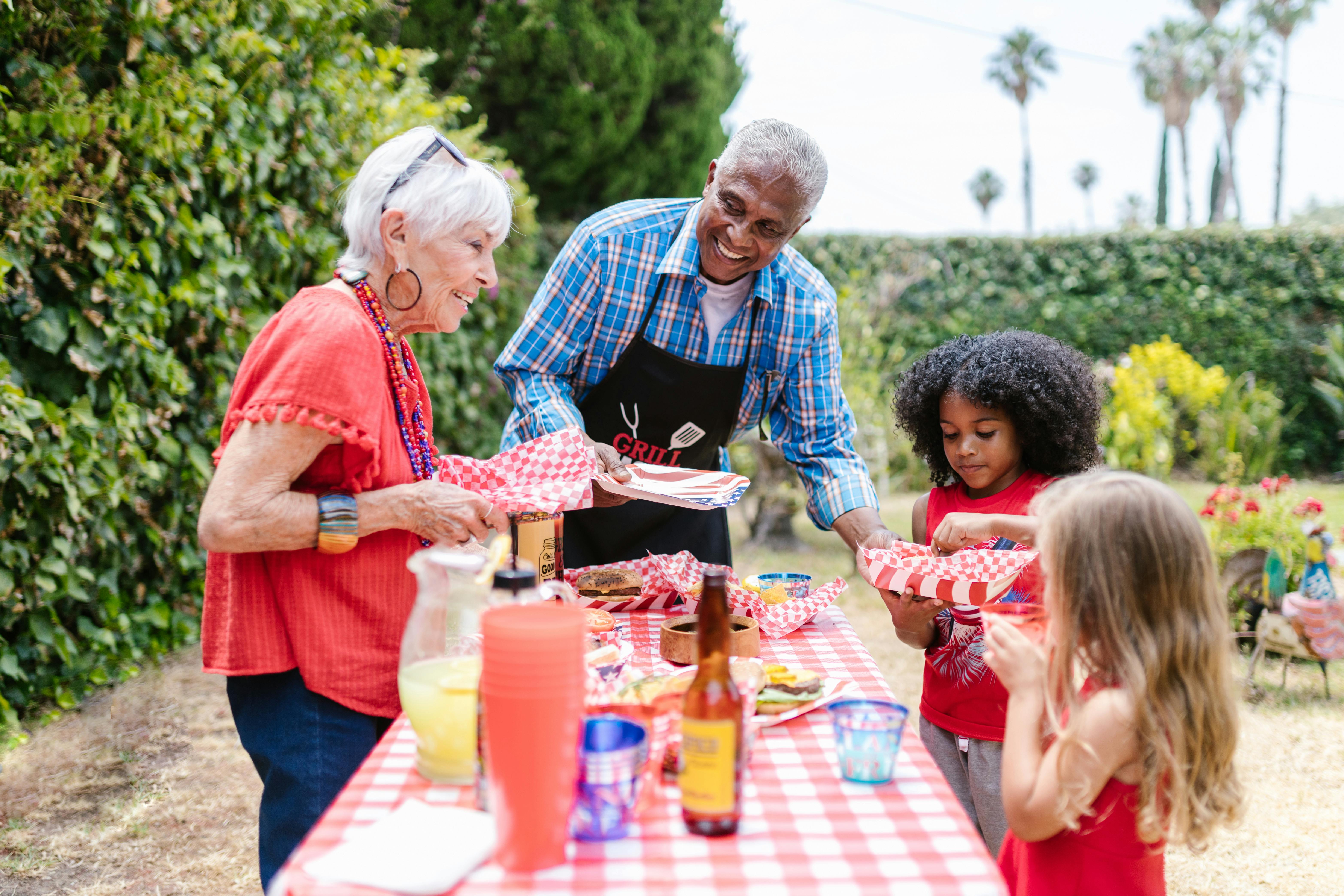
Canada Day is a good example of the broader pattern. Fireworks and concerts matter, but in many communities the memory-making center is still the food, whether that means park barbecues, potluck salads, fry bread, grilled sausages, or strawberry desserts topped with whipped cream. The meal anchors the day in a tangible way.
The same holds for cottage weekends, regattas, stampedes, and hometown fairs. Ask people what they remember, and they often mention butter tarts, corn on the cob, pickerel dinners, poutine, or ice cream before they mention speeches. Food creates a sensory record that spectacle alone rarely matches.
That is why Canadian summer celebrations have remained more food-focused. The short season, regional abundance, volunteer traditions, and local identity all point people back to the table. In Canada, summer is not only something to watch. It is something to taste together.


Leave a Reply