
It only takes one plate of spaghetti with meat sauce or one slice of thick Canadian pizza to notice it. Canadian Italian food may borrow Italy's language and symbols, but its flavor was built in a very different world.
Immigration changed the cuisine from the very beginning

Canadian Italian food began with migration, not replication. Large numbers of Italians arrived in Canada in the late 19th century and, more significantly, after World War II, bringing regional habits from southern Italy, Sicily, Abruzzo, Calabria, Campania, and Veneto rather than one unified national cuisine.
That detail matters because Italy itself was, and still is, intensely regional. A Calabrian family cooks differently from a Venetian one, and when those traditions landed in Toronto, Montreal, Hamilton, and Windsor, they mixed together in new ways that would have been unusual back home.
Many immigrants also came from poorer rural backgrounds, where cooking was practical, hearty, and seasonal. In Canada, those cooks adapted old methods to new conditions, creating dishes that felt Italian in spirit but quickly became Italian Canadian in taste, portion, and presentation.
Canada's climate and agriculture pushed recipes in new directions
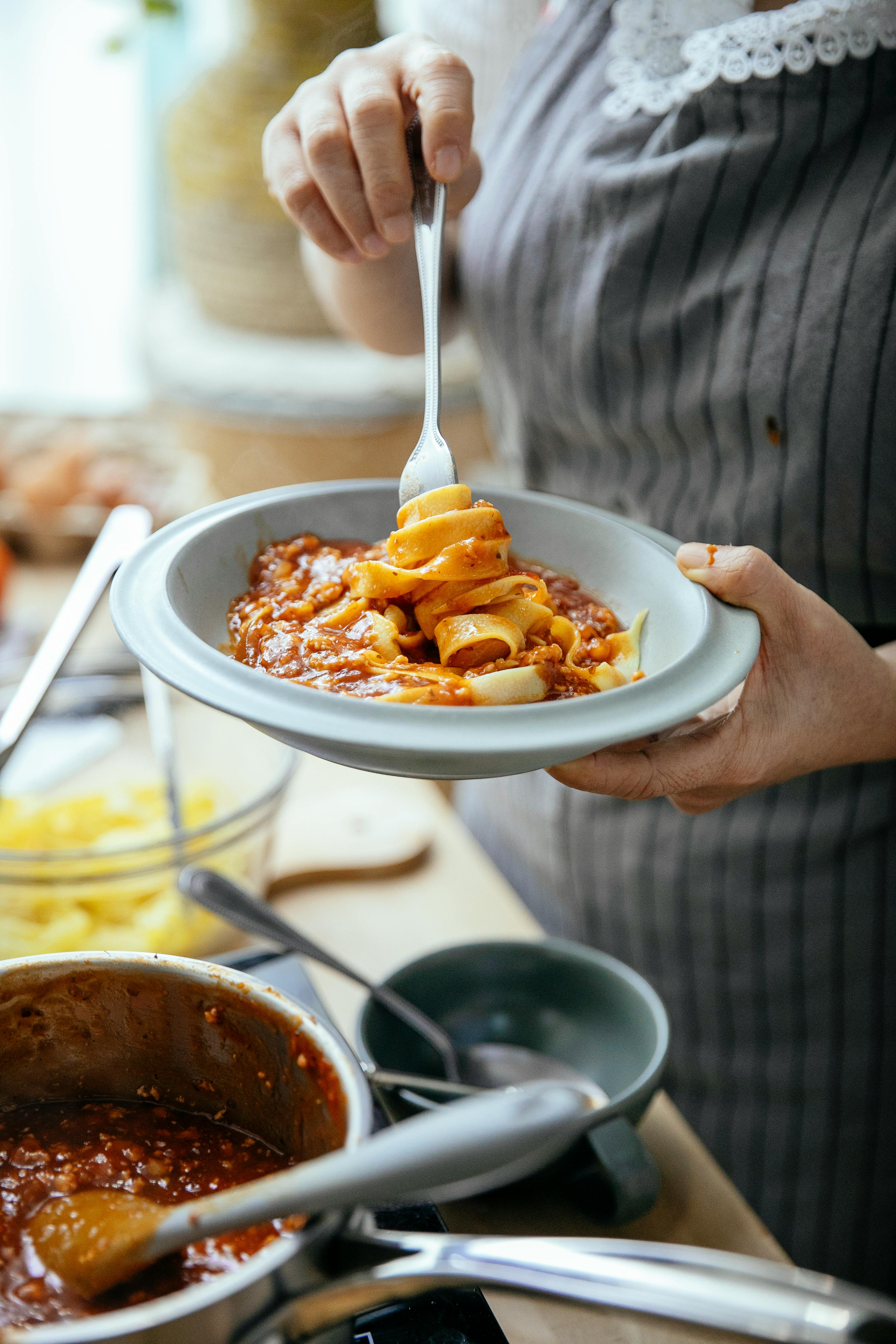
The Canadian environment forced change at the stove. Italy offers olive groves, Mediterranean herbs, and long growing seasons, while Canada brings harsh winters, shorter harvest periods, and a food system shaped by preservation, freezing, curing, and bulk storage for much of the year.
That difference encouraged heavier sauces, baked casseroles, richer meat dishes, and meals designed to satisfy during cold weather. Tomato sauce became deeper and often sweeter, not only because of taste preferences but because canned tomatoes and preserved ingredients became kitchen staples for immigrant households.
Local supply mattered too. Ontario greenhouse tomatoes, Prairie beef, Quebec cheese production, and Atlantic seafood all influenced what was possible. Over time, cooks built a cuisine around what Canadian markets reliably offered, and that made the food diverge further from the lighter, more ingredient-driven style common in many parts of Italy.
Restaurants helped create a new Italian Canadian standard
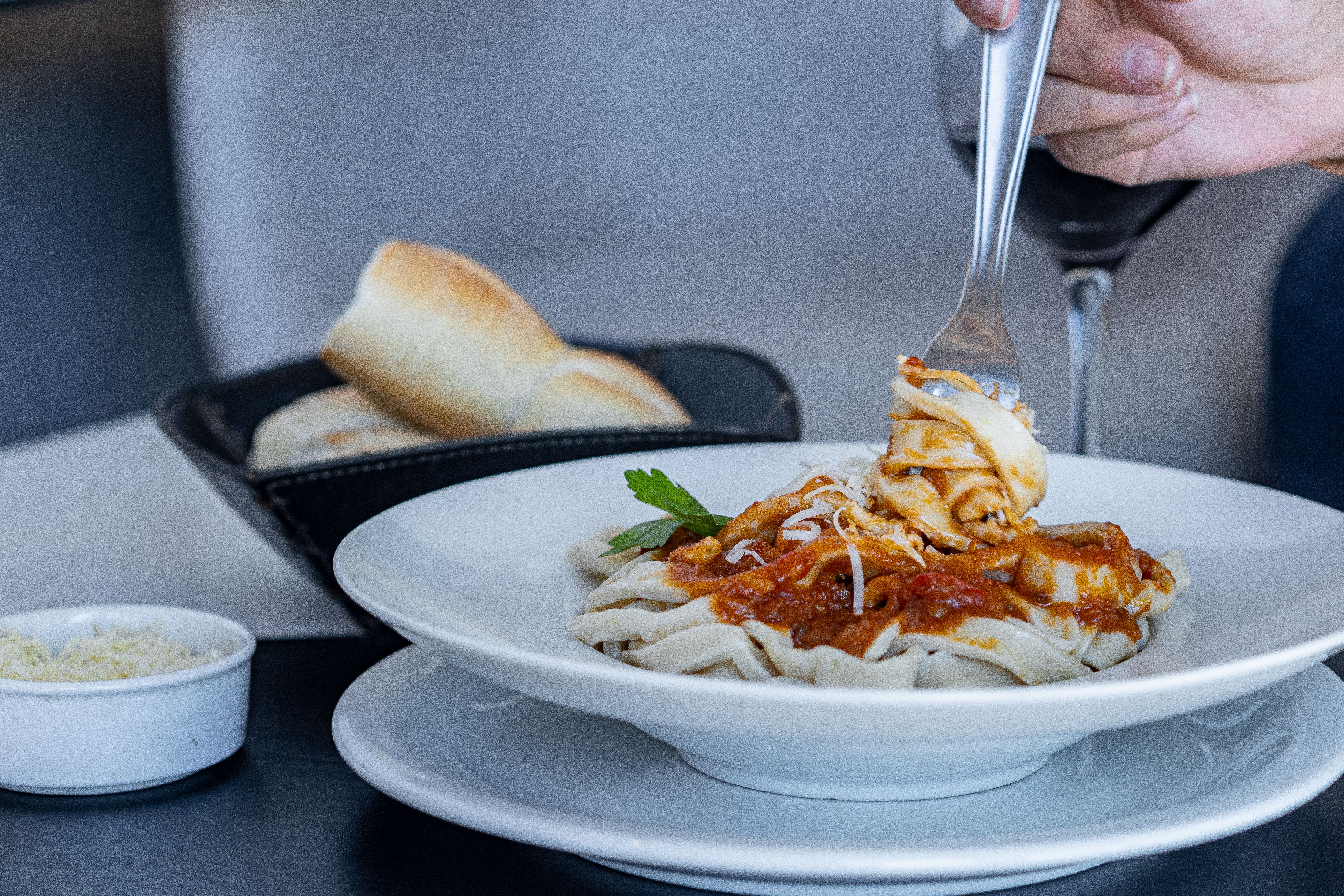
The restaurant business had enormous influence. Once Italian families moved from home kitchens into trattorias, banquet halls, pizzerias, and red-sauce dining rooms, they had to serve not just fellow immigrants but broader Canadian audiences who expected abundance, familiarity, and strong, comforting flavors.
That is one reason portions became dramatically larger than in Italy. Pasta was often treated as the main event instead of one course among several, while garlic bread, creamy dressings, chicken parmigiana, and loaded pizzas became menu anchors because they sold well and matched local expectations of value.
By the 1970s and 1980s, these dishes were no longer temporary compromises. They had become a stable commercial cuisine. In many Canadian cities, the neighborhood Italian restaurant was serving a hybrid language of southern Italian memory, North American hospitality, and market-driven adaptation.
Canadian tastes rewarded richness, sweetness, and excess
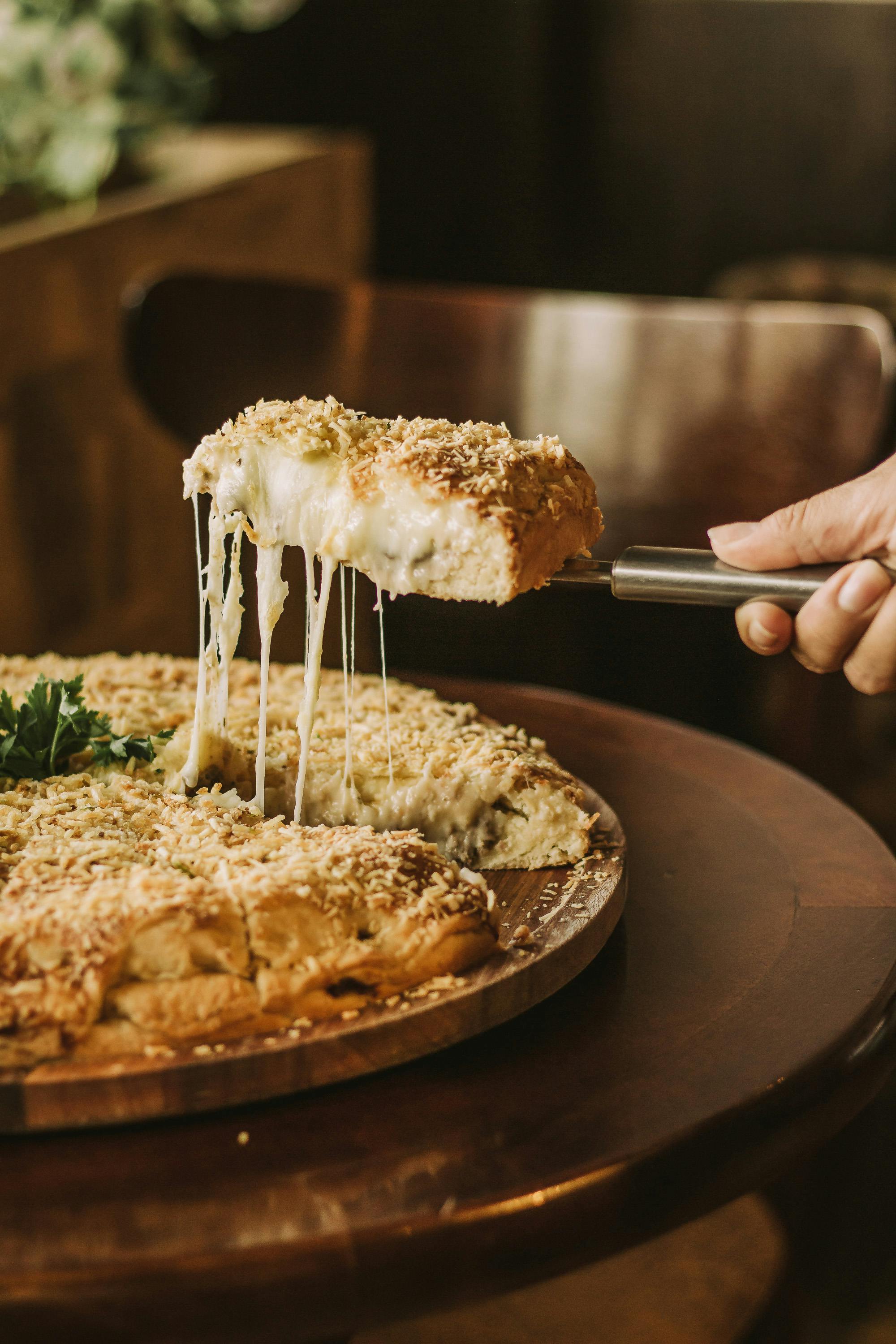
Taste is cultural, and Canadian diners helped shape the final result. Compared with many traditional Italian dishes, Canadian Italian food often leans toward more cheese, more sauce, more meat, and a slightly sweeter profile, especially in tomato-based preparations sold through family restaurants and takeout counters.
Pizza offers a clear case study. In Italy, many pizzas are restrained and ingredient-specific. In Canada, styles evolved toward thicker crusts, heavier mozzarella coverage, layered toppings, and pan-friendly formats designed for groups, delivery, and late-night eating rather than the quick personal pies common in Naples or Rome.
The same pattern appears in pasta. Alfredo sauces grew richer, baked pasta dishes became denser, and meat sauces expanded in scale. None of that happened by accident. It reflected the preferences of generations raised on comfort food in a country where restaurant indulgence carried real appeal.
Italian identity in Canada became something proudly its own
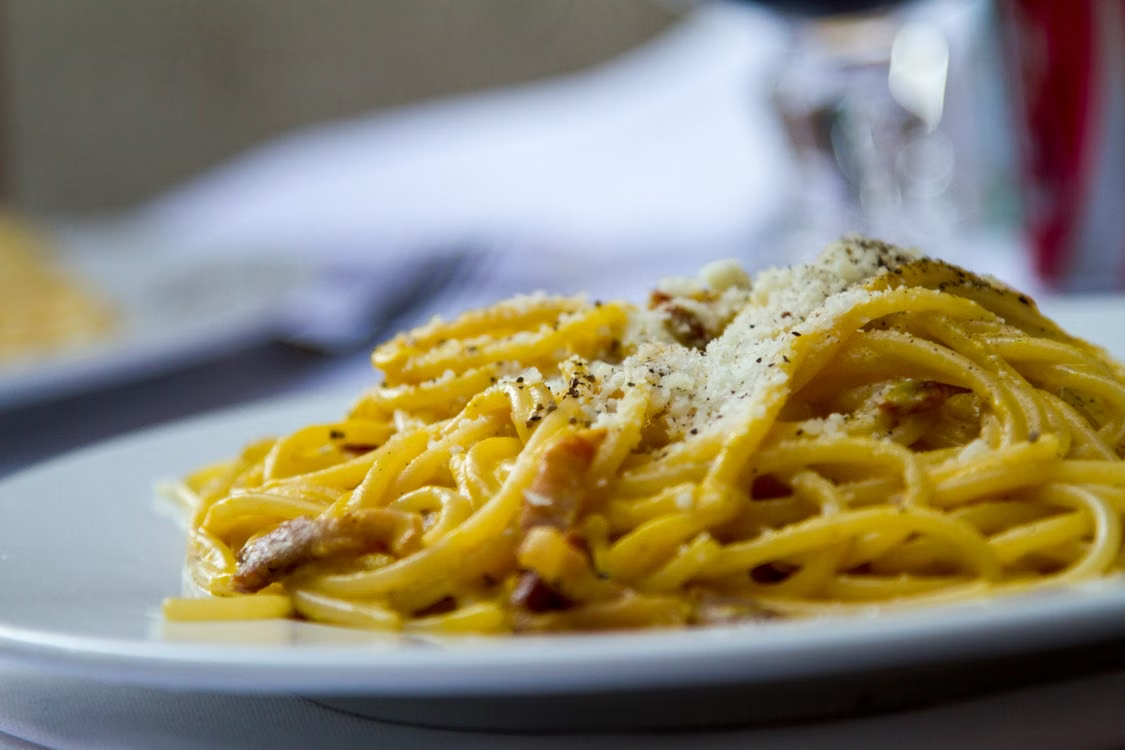
Over time, the food stopped trying to prove its authenticity to Italy. Italian Canadians built a culinary identity that expressed memory, success, hospitality, and family life in Canada, particularly in communities where Sunday sauce, lasagna, veal sandwiches, and deli counters became markers of belonging.
Cities reveal this clearly. Toronto's Little Italy, Montreal's Saint-Léonard and Rivière-des-Prairies influences, and Hamilton's long-established Italian neighborhoods all show how bakeries, social clubs, and family-run restaurants preserved roots while normalizing local inventions that Italians elsewhere might barely recognize.
That process is common in diaspora cuisines worldwide. Just as Chinese American or Lebanese Brazilian cooking became distinct traditions, Italian Canadian food developed its own rules. The result is not confusion or failure. It is a successful immigrant cuisine shaped by a specific national experience.
The biggest reason is that Canadian Italian food is a different cuisine
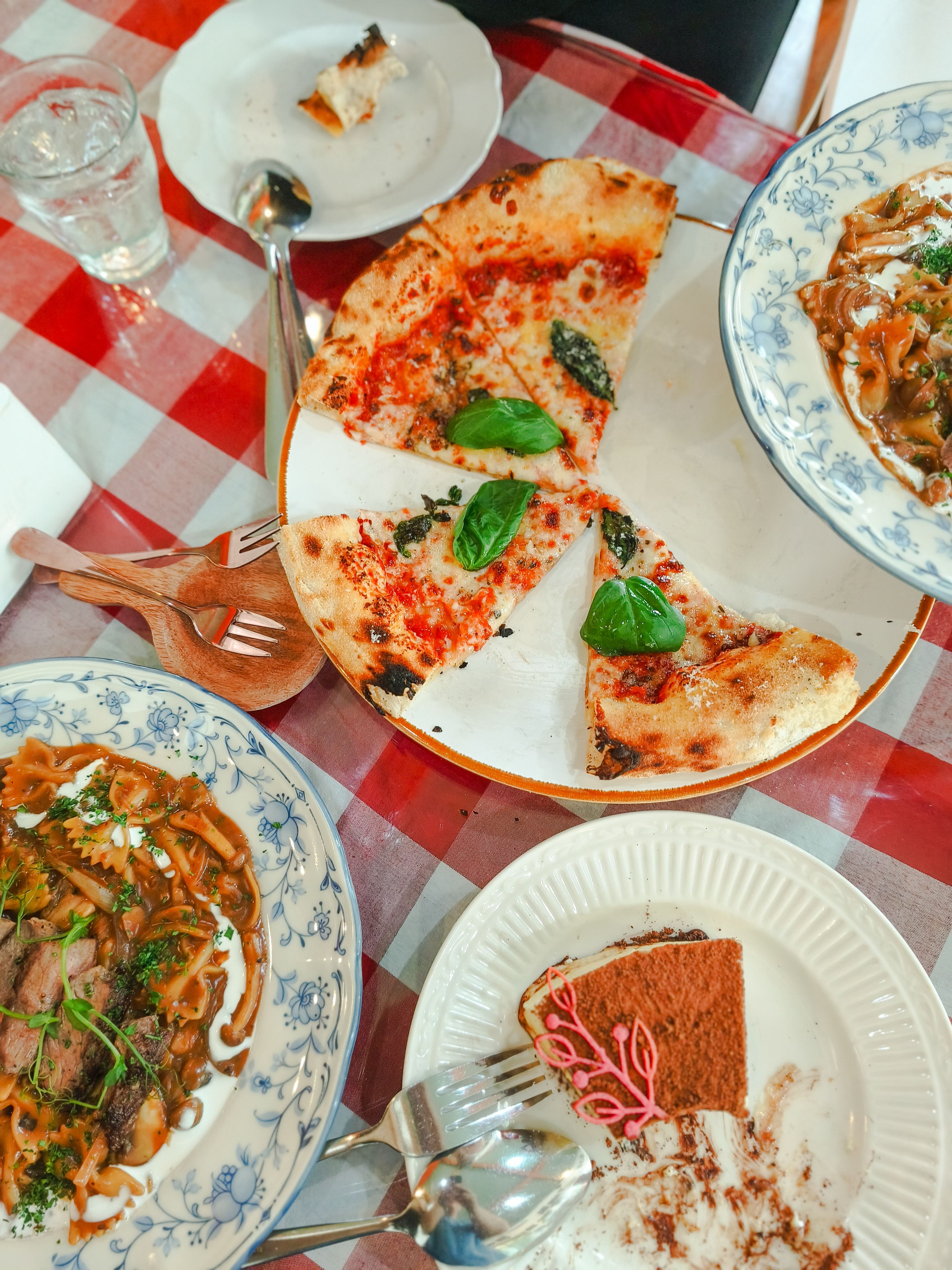
The simplest explanation is also the most accurate. Canadian Italian food tastes different because it is different. It was formed by migration, economics, weather, agriculture, restaurant culture, and the tastes of millions of Canadians over more than a century.
Authenticity debates often miss that point. Food historians regularly note that diaspora cuisines preserve some old habits while inventing others. In Canada, that produced a style that may include familiar names like gnocchi, sausage, pizza, and tiramisu, yet delivers them in forms Italy itself did not create.
So when Canadian Italian food tastes unlike Italian food elsewhere, that is not a mistake to correct. It is evidence of history on the plate. Every sweet sauce, oversized cutlet, and bubbling baked pasta tells the story of people who adapted, prospered, and cooked a new tradition into existence.




Leave a Reply