
Dining rooms are noticing a change before many menus say it out loud. More guests are arriving hungry enough to order, but not hungry enough to finish what once felt normal.
Smaller appetites are becoming a real menu problem
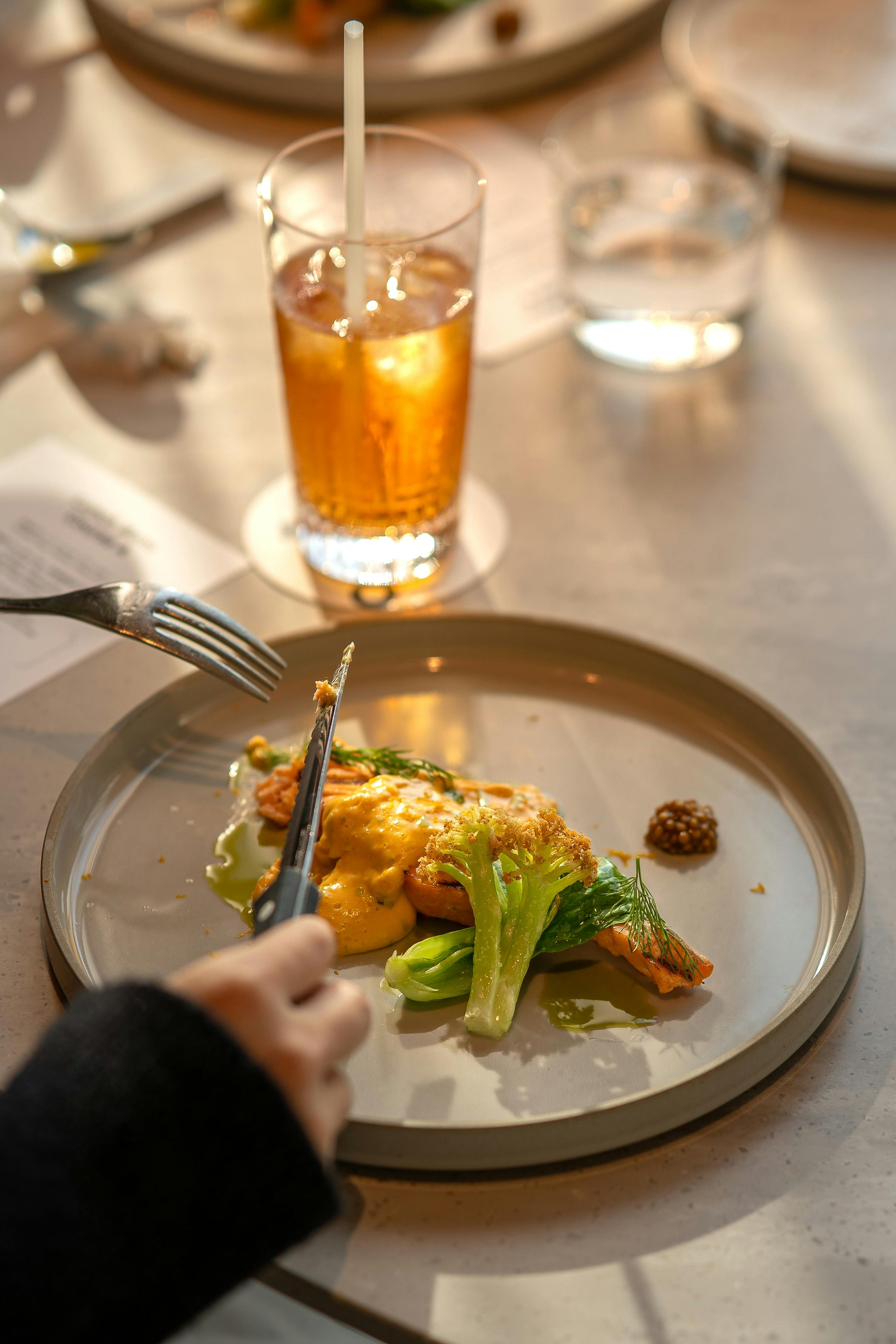
The rise of GLP-1 medications such as Ozempic, Wegovy, and Mounjaro has changed eating habits far beyond the doctor's office. These drugs slow gastric emptying and reduce appetite, which means many users feel full faster and stay full longer. For restaurants built around abundance, that creates a practical challenge.
According to reporting from Reuters and industry analysts tracking consumer behavior, some operators are seeing more split plates, more leftovers, and more hesitation around large entrees. Diners who once ordered appetizers, mains, and dessert may now stop at one course. That shift matters when restaurant profit models depend on average check size.
The issue is not limited to people taking the medications. Their preferences can ripple through households and dining groups. If one person wants a lighter plate, the entire table may order differently, share more, or skip add-ons that used to lift the final bill.
Menus are being reworked in subtle, strategic ways

Restaurants rarely advertise that a dish was designed for GLP-1 users. Instead, they are making quieter adjustments that feel broadly appealing, such as half portions, petite entrees, sampler formats, and more a la carte sides. The idea is to meet changing demand without making the menu feel clinical.
Fast-casual chains and independents alike are experimenting with bowls, protein-forward plates, and smaller combination meals. Some are adjusting the physical composition of dishes by reducing starch-heavy components and emphasizing lean proteins and vegetables. That approach fits diners seeking satiety without volume.
Menu engineers also know that language matters. Terms like lighter, shareable, perfectly portioned, and pick two can attract customers who want flexibility without the stigma of eating less. In a business where presentation shapes perception, these wording choices can protect both dignity and sales.
Portion size is now tied directly to restaurant economics
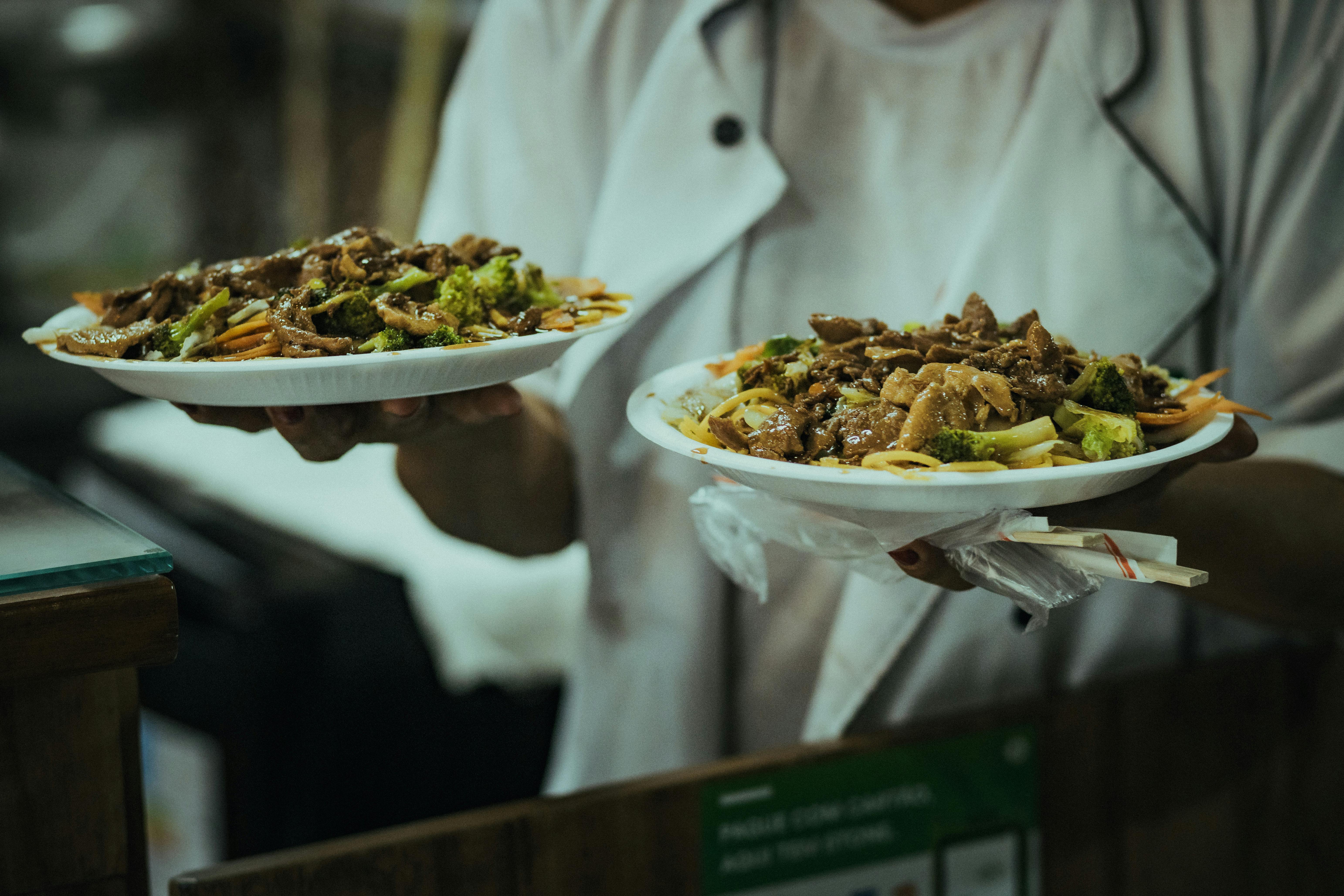
For decades, large portions helped restaurants project value. Customers felt they were getting more for their money, even if food waste followed. Now that equation is shifting, because oversized plates can look less generous than inefficient when many guests cannot finish them.
Smaller portions create both risk and opportunity. A reduced plate at the old price can alienate customers, but a right-sized meal can improve food costs, reduce waste, and raise satisfaction. Operators must balance margin, psychology, and repeat business all at once.
Some chefs and consultants say this is pushing restaurants toward more precise costing and tighter menu design. If fewer fries are left untouched and fewer oversized pastas are scraped into the trash, the kitchen gains efficiency. In that sense, the Ozempic effect may accelerate changes the industry already needed to make.
Fine dining and casual chains are adapting differently
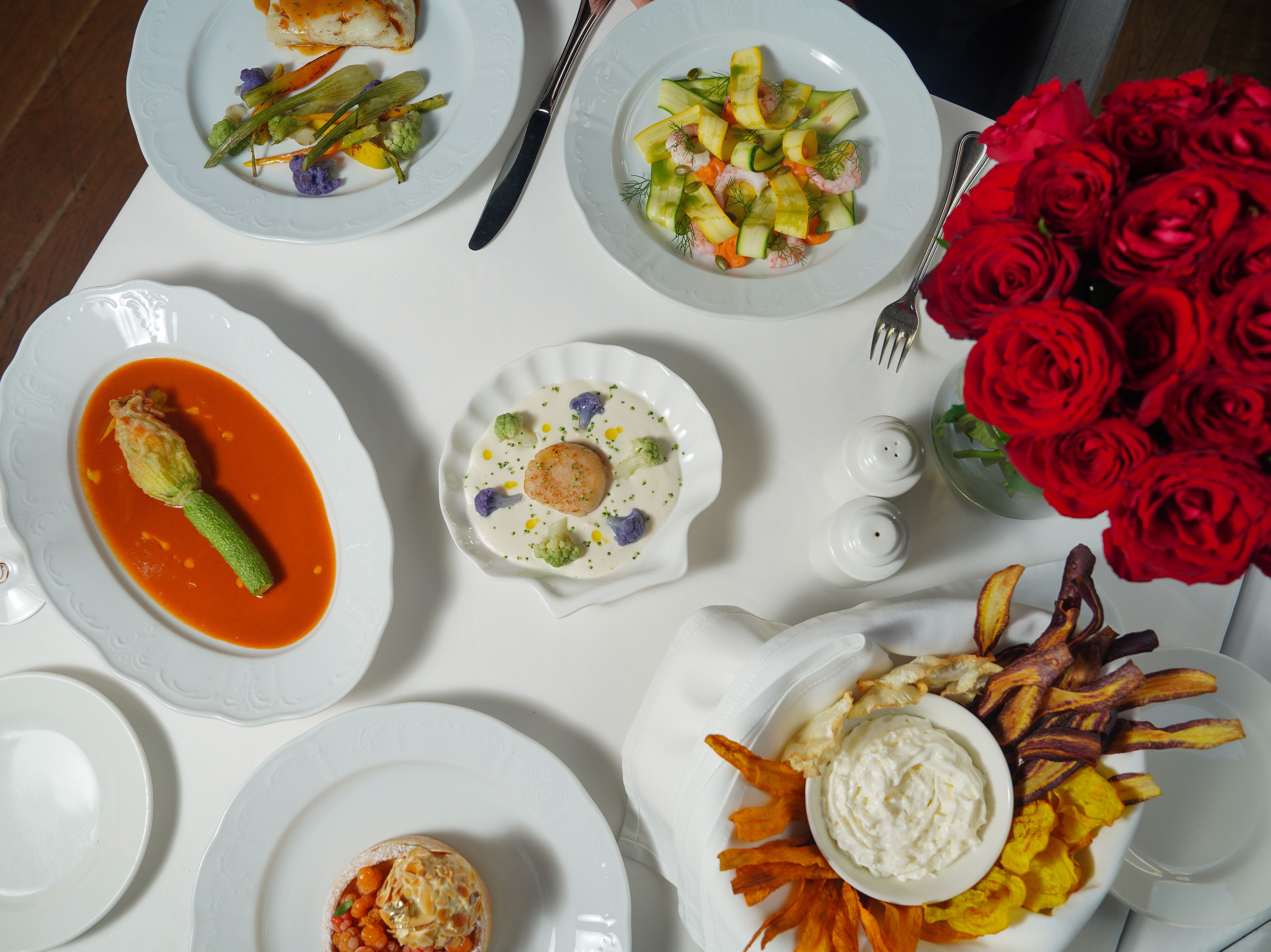
A white-tablecloth restaurant and a neighborhood grill do not respond to appetite changes in the same way. Fine dining already works with smaller courses, tasting menus, and highly controlled portions, so the adjustment can be relatively smooth. In some cases, these restaurants are simply seeing more guests decline supplements like cheese courses or dessert.
Casual chains face a more visible challenge because they built brand identity around big plates and indulgence. Family dining, bar-and-grill concepts, and value-driven chains are under greater pressure to offer half portions or customizable meals without undermining their image. That is a harder redesign.
Several brands have also expanded shareables and snack-style sections, which let diners control quantity more easily. This move helps restaurants keep guests engaged even when they no longer want a traditional starter-to-dessert progression. Flexibility, more than size alone, is becoming the key selling point.
Health expectations are changing what diners consider satisfying
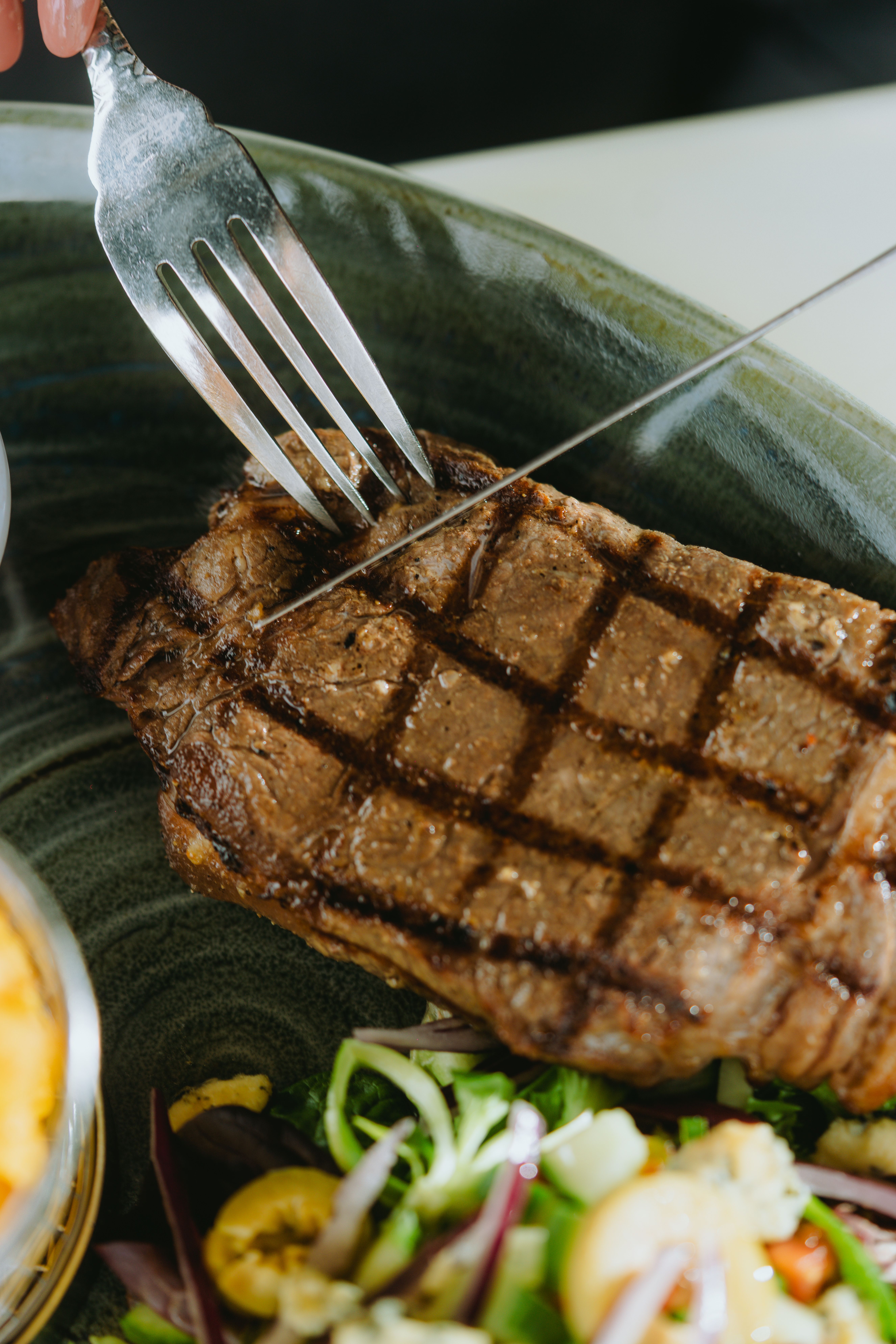
The Ozempic effect is not only about eating less. It is also reinforcing a wider cultural move toward meals that feel cleaner, lighter, and easier to digest. Diners increasingly want food that delivers protein, fiber, and flavor without leaving them overfull for the rest of the day.
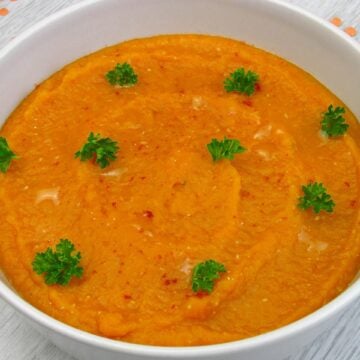
That expectation is influencing ingredients as much as portion sizes. Menus now lean harder on grilled proteins, broth-based soups, roasted vegetables, cottage cheese, yogurt sauces, legumes, and lower-sugar beverages. Restaurants are noticing that fullness is no longer the only marker of value.
Nutrition experts often point out that appetite suppression changes meal behavior, but not the need for balanced nourishment. That is why smart operators are not simply shrinking plates. They are trying to build smaller meals that still feel complete, satisfying, and worth paying restaurant prices for.
This shift may outlast the current drug boom

Even if demand for GLP-1 medications eventually levels off, the menu changes they sparked could remain. Once customers get used to more flexible portions, cleaner compositions, and less waste, many will not want to return to a culture of automatic excess. Restaurants are paying attention to that possibility.
There is also a generational angle. Younger diners have already shown interest in customization, wellness, and paying for exactly what they want rather than a one-size-fits-all plate. The current appetite shift fits naturally into those preferences, which makes it more than a temporary medical side effect.
In that sense, the Ozempic effect may be remembered less as a diet trend and more as a restaurant reset. It is pushing the industry to reconsider what a satisfying meal looks like, how value is measured, and why smaller can sometimes feel smarter for everyone at the table.


Leave a Reply