
A great steak is usually won or lost before the heat ever touches it. The most common mistake is simple, but it quietly ruins everything that comes after.
Cold and Wet Meat Is the Real Problem
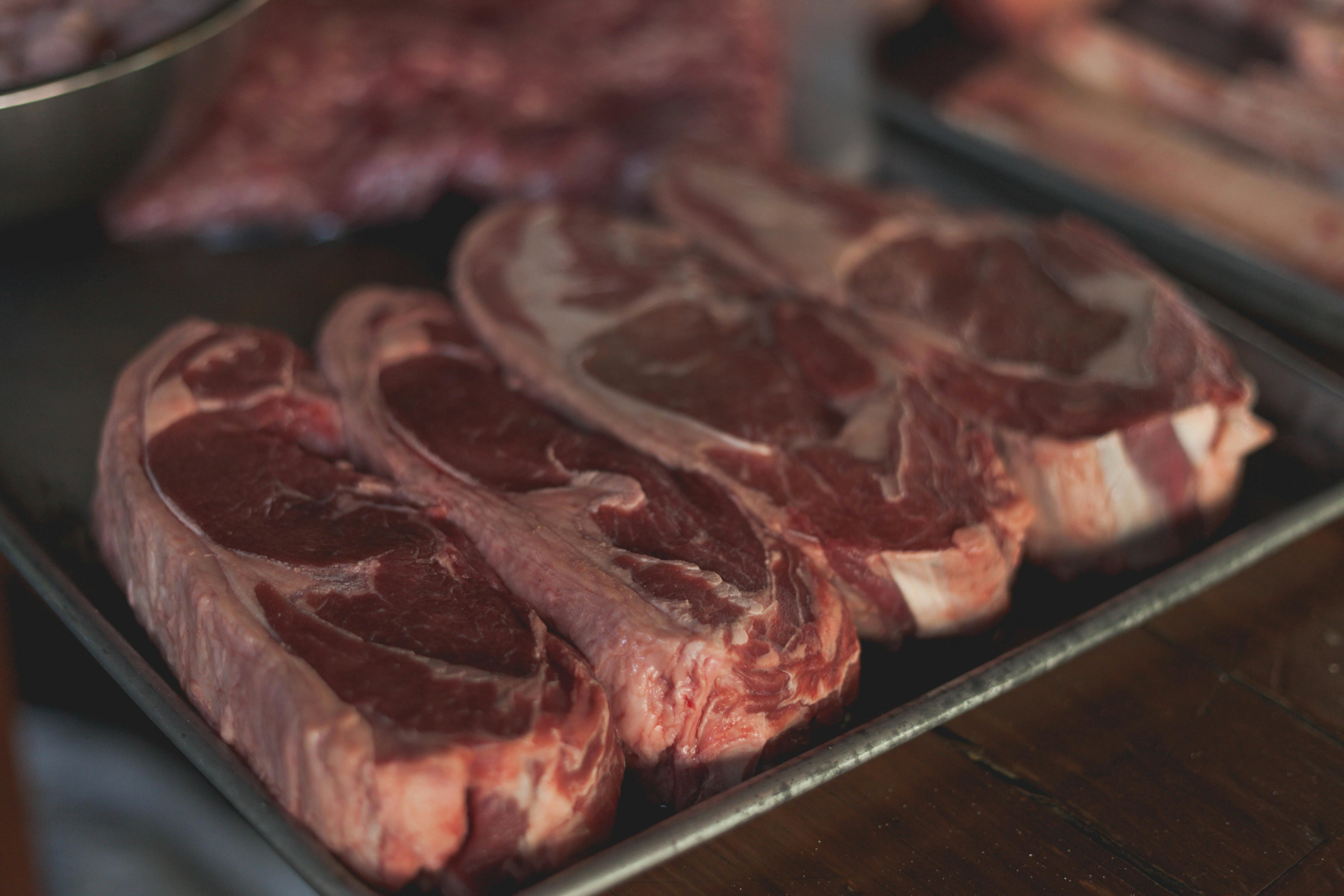
The biggest pre-pan mistake is cooking steak straight from the refrigerator while its surface is still damp. That combination forces the pan to spend its energy warming moisture instead of browning meat. In practical terms, you get steaming before searing, and steaming is the enemy of crust.
Surface water matters more than many home cooks realize. When water hits a hot pan, it must evaporate before browning can begin, and that delays the Maillard reaction, the chain of reactions responsible for deep flavor and a rich brown crust. According to food science research, that reaction accelerates best when the surface is dry and hot.
Cold steak adds another problem. A chilled center is not automatically disastrous, but a cold exterior slows down browning and can increase the gap between the overcooked outer band and the properly cooked middle. The result is often a gray ring, less tenderness, and a steak that looks flatter in both color and taste.
Why Browning Fails Before Cooking Even Starts

Here is the key idea: pans sear food, but only if the meat is ready to be seared. If a steak goes into the pan wet, the temperature at the surface drops quickly. That loss of heat turns an ideal searing environment into a shallow steaming chamber.
Professional kitchens avoid this by treating moisture as a serious obstacle. Cooks pat steaks dry aggressively with paper towels, often more than once, because even a thin sheen of moisture can interfere with crust formation. This is one reason restaurant steaks often develop a darker, more even sear than home-cooked ones.
The chemistry is straightforward. Browning requires direct contact, sufficient heat, and a relatively dry surface. If any one of those is missing, flavor development stalls. That is why a steak can be expensive, well-marbled, and properly seasoned yet still come out underwhelming if it enters the pan cold and damp.
The Room-Temperature Debate, Explained Clearly
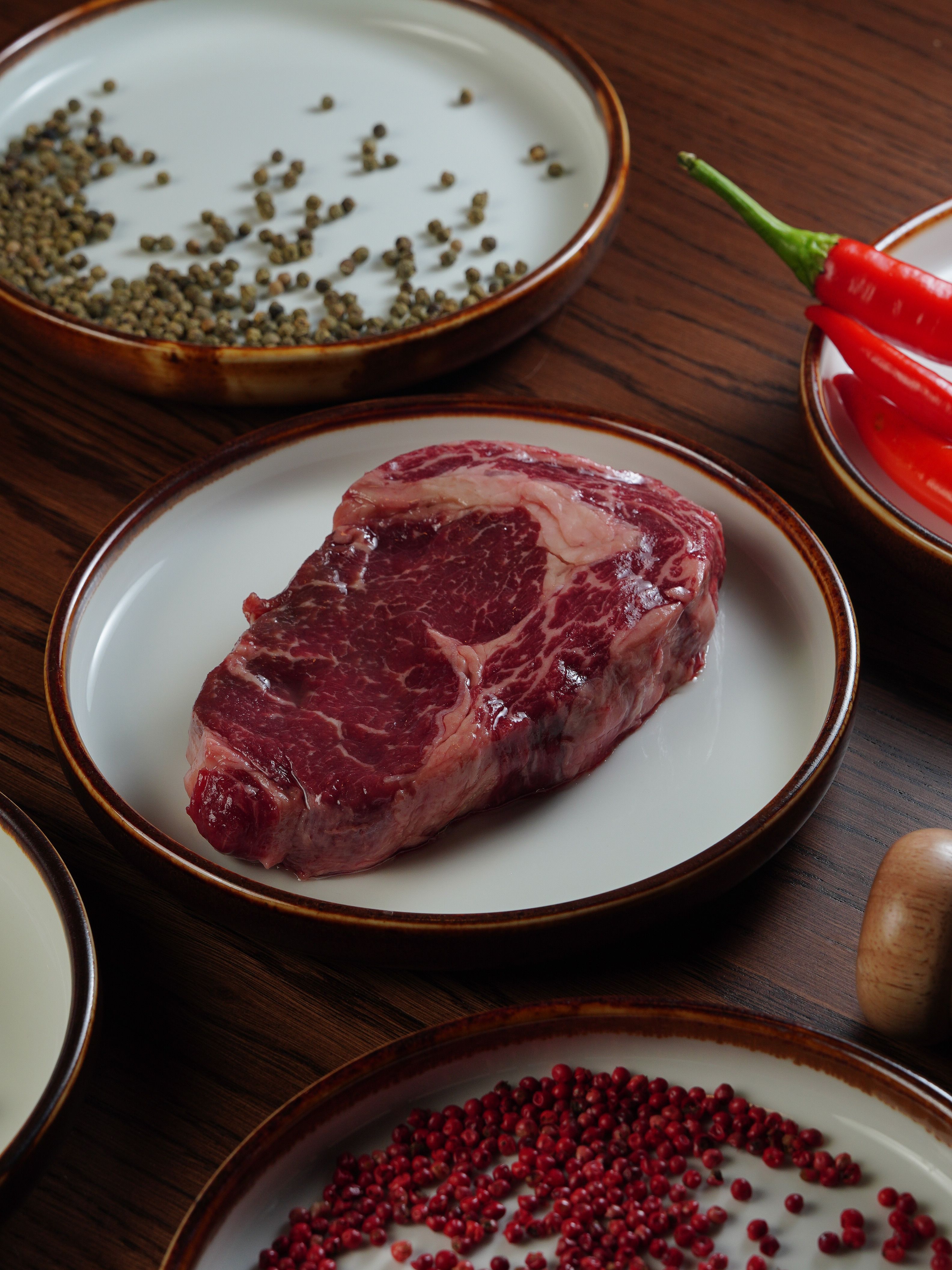
Many cooks have heard that steak should sit out before cooking, but the advice is often overstated. Letting a thick steak rest at room temperature for 20-30 minutes will not fully warm the center, as tests by serious cooking publications have shown. Still, the short rest can take the chill off the surface, which is useful.
The real value of this rest is surface readiness, not dramatic internal warming. During that time, you can season the steak and let some exterior moisture evaporate. Combined with thorough drying, this creates a better setup for browning than moving meat straight from fridge to pan.
Food safety still matters. Do not leave steak sitting out for extended periods, especially in a warm kitchen. A short, controlled rest is enough for most cuts, and the larger priority remains dryness. If you must choose only one corrective step, drying the surface well matters more than chasing a perfectly room-temperature steak.
Salt Helps, But Timing Matters

Seasoning is not the mistake, but poor timing can contribute to it. Salt initially pulls moisture to the surface through osmosis. If you salt a steak and throw it into the pan a minute later, that extra moisture can interfere with browning just when you need a dry exterior most.
There are two smart windows. Salt immediately before cooking, after patting dry, or salt at least 40 minutes ahead so the drawn-out moisture has time to dissolve the salt and move back into the meat. That second method acts like a light dry brine and can improve both flavor and surface browning.
Many butchers and chefs prefer advance salting for thick cuts like ribeye or strip steak. It seasons more deeply and helps the meat retain moisture during cooking. The important point is consistency: dampness on the surface should never be ignored, even when that moisture came from seasoning rather than the refrigerator.
How to Prep Steak the Right Way
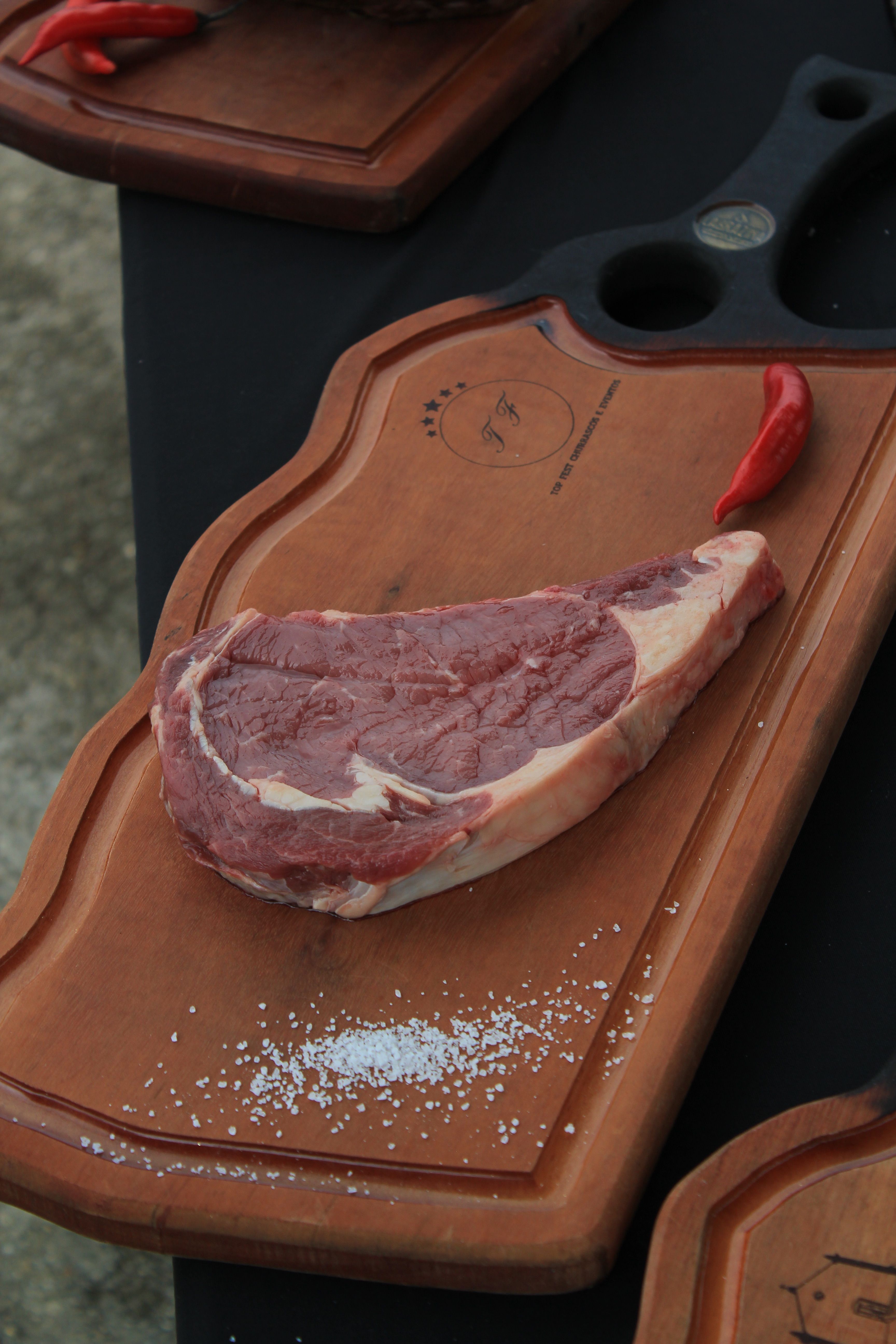
The best routine is simple and repeatable. Remove the steak from the refrigerator 20-30 minutes before cooking if time allows. Pat it very dry on all sides, season thoughtfully, and pat again if needed before it goes into the pan.
Use paper towels generously and do not be timid. If the steak looks glossy, it is still carrying too much surface moisture. A properly prepped steak should look dry, not desiccated, with seasoning adhering lightly instead of dissolving into a wet film.
Thickness also changes your approach. A thin steak can overcook before it forms a deep crust, so dryness becomes even more important. A thicker steak gives you more flexibility, but it still benefits from the same fundamentals: less surface moisture, less exterior chill, and better contact with a fully heated pan.
Small Fix, Big Improvement
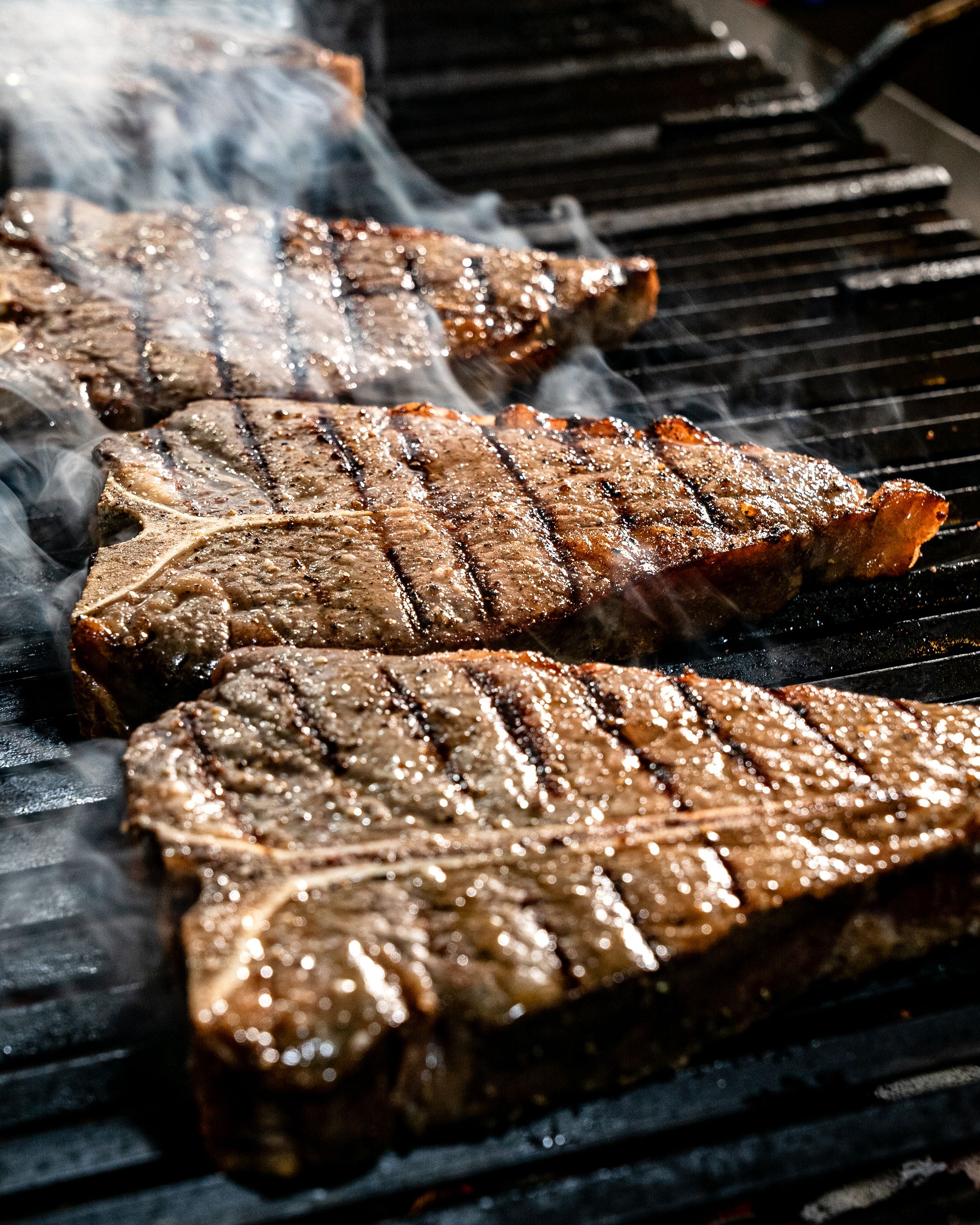
What makes this mistake so frustrating is that it is easy to miss. People blame the pan, the oil, the cut, or the stove, when the real problem started during prep. In many home kitchens, better steak is not about buying prime beef. It is about removing moisture and managing temperature before cooking.
This one correction can transform the final result. You get faster browning, a more flavorful crust, and a cleaner contrast between the seared exterior and juicy center. For something so small, it has outsized impact, which is exactly why experienced cooks pay such close attention to it.
If you want steakhouse results at home, start before the pan does its job. Dry the steak thoroughly, take the refrigerator chill off when practical, and respect the science of browning. That single habit will improve almost every steak you cook from this point forward.




Leave a Reply