
Dry bread usually has a simple cause, and it often has a simple fix. In many home recipes, the smartest upgrade is swapping some or all of the water for milk.
Why bread turns dry in the first place

Most dry bread is not ruined by bad luck. It comes from a formula that does not hold moisture well enough after baking and cooling. Lean doughs made with only flour, water, yeast, and salt can be excellent, but they stale faster than enriched doughs.
Moisture loss starts early. If bread is baked a few minutes too long, too much water evaporates and the crumb tightens. Even when the loaf looks golden and done, the interior may already be headed toward a dry texture by the next day.
Storage matters too. According to baking science widely used in professional kitchens, starch retrogradation, the process that makes bread feel firm and stale, happens faster in bread that lacks fat, sugar, and milk solids. That is why some sandwich loaves stay soft while rustic loaves dry out quickly.
The ingredient swap that makes the biggest difference
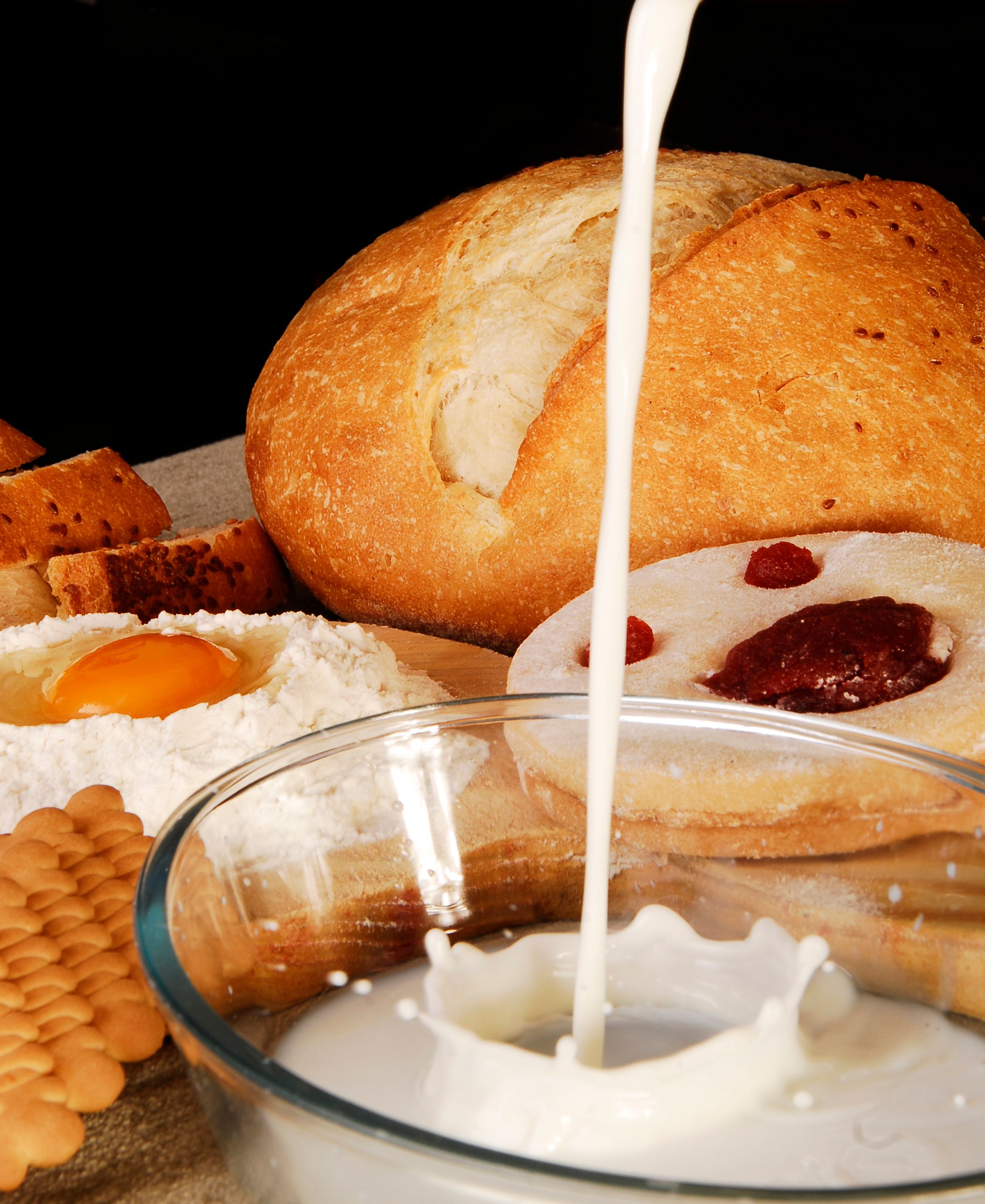
The most effective single swap is replacing water with milk. This changes more than flavor. Milk brings fat, natural sugars, and proteins that soften crumb structure and help bread retain moisture longer after it leaves the oven.
This is especially useful in white sandwich bread, dinner rolls, cinnamon bread, and basic enriched doughs. In those styles, milk supports a tender bite without requiring unusual ingredients or advanced technique. Bakers use this principle commercially because softness sells and shelf life matters.
Whole milk gives the strongest effect, but 2% milk also works well. If a recipe calls for 1 cup water, use 1 cup milk instead, or begin with a half-and-half split if you want to compare texture. The loaf will usually brown faster because milk sugars encourage deeper color.
What milk actually does inside the dough
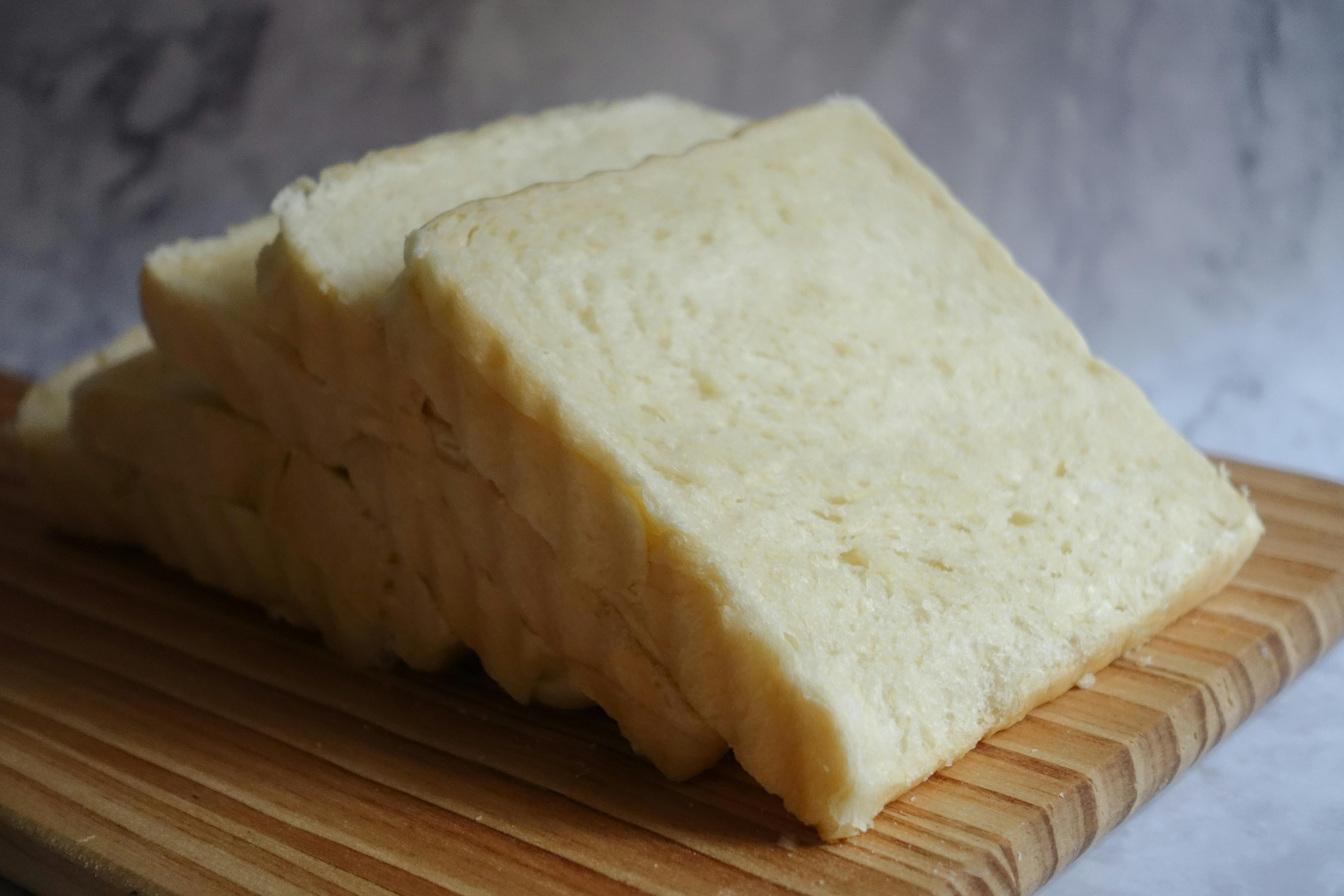
Milk changes dough behavior in several useful ways. Its lactose is not consumed by yeast like simple sugars are, so more of it remains during baking to support browning. That gives the crust a richer color and often a more appealing aroma.
Milk proteins also affect structure. They help create a finer, softer crumb, which is why pain de mie and classic pullman loaves feel plush rather than chewy. Fat in milk lightly coats flour proteins, limiting toughness and reducing the dry, cottony feel that many home bakers dislike.
There is also a freshness advantage. A 2024 review of baking research noted that enriched breads generally resist firming longer than lean breads because added dairy and fat slow the textural changes linked to staling. The result is bread that still feels pleasant on day two.
How to make the swap without causing problems
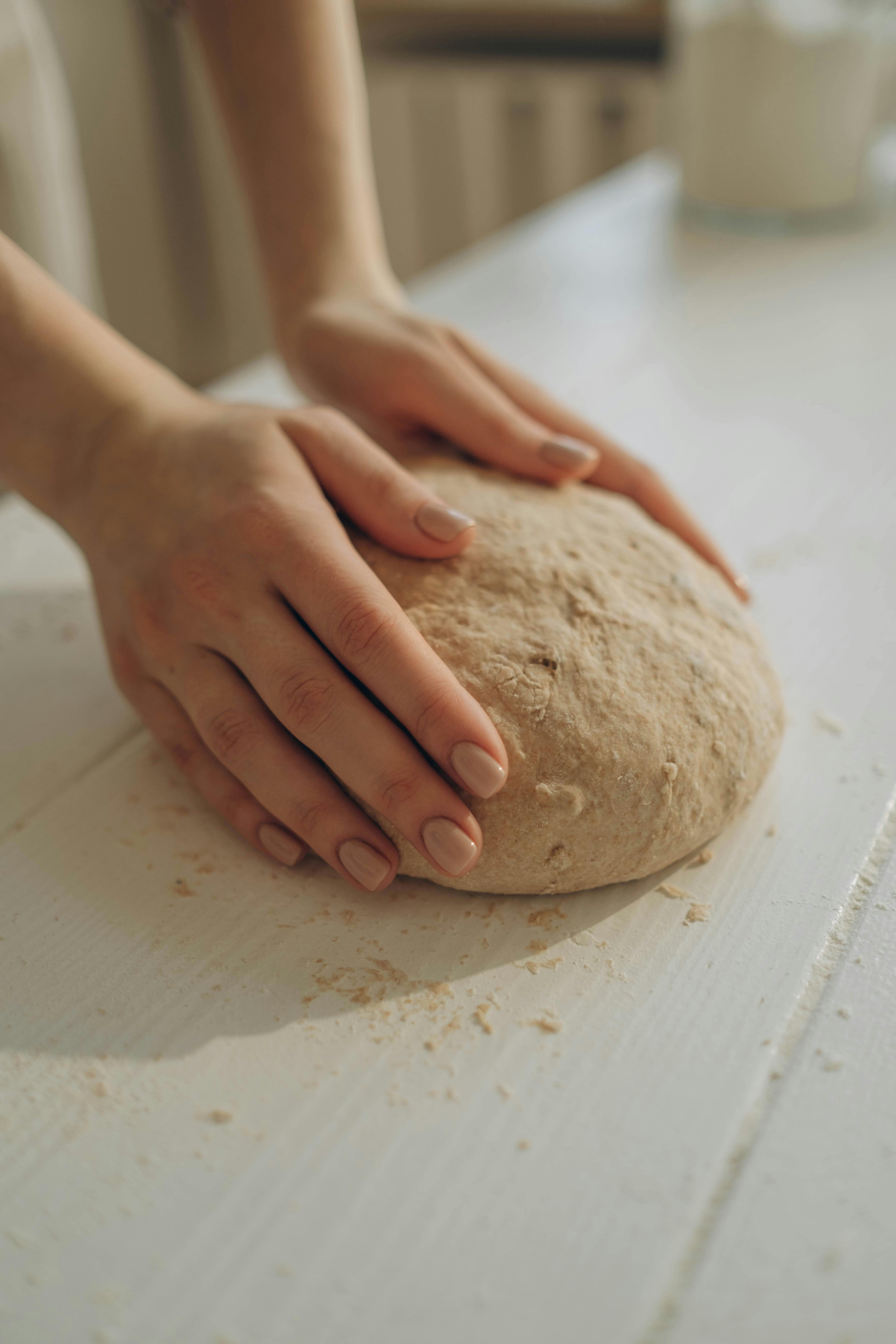
Start with temperature. If you are using active dry yeast, warm the milk slightly so it feels lukewarm, not hot. Milk that is too hot can weaken yeast performance, while cold milk can slow fermentation enough to confuse bakers who expect a usual rise time.
Watch the dough, not just the clock. Milk-based dough can feel a bit softer and richer, so resist the urge to keep adding flour too quickly. Too much extra flour cancels out the moisture benefit and leads right back to the dry loaf you were trying to avoid.
Also pay attention to browning. Because milk speeds color development, lower the oven temperature by about 25°F if your loaf tends to darken early. Tent loosely with foil if needed so the crust does not overbake before the center reaches the proper internal temperature.
When this swap works best, and when it does not
This swap shines in breads where softness is the goal. Sandwich loaves, burger buns, milk bread, and soft rolls all benefit noticeably. In side-by-side kitchen tests, these breads usually stay springier and less crumbly than versions made with water alone.
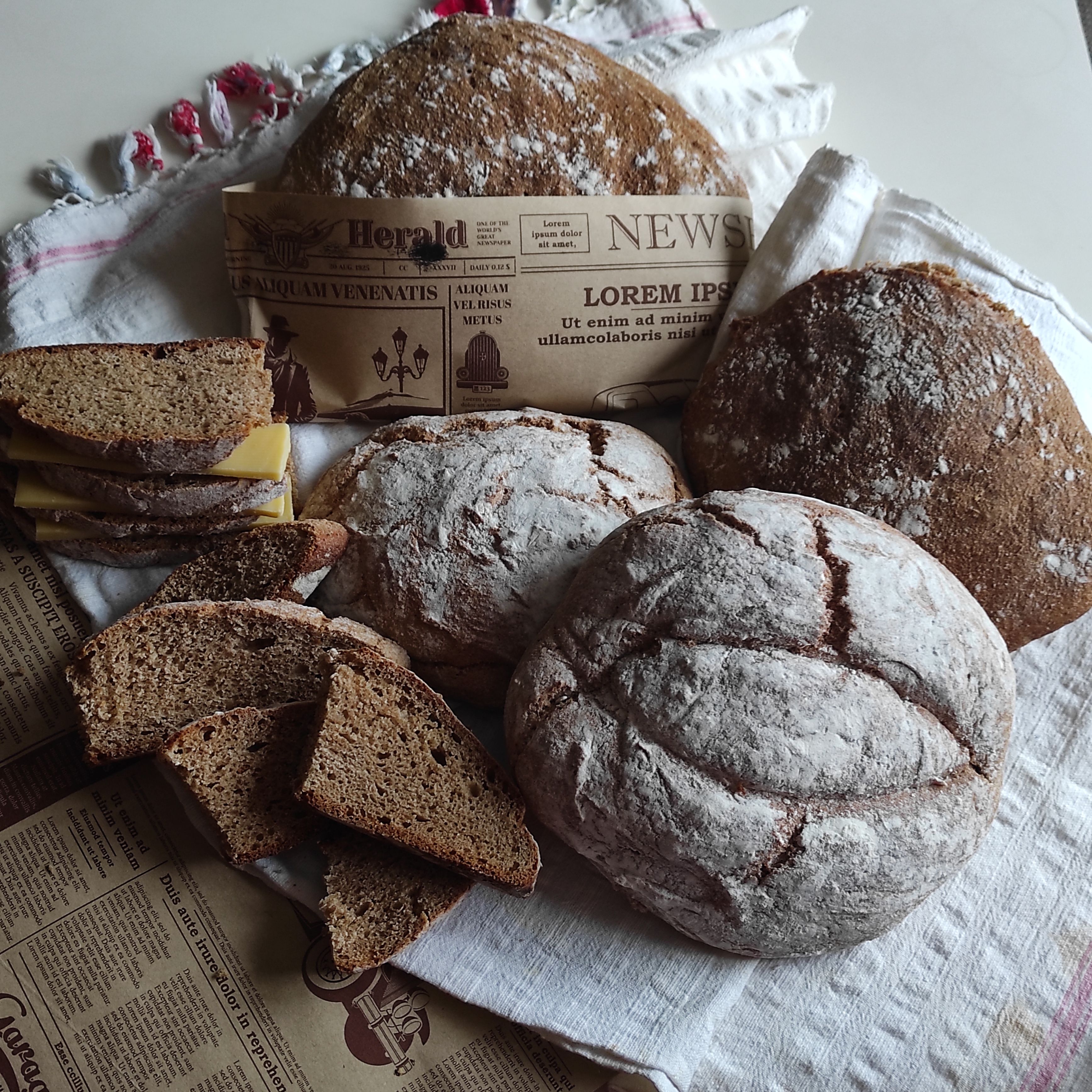
It is less ideal for breads built around a rustic profile. A baguette, ciabatta, or traditional country loaf often aims for chew, openness, and a crackling crust. Milk can mute that character, making the bread feel less crisp and slightly less airy than intended.
Dietary needs matter as well. If dairy is not an option, unsweetened soy milk often performs better than thinner plant milks because it has more protein. Oat milk can help softness too, but the result varies by brand, especially when gums or added sugars are present.
The easiest path to a softer loaf at home

Home bakers often chase complex fixes first. They buy special pans, add extra eggs, or change flour brands, when the real improvement could come from one carton in the refrigerator. Swapping water for milk is simple, affordable, and easy to test in a familiar recipe.
The payoff is practical. You get a loaf with a gentler crumb, better moisture retention, and a softer texture that lasts beyond the first few hours. For families making toast, sandwiches, or school lunches, that difference is not subtle. It changes whether bread gets eaten or wasted.
If your bread has been consistently dry, make this your next experiment. Keep the flour, yeast, and method the same, and change only the liquid. That controlled comparison will show you exactly how powerful one ingredient swap can be.




Leave a Reply