
Chocolate is one of the few luxuries that links modern shoppers with centuries of craft. The oldest chocolate you can still buy today is not a single bar, but a living tradition preserved by historic makers across Europe and the Americas.
What "oldest chocolate" really means

Age in chocolate can be measured in more than one way. Some brands claim the oldest surviving company, while others trace a recipe, a style, or a workshop that has continued making chocolate without interruption.
That distinction matters because chocolate began as a drink long before it became a molded bar. Early European makers sold drinking chocolate, medicinal cacao pastes, and hand-ground tablets, so judging "oldest" depends on whether you mean brand age or product format.
Among the oldest names still active are Italian, Swiss, British, and Latin American houses whose roots go back to the 18th and early 19th centuries. What makes them remarkable is not just age, but continuity in a market that changed radically with mechanization and mass production.
Italy's deep chocolate heritage still on sale

Italy holds some of the strongest claims in the story of old chocolate. Turin's Peyrano, founded in 1915, is old, but several even earlier traditions survive through producers tied to historic regional methods rather than a single uninterrupted brand identity.
The clearest example is Antica Dolceria Bonajuto in Modica, Sicily, founded in 1880 and famous for grainy, low-temperature chocolate made in a style often linked to Spanish colonial cacao processing. Its bars still feel closer to historical chocolate than most modern silky confections.
Then there is Guido Gobino, a modern luxury name rooted in Turin's centuries-old gianduja culture, itself born from 18th- and 19th-century cacao shortages and local hazelnut abundance. In practical terms, Italy preserves old chocolate through technique, geography, and recipe memory as much as through corporate age.
Switzerland and Britain shaped modern chocolate history

Switzerland is central to chocolate history because it transformed texture and consistency. Although many consumers associate the country with milk chocolate's rise in the 19th century, some of its oldest still-available names include Cailler, founded in 1819 and still sold today.
Cailler matters because it emerged before the great wave of industrial consolidation that later defined global chocolate. Its survival reflects a rare balance between heritage branding and modern manufacturing, allowing shoppers to buy a product tied directly to the early Swiss chocolate boom.
Britain offers another durable pioneer in Fry's, established in 1761 as a cocoa and chocolate business in Bristol. Fry's helped shape the transition from drinking chocolate to molded eating chocolate, and its historic significance remains enormous even though its identity today sits within larger confectionery ownership.
Spain and Latin America preserve older cacao traditions

Spain entered chocolate history early because cacao arrived there from the Americas in the 16th century. While many original workshops vanished, some Spanish makers and regional houses still sell drinking chocolate and rustic tablets tied to old Iberian preferences for thick, spiced cacao.
In Mexico, the strongest claim to truly old chocolate traditions comes less from multinational brands and more from enduring local producers of table chocolate. These disks and tablets, often used for hot chocolate or mole, preserve methods that are older in spirit than many famous European labels.
That makes Latin America essential to this conversation. If Europe industrialized chocolate, Mesoamerica gave it its foundation, and today's surviving artisanal makers in Oaxaca and beyond offer perhaps the closest everyday access to chocolate styles that predate the modern bar entirely.
Why some ancient chocolate makers survived

Survival in chocolate has never depended on age alone. Historic firms lasted because they adapted packaging, expanded distribution, and embraced new machinery without fully abandoning the flavor cues and storytelling that made them distinctive in the first place.
Another reason is that chocolate became a gift product as much as a food. Old houses that mastered seasonality, elegant boxes, and regional specialties found ways to stay relevant even when cheaper industrial rivals dominated ordinary grocery shelves.
Tourism also helped. Cities such as Turin, Modica, and Broc turned chocolate heritage into a cultural asset, giving old makers a stream of customers seeking authenticity, not just sugar. In that sense, history itself became part of what these companies still sell.
The oldest chocolate worth seeking out now
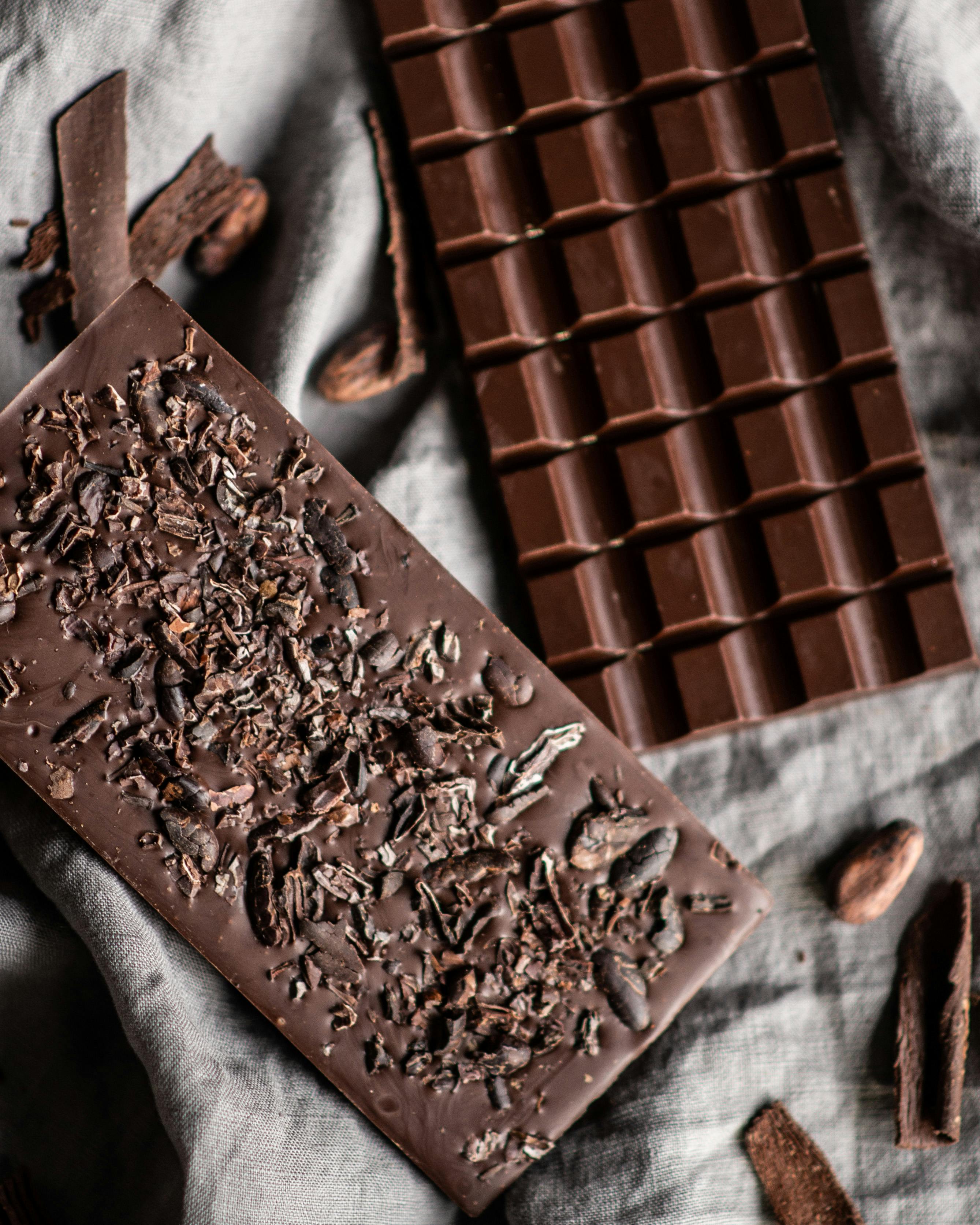
If you want a historic purchase with a clear founding date, Cailler is one of the easiest old names to find in many markets. Fry's Chocolate Cream, where available, also connects directly to one of Britain's foundational chocolate businesses.
For a more old-world taste experience, seek out Bonajuto's Modica chocolate. Its dry snap and crystalline texture feel strikingly different from industrial bars, offering something closer to what historical chocolate craftsmanship may have tasted like before modern refining changed expectations.
The broader lesson is simple: the oldest chocolate still available is scattered across brands, regions, and styles rather than confined to one winner. The best way to taste history is to look for surviving makers whose products still carry the methods, identities, and local traditions that made them endure.



Leave a Reply