
A small black-and-white symbol is about to change the look of grocery shelves across Canada. For shoppers it may seem minor, but for retailers and food companies it is turning into a costly, complicated race against the clock.
What the new rule actually requires

At its core, Canada's new rule introduces mandatory front-of-package nutrition symbols on many prepackaged foods. Health Canada finalized the regulation to make products high in saturated fat, sugars, and sodium easier to spot at a glance.
The symbol must appear on the front of certain packages when the product meets set nutrient thresholds. It is designed to be clear, standardized, and difficult to miss, which is exactly why it matters so much at shelf level.
There are exemptions, including some raw single-ingredient foods, certain dairy products, and items with very small package sizes. But for a huge share of packaged grocery items, especially processed foods, the label will apply.
The compliance deadline is January 1, 2026. That sounds generous on paper, yet in food retail and packaging cycles, it is uncomfortably close, particularly for chains managing thousands of stock-keeping units across multiple suppliers.
Why grocery stores are struggling now
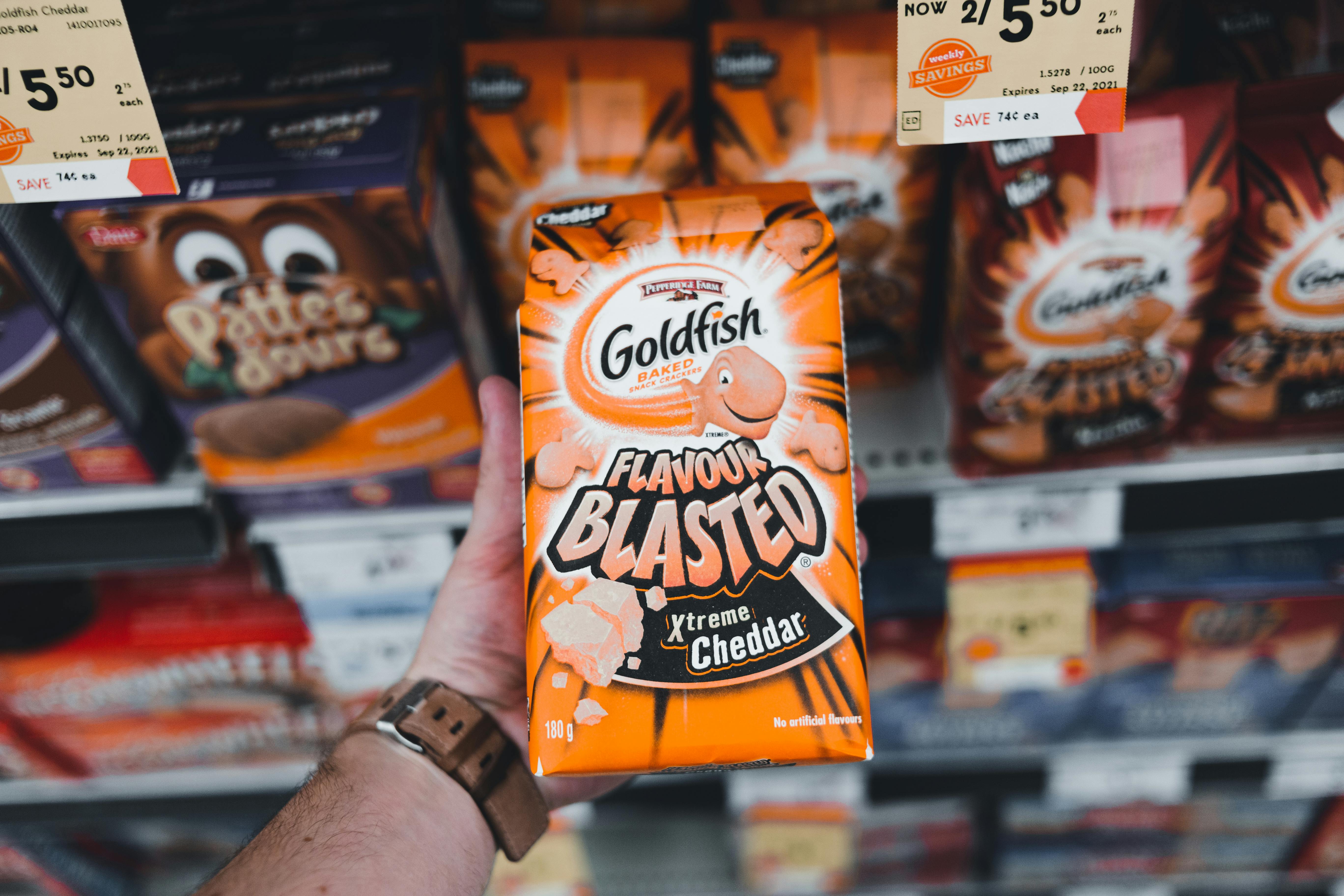
Here is the part many consumers do not see: grocery stores do not simply stock products, they manage a constant flow of redesigns, packaging updates, private-label revisions, and inventory turnover. A single regulatory change can ripple across flyers, planograms, warehouse systems, and shelf tags.
Retailers with large private-label lines face the biggest direct burden because they effectively act like manufacturers. Every package format, bilingual layout, nutrition panel alignment, and printer proof has to be reviewed and approved before old inventory runs out.
Timing is also awkward. Many grocers are already dealing with inflation-sensitive shoppers, tighter margins, and pressure to keep prices stable. Repackaging costs, legal review, and unsold legacy stock all raise the risk of higher operating costs.
Independent grocery stores have a different problem. They rely heavily on distributors and smaller brands that may not be fully ready, creating uncertainty about supply continuity and whether all incoming products will meet the rule in time.
Why suppliers may be even less prepared

The real bottleneck begins upstream. Food manufacturers, especially small and mid-sized companies, must decide whether to accept the warning symbol or reformulate products to avoid it.
Reformulation sounds simple, but cutting sodium, sugar, or saturated fat without changing taste, texture, shelf life, or price is difficult. A soup maker reducing sodium, for example, may need new ingredient blends, consumer testing, and plant adjustments.
Packaging changes also require long lead times. Printers, label converters, and packaging designers are handling thousands of updates across the industry at once, and capacity constraints are becoming a serious concern.
According to industry groups that commented during the regulatory process, businesses also worry about products sold in both Canada and the United States. Separate packaging runs for the Canadian market can increase complexity and reduce economies of scale.
What shoppers are likely to notice first

Consumers will probably experience the rule as a visual shock. Aisles filled with familiar brands may suddenly display stark symbols on cereals, frozen meals, sauces, snacks, and other everyday products.
That visibility is intentional. Health Canada's goal is to give people quicker, simpler nutrition information without requiring them to study the fine print on the back of a package.
Research behind front-of-package systems suggests prominent warnings can influence purchasing decisions, particularly when shoppers are comparing similar items. In countries such as Chile and Mexico, comparable labelling approaches have pushed some companies to reformulate and some consumers to switch choices.
Still, confusion is possible. A product with a symbol is not automatically unsafe, and one without a symbol is not automatically healthy. The label flags high levels of specific nutrients, not overall diet quality, portion size, or processing level.
The cost question nobody can ignore

This is where the debate becomes most practical. Every packaging change costs money, and those costs rarely stay confined to design departments.
Private-label grocery brands may need full packaging overhauls across hundreds of items. National brands may spread costs across scale, but smaller producers often cannot, making them more vulnerable to margin pressure or delisting.
There is also the issue of inventory waste. If companies misjudge timing, they could be left with packaging that no longer complies, or finished goods that become harder to sell through normal channels.
Retailers fear a messy transition period with mixed old and new packaging on shelves. That may not break the system, but it can create consumer questions, staff workload, and operational friction in already stretched stores.
What happens next for Canada's food aisle

The broad direction is already set. Unless Ottawa changes course, the front-of-package symbol will become a standard feature of Canadian grocery shopping starting in 2026.
Between now and then, expect more reformulated products, quiet package redesigns, and possibly fewer borderline items that trigger the threshold. Some brands will choose to wear the symbol, while others will change recipes to avoid it.
For grocery stores, readiness will depend less on ideology than execution. The chains that coordinate early with suppliers, packaging teams, and category managers will cope better than those that wait for the deadline to feel real.
For shoppers, the change could ultimately make nutrition comparisons easier. But for the industry responsible for getting those products onto shelves, the rule is proving that even a simple label can reshape an entire retail system.




Leave a Reply