
Summer eating in Canada settles into a familiar rhythm by the last week of June. The recipes that keep showing up are not random, but rooted in seasonality, weather, and the way Canadians actually gather.
Why late June changes the menu
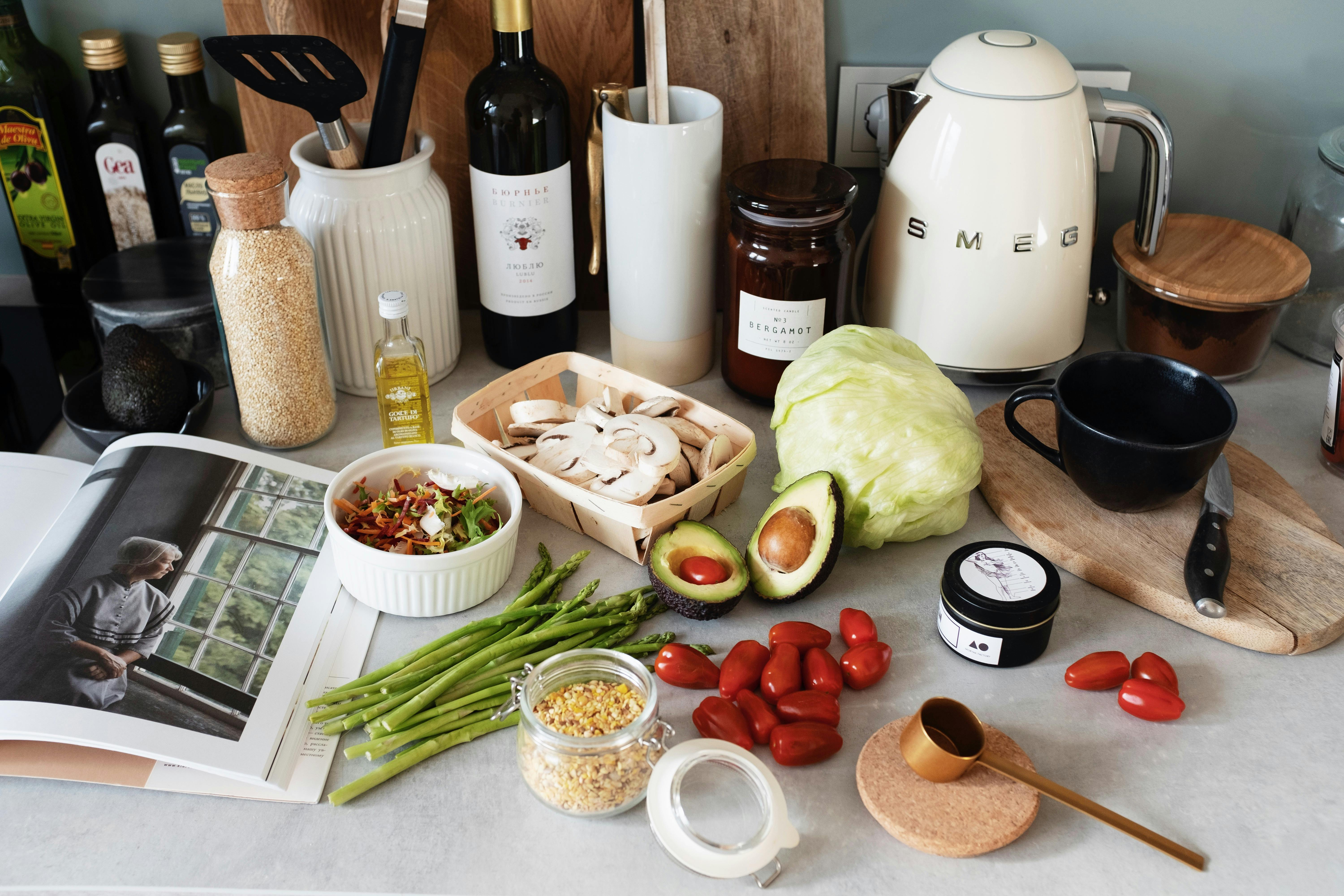
The final stretch of June is when summer cooking becomes practical, not aspirational. Across much of Canada, markets are fuller, evenings are longer, and outdoor meals start happening often enough to shape weekly habits. That shift matters because people cook differently once heat, daylight, and fresh produce line up at the same time.
Home cooks also start favouring dishes that ask less of the oven and more of the grill, cutting board, or salad bowl. Food retailers and provincial produce reports typically show stronger movement in berries, greens, cucumbers, herbs, and early new potatoes during this period. These are ingredients that support quick meals with high payoff.
Just as important, late June includes school breaks, cottage weekends, and the lead-up to Canada Day gatherings. Recipes that can feed a group, travel well, or be made in stages naturally rise to the top. That is one reason certain dishes come back every year with almost no reinvention.
Grilling remains the backbone of summer dinners

Nothing signals the Canadian summer table more clearly than the barbecue. Grilled burgers, sausages, chicken skewers, salmon fillets, and cedar-plank fish remain repeat favourites because they suit both weekday dinners and larger backyard gatherings. They are familiar, adaptable, and easy to pair with whatever produce is best that week.
The appeal is not only flavour. Grilling keeps heat out of the kitchen, shortens cleanup, and lets hosts cook while still being part of the conversation. In many households, that social element is a real reason these meals are repeated. The food works, but the format works even better.
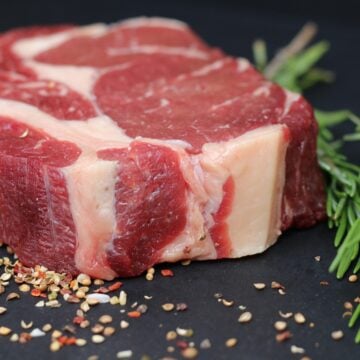
Regional habits shape the details. In the Prairies, beef burgers and steak often dominate. In coastal areas, grilled salmon and shrimp are common seasonal centrepieces. Marinades built from maple, mustard, garlic, dill, and citrus show up often because they balance sweetness, acidity, and freshness without overwhelming the main ingredient.
Produce-driven salads earn a permanent place
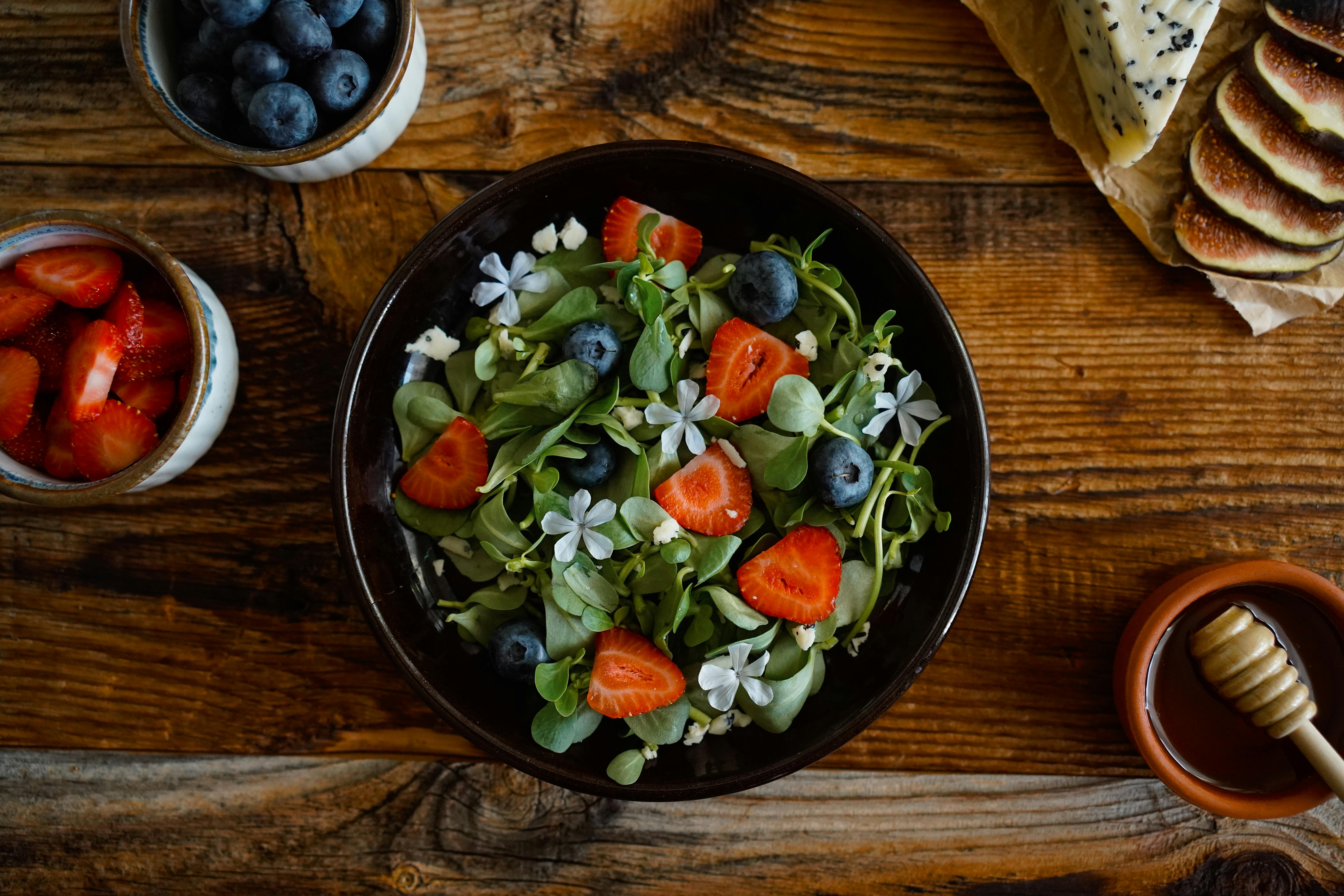
Summer salads return every year because they finally taste like something worth craving. In late June, Canadians start seeing local leaf lettuce, radishes, strawberries, peas, cucumbers, and herbs arrive in stronger volume. That freshness changes the equation and turns simple combinations into dishes with real texture and character.
Classic potato salad still holds its place, especially at family cookouts, but modern versions have shifted. Many cooks now use vinaigrettes, fresh dill, scallions, grainy mustard, and tender new potatoes instead of heavier dressings. Pasta salads follow a similar pattern, leaning brighter and more vegetable-forward than they did a generation ago.
Green salads have also become more substantial. Spinach with strawberries, arugula with goat cheese, cucumber salads with sour cream or vinegar, and tomato salads with basil all reappear because they fit the season perfectly. They are cooling, quick to assemble, and flexible enough to accompany grilled meat, fish, or vegetarian mains.
Fresh berries and rhubarb define dessert season

Dessert changes quickly once Canadian berries begin to peak. Strawberries are usually the first major signal, and they lead to shortcakes, crisps, galettes, compotes, and no-bake desserts that feel lighter than winter baking. Rhubarb often appears alongside them, bringing tartness that cooks have relied on for generations.
These desserts last because they are economical as well as seasonal. A crisp or crumble can feed a crowd, use fruit at varying levels of ripeness, and come together without advanced pastry skills. That practicality matters in real homes, where summer entertaining often happens casually and with little notice.
There is also a strong tradition factor. Many Canadians associate berry picking, jam making, and rhubarb patch desserts with childhood summers, grandparents, or cottage meals. Food memory is powerful, and it helps explain why familiar recipes, even very simple ones, continue to beat trendier desserts when the weather turns warm.
Chilled sides and no-fuss staples keep meals moving
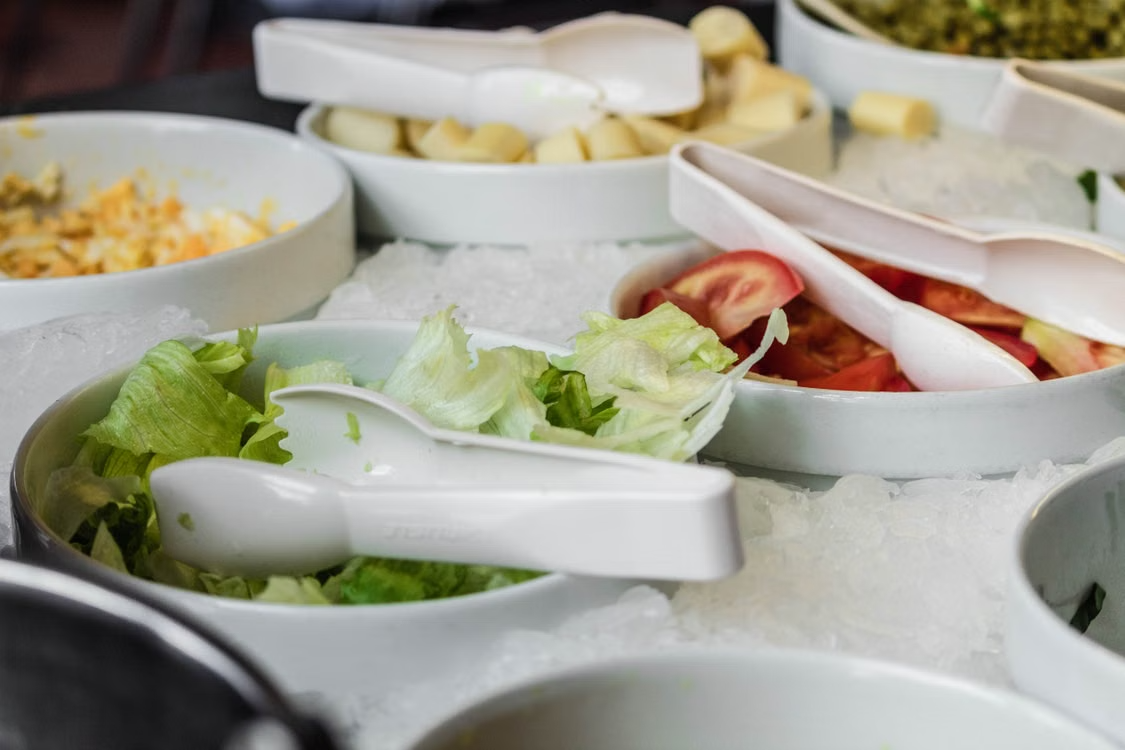
Some of the most repeated summer recipes are not centrepieces at all. Coleslaw, bean salad, devilled eggs, corn on the cob, watermelon platters, and dips made with sour cream, yogurt, or cream cheese appear constantly because they solve practical problems. They can be prepped ahead, scaled easily, and served to mixed age groups.
These dishes also hold up well during long afternoons outdoors. A three-bean salad or vinegar-based slaw keeps its structure better than more delicate sides, while corn and cut fruit need very little explanation at the table. In busy households, that kind of reliability is worth repeating.
Another reason these staples endure is that they bridge generations. Older family members recognize them instantly, while younger cooks can update them with herbs, spice, char, or sharper acids. The basic idea stays intact, but the flavour can move with the times without losing its summer identity.
The recipes that repeat are the ones that fit real life

The warm-weather dishes Canadians make on repeat are not simply popular because of nostalgia. They return because they match the season's conditions: ripe produce, outdoor eating, shared tables, and a general desire for food that feels fresh but manageable. The best summer recipes are the ones people can actually pull off more than once.
That is why grilled proteins, bright salads, berry desserts, and make-ahead sides remain so steady year after year. They use what is available, respect the weather, and suit both ordinary dinners and festive weekends. In a country with short but deeply anticipated summers, that combination gives these recipes staying power.
By the last week of June, the pattern is clear. Canadians are not chasing complicated food for the sake of novelty. They are returning to dishes that taste distinctly of the season and make summer living easier, more social, and more satisfying at the table.

Leave a Reply