
They stopped making headlines, not meals. Ghost kitchens simply moved from startup spectacle into the background of the delivery economy.
The buzz vanished before the business did
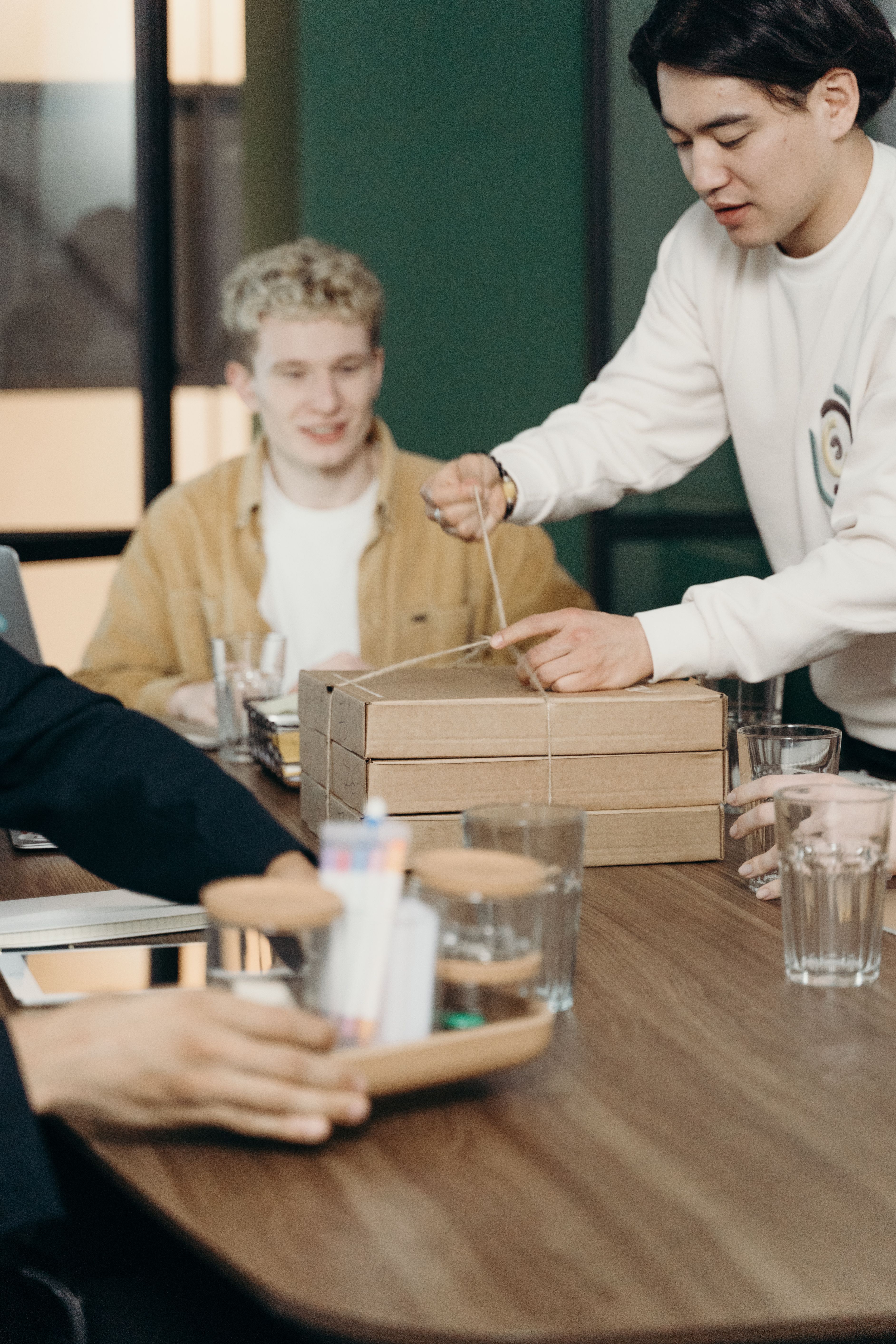
At first, ghost kitchens were sold as a revolution. Investors, tech founders, and major restaurant groups described them as the future of dining, promising lower rent, faster expansion, and data-driven menus built for delivery apps.
That early pitch created unrealistic expectations. When growth slowed and several high-profile operators shut locations, the media moved on, treating the quieter phase as decline rather than normalization.
According to reporting from Reuters and The Wall Street Journal over the past few years, what actually happened was more ordinary. Many standalone ghost kitchen brands failed, but the kitchen model itself survived by being absorbed into existing restaurant operations.
In other words, the story changed from disruption to infrastructure. Once ghost kitchens stopped looking novel, they became less newsworthy, even while their food kept reaching customers every night.
Most ghost kitchens now hide inside familiar businesses
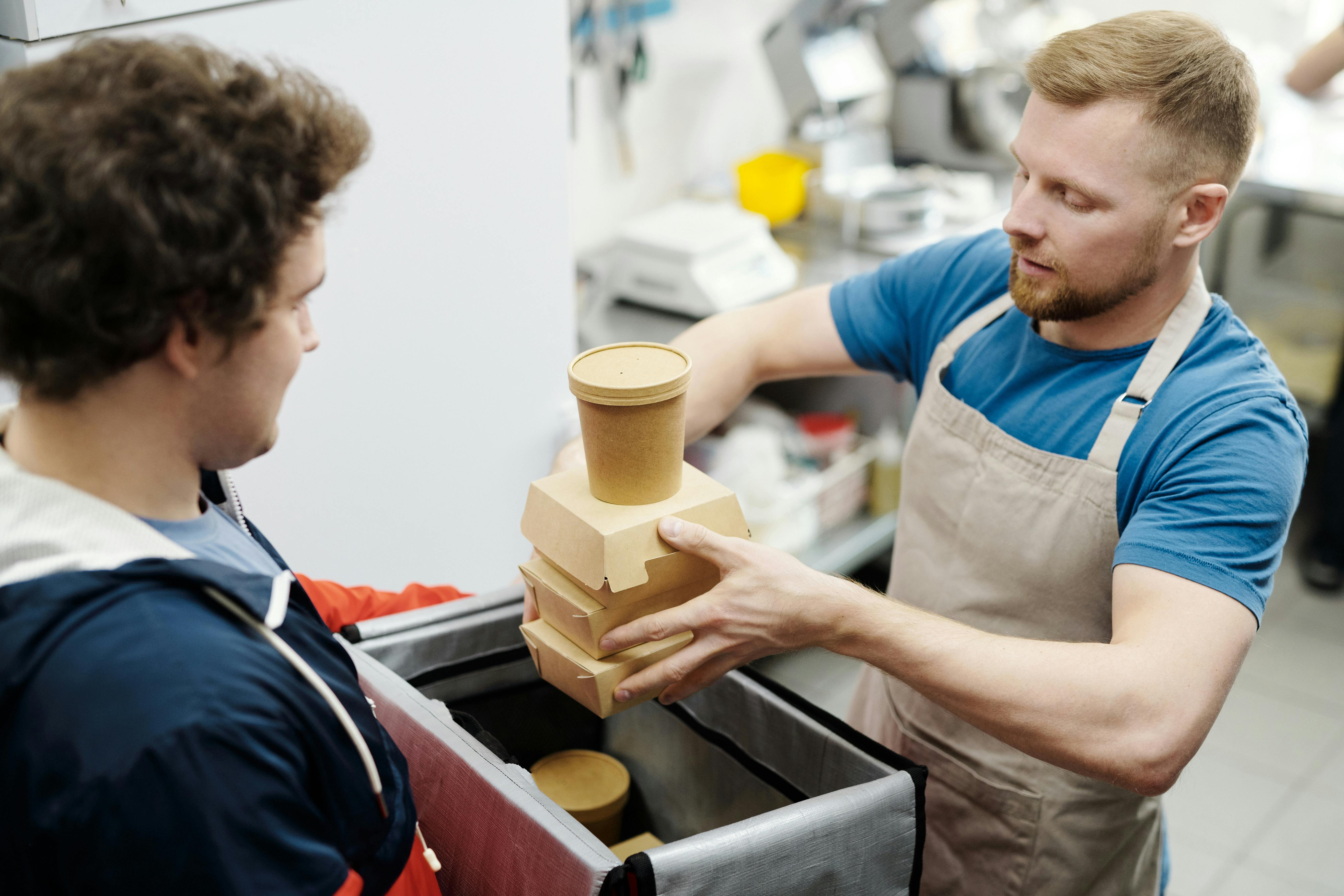
The clearest reason they never left your neighborhood is simple. Many are no longer separate facilities with flashy names, but production lines tucked inside chain restaurants, local diners, hotel kitchens, and commissary spaces.
A pizza shop may now prepare wings for a second delivery-only brand. A neighborhood burger restaurant might also be fulfilling online orders for a virtual grilled cheese concept aimed at late-night customers.
This practice expanded because it uses equipment and labor that already exist. Instead of paying for a full dining room, operators can test a new menu from the same stoves, refrigeration, and prep staff they already have.
For customers, the shift is almost invisible. On delivery apps, a virtual brand can look like a new neighborhood restaurant even when the food is coming from the same address as a place you passed yesterday.
Delivery platforms made invisibility a feature
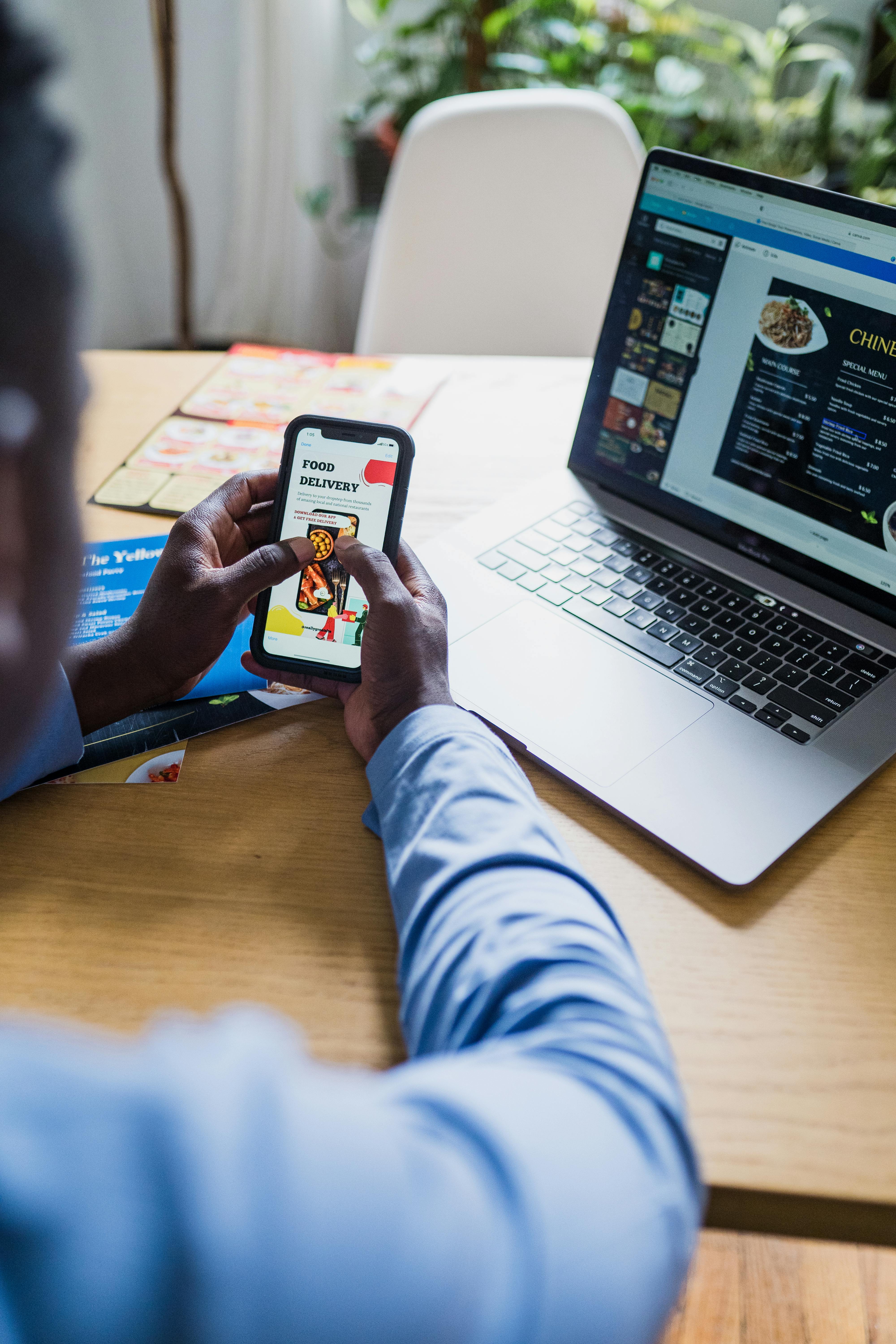
Apps helped ghost kitchens become ordinary by removing the need for street presence. If most customers discover dinner by scrolling thumbnails, ratings, and delivery times, a storefront window matters far less than it once did.
That changed restaurant economics. Visibility moved from foot traffic and signage to app placement, search results, sponsored listings, and menu photography designed to win taps in seconds.
The result was a perfect environment for virtual brands. A business no longer needed a recognizable dining room to appear established. It only needed packaging, a searchable name, and a menu optimized for travel and repeat ordering.
This is why ghost kitchens seemed to disappear from public view. They became products inside digital marketplaces, where physical location mattered less than algorithmic visibility and operational speed.
The pandemic accelerated demand, then hid the transition

During the pandemic, ghost kitchens became a symbol of emergency adaptation. Dining rooms closed, delivery surged, and investors poured money into facilities built to serve app-based demand at scale.
But as in-person dining returned, the narrative shifted. Commentators looked for dramatic winners or losers, even though the market was settling into a blended model where delivery remained important but not all-consuming.
Industry analysts and earnings calls from major restaurant chains have shown this pattern repeatedly. Off-premise dining stayed far above pre-2020 levels, even after lockdown behavior eased, which meant the kitchen-only format still had a durable role.
What faded was not demand for prepared food delivery. What faded was the idea that ghost kitchens would replace traditional restaurants altogether, a claim the industry was never truly able to support.
Local regulation and customer skepticism changed the label

Another reason ghost kitchens left the spotlight is that the term itself became awkward. City regulators, consumer advocates, and diners began asking harder questions about transparency, sanitation oversight, and whether multiple app listings came from one kitchen.
In some cities, officials pushed for clearer disclosure rules. Delivery platforms also faced scrutiny over duplicate listings, confusing brand identities, and the difficulty customers had when trying to resolve complaints.
Businesses responded by becoming more careful with branding. Instead of loudly advertising themselves as ghost kitchens, many operators folded delivery-only concepts into broader restaurant strategies and avoided language that could trigger skepticism.
That rebranding mattered. Once the label lost its shine, the same operating model continued under less provocative names such as virtual brands, delivery-first concepts, or simply online ordering extensions.
Ghost kitchens survived because they solve a real problem
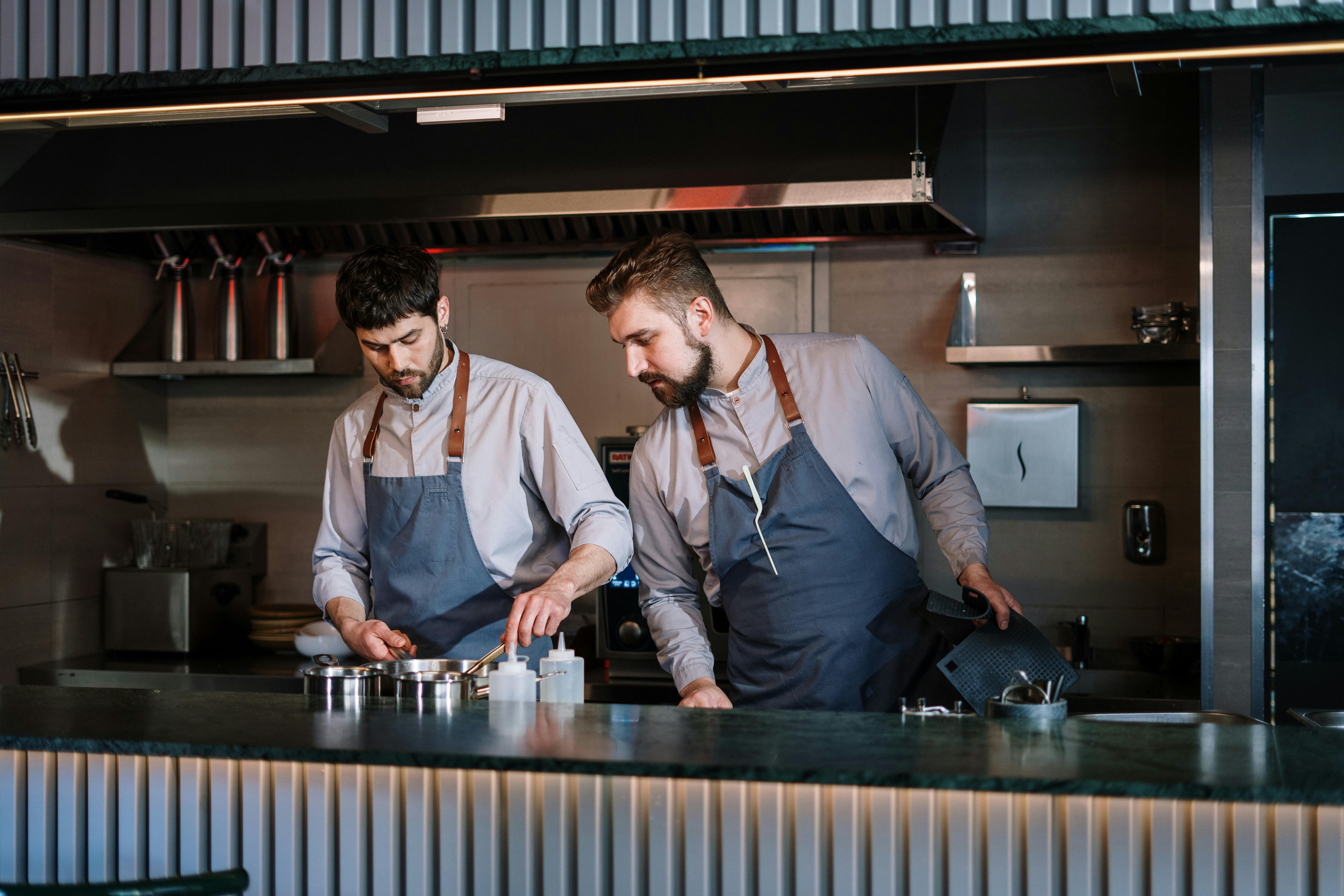
The hidden reason they endured is practical economics. Restaurants need ways to grow revenue without taking on the full cost of another dining room, another front-of-house team, and another expensive lease in a high-traffic retail corridor.
Ghost kitchens offer one answer, especially in dense urban areas where rent is punishing and delivery demand is predictable. They also help chains enter new neighborhoods quickly or let independents experiment with niche menus at lower risk.
Not every version works well. Poor food quality, weak branding, and app fees can destroy margins, and many companies learned that hard lesson. But as a back-end operating tool, the model remains useful and widely adopted.
So ghost kitchens did not vanish. They matured, blended into familiar restaurants, and stopped calling attention to themselves. That is why you rarely read about them now, even though they are still cooking in your neighborhood.




Leave a Reply