
Tariffs rarely stay at the port. They often show up later on the grocery receipt.
As new Trump tariffs take effect, the biggest question for shoppers is not whether prices will move, but which staples are most exposed and how quickly stores pass those costs along.
Coffee, tea, and other imported pantry regulars

Morning routines are especially vulnerable because the United States imports nearly all of its coffee. Beans from Brazil, Colombia, Vietnam, and Central America move through complex supply chains, so any added duty can raise costs for roasters before the product ever reaches a shelf.
Tea faces a similar problem. Most black, green, and specialty teas sold in the U.S. are imported, often from India, China, Sri Lanka, and Kenya. If tariffs directly hit those origins or related packaging inputs, brands may either shrink package sizes or raise shelf prices.
Shoppers may not see a dramatic jump overnight, but the category has little domestic backup. That means retailers have fewer alternatives when import costs rise. Premium blends, single-origin beans, and ready-to-drink canned coffee could be among the first products to reflect higher landed costs.
Seafood could feel pressure faster than many shoppers expect
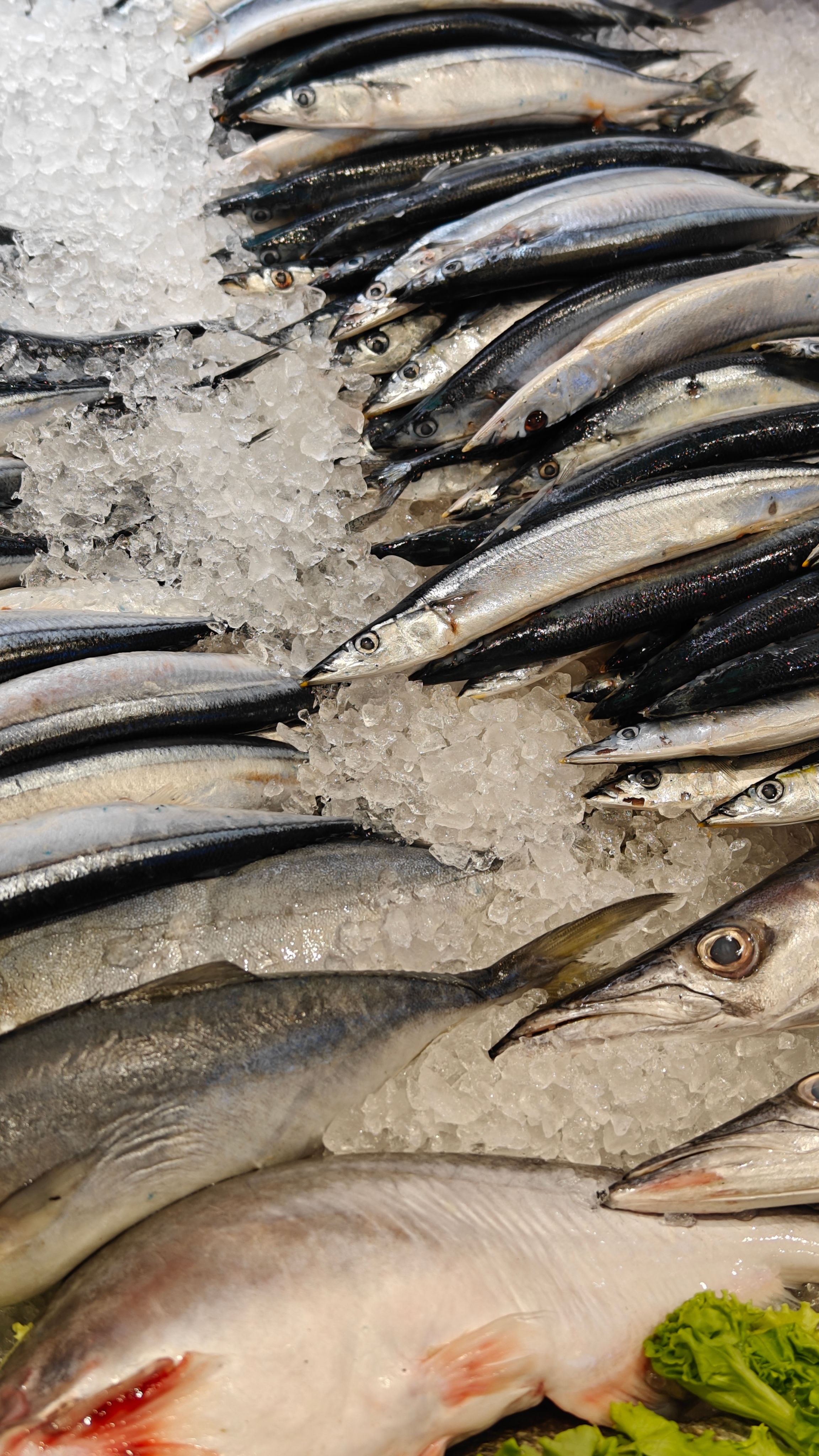
The seafood case is another obvious pressure point because the U.S. imports a large share of its shrimp, salmon, tilapia, tuna, and other popular items. According to federal trade data, imported seafood makes up the majority of American seafood consumption, leaving the category highly sensitive to tariff changes.
Shrimp is especially exposed. Much of the shrimp sold frozen or prepared in grocery stores comes from countries such as India, Indonesia, Ecuador, and Vietnam. If import duties rise on those products, grocers and restaurant suppliers may pass along the increase quickly because margins are already tight.
Canned tuna and frozen fish fillets may also become pricier. Even when fish is processed domestically, the raw product or packaging can come from abroad. That layered supply chain means tariffs can push up costs at multiple stages, from import dock to freezer aisle.
Olive oil, fruit, and specialty imports are easy targets

Some grocery items are almost defined by where they come from. Olive oil is the clearest example, since major supermarket brands often depend on supply from Spain, Italy, Greece, and Portugal. When tariffs touch those shipments, the extra cost tends to flow straight into a bottle that already operates in a volatile global market.
Imported fruit can also become more expensive, especially off-season produce. Grapes, berries, citrus, and avocados often rely on foreign supply when U.S. harvests are low or unavailable. Tariffs can raise base prices, while added transportation and labor costs make the final sticker even harder for shoppers to absorb.
Specialty cheeses, nuts, and cured goods are similarly exposed. These products usually have fewer interchangeable substitutes, so retailers have more room to raise prices. Shoppers may respond by trading down, but premium grocery categories often move higher first and stay elevated longer.
Packaged foods may rise even when the ingredients are domestic
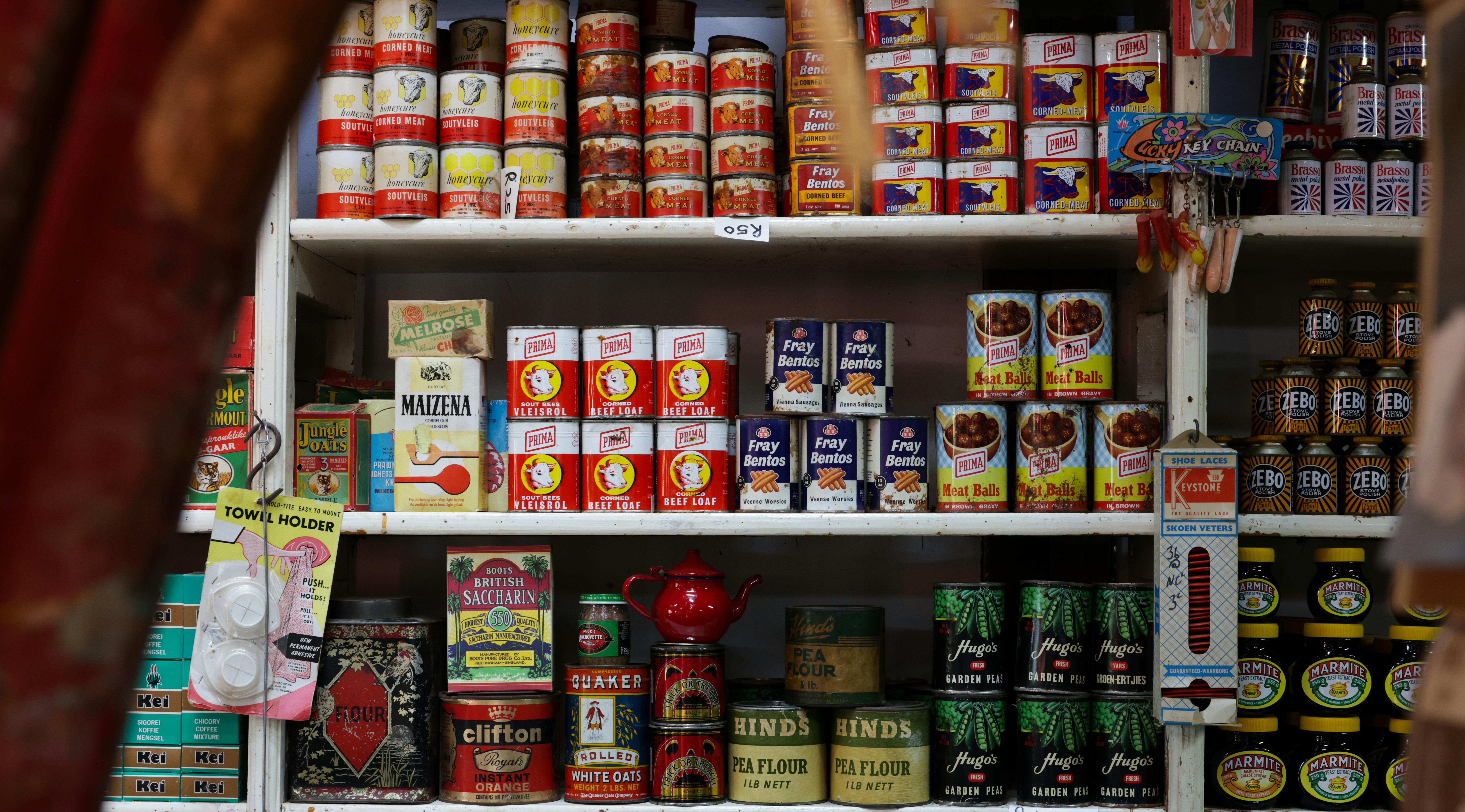
The impact does not stop with clearly imported foods. Many packaged staples use ingredients, flavorings, sweeteners, oils, and preservatives sourced from several countries. A cereal bar, jar of pasta sauce, or frozen dinner may look American-made while still depending on tariff-exposed inputs behind the scenes.
Packaging is another overlooked factor. Steel for cans, aluminum for lids, glass components, labels, and plastic films can all become more expensive when trade barriers hit industrial materials. Food manufacturers often say those costs matter just as much as ingredient inflation because packaging is essential and hard to swap quickly.
This is why shoppers may notice increases in canned soup, canned tomatoes, tuna packets, snacks, and beverages. Even if tariffs do not target the finished item directly, they can raise the cost of producing, sealing, and shipping it. The grocery bill moves up one small input at a time.
Meat, eggs, and dairy are not immune to tariff fallout

At first glance, domestic proteins seem safer because they are heavily produced in the United States. But meat, eggs, and dairy still depend on globally traded feed, fertilizer, equipment, and energy. If tariffs raise the cost of those inputs, farmers and processors eventually face higher production expenses.
Animal feed is a key link. Corn and soy are domestic strengths, but vitamins, amino acids, machinery parts, and chemical additives often come through international channels. Higher import costs can affect chicken, pork, beef, and eggs indirectly, especially when producers are already managing disease risk and labor pressure.
Dairy can feel the same squeeze through packaging, refrigeration equipment, and transportation. Milk, cheese, and yogurt prices may not jump because of tariffs alone, but trade policy can add to existing inflation. For shoppers, that means even staples made close to home are not fully shielded.
What shoppers should watch in the months ahead

The first clue will likely be selective price movement rather than broad sticker shock. Imported premium goods usually rise before store brands, and smaller companies often act before large chains do. Big retailers sometimes delay increases temporarily, but they rarely absorb higher costs forever.
Watch for quieter changes too. Grocers and manufacturers may reduce package sizes, trim promotions, or shift sourcing to preserve margins. A bag of coffee may hold less, a frozen shrimp box may lose a few ounces, or olive oil discounts may become less common.
The broader lesson is simple: tariffs do not affect only luxury products. They can reach everyday staples through ingredients, packaging, logistics, and limited supply options. If these new Trump tariffs remain in place or expand, American shoppers could feel the effects in some of the most familiar parts of the store.


Leave a Reply