
Few dishes feel more Canadian at first glance than poutine. Yet the roots of its appeal reach across the Atlantic, and the most convincing foreign influence comes from Belgium.
Why poutine's backstory is often misunderstood

Poutine is usually explained as a purely Quebec invention from the 1950s, and that part is broadly true. Several rural snack bars in Quebec, including Le Lutin qui rit in Warwick and Café Idéal in Drummondville, are regularly cited in the long-running debate over who served it first. What gets lost is that invention and inspiration are not always the same thing.
Many people assume France must be the key influence because Quebec is French-speaking and because fries are often lazily labeled "French fries." Britain is another common guess because of its pub gravies and potato-heavy comfort food. But neither country has as strong a historic claim to the exact fry-centered food culture that helps explain why poutine took the shape it did.
Belgium's deep relationship with fries matters most
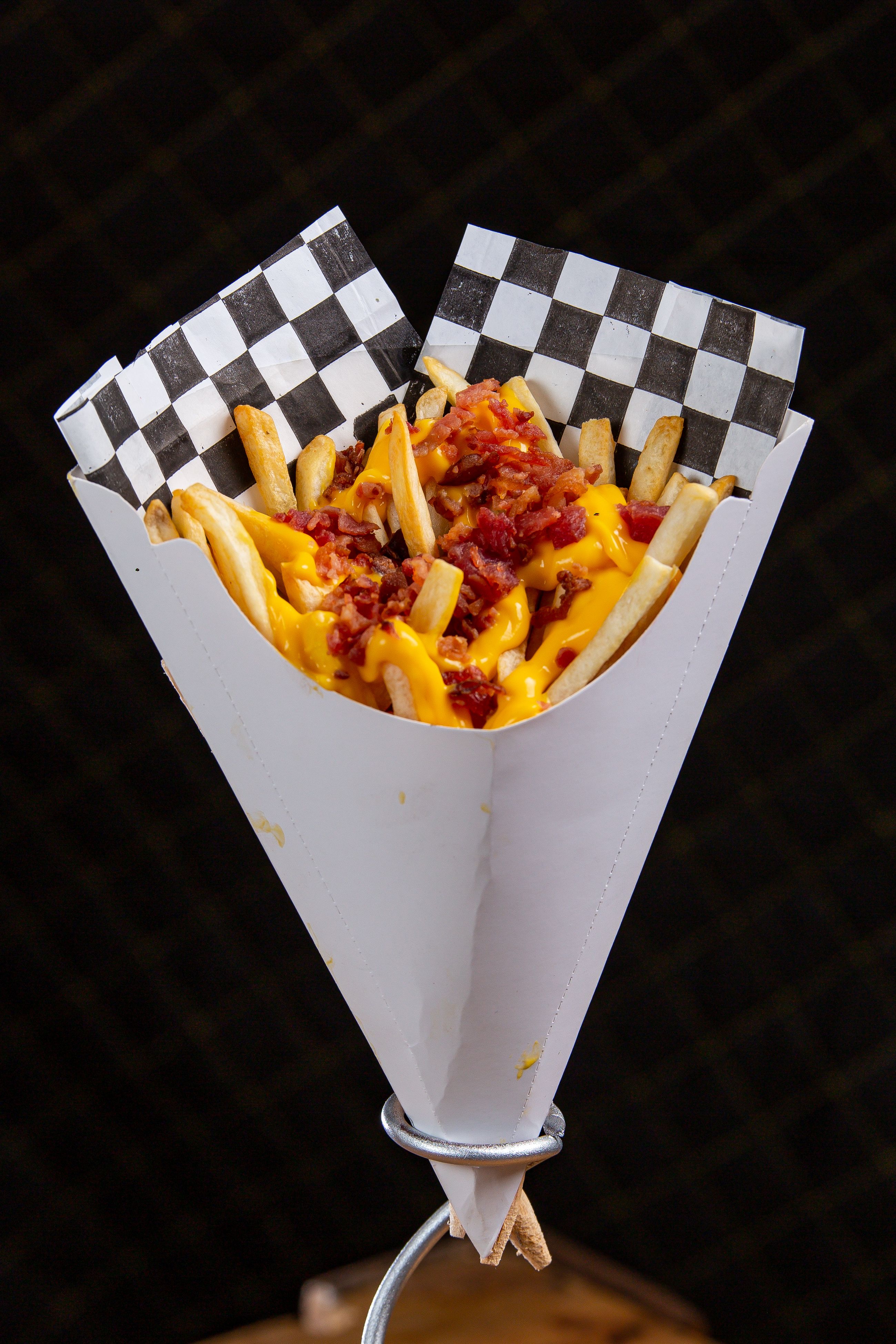
If one country has a serious historical and cultural case, it is Belgium. Belgians have treated fries not as a side dish but as a national culinary institution for generations. Friekots and frituurs, the small fry stands found across Belgium, helped build a street-food culture centered on hot, freshly fried potatoes served quickly, generously, and with sauces.
That matters because poutine begins with fries as the main event, not an afterthought. In Belgium, fries have long carried meals on their own and are commonly loaded, sauced, and eaten in casual settings. Food historians often point out that this kind of fry-first mentality is much closer to poutine's DNA than the more formal culinary traditions associated with France.
The gravy connection is stronger than it first appears
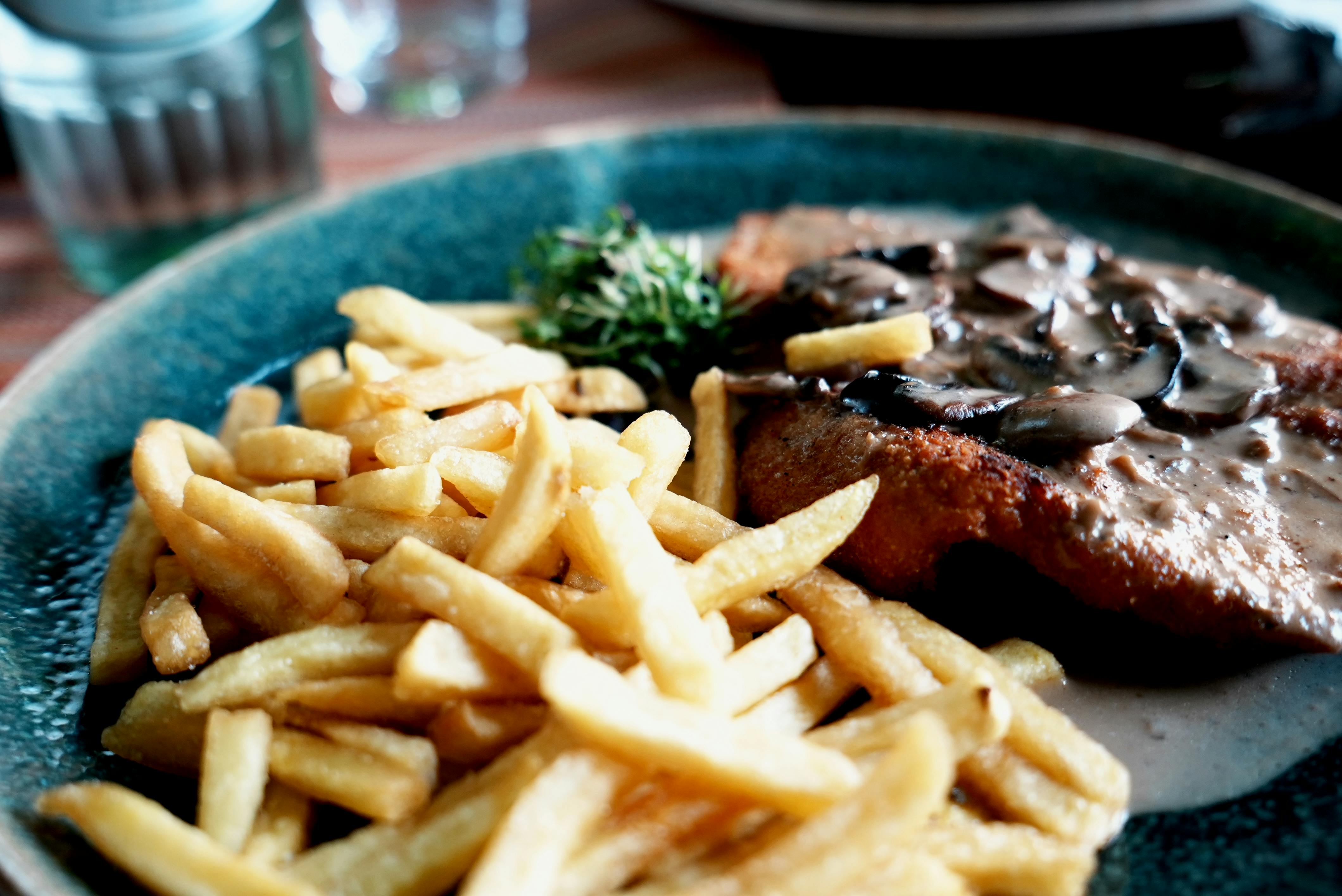
Belgian cuisine also offers a useful clue in its comfort-food logic. In Belgium, fries are frequently paired with rich toppings, stews, and sauce-based dishes, especially in colder months. A well-known example is carbonnade flamande, a slow-cooked beef and onion stew often served with fries, creating the same satisfying contrast of crisp potato and savory sauce that defines poutine.
That does not mean poutine is a direct copy of any Belgian dish. Rather, it suggests a familiar eating pattern: fries designed to absorb flavor while still holding some texture. That idea is central to great poutine, where gravy is not just poured on top but becomes part of the engineering of the dish, softening without fully collapsing the fries.
Cheese curds make the dish local, but not isolated

The most Quebec-specific element in poutine is the cheese curd. Fresh curds, especially the famously squeaky kind from Quebec dairies, give the dish its distinctive identity and separate it from loaded fries elsewhere. This is where Canada clearly made the dish its own, using local dairy traditions to create something neither Belgian nor French nor British kitchens had quite assembled in the same way.
Still, the presence of a local ingredient does not erase foreign inspiration. Food history is full of hybrid dishes built from borrowed formats and regional products. Poutine fits that pattern neatly: a Belgian-style devotion to fries, a sauce-friendly cold-weather sensibility, and a distinctly Quebecois cheese component that turned a familiar concept into an original classic.
Immigration and restaurant culture helped ideas travel
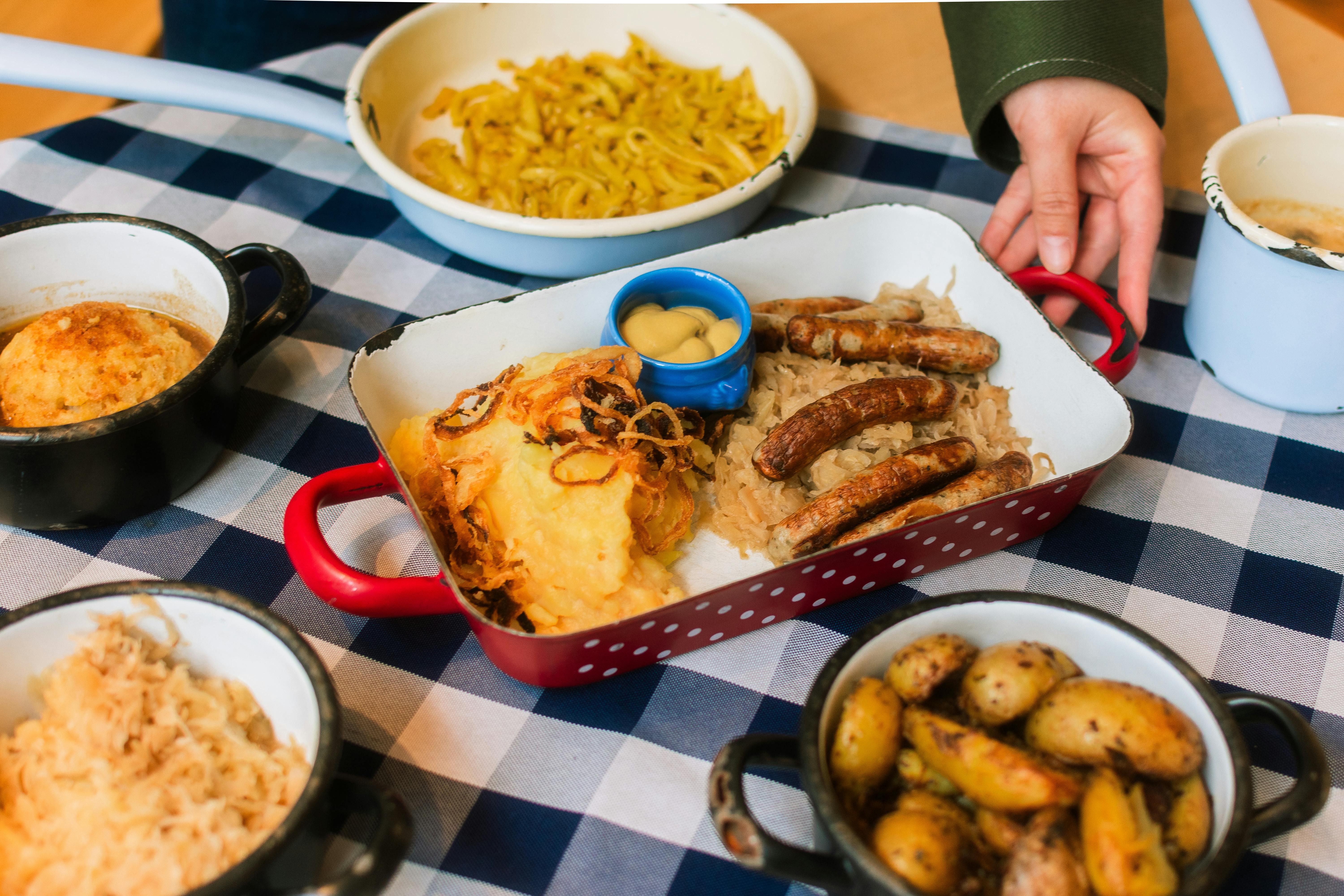
Belgian influence in North America is easy to underestimate because it often arrived quietly through broader European food habits rather than through a single famous chain or branded cuisine wave. Across the 19th and 20th centuries, fry traditions, casual canteen service, and hearty sauce-based eating moved with migrants and workers. Quebec's casse-croûtes were exactly the kind of places where such ideas could be adapted fast.
By the time poutine appeared, the setting was perfect. Roadside diners needed inexpensive ingredients, fast assembly, and broad appeal. Fries were cheap, gravy stretched kitchen resources, and curds were nearby. Belgium may not have handed Quebec a recipe card, but it likely helped provide the culinary blueprint that made the dish feel natural, practical, and irresistible.
Why Belgium deserves more credit today
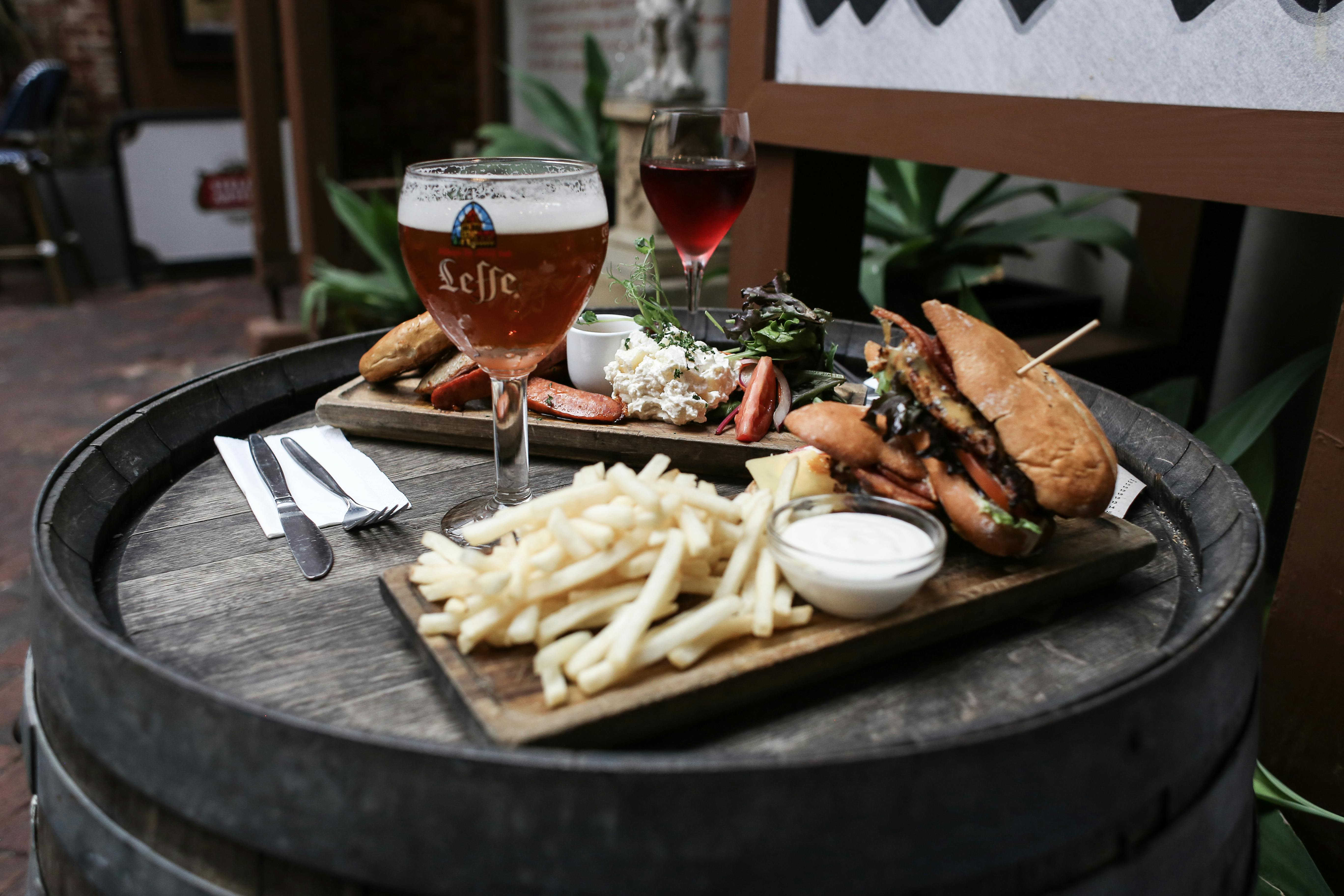
Modern food scholarship tends to be careful about absolute origin claims, and rightly so. Poutine was born in Quebec, full stop. But when the question shifts from birthplace to inspiration, Belgium stands out as the most persuasive answer because of its unmatched fries culture and its long tradition of pairing potatoes with rich savory toppings.
That distinction matters because it gives poutine a fuller story. It is not less Canadian because it reflects outside influence. In fact, it is more interesting: a dish shaped by Quebec's local dairy and diner culture, but nudged into existence by the country that arguably understands fried potatoes better than anyone else.



Leave a Reply