
Good intentions fill a lot of grocery carts. By the end of the week, many people are looking at the same purchase with frustration.
Why fresh produce tops the regret list
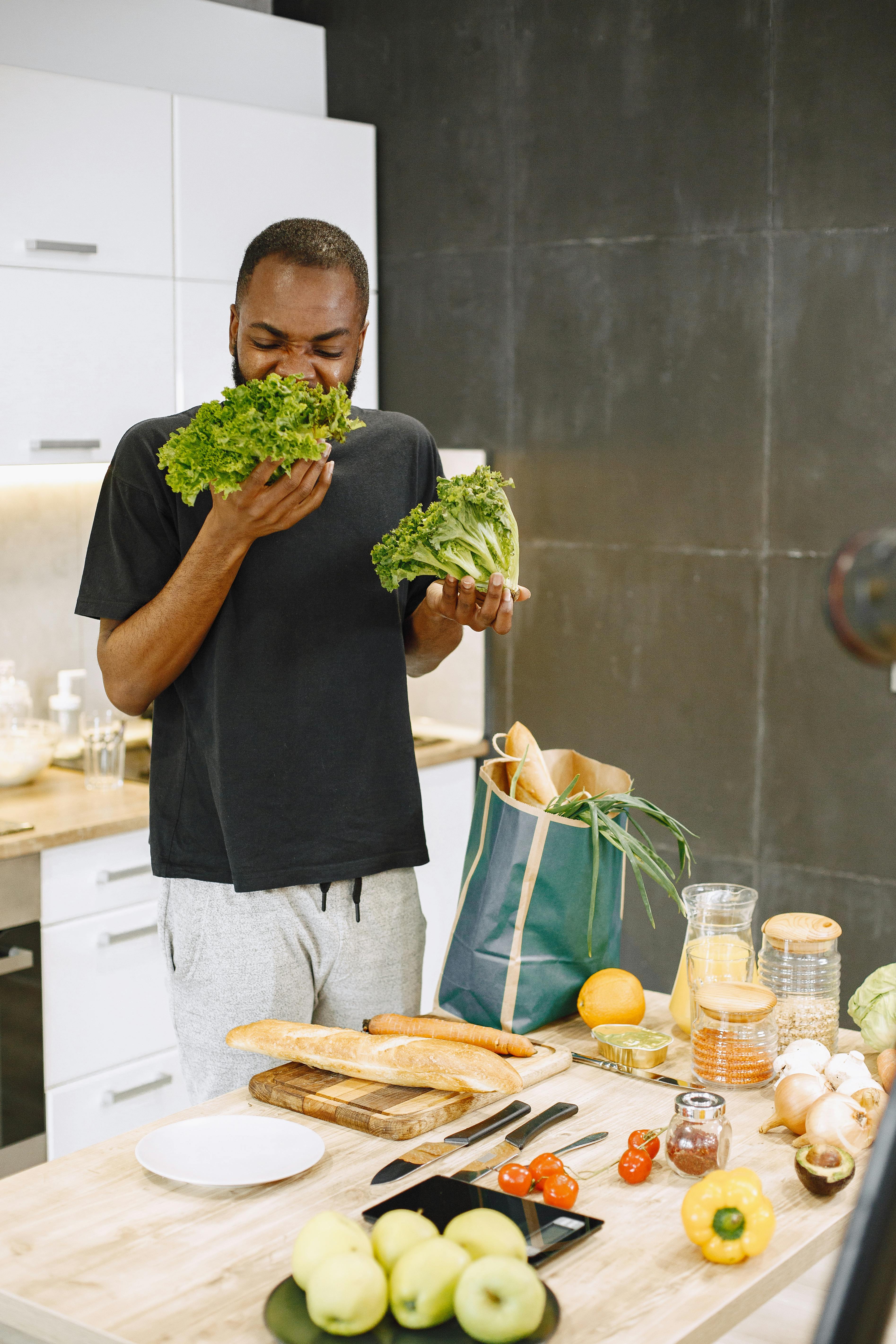
The most regretted food purchase for many people is fresh produce, especially bagged salad, berries, herbs, spinach, and bananas. These items signal healthy plans, but they also spoil quickly and often lose quality before households can use them. In national food waste discussions, produce consistently appears near the top because it is highly perishable and commonly overbought.
This regret is not only about spoilage. It is also about optimism. Shoppers buy for the person they hope to be that week, someone who cooks nightly, packs better lunches, and snacks on fruit instead of convenience food.
Statistics from food waste organizations show households discard large amounts of edible food every year, with fruits and vegetables among the biggest categories. When a clamshell of berries molds in two days or lettuce turns slimy by Thursday, the financial sting feels immediate because the waste is visible and avoidable.
The habits that turn healthy purchases into waste

The pattern usually starts with ambition. A shopper enters the store with a loose plan, sees attractive displays of fresh produce, and adds more than the household can reasonably eat in 4-5 days. Without a clear meal schedule, the most delicate items become the first to fail.
Busy routines make the problem worse. Commutes, school activities, changing dinner plans, and takeout nights push fragile ingredients to the back of the fridge. Produce is often purchased first and used last, even though it should be the other way around.
Storage mistakes also matter more than people think. Herbs dry out, berries trap moisture, bananas ripen too fast near other fruit, and salad greens deteriorate quickly in poorly sealed packaging. Regret often comes from not realizing that small handling and storage choices can shorten usable life by several days.
The real cost of throwing out produce

Food waste feels minor when it happens item by item, but the annual cost is significant. A few forgotten cucumbers, a box of spring mix, and unused avocados can quietly add up to hundreds of dollars per household. In a period of high grocery prices, that loss matters more than ever.
The environmental cost is just as serious. Producing fruits and vegetables requires land, water, transport, refrigeration, and packaging. When edible produce is discarded, all of those inputs are wasted too, and decomposing food adds to greenhouse gas emissions.
There is also a psychological cost. Repeatedly throwing out produce can make shoppers feel guilty, disorganized, or less capable of eating well on a budget. That frustration often leads people to avoid buying fresh foods entirely, which can push them toward more expensive prepared options later in the week.
How stores encourage overbuying without saying so
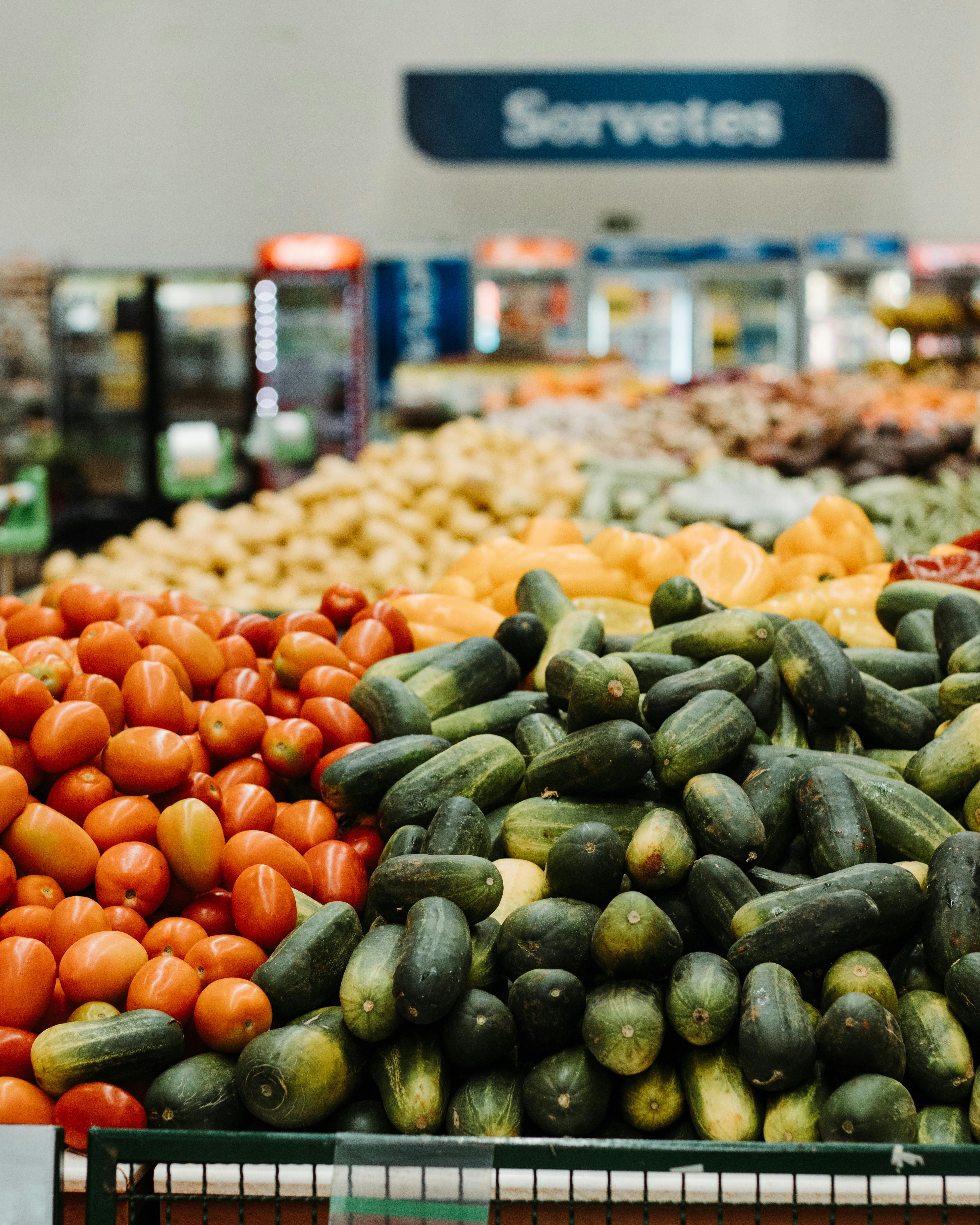
Retailers understand that fresh produce shapes the emotional tone of a grocery trip. Large, colorful displays near the entrance create a sense of abundance, health, and value. That atmosphere helps shoppers feel they are making smart choices before they have fully planned what they need.
Packaging and pricing can also nudge people toward excess. Multi-buy promotions, oversized clamshells, family-size bags, and limited-time discounts make larger quantities seem economical, even when the household cannot finish them. A lower unit price often hides a higher total waste cost.
Seasonal merchandising adds another layer. When cherries, peaches, asparagus, or fresh herbs are prominently featured, shoppers respond to freshness cues and fear of missing out. The result is a cart filled by inspiration rather than realistic consumption, which is exactly where regret begins.
Which items are especially risky in Canadian kitchens
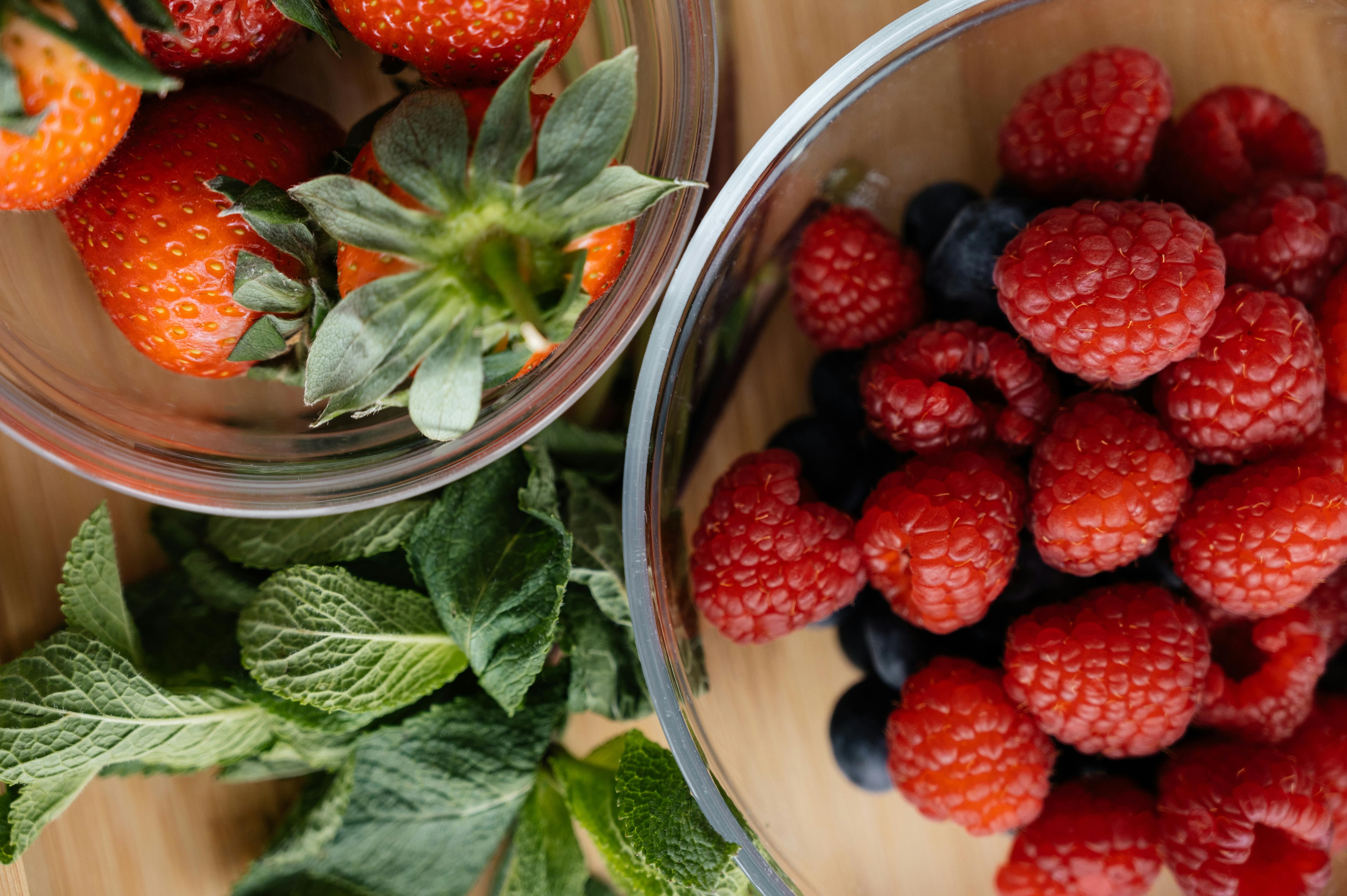
Some foods are simply more fragile than others. Bagged salad is one of the biggest regret purchases because it is processed, moist, and prone to fast decline once opened. Berries are similarly risky, especially raspberries and strawberries, which can shift from perfect to moldy in a very short window.
Fresh herbs are another repeat offender. Cilantro, parsley, dill, and basil are often needed in small amounts, but sold in bunches that exceed what many households use. The remaining portion frequently wilts before the next recipe appears.
Avocados, bananas, mushrooms, and spring greens also create trouble because their ripeness window is narrow. In colder Canadian months, people may shop less often and buy more at once, which increases the chance that delicate items will not survive until the next planned meal.
Smarter ways to shop, store, and spend less

The best solution is not to stop buying produce. It is to buy with a tighter plan. Start by choosing 3-4 produce items for specific meals and 1-2 for snacks, rather than filling the cart with every healthy option that looks appealing.
A use-first strategy works well. Eat the most delicate produce in the first 48 hours, save sturdier items like carrots and cabbage for later, and prep vegetables as soon as you get home if that makes them more likely to be used. Visibility matters, so keep perishables at eye level.
People can also mix fresh, frozen, and shelf-stable foods more strategically. Frozen berries, spinach, and broccoli often deliver equal nutritional value with far less waste. Smaller shops, single-item purchasing, and one midweek top-up trip can reduce regret dramatically while keeping both budgets and compost bins under better control.




Leave a Reply