
Few Canadian debates get as lively as this one. Put Alberta and British Columbia at the same table, and the conversation quickly turns into a proud showdown over what belongs on the plate.
Why this rivalry feels bigger than food

This argument lasts because it is never only about taste. In Canada, food often stands in for region, politics, climate, and lifestyle, and Alberta and BC represent sharply different versions of all four.
Alberta projects abundance through ranching, grain farming, and big-sky pragmatism. BC leans into coastal freshness, orchard fruit, wine, and a farm-to-table image that feels tied to wellness and environmental awareness.
That contrast gives people easy symbols to defend. One side praises hearty, protein-forward meals rooted in the Prairies, while the other points to seafood, produce, and culinary diversity shaped by the Pacific Rim.
Alberta's strongest card is still beef
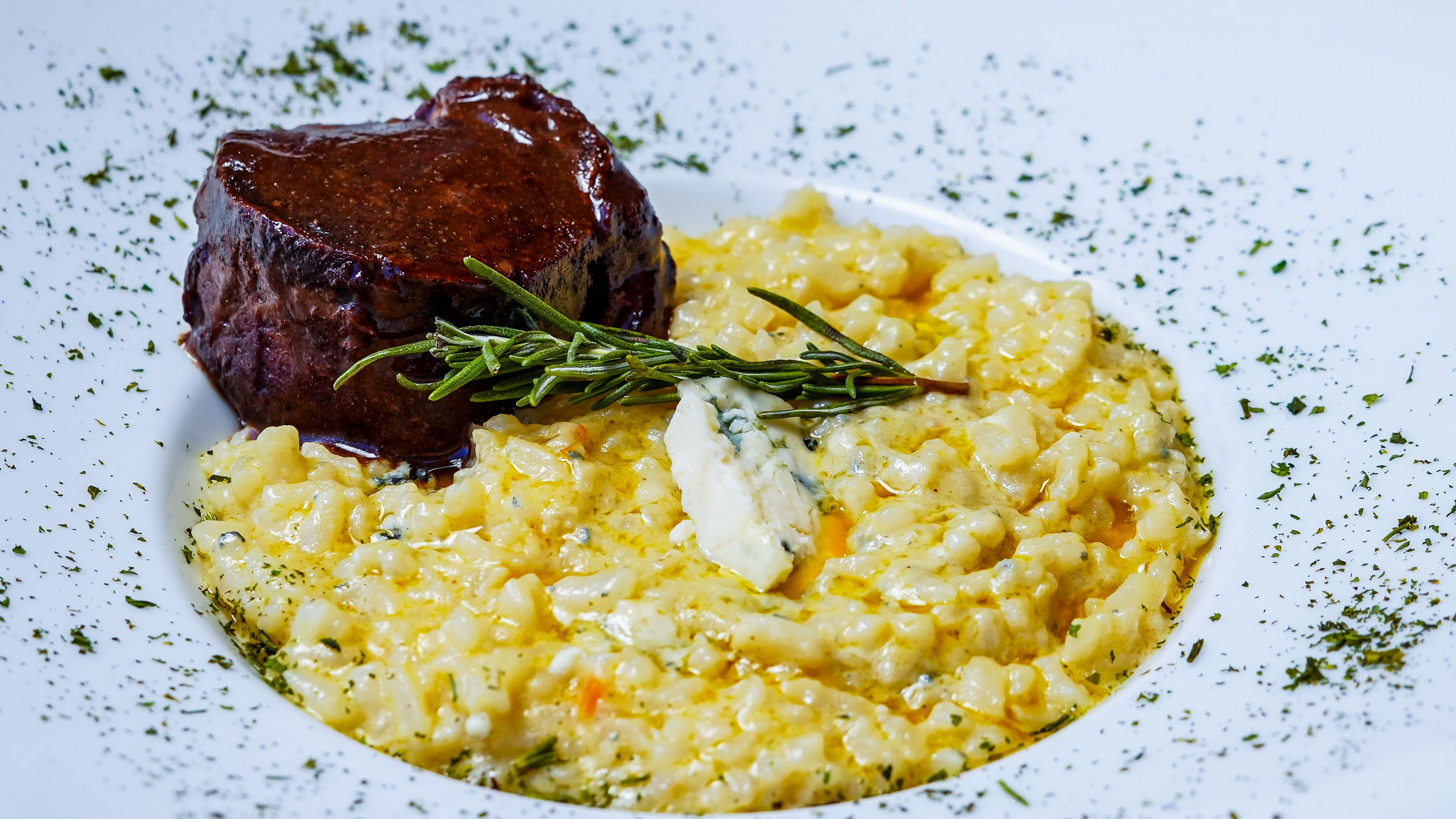
If this were settled by a single ingredient, Alberta would have a powerful case. The province is home to the largest cattle industry in Canada, with ranching and feedlot operations that have made Alberta beef a national shorthand for quality and consistency.
The numbers matter because they support the mythology. Alberta accounts for most of Canada's beef production, and the industry has long benefited from strong processing capacity, export networks, and generations of expertise in breeding and feeding cattle.
For many Canadians, a premium steakhouse experience still begins with Alberta beef. Restaurants across the country use that label because it signals marbling, reliability, and a certain straightforward luxury that fits Alberta's identity almost perfectly.
BC answers with salmon, spot prawns, and produce

BC's reply is that a modern food culture cannot live on steak alone. Its advantage is range, from wild and farmed salmon to Dungeness crab, spot prawns, cherries, blueberries, mushrooms, and vegetables from the Fraser Valley and Okanagan.
Geography explains much of that strength. A milder climate, long growing regions in key valleys, and immediate access to Pacific waters allow BC chefs and home cooks to work with ingredients that feel seasonal, local, and varied through much of the year.
The province also benefits from strong Asian culinary influence, especially in Metro Vancouver. That has helped shape a food scene where sushi, dim sum, ramen, and seafood-forward fusion dishes are not niche trends but part of everyday eating.
The real split is culture as much as cuisine

Ask supporters of each province what makes their food better and they often describe a worldview. Alberta's image centers on generosity, barbecue, diners, comfort food, and the idea that simple ingredients done well do not need theatrical presentation.
BC's image is more curated and ingredient-led. Menus often emphasize origin, sustainability, small producers, and lighter preparations, which appeals to diners who care about traceability, health, and contemporary restaurant culture.
Neither approach is inherently superior, which is why the fight stays unresolved. Some Canadians hear authenticity in a steak and baked potato, while others see sophistication in cedar-planked salmon, natural wine, and hyper-seasonal vegetables.
Money, tourism, and branding keep the debate alive

This rivalry persists because food is now a serious economic story. Alberta beef is a major domestic and export product, while BC markets not only seafood and produce but also wine, cider, agritourism, and destination dining.
Tourism boards and restaurant industries amplify the contrast because it works. Calgary and Edmonton promote steak, smokehouses, and local ranching heritage, while Vancouver, Victoria, and the Okanagan sell ocean views, winery meals, and fruit-country abundance.
Retail branding adds another layer. Labels such as Alberta beef or BC salmon carry emotional weight in grocery stores, and that gives consumers a sense that choosing dinner can also mean choosing a side in a regional identity contest.
So who actually wins this Canadian argument?
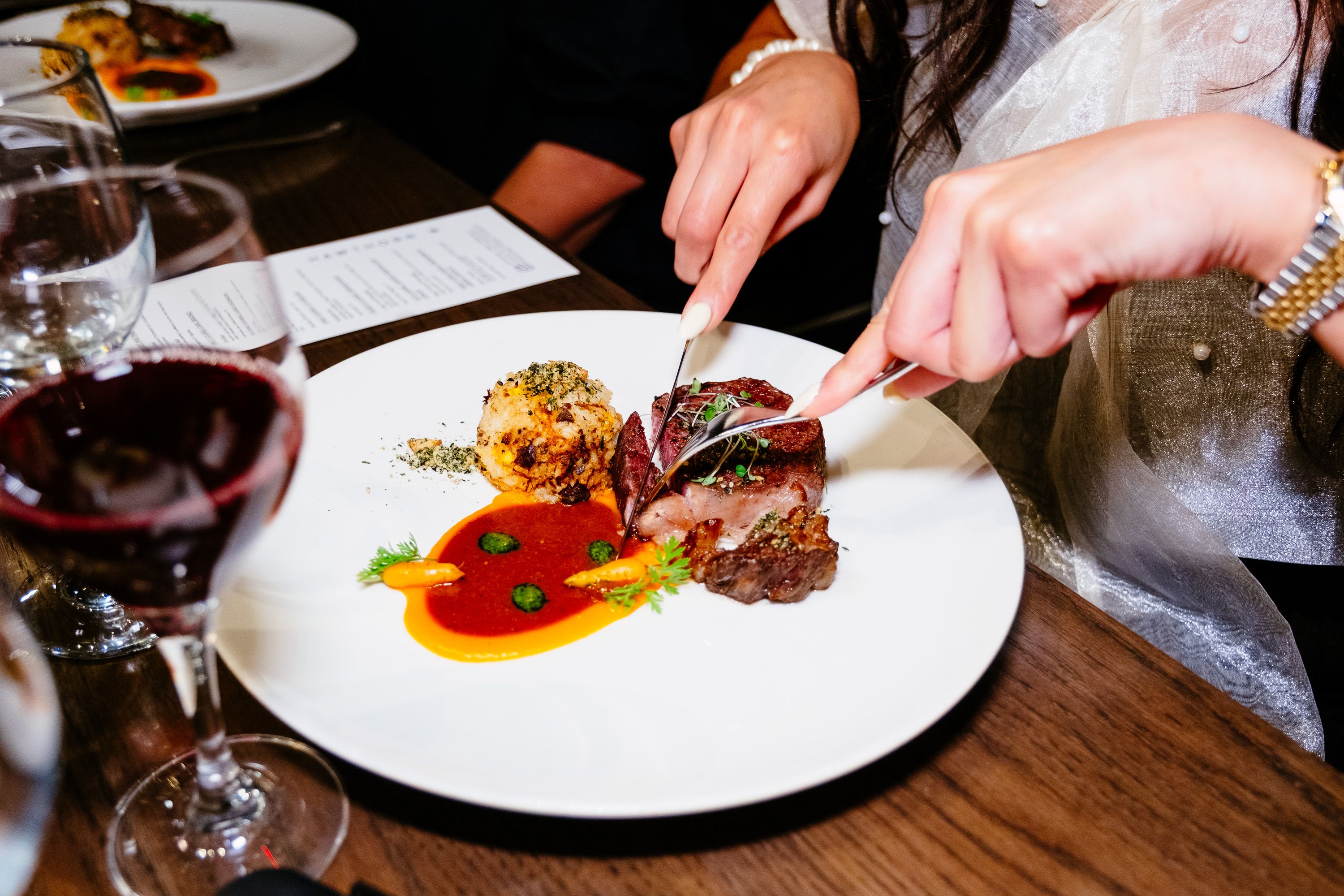
The honest answer is that the winner changes with the standard being used. If the test is iconic red meat, Alberta remains difficult to beat, and its reputation rests on a production system that Canadians have trusted for decades.
If the test is variety, seafood access, wine pairing, and year-round produce appeal, BC makes a deeper and broader case. Its food culture feels especially strong to diners who value freshness, diversity, and restaurant innovation.
That is why every Canadian seems to have an opinion. Alberta offers the confidence of a great steak, BC offers the seduction of the Pacific table, and the country is fortunate that this particular fight ends with dinner, not division.



Leave a Reply