
Canada's food sector is attracting serious money. Much of it is happening quietly, through plant upgrades, distribution expansions, and supply-chain bets that reveal where the industry thinks growth will come from next.
Why Canada has become a strategic food market

What makes Canada attractive is not just population growth. It is also a stable regulatory environment, access to high-quality agricultural inputs, and trade links that let companies serve both domestic and export markets from one base.
Food companies also see a consumer market that keeps evolving. Demand for premium products, private-label goods, prepared meals, and healthier options has stayed strong even as households watch prices closely.
Another factor is resilience. After years of supply disruptions, many manufacturers now want more production closer to end customers, and Canada offers room for expansion in meat, dairy, bakery, frozen foods, and beverage processing.
Multinational manufacturers are expanding plants and capacity
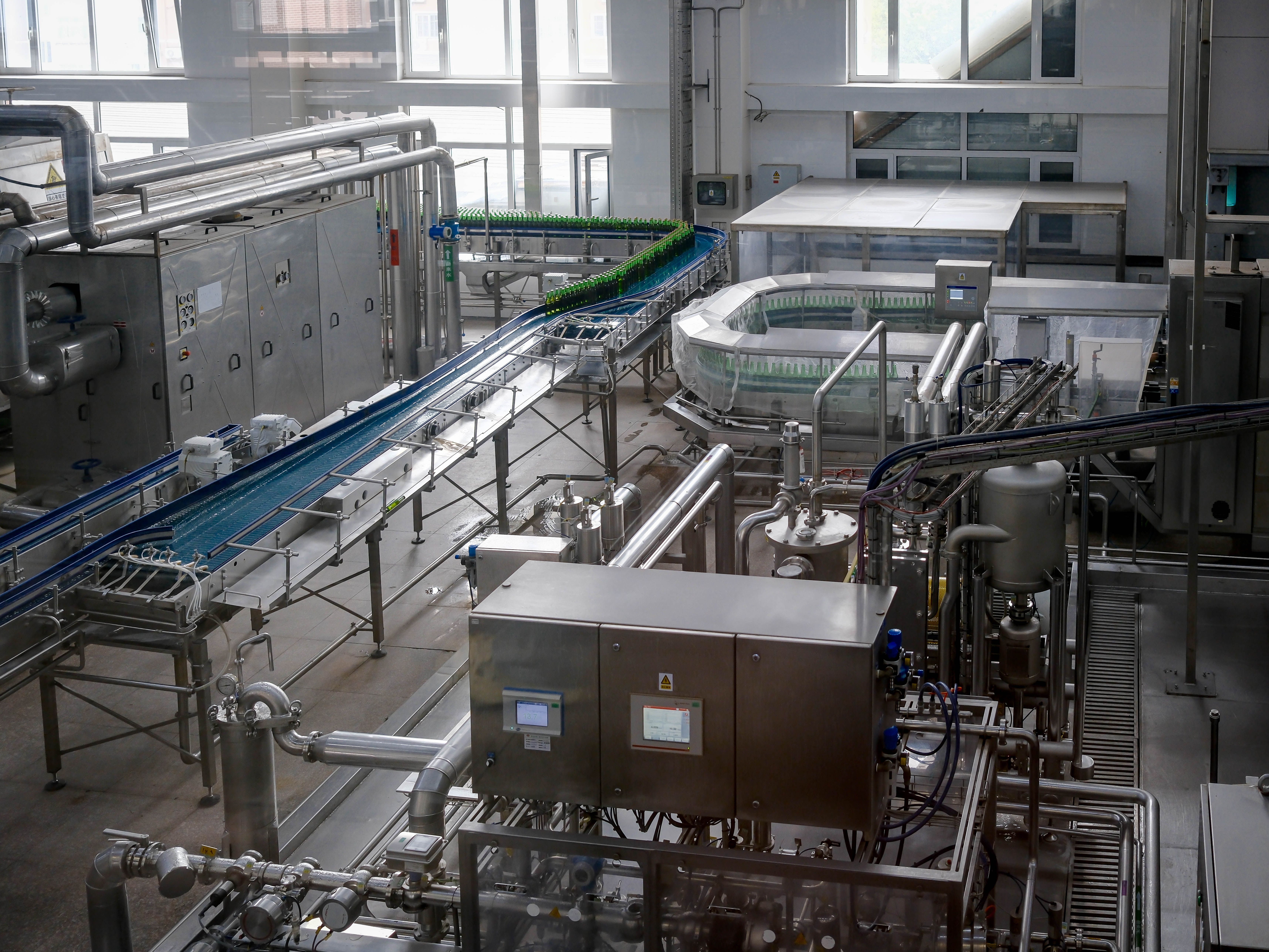
Some of the biggest investments are coming from global packaged food and ingredient companies. Firms such as Nestlé, Kraft Heinz, PepsiCo, Maple Leaf Foods, and Cargill have all made significant commitments in Canada over recent years through plant modernization, automation, and capacity increases.
These projects are often not flashy consumer announcements. Instead, they involve new lines for pet food, beverages, condiments, proteins, snacks, and prepared foods, along with warehouse improvements that lower transportation costs and speed up deliveries.
According to industry reporting and company statements, manufacturers are spending to improve efficiency as much as output. Robotics, energy-saving equipment, and more advanced quality-control systems are now central to how food plants justify multi-million-dollar expansions.
Grocery giants are investing beyond the sales floor
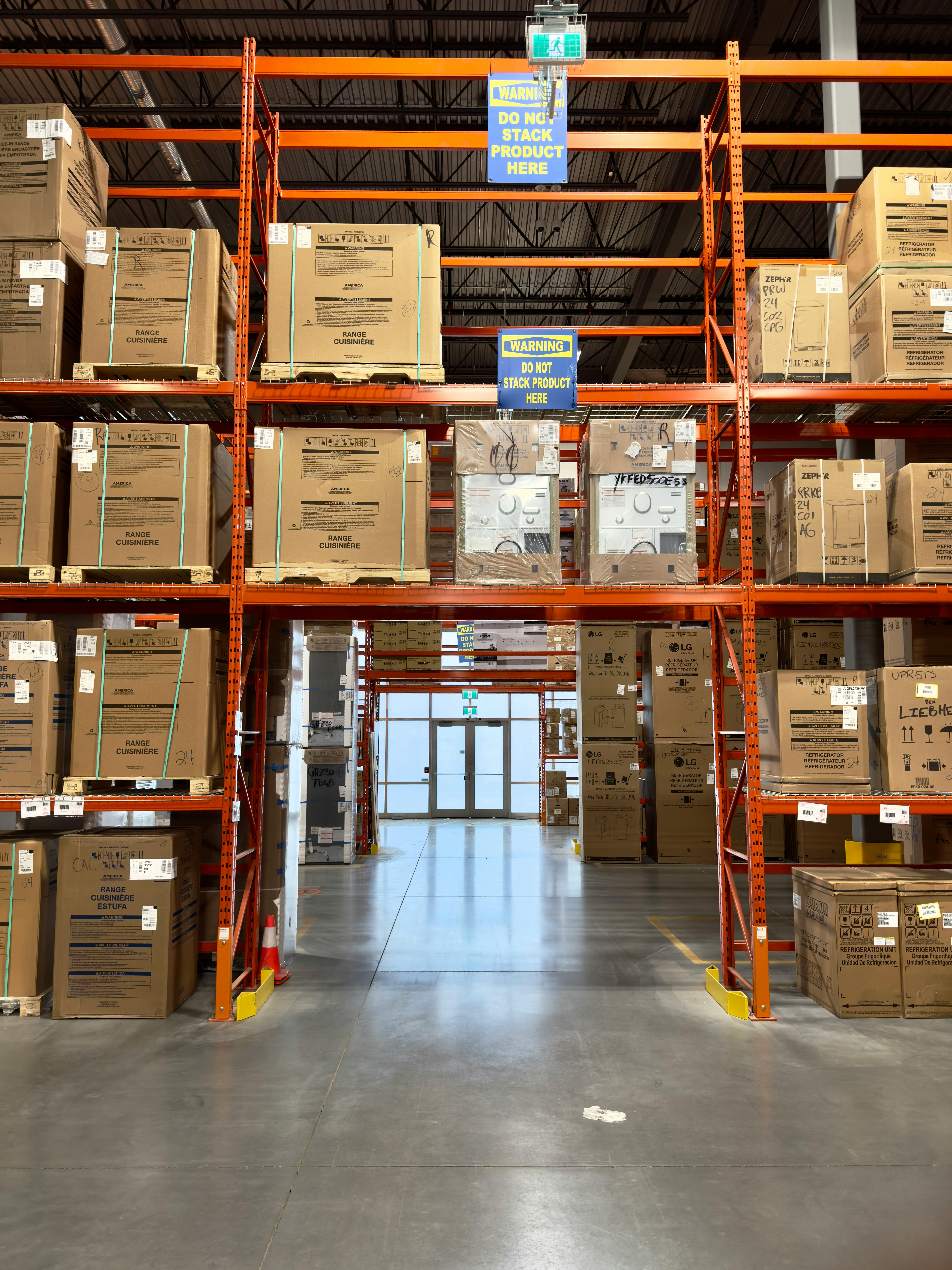
Canada's largest grocers are also spending heavily, but not only on new stores. Loblaw, Empire, Metro, and Walmart Canada have been directing capital toward distribution centres, e-commerce fulfillment, refrigeration upgrades, and private-label product development.
That matters because grocers increasingly act like food manufacturers and logistics operators at the same time. A stronger warehouse network helps them move fresh produce, frozen goods, and shelf-stable products more efficiently across a vast country.
Private-label growth is a major part of the story. As consumers search for value, retailers are investing in in-house brands, packaging improvements, and supplier partnerships that can lift margins while giving shoppers lower prices than many national brands.
Restaurants and quick-service chains are scaling up quietly
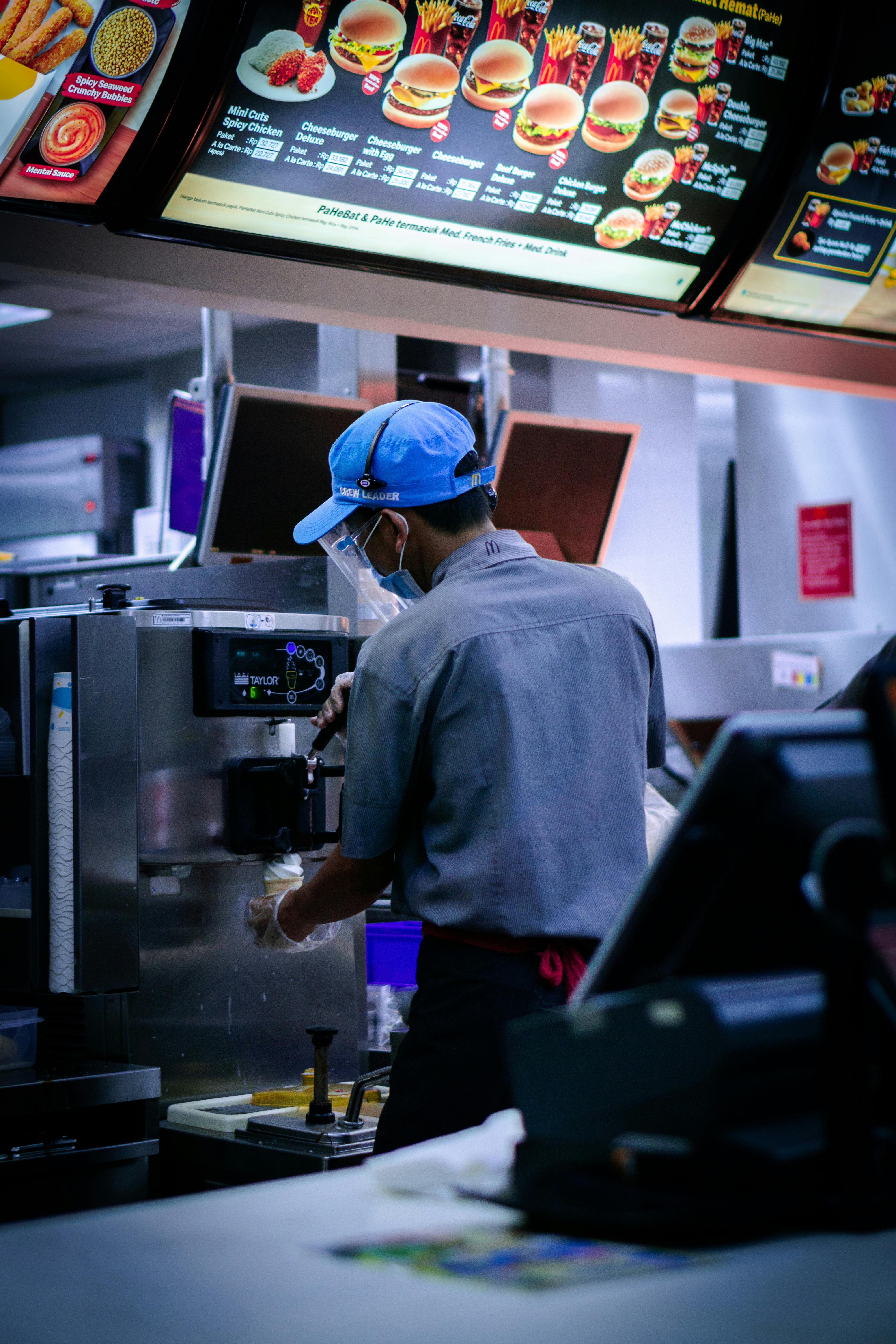
The restaurant side of food investment is easy to miss because it is spread across hundreds of locations. Yet chains such as Tim Hortons, McDonald's Canada, Restaurant Brands International banners, and other quick-service operators are steadily putting money into remodels, kitchen technology, and digital ordering systems.
A renovated restaurant is more than a cosmetic update. It often includes faster drive-thru equipment, upgraded coffee and beverage systems, better cold storage, and layouts built around mobile pickup and delivery demand.
These investments ripple through the wider economy. Equipment suppliers, dairy processors, bakeries, meat producers, and packaging firms all benefit when a large chain modernizes its footprint and tightens its Canadian sourcing relationships.
The biggest bets are in logistics, automation, and local supply

One clear trend stands out across the sector. Food companies are no longer investing only in what consumers see on shelves, but in the hidden systems that determine whether products arrive on time, stay fresh, and remain affordable.
Cold-chain infrastructure has become especially important. New refrigerated facilities, fleet upgrades, and smarter inventory software help reduce spoilage, improve food safety, and manage the higher costs tied to transporting perishables across long distances.
Local sourcing is another major driver. Companies want dependable access to Canadian grains, potatoes, dairy, poultry, and beef, both to reduce risk and to appeal to shoppers who care about domestic production and supply transparency.
What these investments mean for consumers and the economy

For consumers, these investments may show up gradually rather than dramatically. Better in-stock rates, more Canadian-made products, fresher prepared foods, and improved value offerings are often the first visible signs that capital is flowing through the system.
For workers and regional economies, the effects can be substantial. Plant expansions create construction jobs first, then permanent roles in operations, maintenance, food safety, engineering, and transportation, especially in Ontario, Quebec, Alberta, and the Prairie provinces.
The larger message is that major food companies are not treating Canada as a side market. They are committing real money to production, distribution, and retail infrastructure because they expect demand, scale, and strategic importance to keep rising for years.




Leave a Reply