
Food is supposed to sustain life. In some of history's darkest chapters, it became a tool of suffering, control, and slow destruction.
Starvation As Policy, Not Accident

Some of the worst food atrocities were not caused by crop failure alone. They were sharpened by political decisions that turned shortages into mass death.
The Great Famine in Ireland is often remembered as a potato disaster, but the reality was more brutal. While blight destroyed a staple crop in the 1840s, food continued leaving Ireland for export under British rule. Historians have long argued that ideology, weak relief efforts, and landlord interests worsened a catastrophe that killed about 1 million people and forced millions more to flee.
A similar pattern appeared in Soviet Ukraine during the Holodomor of 1932-1933. Grain requisition quotas remained punishing even as villages starved, and movement was restricted so people could not easily escape in search of food. Many scholars describe it as a man-made famine because state policy did not simply fail to stop hunger, it deepened it.
Siege Diets That Reduced People To Survival Math

When cities were surrounded, food stopped being cuisine and became arithmetic. Calories, crusts, and scraps determined who could last another week.
During the Siege of Leningrad in World War II, civilians endured one of the harshest urban famines in modern history. According to widely cited historical records, bread rations at times fell to 125 grams a day for some residents, and even that bread was often stretched with fillers. People ate glue, wallpaper paste, pets, and anything remotely digestible while cold and disease weakened them further.
The Warsaw Ghetto showed a similarly cruel structure of hunger. Nazi occupation authorities restricted Jews to starvation-level rations that were far below basic human needs. Smuggling food became both an act of resistance and a necessity for life, yet many still died from hunger and related illness before deportation or execution ever came.
Colonial Famines And The Violence Of Extraction

Empire often claimed to bring order, but its food systems frequently drained colonized people first. When shortages hit, those already exploited suffered the most.
The Bengal Famine of 1943 remains one of the clearest examples. A combination of wartime disruption, inflation, policy failures, and rice supply shocks sent food prices beyond reach for millions in British India. Research over decades has shown this was not a simple case of no food existing at all, but of food becoming inaccessible to the poor, with mortality estimates commonly reaching around 3 million.
In many colonial systems, cash crops displaced local food security. Land that might have sustained communities instead served imperial trade in sugar, cotton, rubber, or tea. The result was a recurring pattern where populations produced wealth for distant powers while becoming frighteningly vulnerable to hunger at home.
Prisoners, Camps, And The Weaponization Of Meals
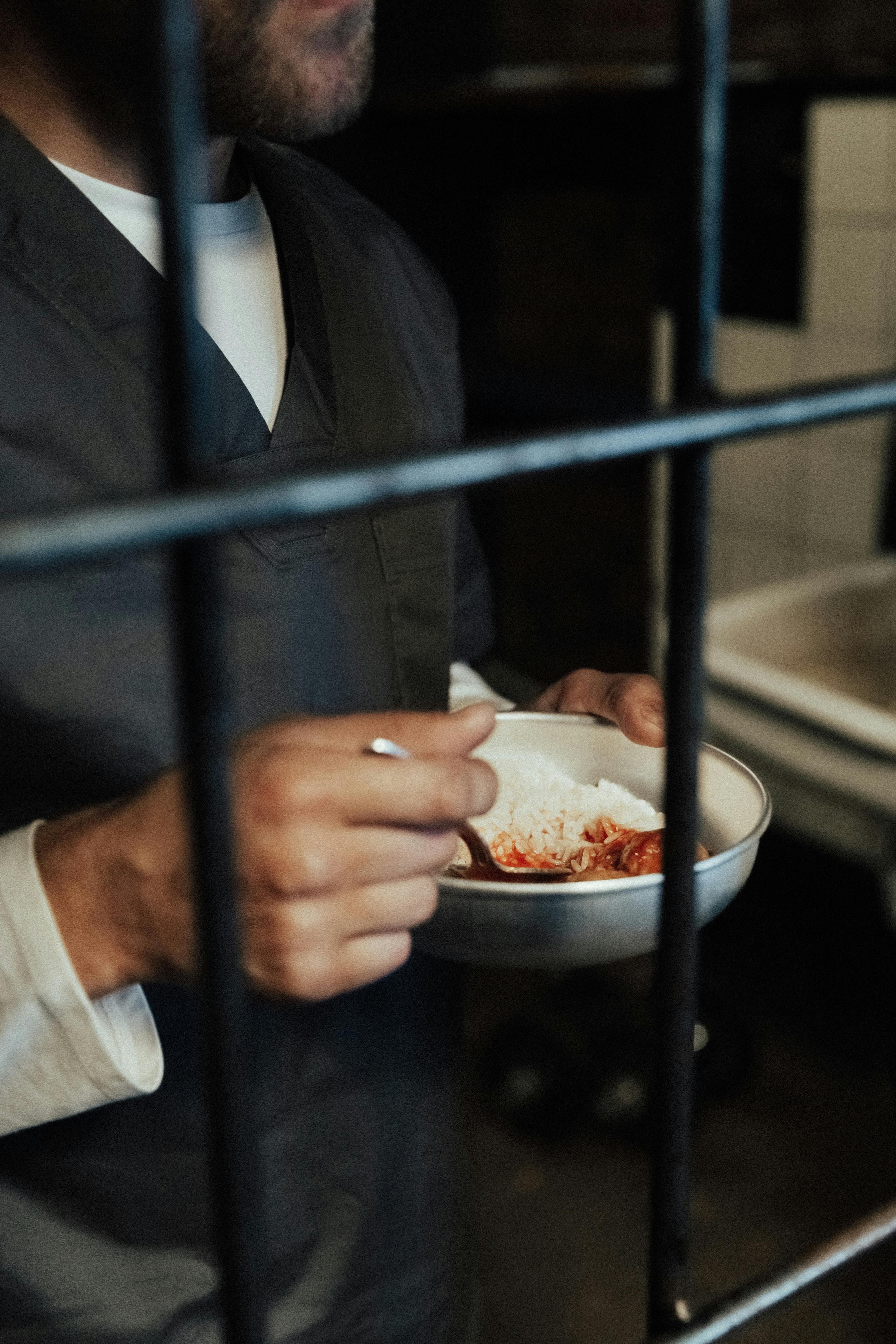
Few settings expose food as an instrument of domination more clearly than prisons and camps. There, rations were designed not merely to sustain bodies, but to break them.
In Nazi concentration camps, food was intentionally inadequate, filthy, and nutritionally devastating. Survivors described watery soup, contaminated bread, and tiny portions that led to severe wasting, edema, and immune collapse. Starvation worked alongside forced labor and disease, making food deprivation a central part of the killing system.
Soviet Gulag prisoners also faced punishing hunger, often tied directly to labor output. Those who worked less, whether from illness or exhaustion, could receive less food, creating a lethal cycle. Similar patterns appeared in Japanese prisoner-of-war camps, where meager rations, vitamin deficiencies, and contaminated supplies left lasting damage even among those who survived.
Toxic Food And Desperate Eating In Crisis

Sometimes the atrocity was not only too little food, but food that harmed the people forced to eat it. In desperate conditions, danger could sit inside the meal itself.
In multiple famines, people turned to adulterated bread bulked out with sawdust, husks, or other fillers. In Leningrad, bread substitutes became infamous because they offered weight without real nourishment. Across wartime Europe and elsewhere, ersatz foods were often nutritionally hollow, and some improvised ingredients caused digestive illness or poisoning.
There are also repeated records of populations eating seed grain, spoiled stores, or famine foods that required careful preparation to avoid toxins. Cassava, for example, can be lifesaving when processed correctly but dangerous when rushed or mishandled. Hunger strips away safe choices, and history shows that desperation often forced people to eat what the body was never meant to trust.
Why These Histories Still Matter

These stories matter because food injustice did not vanish with the past. Modern conflicts and political failures still show how hunger can be manufactured, prolonged, or ignored.
The United Nations and major humanitarian agencies have repeatedly warned that siege warfare, blocked aid, crop destruction, and price shocks continue to push civilians toward famine conditions. From Yemen to parts of Sudan, access to food remains shaped by power as much as by weather. The old lesson is painfully current: starvation is often a decision made somewhere above the dinner table.
Remembering these atrocities changes how we view food itself. It is not only culture, pleasure, or identity, though it is all of those things. It is also evidence of who holds power, who is protected, and who is left to survive on almost nothing.




Leave a Reply