
A rock-hard mango can test anyone's patience. The good news is that fruit experts agree there are safe ways to speed things up and get sweeter, softer mangoes in far less time.
Why mangoes keep ripening after you buy them
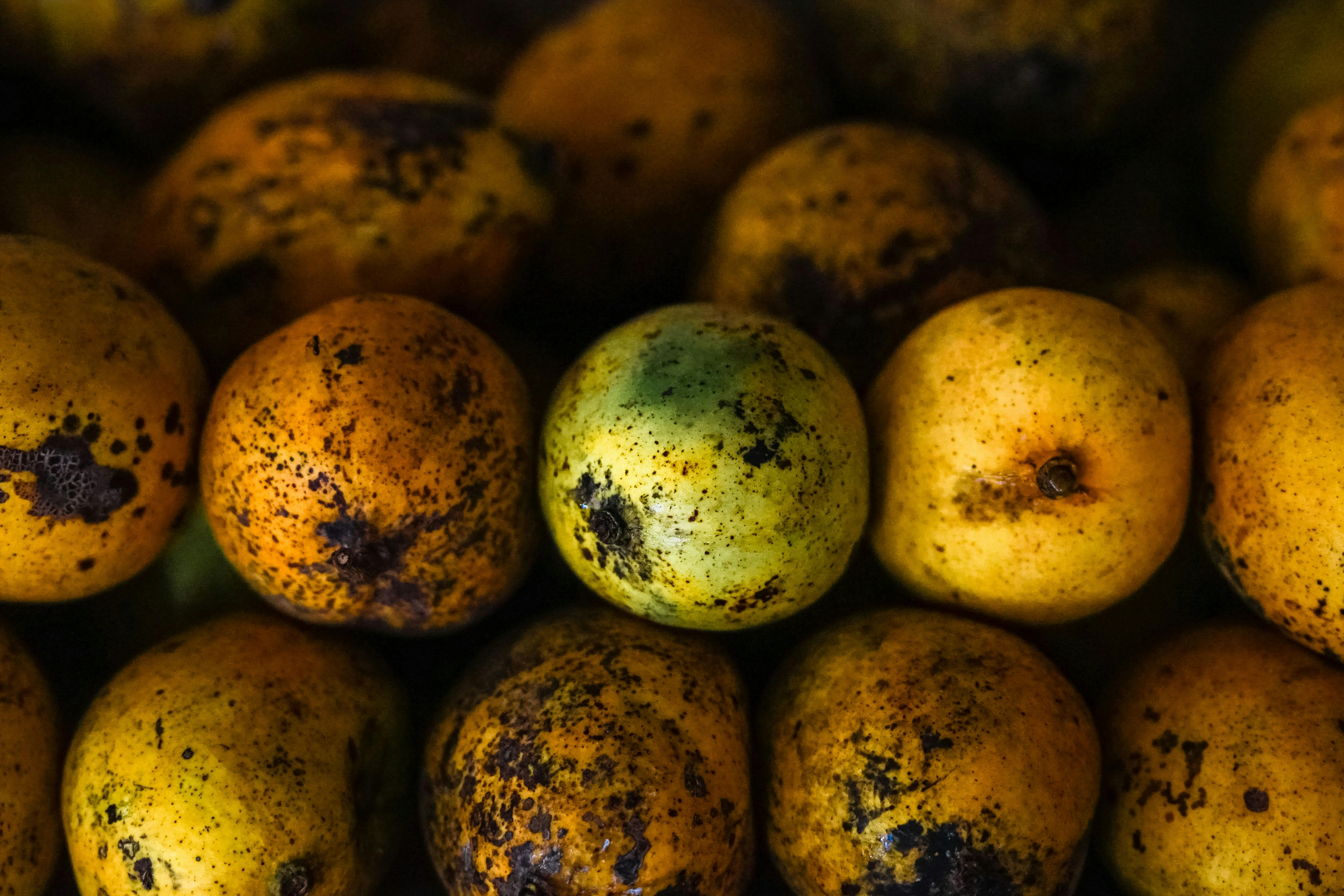
Mangoes are climacteric fruit, which means they continue to ripen after harvest. As they ripen, they produce ethylene gas, a natural plant hormone that triggers softening, color change, and sugar development.
That is why a firm mango from the store can become juicy on your counter within a few days. According to postharvest fruit specialists, the process moves faster when mangoes are kept at moderate room temperature rather than in a cold refrigerator.
Ripening also depends on variety, harvest maturity, and storage history. A mature but firm mango will ripen well, while an immature one may soften without ever developing full sweetness. That is an important difference experts often point out.
The fastest expert-approved method is the paper bag trick
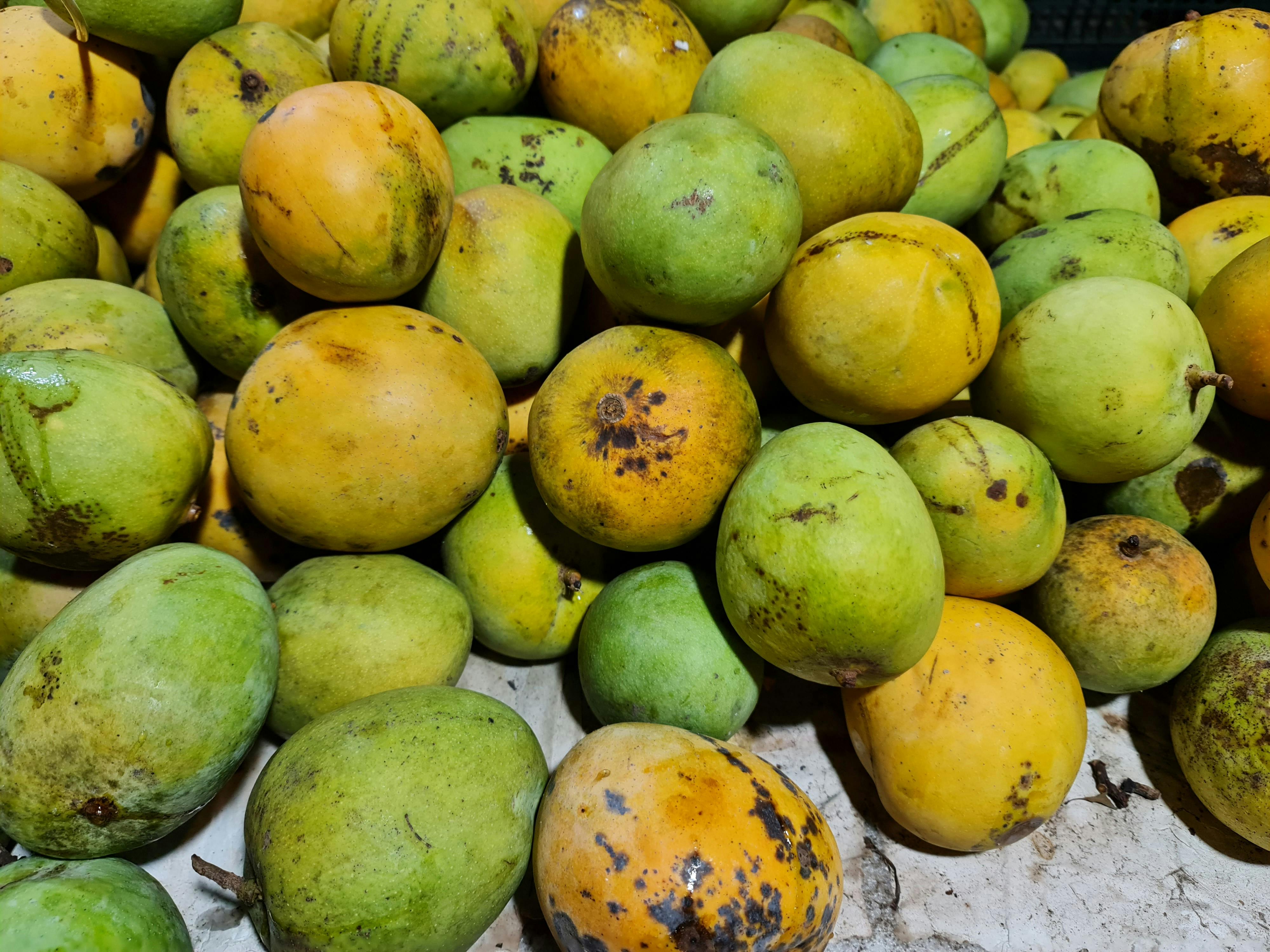
If speed is your priority, fruit handlers and produce experts usually recommend placing mangoes in a paper bag. This works because the bag traps some of the ethylene gas the fruit naturally releases, creating a small ripening chamber around it.
For even faster results, add a ripe banana or apple to the same bag. Both fruits release extra ethylene, which can noticeably shorten ripening time. In many home kitchens, this method can turn a firm mango ready in about 1-2 days instead of 3-5.
Keep the bag loosely folded, not sealed airtight. The fruit still needs some airflow to prevent excess moisture buildup, which can encourage spoilage. Set the bag on the counter, away from direct sun and heat vents.
Room temperature matters more than most people think
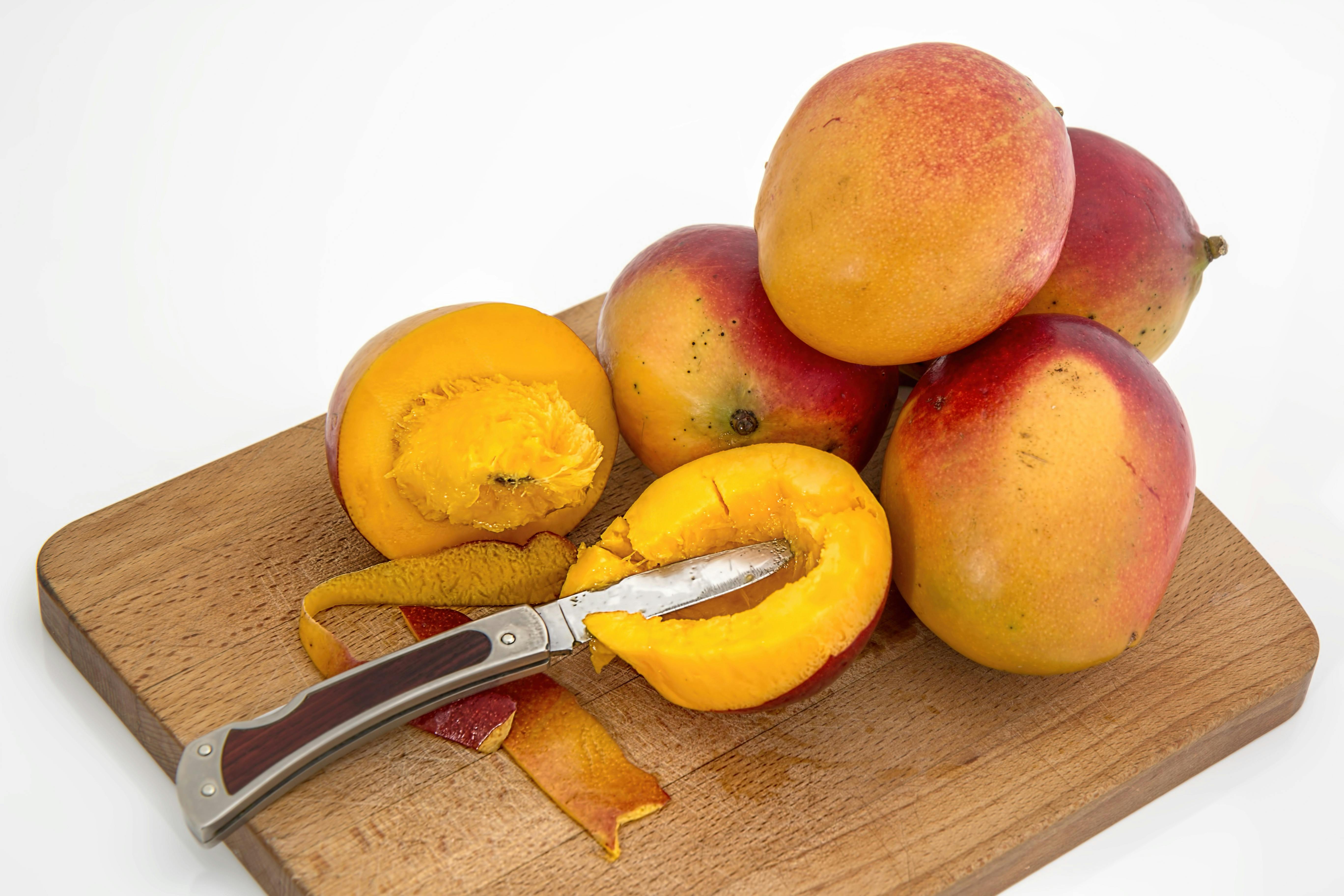
Warmth speeds ripening, but too much heat can damage flavor and texture. Fruit experts generally say the sweet spot is normal indoor room temperature, roughly 68°F to 77°F, where mangoes can ripen steadily without shriveling.
A sunny windowsill may seem helpful, but direct sunlight can overheat the fruit's skin before the inside catches up. That often leads to uneven softening, wrinkling, or a fermented taste. Gentle ambient warmth is more reliable.
Cold temperatures do the opposite. If you refrigerate an unripe mango, the chill slows the enzymes responsible for ripening. In some cases, prolonged cold can interfere with flavor development, leaving the fruit soft but less fragrant and less sweet.
How to tell when a mango is actually ripe
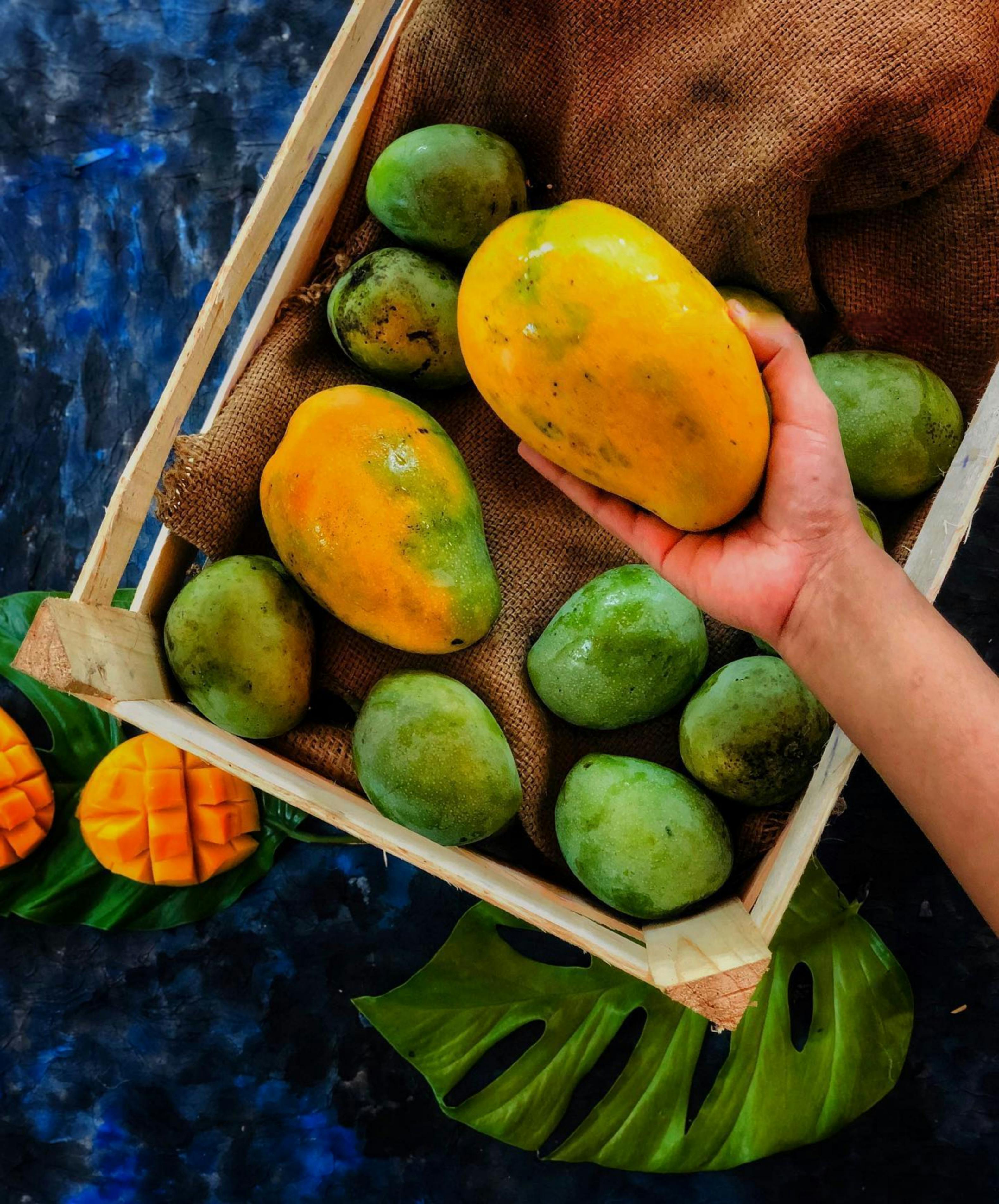
Color alone is not a dependable guide. Some mango varieties stay mostly green even when ripe, while others turn yellow, orange, or red long before the flesh is at its best.
Experts recommend using touch first. A ripe mango should give slightly when pressed, similar to a ripe avocado or peach. It should not feel hard as a rock, but it also should not collapse under gentle pressure.
Smell is another strong clue. Near the stem end, a ripe mango often has a sweet, fruity aroma. If there is little scent, it likely needs more time. If it smells sour or alcoholic, it is probably overripe.
Common shortcuts that experts say to avoid

One of the biggest mistakes is using a plastic bag. Unlike paper, plastic traps too much moisture, which raises the risk of condensation, mold, and sticky surface breakdown before the fruit ripens properly.
Another questionable shortcut is burying mangoes in raw rice. This old trick can work by insulating the fruit and trapping ethylene, but experts say it is less predictable, messier, and easy to overdo because you cannot monitor the fruit easily.
Microwaving is the fastest route in theory, but not true ripening in practice. It softens flesh through heat rather than allowing natural sugar development. The result is often warm, patchy, and disappointing, with poor flavor compared with naturally ripened fruit.
What to do once your mango reaches peak ripeness
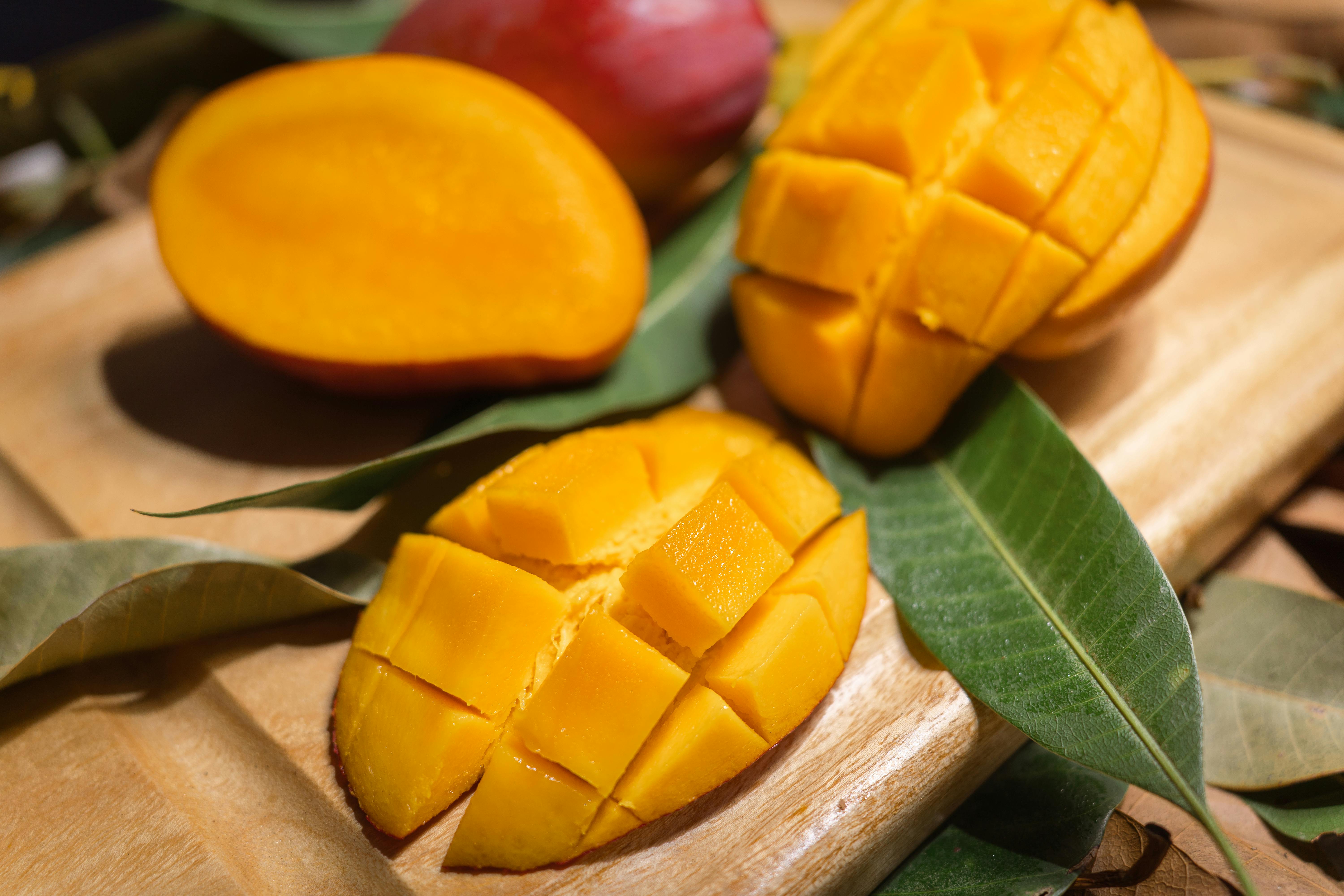
Once the mango gives slightly and smells sweet, move it to the refrigerator. Cooling at that stage slows further ripening and can buy you roughly 2-5 more days before the fruit becomes overly soft.
If you have several mangoes ripening at once, check them daily. One fruit may be ready before the others, especially if sizes or varieties differ. Separating ripe fruit from firm fruit helps you control the timing better.
For longer storage, peel and cut ripe mango into slices or cubes and freeze it. That preserves flavor for smoothies, desserts, or sauces. The fastest way to ripen mangoes is simple: use a paper bag, add a banana or apple, and let ethylene do the work.


Leave a Reply