
Most Canadians see the organic logo and assume the food is cleaner, stricter, and more trustworthy. The uncomfortable truth is that the label often promises less than shoppers think.
The label means something specific, not everything people imagine

At first glance, "organic" sounds like an all-purpose guarantee. In reality, Canada's organic rules are narrowly defined, focusing mainly on how food is produced, processed, and handled under the Canada Organic Regime.
That matters because many consumers read the label as a signal for healthier, more ethical, more local, and more sustainable food all at once. The standard does not automatically guarantee any of those things in full.
A product carrying the Canada Organic logo must contain at least 95% organic ingredients, excluding salt and water. Products with 70% to 95% organic content can identify organic ingredients, but they cannot carry the main logo.
This is the first hidden gap between public belief and regulatory reality. The label is real, but the meaning attached to it in the public mind is often much broader than the legal standard itself.
Imported organic food is where trust becomes harder to measure

Here is where the story gets murkier. A large share of organic food sold in Canada is imported, and that means the system depends heavily on equivalency agreements, foreign certifiers, and supply chains that are difficult for ordinary shoppers to inspect.
Canada recognizes certain foreign organic systems as broadly equivalent rather than identical. That sounds technical, but it has real consequences because "equivalent" does not mean every farm rule, enforcement method, or inspection practice is exactly the same.
According to Canadian Food Inspection Agency guidance, imported products may legally be sold as organic if they meet the terms of these recognition arrangements. For shoppers, however, the logo on the package can make all certified products appear as if they passed through one uniform Canadian system.
That is one of the industry's least discussed realities. The label projects simplicity at the store shelf, while the actual verification chain can stretch across borders, languages, certifiers, and uneven oversight cultures.
Organic does not mean pesticide-free, and that surprises many buyers
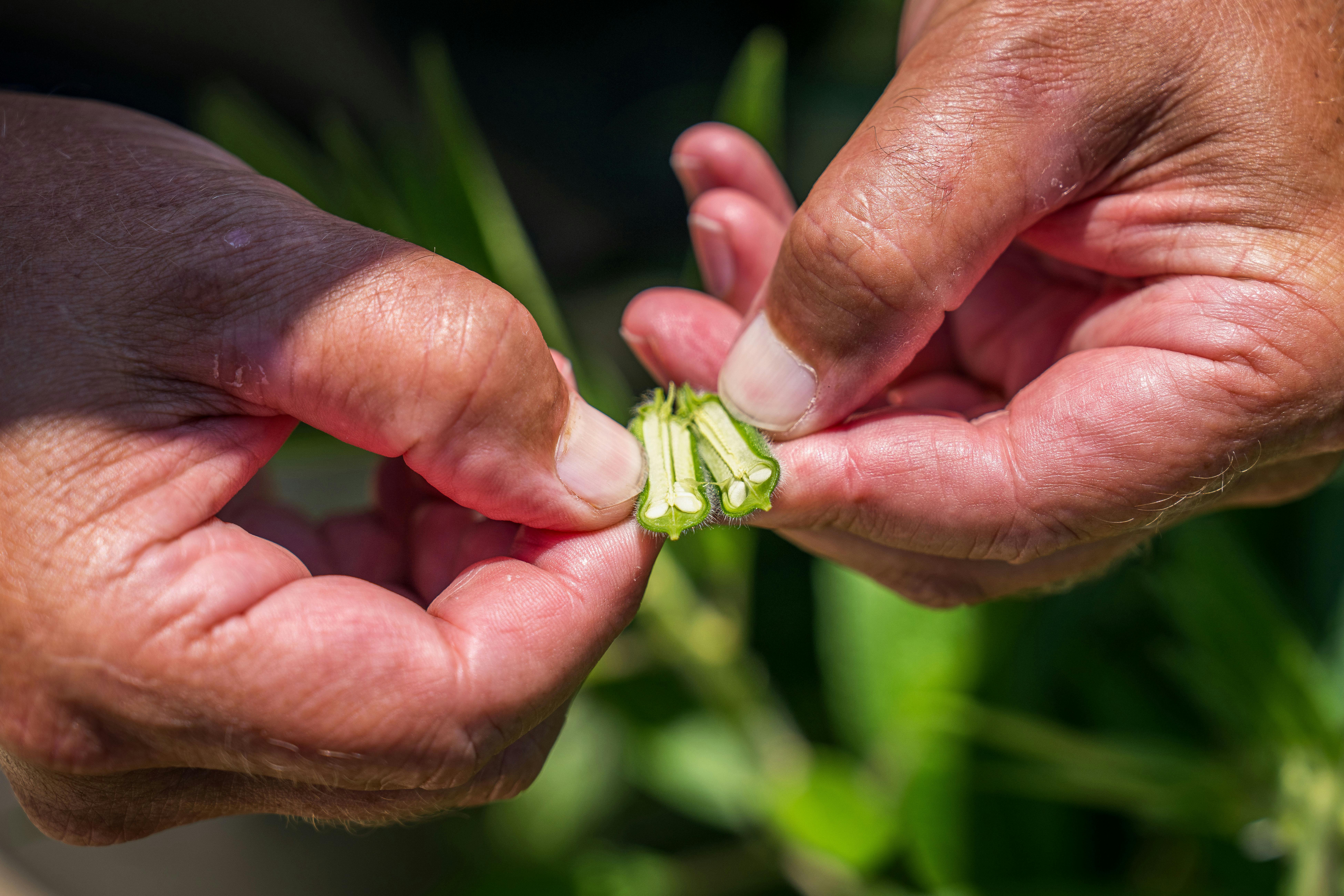
This is the point that causes the most confusion. Many shoppers believe organic means no pesticides were used at all, yet Canadian organic standards allow a restricted list of approved substances, including certain pest and disease controls.
Those substances are generally derived from natural sources or judged acceptable under organic production rules. Still, "allowed" is not the same as "none," and that difference is rarely obvious on packaging designed to inspire confidence.
There is also the issue of drift and contamination. Even when an organic farmer follows the rules, pesticide residue can sometimes appear because of neighboring conventional farms, contaminated inputs, or environmental exposure.
Health Canada and food regulators set residue limits and monitoring systems, but that does not erase the mismatch between consumer expectation and agricultural reality. Organic usually means different input rules, not a magical shield against every trace of chemical exposure.
Certification is rigorous on paper, but not equally visible in practice
The next hidden layer is administrative rather than agricultural. Organic certification can involve farm plans, inspections, records, and audits, but consumers rarely see how much of the system depends on documentation, certifying bodies, and periodic checks rather than constant observation.
In Canada, certification bodies are accredited through the Canadian Food Inspection Agency framework, and operators must comply with the Safe Food for Canadians Regulations if they trade interprovincially or internationally under the organic claim. That structure is serious, but it is not the same as nonstop surveillance.
Critics of organic oversight often point to the practical limits facing any certification regime: inspector time, paper-based verification, fraud risks, and the challenge of policing long international supply chains. These are not unique to organic, but the premium price makes the trust issue sharper.
The industry does not usually hide the rules outright. What it hides, or at least fails to emphasize, is how much the system relies on process credibility rather than direct consumer proof.
The premium price encourages marketing that outpaces nuance

Money is the reason this issue matters so much. Organic products often sell at a clear premium, and that higher price is sustained not only by production costs but also by a powerful halo effect around the word "organic."
A 2024 retail scan of grocery trends in North America showed consumers still associate organic with safer and healthier food, even when evidence on nutritional superiority remains mixed. Some studies find small differences in specific nutrients or lower synthetic pesticide exposure, but not a universal health advantage.
That nuance tends to disappear in marketing language, shelf placement, and package design. Green colors, farm imagery, and minimalist claims encourage shoppers to bundle several virtues into one buying decision, whether or not the label legally supports all those assumptions.
This is the dirty secret in plain terms: the industry benefits when consumers do not separate what organic definitely means from what they merely hope it means.
What smart shoppers should actually look for instead

The best response is not cynicism. It is precision. Organic certification still has value, especially for buyers who care about production methods, soil management, animal welfare standards, and restrictions on many synthetic inputs.
But the smartest shoppers treat the label as one piece of evidence, not the whole story. Country of origin, certifier identity, ingredient list, seasonal freshness, farming transparency, and independent retailer knowledge can all tell you more than the logo alone.
If your main concern is pesticide exposure, residue reports and produce-specific guidance may matter more than branding. If your concern is local economies or climate impact, a nearby conventional farm may sometimes align better with your priorities than a distant imported organic product.
Canada's organic label is not fake, and that distinction matters. The real problem is that it has been sold as a simple moral shortcut in a food system that is anything but simple.




Leave a Reply