
Some foods belong to dining rooms. Others belong to the dock, the screen porch, and the picnic table.
Canada's cottage snacks fall firmly into the second category, and that is exactly why they have endured for decades without ever becoming restaurant fare.
The cottage snack is built for place, not presentation
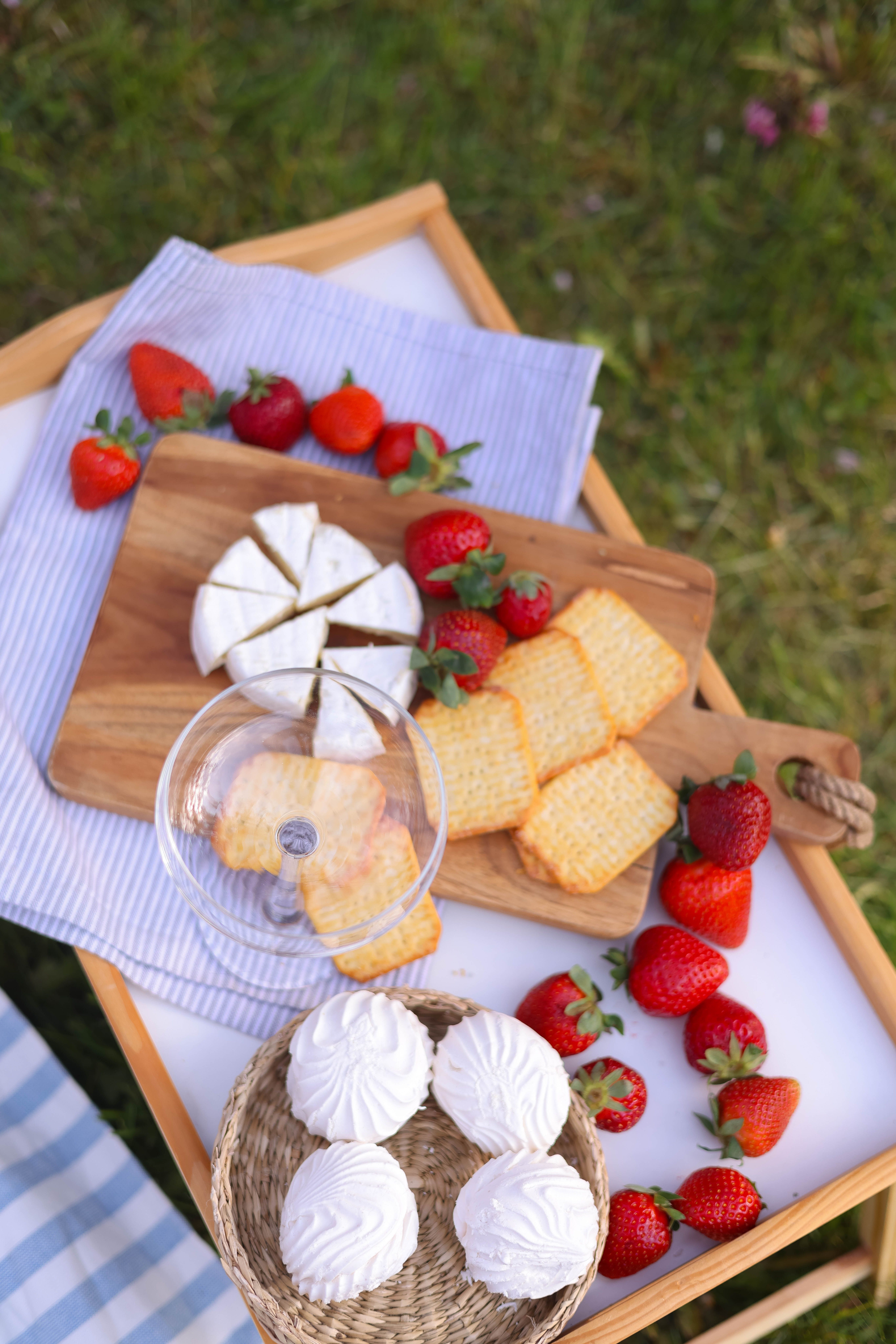
What makes a true cottage snack different is not just the ingredient list. It is the setting. These foods are shaped by wet swimsuits, limited groceries, old fridges, and the constant movement between lake, lawn, and campfire.
At cottages across Ontario, Quebec, Muskoka, the Kawarthas, and the Maritimes, the best snacks are the ones that can be assembled fast and eaten casually. They are rarely plated. More often, they are passed hand to hand, wrapped in napkins, or eaten straight from a tray balanced on someone's lap.
That helps explain why they almost never appear on restaurant menus. Restaurants sell consistency, polish, and presentation. Cottage snacks thrive on improvisation, timing, and memory, which are qualities that matter deeply at the lake but translate poorly to commercial kitchens.
Saltines with peanut butter and jam remain a cottage classic
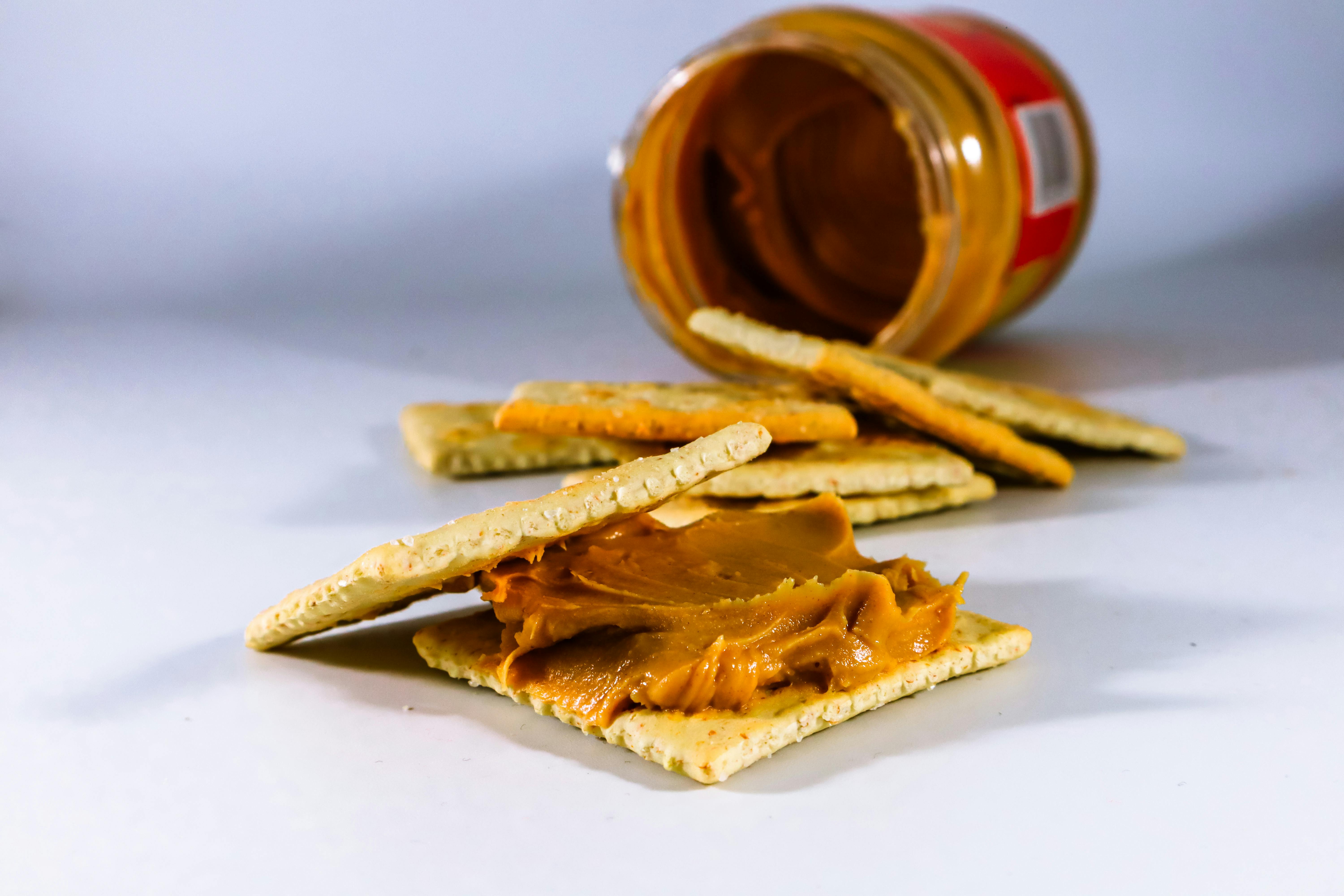
Few snacks are more quietly Canadian-cottage than saltines layered with peanut butter and jam. It is not flashy, but it is durable, filling, cheap, and easy to make from pantry staples that can sit for days without fuss.
Its appeal is partly practical. Cottage kitchens have long been stocked with foods that travel well and survive weekend use, and crackers, peanut butter, and jam are among the safest bets. They satisfy hungry kids after swimming and adults who want something quick before heading back outside.
There is also a textural logic to it. The dry snap of the cracker, the dense richness of peanut butter, and the sweetness of jam create a balanced bite that feels more substantial than its humble parts suggest. It is one of those combinations that families repeat so often it becomes tradition without ever being announced as one.
Campfire hot dogs and toasted buns are a ritual more than a recipe
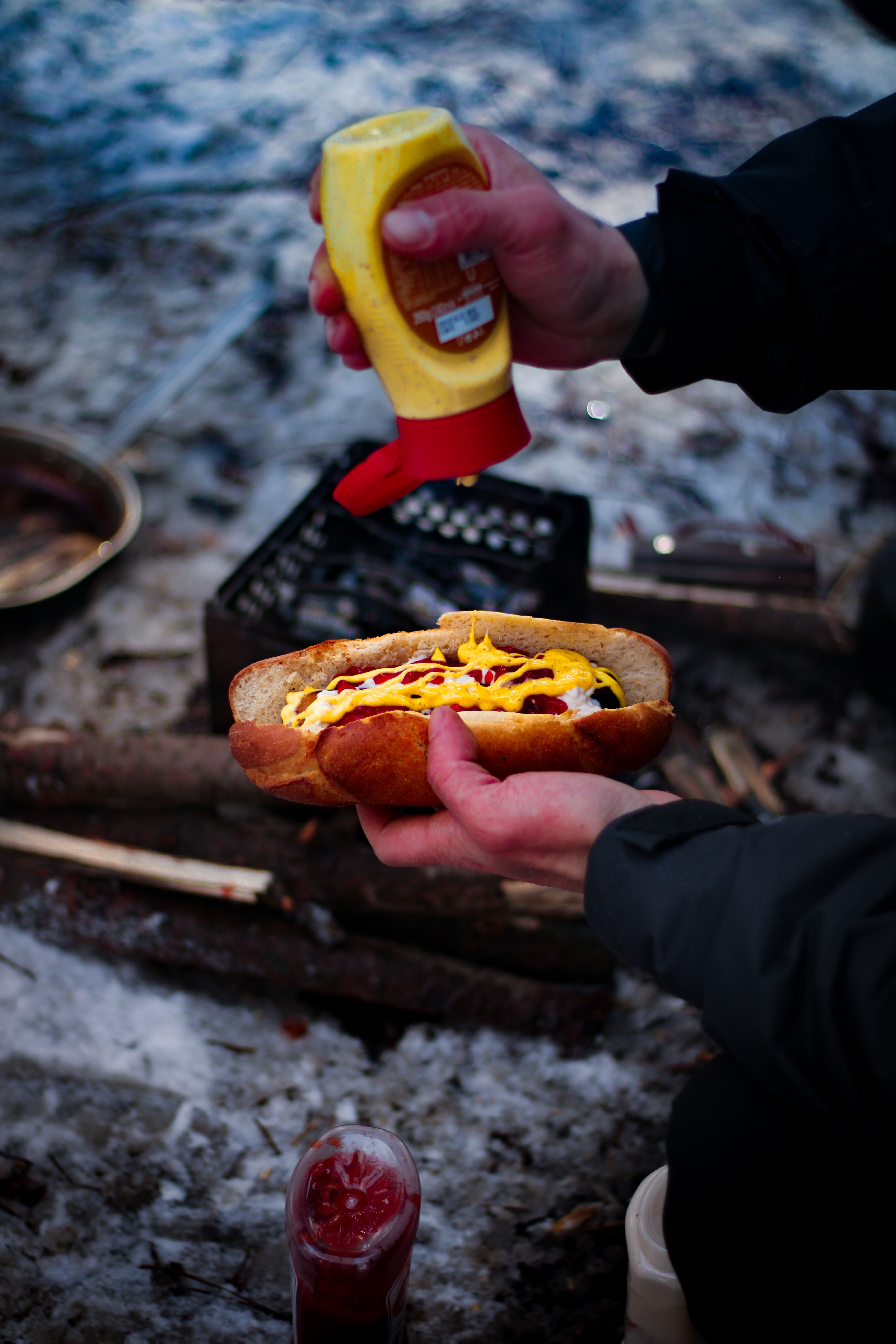
At many cottages, the hot dog is less a meal than a dependable event. Someone opens a package from the cooler, someone else finds sticks or roasting forks, and within minutes the entire mood shifts toward the fire.
This is one reason restaurants cannot quite capture it. A cottage hot dog is inseparable from smoke, waiting, uneven charring, dropped mustard, and the small triumph of getting the bun warmed just enough. The imperfections are part of the experience, not flaws to eliminate.
Across generations, this snack has remained resilient because it asks very little. It requires no advanced prep, feeds a crowd, and works for children and grandparents alike. Food historians often note that enduring recreational foods tend to be simple, adaptable, and socially shared, and the campfire hot dog checks every box.
Chips, dip, and cut vegetables define the classic arrival spread
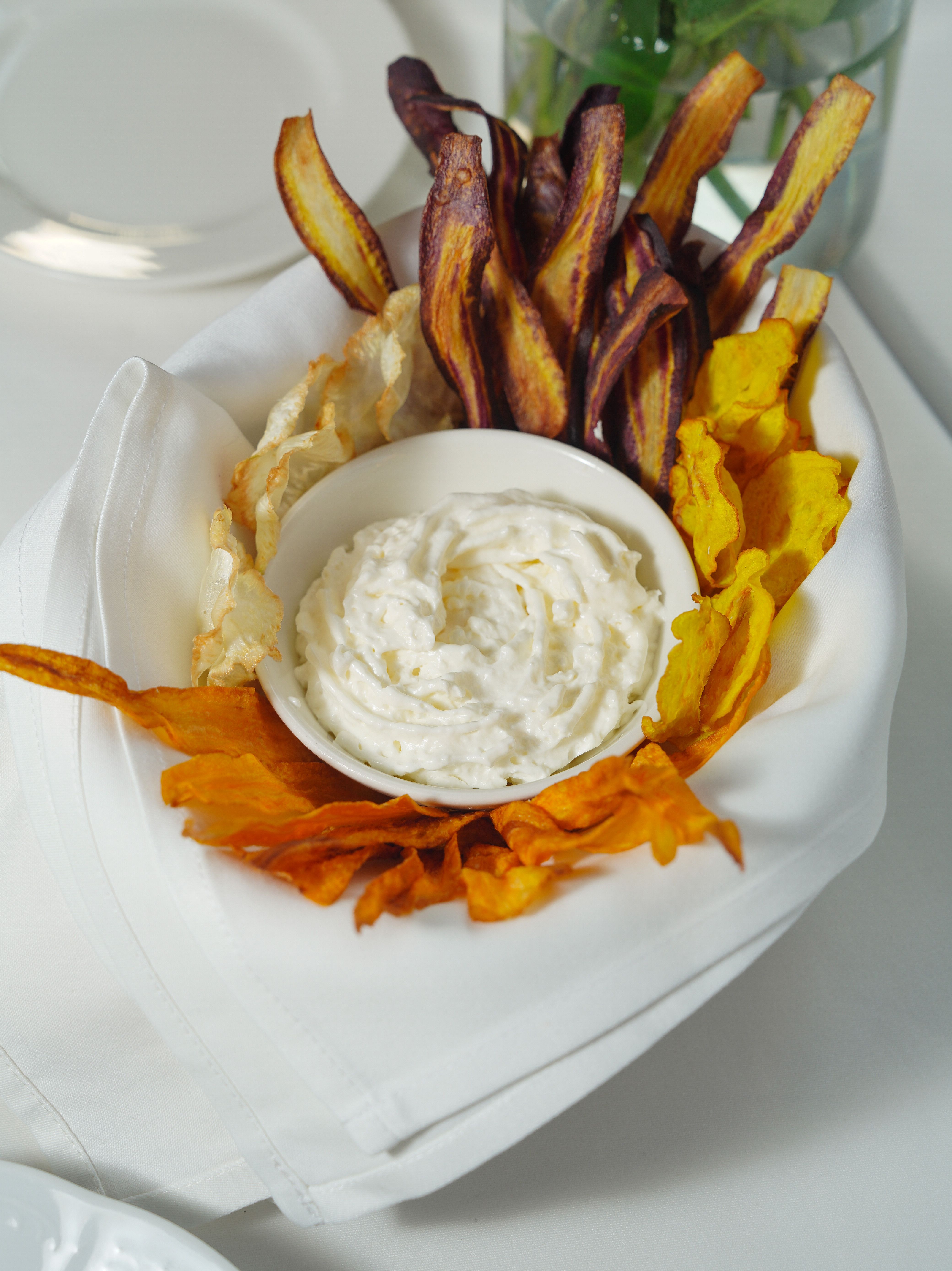
The first hour at a cottage often produces its own menu. After unpacking bags, opening windows, and checking the water, people want immediate food, not a composed meal. That is where ripple chips, onion dip, and a plate of carrots, celery, and cucumbers have long earned their place.
This spread is deeply rooted in Canadian entertaining culture from the 1960s onward, when packaged dips and chips became standard convenience foods. At cottages, they made even more sense because they required minimal equipment and could feed whoever happened to arrive hungry and all at once.
Restaurants may serve chips and dip, but not with the same function. At the cottage, this is not an appetizer designed to start a dining experience. It is a buffer against chaos, a social signal that everyone has officially arrived, and a familiar table that people gather around before the weekend settles in.
Buttered corn, watermelon, and other seasonal dockside staples endure
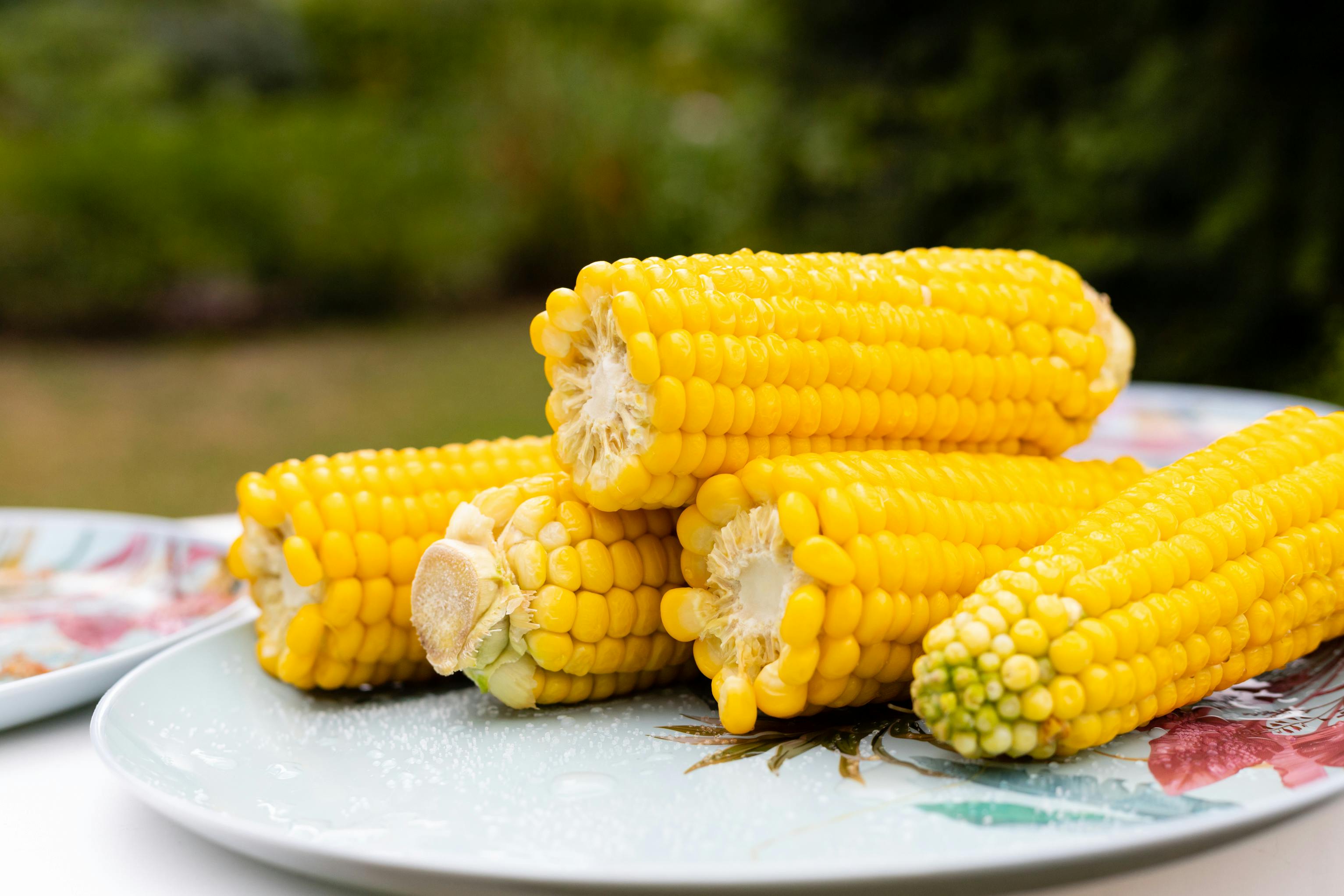
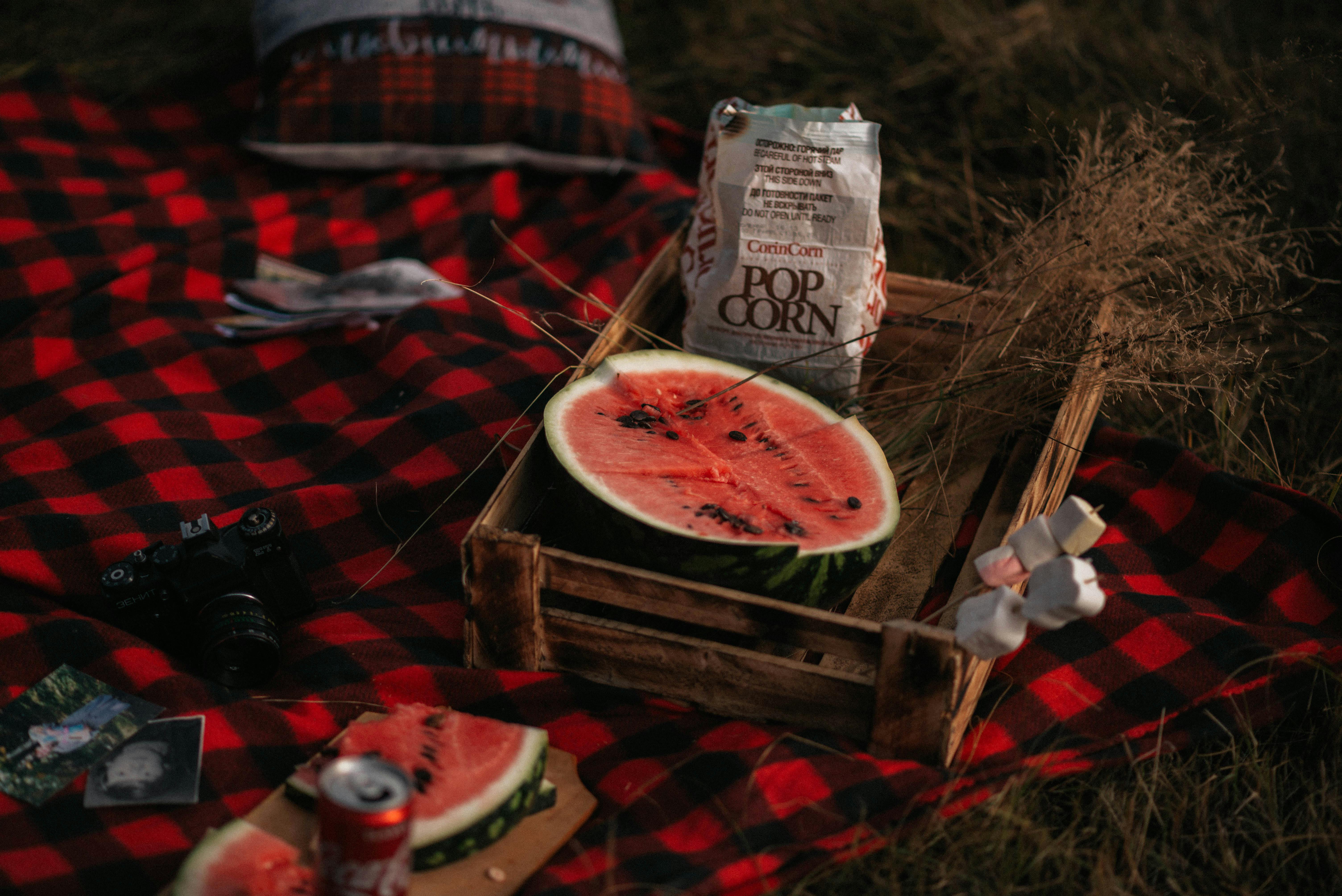
Some cottage snacks survive because they match the rhythm of the Canadian summer exactly. Buttered corn on the cob, thick wedges of cold watermelon, and sliced cheddar with pickles all feel right in warm weather and require almost no explanation.
Their staying power comes from seasonality as much as nostalgia. Sweet corn peaks in late summer across much of Canada, and watermelon delivers hydration and ease after a hot afternoon. These are foods that can be prepared quickly, served in volume, and eaten outdoors without much ceremony.
They also resist restaurant treatment because their value lies in freshness and context rather than culinary transformation. A restaurant can grill corn or plate fruit elegantly, but that misses the point. At the cottage, these foods are best when they are abundant, slightly messy, and served to people still barefoot from the dock.
The reason these snacks persist is simple: they do their job perfectly
Cottage snacks have lasted because they meet needs that restaurants do not. They feed people quickly, satisfy mixed age groups, survive basic storage, and suit the informal pace of lake life. In food culture terms, they are highly functional, but function here is part of their emotional power.
They also carry memory unusually well. People remember the brand of chips their grandparents bought, the jam used on crackers, or the exact way a hot dog tasted after a long swim. Those details matter because food at the cottage is tied to repetition, and repetition is what turns habits into heritage.
That is why these snacks remain absent from restaurant menus while staying fully alive in Canadian life. They were never meant to impress strangers. They were meant to work flawlessly in one specific setting, and for decades, that has been more than enough.


Leave a Reply