
Some national foods arrive with ceremony. Others begin as practical fuel for hungry workers, then quietly become part of a country's identity.
A sandwich built for the road
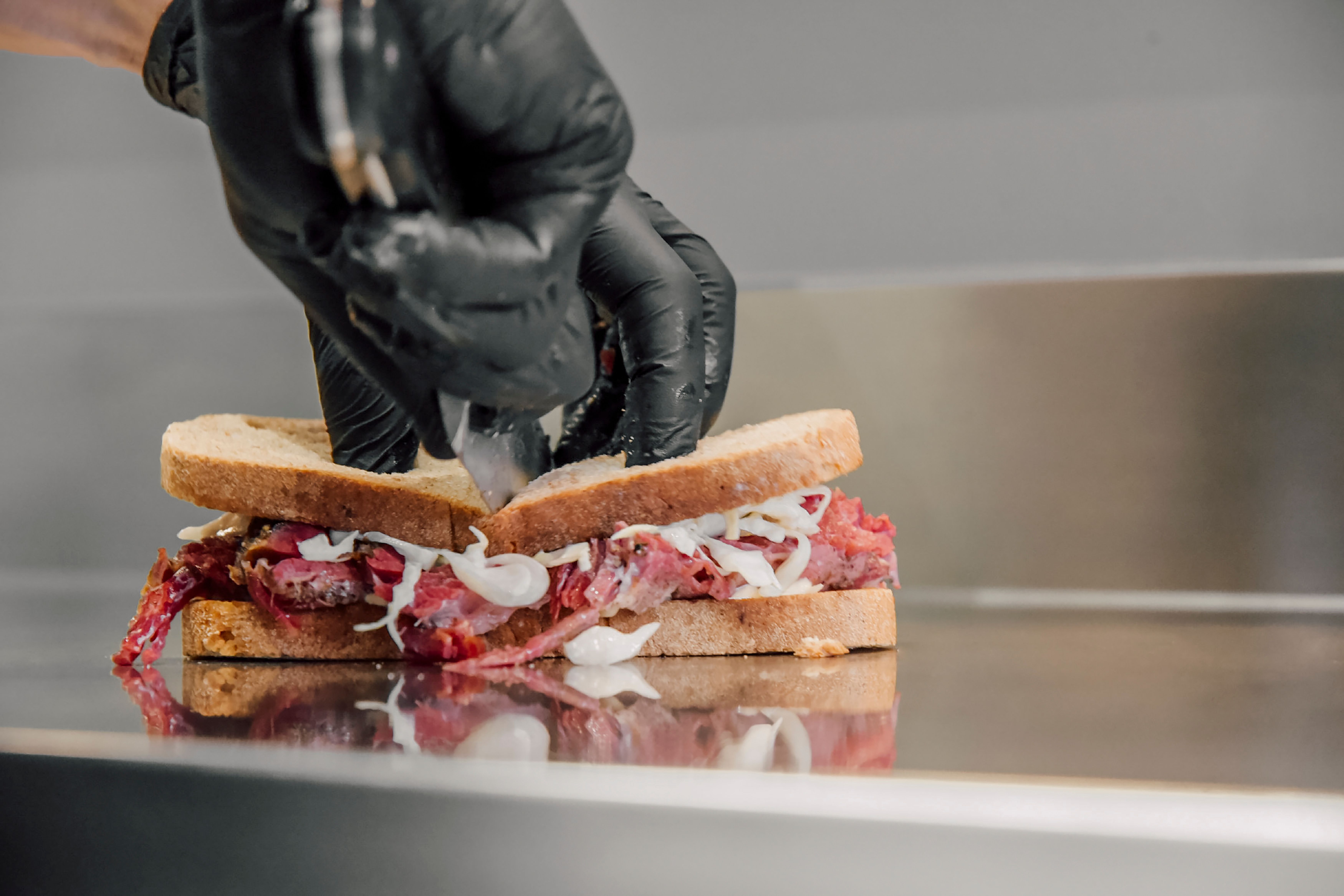
The sandwich most often linked to this story is Toronto's peameal bacon sandwich, a hearty stack of cured pork loin on a bun. Unlike streaky bacon, peameal bacon is cut from lean pork loin, wet-cured, and rolled in a cornmeal coating, a modern replacement for the crushed yellow peas once used to preserve it.
Its practical appeal is easy to understand. For truckers and market workers needing a fast, hot, protein-heavy meal, it delivered substance without fuss. Served on a soft Kaiser or plain roll, sometimes with mustard and little else, it was portable, filling, and quick to eat between deliveries.
That simplicity helped it travel well beyond its first audience. A food made for function often earns loyalty because it does exactly what it promises, and this sandwich did.
How peameal bacon became Canadian

The roots of peameal bacon reach back to 19th-century Toronto, when pork packing was a major business. William Davies, an English-born meatpacker whose company became one of Canada's industrial giants, is widely credited with popularizing cured pork loin rolled in ground yellow peas to extend shelf life for export to Britain.
That preservation method mattered in an era before modern refrigeration. What began as a packing-house solution eventually became a regional specialty, and when cornmeal replaced pea meal, the name stayed even as the coating changed.
In that sense, the sandwich is a lesson in how food traditions form. Industrial necessity, immigrant knowledge, and local taste combined to create something that now feels timeless.
The St. Lawrence Market effect
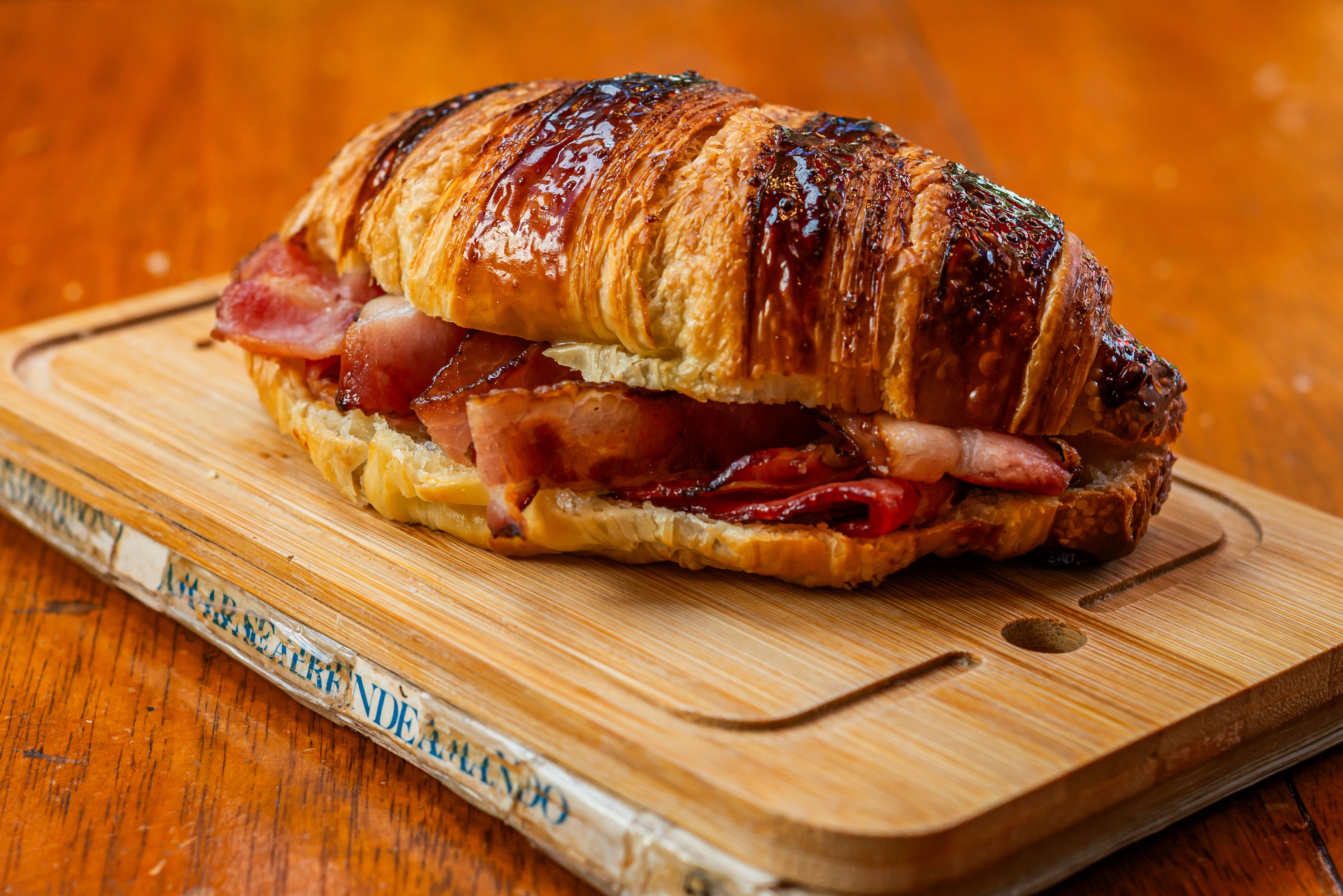
Every national obsession needs a stage, and for this sandwich the biggest stage has long been Toronto's St. Lawrence Market. Carousel Bakery, in particular, helped transform peameal bacon on a bun from a working meal into a must-try city ritual for tourists, office workers, and visiting celebrities.
The market setting gave the sandwich visibility and credibility. Shoppers could watch slices of peameal bacon seared on a griddle, smell the cure caramelizing, and eat it standing among butchers, produce stalls, and fishmongers. The experience turned a plain sandwich into edible urban heritage.
That is how local foods become symbols. They are not only eaten, they are performed in a place people already trust as authentic.
Why truckers mattered so much

Truckers were never the only people eating this sandwich, but they were central to the kind of food culture that kept it alive. Southern Ontario's highways, wholesale markets, and industrial districts supported diners, lunch counters, and no-nonsense grills where meals had to be fast, dependable, and satisfying.
In those settings, peameal bacon fit perfectly. It cooked quickly, held up under heat, and offered a leaner bite than belly bacon while still tasting rich and salty. For drivers covering long routes, that balance made sense both economically and physically.
Road food has always shaped national taste more than people admit. When workers adopt a dish because it reliably does the job, the public often follows.
From regional staple to national icon

The sandwich's reputation spread through travel writing, television food segments, and the broader branding of Toronto as a culinary destination. Visitors were told that if they wanted a distinctly local bite, this was it. Over time, that message hardened into a consensus.
Yet its fame also reflects Canada's habit of embracing foods that are modest rather than ornate. The peameal bacon sandwich is not complicated, and that is part of its strength. It reads as honest, approachable, and rooted in labor, markets, and immigrant enterprise.
Even outside Ontario, its symbolism is widely understood. Many Canadians may not eat it weekly, but they recognize it as part of the country's food story.
What the sandwich says about Canada
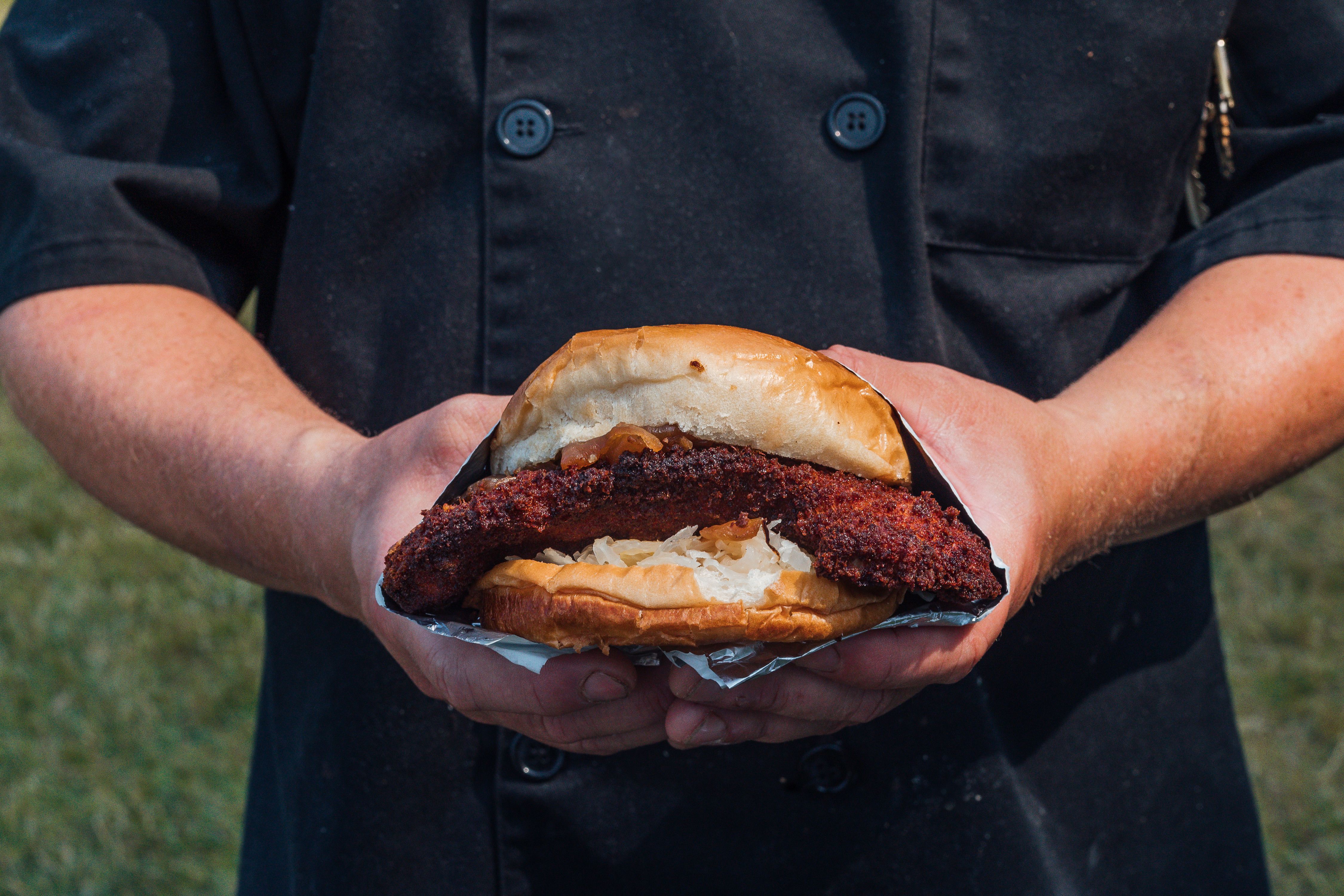
The enduring appeal of the peameal bacon sandwich is not just about taste, though the contrast of juicy cured pork, browned edges, and a soft bun is undeniably effective. Its deeper power lies in what it represents: thrift turned into tradition, workaday necessity elevated into civic pride.
It also captures a familiar Canadian pattern. Foods often become iconic here not because they are extravagant, but because they are tied to place, labor, and communities that built cities from the ground up.
That is why this sandwich still matters. It began as fuel for people with miles to cover and schedules to keep, and ended up feeding a national appetite for identity itself.




Leave a Reply