
Every country has foods people defend more passionately than they actually enjoy. Canada is no exception, and some of its most celebrated staples are admired as symbols first and eaten with real enthusiasm second.
Butter tarts are loved for what they represent
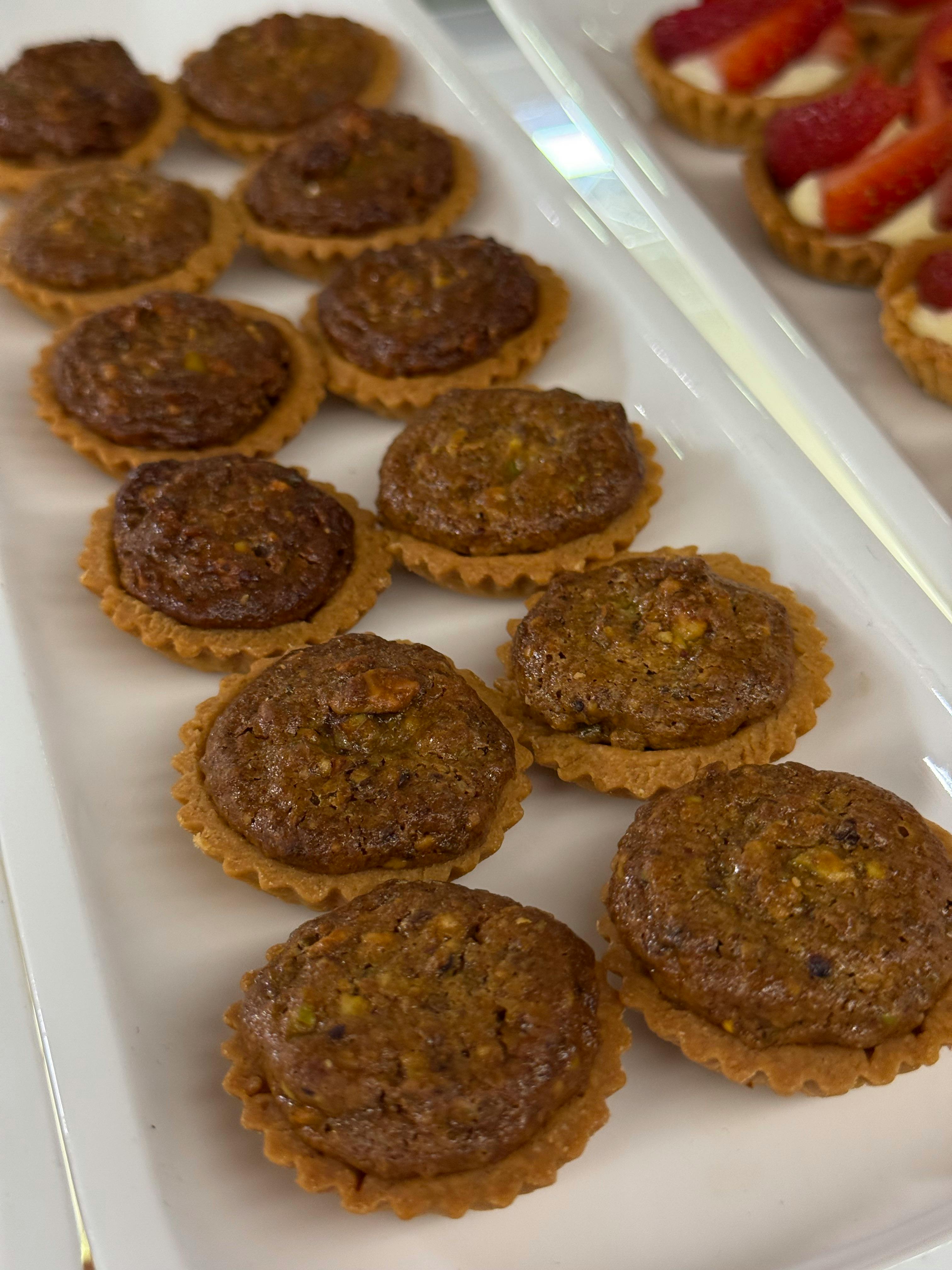
Butter tarts are one of those desserts that Canadians speak about with near-reverence. They show up at bake sales, holiday tables, and roadside shops as if they were untouchable national treasures. Yet plenty of people who claim to love them only want one small bite before the sweetness becomes overwhelming.
The issue is balance. A good butter tart has a delicate shell and a filling that lands somewhere between caramel, custard, and syrup. A bad one, which is far more common, is cloying, sticky, and so rich that it feels like dessert concentrate.
The raisin debate keeps the tart culturally alive, but it also distracts from a bigger truth. Many people are less devoted to butter tarts themselves than to the idea of family recipes, rural bakeries, and Canadian tradition. The affection is real, but the craving is often exaggerated.
Nanaimo bars often win on appearance, not appetite

Nanaimo bars photograph beautifully and look irresistible in bakery cases. Their neat layers suggest precision and indulgence, which helps explain why they remain one of the country's most recognizable sweets. But in practice, they are often too dense and too sweet to finish comfortably.
The classic version stacks a crumb base, a custard-flavored butter filling, and a chocolate topping. That combination can work in small portions, but many commercial versions are heavy on sugar and short on contrast. The result is a square that feels more impressive than pleasurable after the first few bites.
Even fans tend to qualify their love for Nanaimo bars. They will say they enjoy a "tiny piece" or only like them when they are homemade and chilled properly. That kind of praise tells its own story: admiration is widespread, but uncomplicated appetite is not.
Poutine is iconic, but not always as appealing as people say
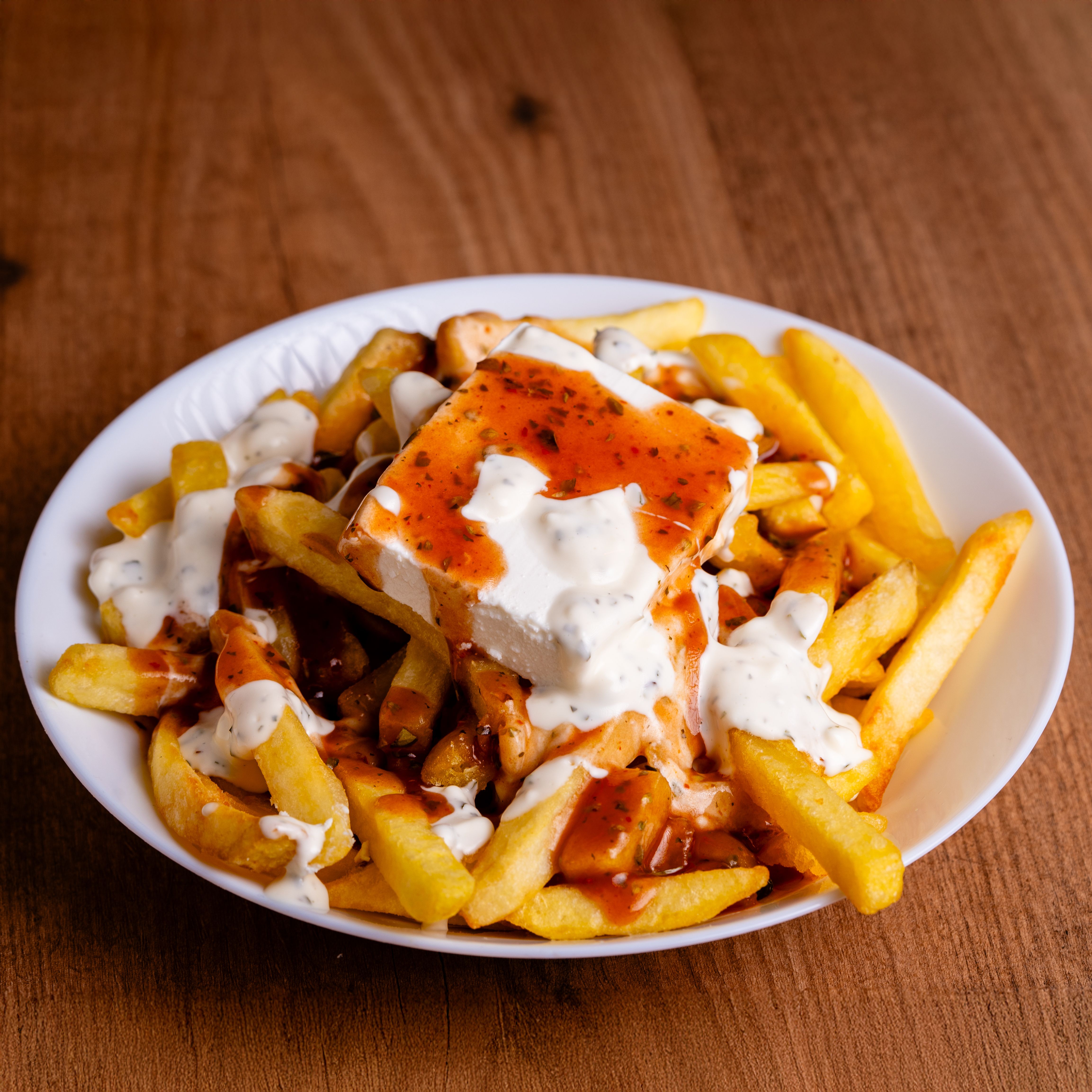
Poutine carries enormous symbolic weight in Canada. It is comforting, recognizable, and tied closely to Quebec's culinary identity. It is also one of those foods many people insist they love, even though they only want it occasionally and often regret it midway through the portion.
At its best, poutine is a carefully balanced dish of crisp fries, fresh cheese curds, and hot gravy. At its worst, which is common outside top-tier casse-croûtes, it becomes a soggy, salty mass with rubbery curds and limp potatoes. The gap between the ideal and the average version is huge.
There is also the matter of portion size. Restaurant poutine is frequently served in quantities better suited to sharing, yet social expectations encourage people to treat it like an easy personal order. Many diners love the first forkful and endure the rest because poutine is something they feel they should love.
Ketchup chips inspire loyalty that taste alone cannot explain
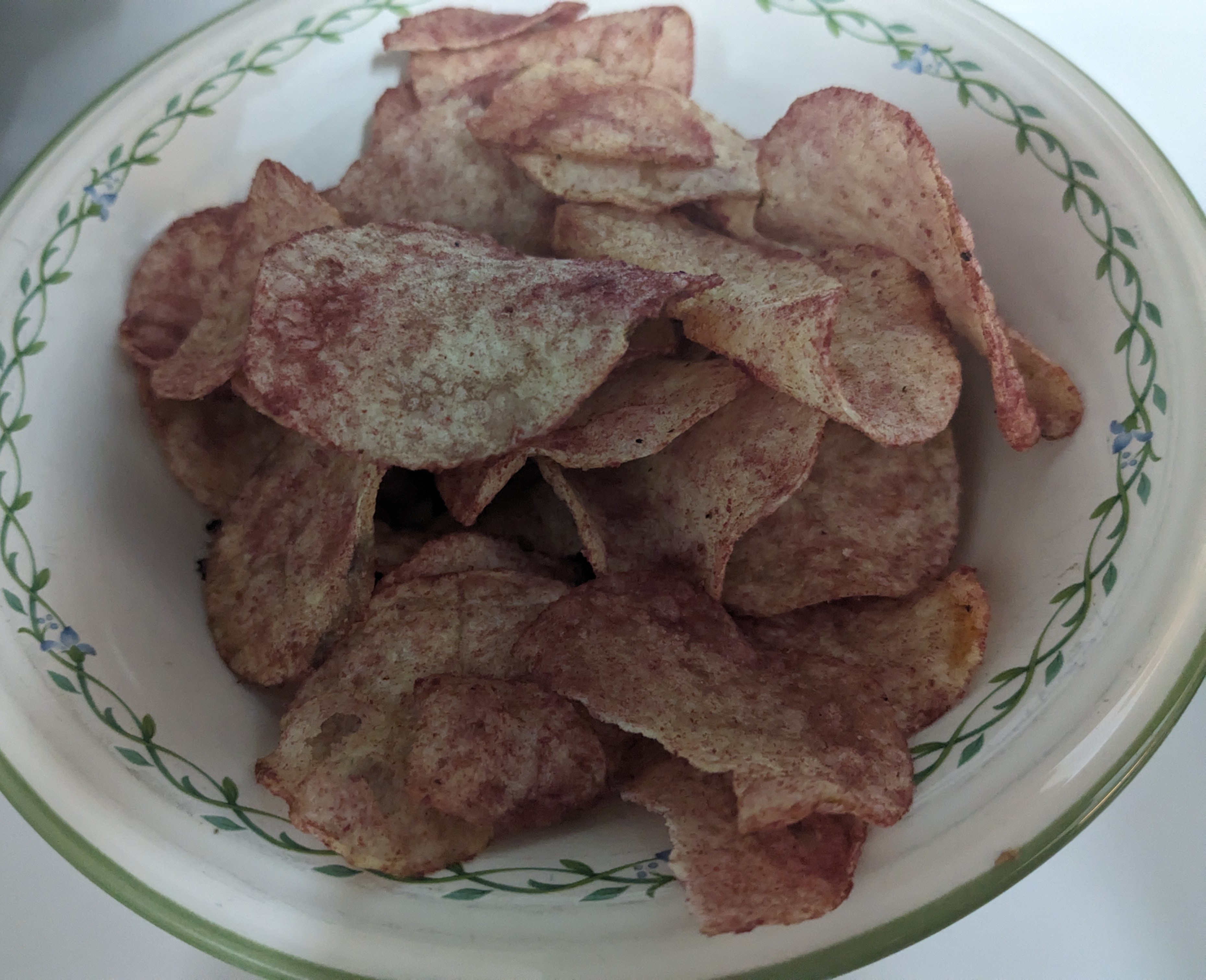
Ketchup chips are one of the clearest examples of national attachment outrunning culinary merit. Canadians abroad often mention them immediately, as though they are essential proof of home. Still, plenty of people who buy a bag mainly enjoy the memory, not the full eating experience.
The flavor is aggressively tangy, sweet, acidic, and powder-heavy. For some, that sharp artificial profile is the appeal. For many others, a few chips are satisfying, but a whole bag becomes repetitive fast, leaving behind stained fingers and a lingering taste that outlasts the pleasure.
Their cultural staying power comes from familiarity and distinctiveness. They are recognizable, hard to explain to outsiders, and deeply tied to childhood lunches and convenience-store snack runs. That makes them beloved in conversation, even if they are not the first chips many Canadians would actually finish.
Caesars are praised as a national classic despite divided palates
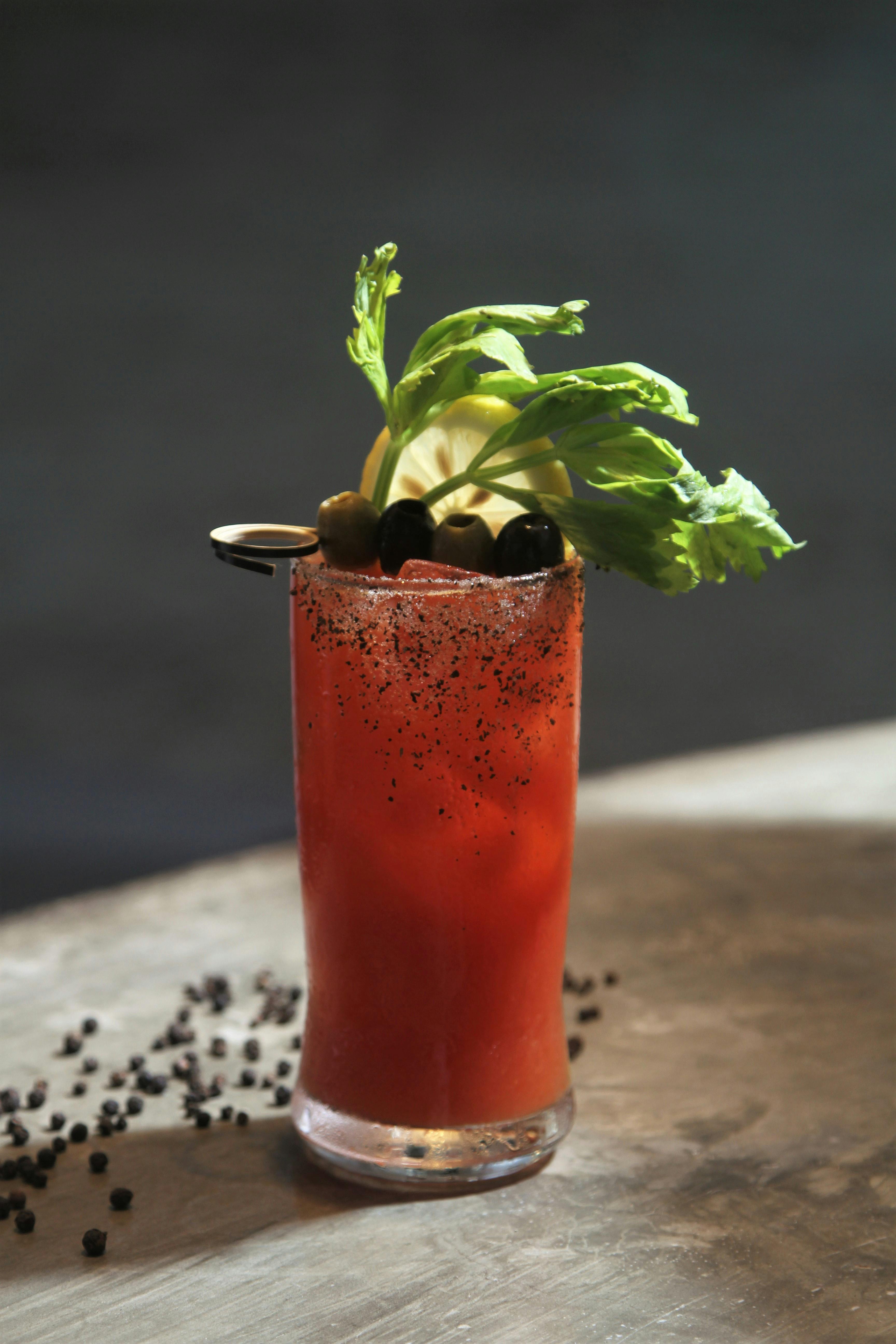
The Caesar has a strong case as Canada's signature cocktail. Since its creation in Calgary in 1969, it has been marketed as savory, bold, and unmistakably Canadian. But it is also a drink built on clam-infused tomato juice, which means genuine enthusiasm is never as universal as patriotic rhetoric suggests.
People often order Caesars for brunch because they fit the setting. The celery stalk, spiced rim, and elaborate garnishes create theater, and bars have leaned into that with versions topped with everything from pickles to mini burgers. The spectacle can overshadow the fact that many drinkers would rather have something cleaner and simpler.
A well-made Caesar can be excellent, especially when the seasoning is sharp and restrained. Still, it remains an acquired taste. Much of its status comes from ritual, identity, and presentation, which are powerful forces, but not the same thing as broad, uncomplicated enjoyment.
Tourtière survives on tradition even when preference shifts elsewhere
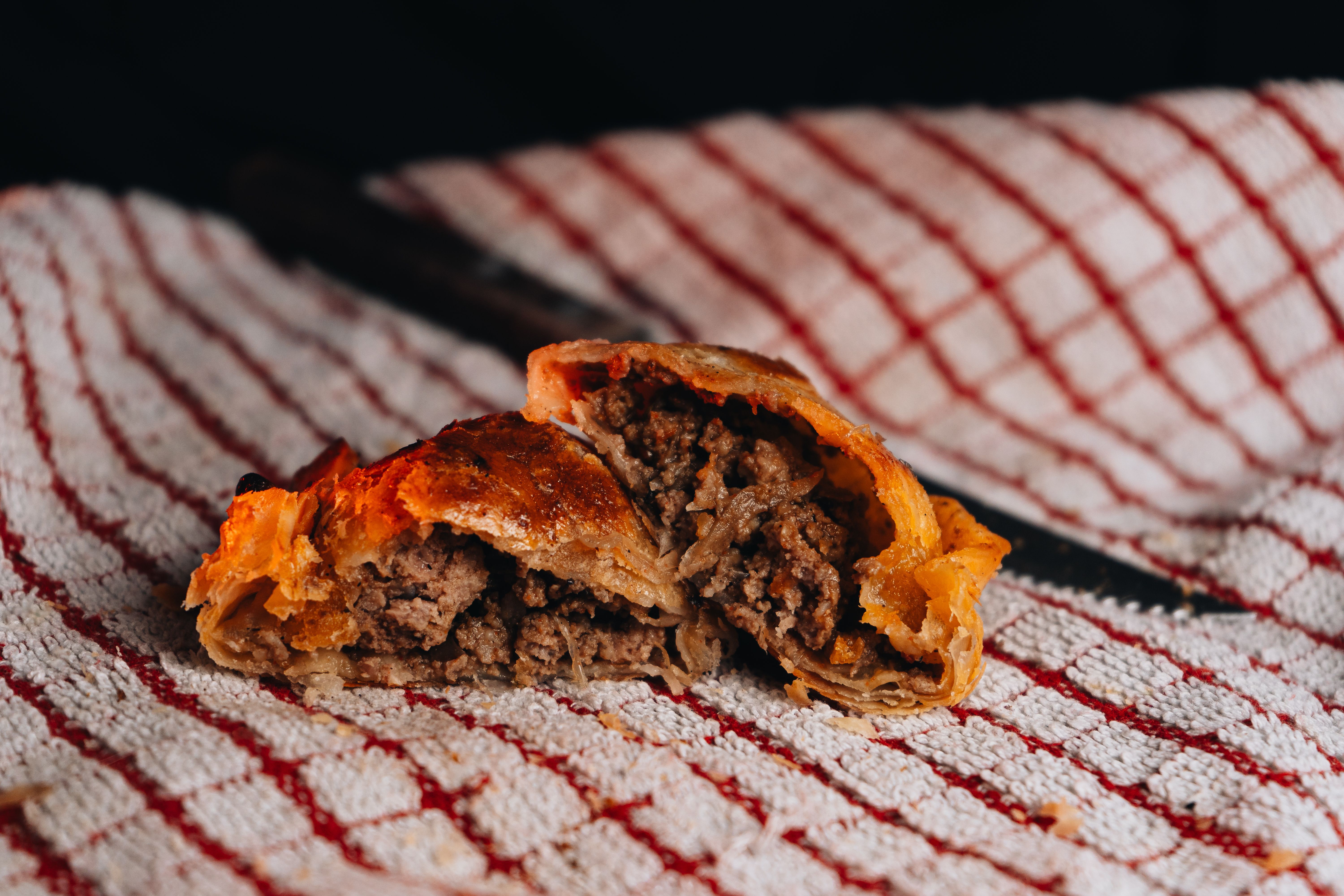
Tourtière is a dish many Canadians, especially in French Canadian families, treat with deep respect. Served around Christmas and New Year, it carries history, ceremony, and regional pride. Yet outside those contexts, it is rarely the savory pie people reach for with spontaneous excitement.
Part of the challenge is that tourtière varies widely. Some versions are beautifully seasoned and rich without being heavy, while others are dry, under-spiced, and dense. That inconsistency matters because the dish depends on warmth, aroma, and texture more than novelty or visual appeal.
Its place at the table is secure because tradition gives it meaning beyond taste alone. People associate it with grandparents, réveillon meals, and winter gatherings, and that emotional connection is powerful. But if stripped of its seasonal role, tourtière would likely inspire less public devotion than it currently receives.

Leave a Reply