
It starts with a photo of a bento box and ends with 47 unread messages. In Canada, few parenting topics trigger more instant disagreement than school lunches.
Why lunch has become a flashpoint
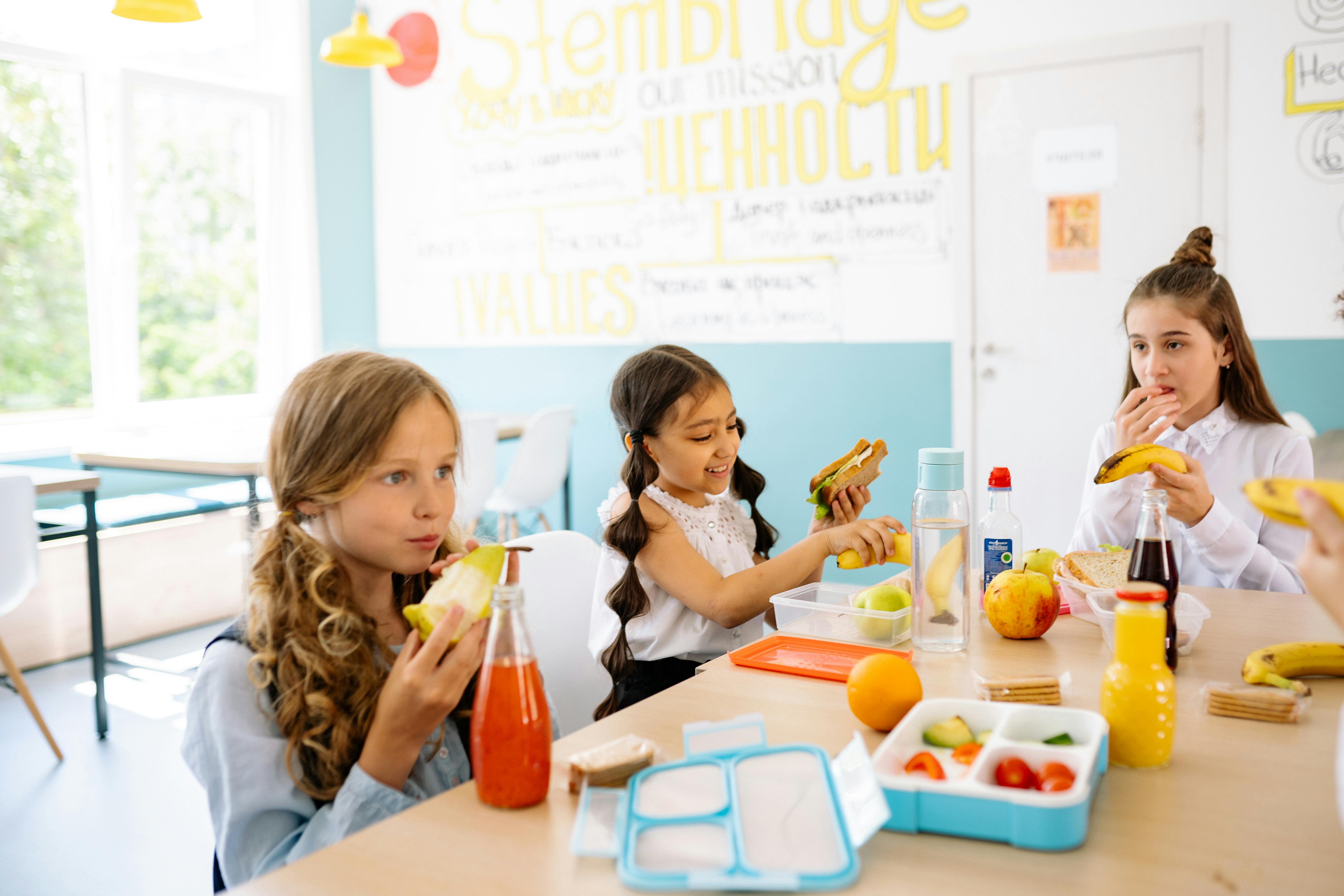
At first glance, lunch seems simple: pack food, zip the bag, move on. In practice, it has become a proxy battle over parenting standards, money, health, and what schools should reasonably expect from families.
Canadian parents are packing lunches in a country without a long-standing universal school meal tradition. Unlike some European systems or the U.S. cafeteria model, many Canadian students still bring food from home every day, which shifts planning, cost, and responsibility directly onto households.
That daily responsibility lands differently depending on income, schedule, and family structure. A parent working shifts may value convenience over presentation. Another may prioritize homemade food, lower sugar, or organic ingredients. In group chats, those choices often get framed as moral decisions rather than practical ones.
Experts in child nutrition have long noted that consistency matters more than perfection. Yet social media has trained many parents to compare lunches visually, not nutritionally. The result is a debate that sounds like it is about crackers, fruit cups, or leftover pasta, but is really about pressure.
The nutrition argument is not as clear-cut as it sounds
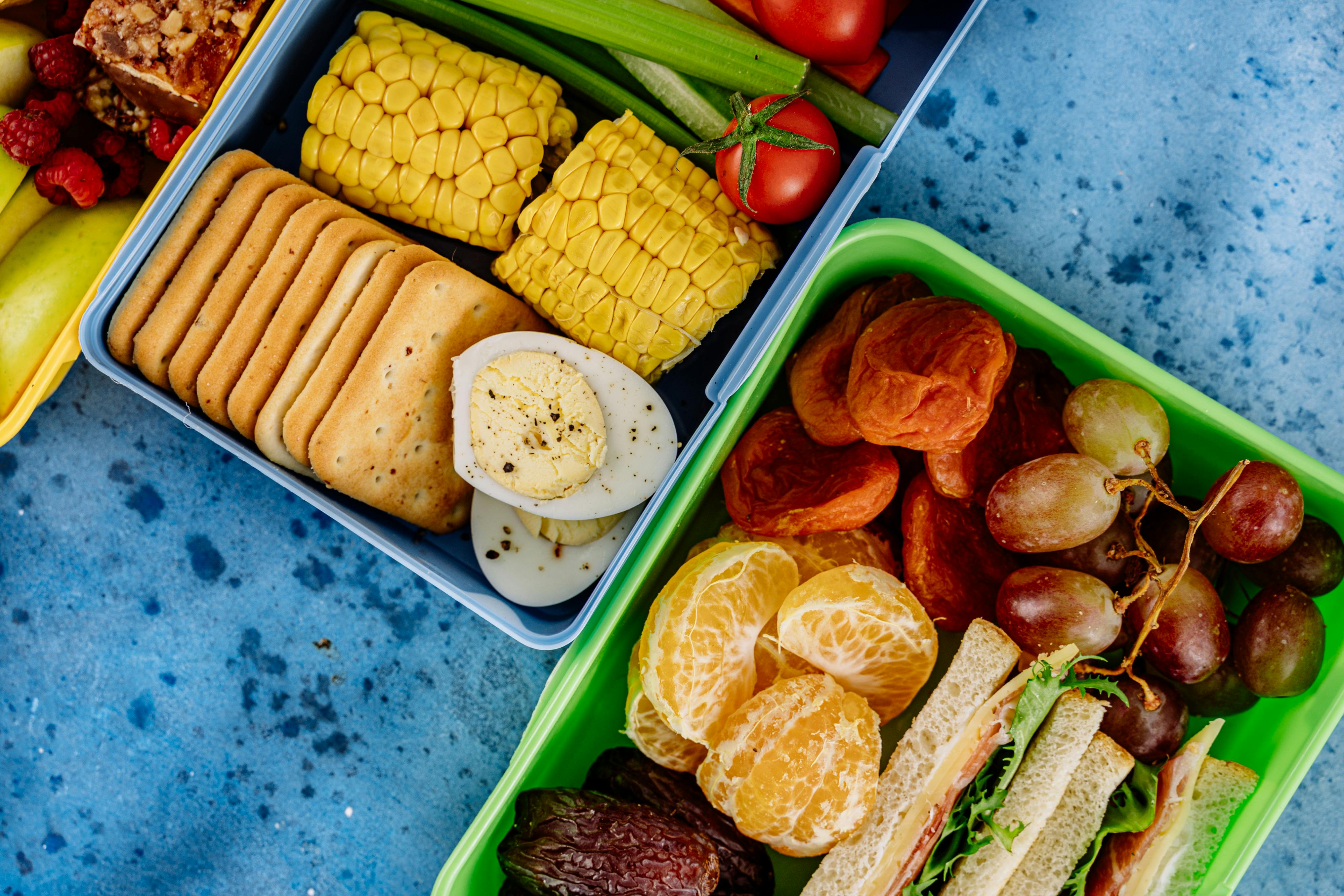
One camp wants balanced lunches with protein, fibre, vegetables, and low-sugar snacks. That goal is understandable, and public health guidance broadly supports it. The problem begins when ideal standards meet real mornings, limited budgets, and children who simply refuse certain foods.
According to Health Canada guidance, a healthy lunch generally includes whole grains, vegetables or fruit, and protein foods. But dietitians often stress that children do not eat in a textbook. A perfectly packed lunch that comes home untouched does less for a child than a less impressive lunch they actually eat.
Processed food has become the easiest villain in this debate, but the picture is more nuanced. A cheese string, whole-grain crackers, yogurt tube, and apple may not look aspirational online, yet it can still deliver a reasonable midday meal. Convenience foods are often filling logistical gaps, not replacing parental care.
There is also the issue of appetite and timing. Many younger students have short eating windows and noisy lunchrooms. Teachers and dietitians regularly observe that foods requiring too much peeling, assembly, or patience often come back uneaten, no matter how virtuous the ingredients list looked at 7 a.m.
Cost, inflation, and the reality inside the lunch bag
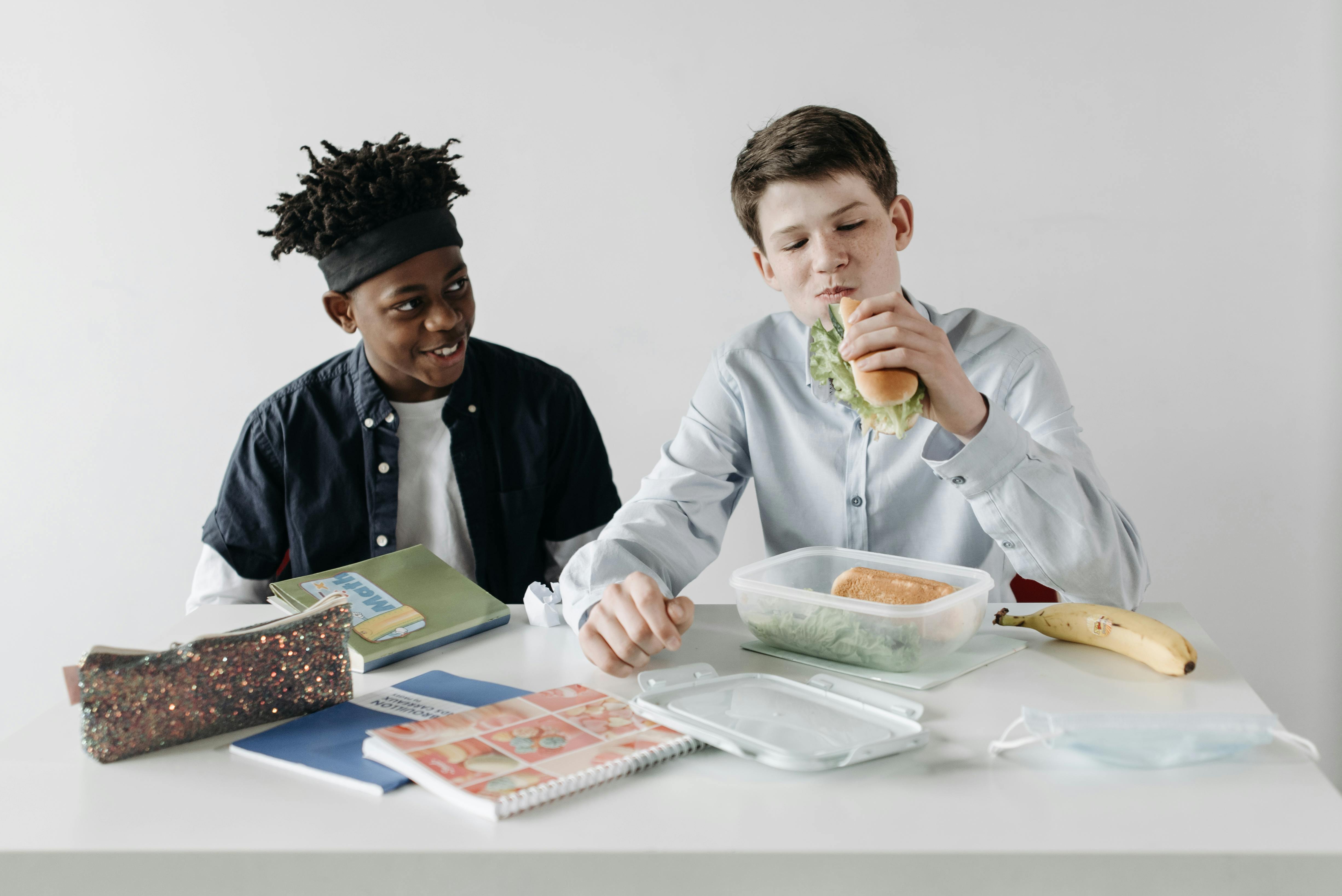
The sharpest edge in the lunch debate is money. Food inflation has changed what "normal" packing looks like, especially for families trying to include fresh produce, dairy, and protein five days a week for multiple children.
A 2024 national conversation around food affordability made clear what many parents already knew: lunchbox staples add up fast. Berries, seed butters, cheese, yogurt, whole-grain wraps, and snack bars can push weekly costs far beyond what families expect when school resumes in September.
This is one reason judgment stings so much. When one parent praises all-homemade lunches, another may hear a financial comparison hidden inside the compliment. Reusable containers, thermoses, and bulk prep can save money over time, but they often require upfront spending, kitchen access, and free hours many households do not have.
School food programs are expanding in parts of Canada, and federal attention to a national school food program has intensified the discussion. Supporters argue that broader meal access would reduce stigma and improve equity. Critics worry about rollout, quality, and whether schools can manage another major responsibility well.
Allergy rules, waste, and the culture clash
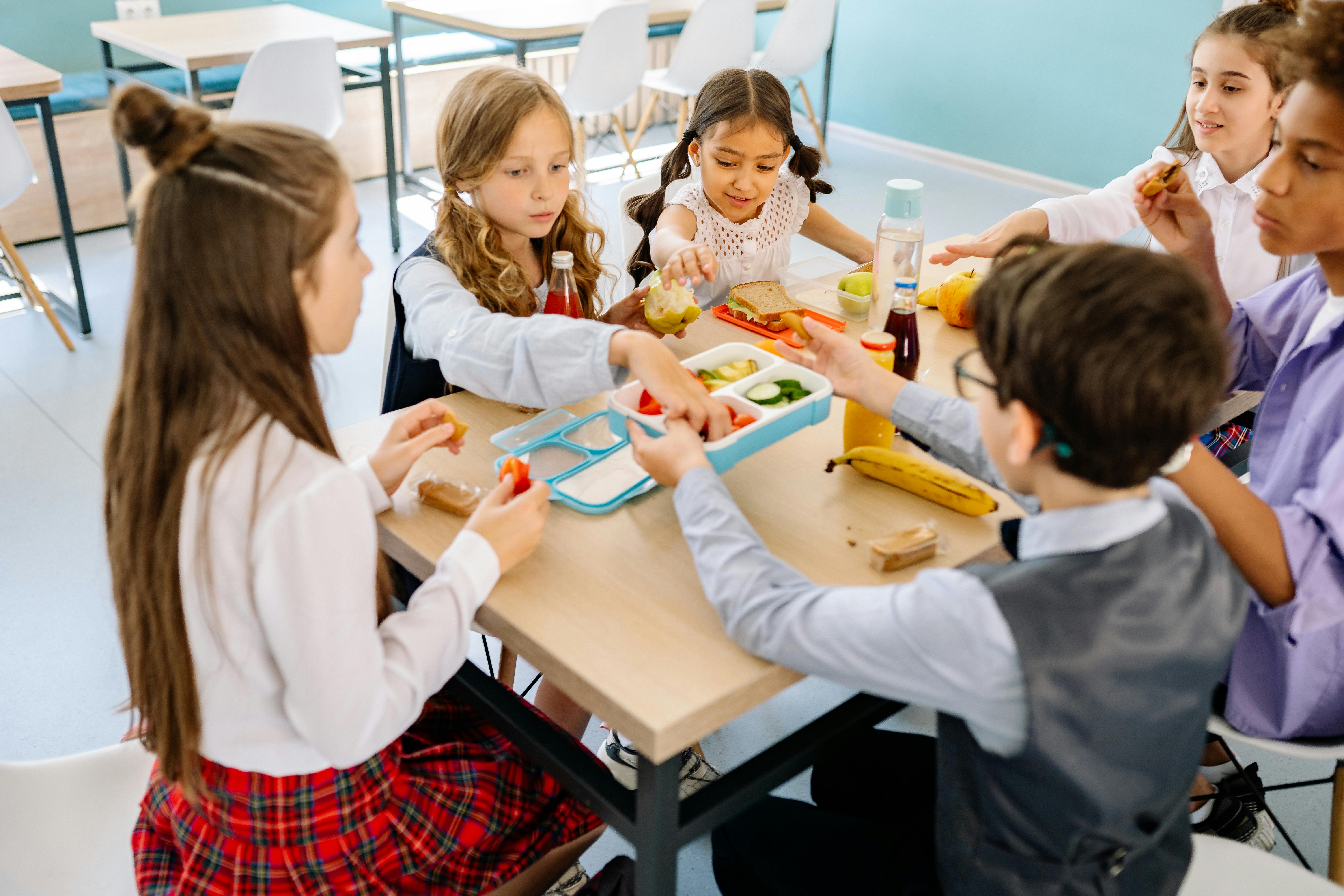
Every lunchroom is shaped by rules that families do not fully control. Nut-free policies, refrigeration limits, microwave restrictions, and bans on glass containers all narrow what can realistically be packed, especially for children with sensory preferences or medically restricted diets.
Then comes waste, another recurring source of conflict. Some parents send small, safe foods they know will be eaten. Others pack aspirational variety. Both approaches can end in disappointment when schools allow little time to eat or when children trade, spill, or discard food without adults noticing.
Culture complicates the conversation in important ways. For many families, lunch is not just fuel but identity. Rice, roti, dumplings, curry, soup, or fish may be normal at home, yet children sometimes avoid these foods at school because of peer reactions, smell comments, or a desire to fit in.
That tension matters. A lunch policy or classroom culture that quietly rewards bland sameness can make children feel that familiar foods are embarrassing. The debate is not only about what is healthy or convenient, but also about whose version of a "proper lunch" gets treated as standard.
What schools expect, and what parents hear

Schools often try to encourage healthy eating with newsletters, reminder notes, and suggested snack lists. The intention may be positive, but the wording can easily sound prescriptive, especially when families are already stretched thin by transportation, after-school schedules, and rising grocery bills.
A note asking for "litterless lunches" or "whole foods only" may read very differently across households. One parent sees helpful guidance. Another sees implied criticism. Without meaning to, schools can turn lunch into a visible daily test of organization, nutrition knowledge, and class-coded competence.
Teachers are caught in the middle. They see hungry children, uneaten food, allergy risks, and the chaos of opening 24 containers in 15 minutes. Many educators want simpler lunches children can manage independently, which can conflict with the idealized lunch standards circulating among highly engaged parents online.
Public health experts generally agree on the broad goal: children need enough food they can eat safely and consistently. Beyond that, the smartest school approach is often flexibility. Clear allergy rules, realistic expectations, and nonjudgmental communication usually accomplish more than perfectly worded nutrition policing.
The healthiest lunch standard may be the most realistic one
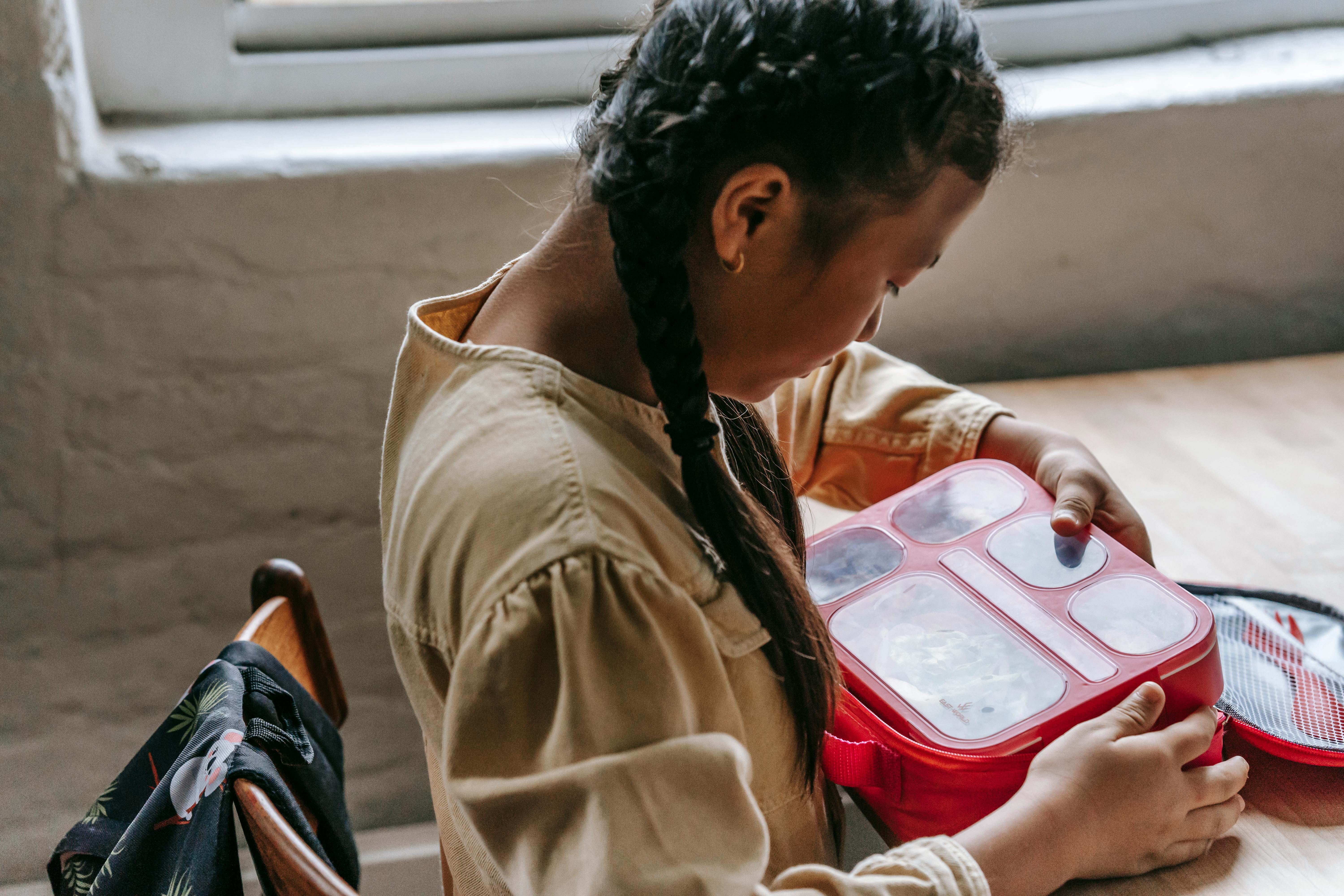
The most useful shift in this debate is from performance to function. A good school lunch is not the prettiest, trendiest, or most virtuous. It is the one a child can open, wants to eat, is allowed to bring, and that a family can afford and repeat.
That standard sounds basic, but it is grounded in how children actually live. Reliable staples, occasional convenience foods, leftovers, and culturally familiar meals can all belong in a solid lunch routine. Perfection is fragile. Practical systems are what get families through 190 school days.
Parent group chats would likely be calmer if lunch were treated less as a referendum on effort and more as an evolving household strategy. Some weeks call for cut vegetables and homemade muffins. Other weeks call for bagels, packaged snacks, and survival. Both can be reasonable.
The Canadian lunch debate persists because it bundles public health, private guilt, and social comparison into one small container. But the clearest expert-backed principle remains simple: fed children learn better, and supported parents make better decisions than judged ones.



Leave a Reply