
Few desserts say "Canada" as clearly as the butter tart. Its recipe is simple, but its history is anything but settled.
A dessert Canada can genuinely claim
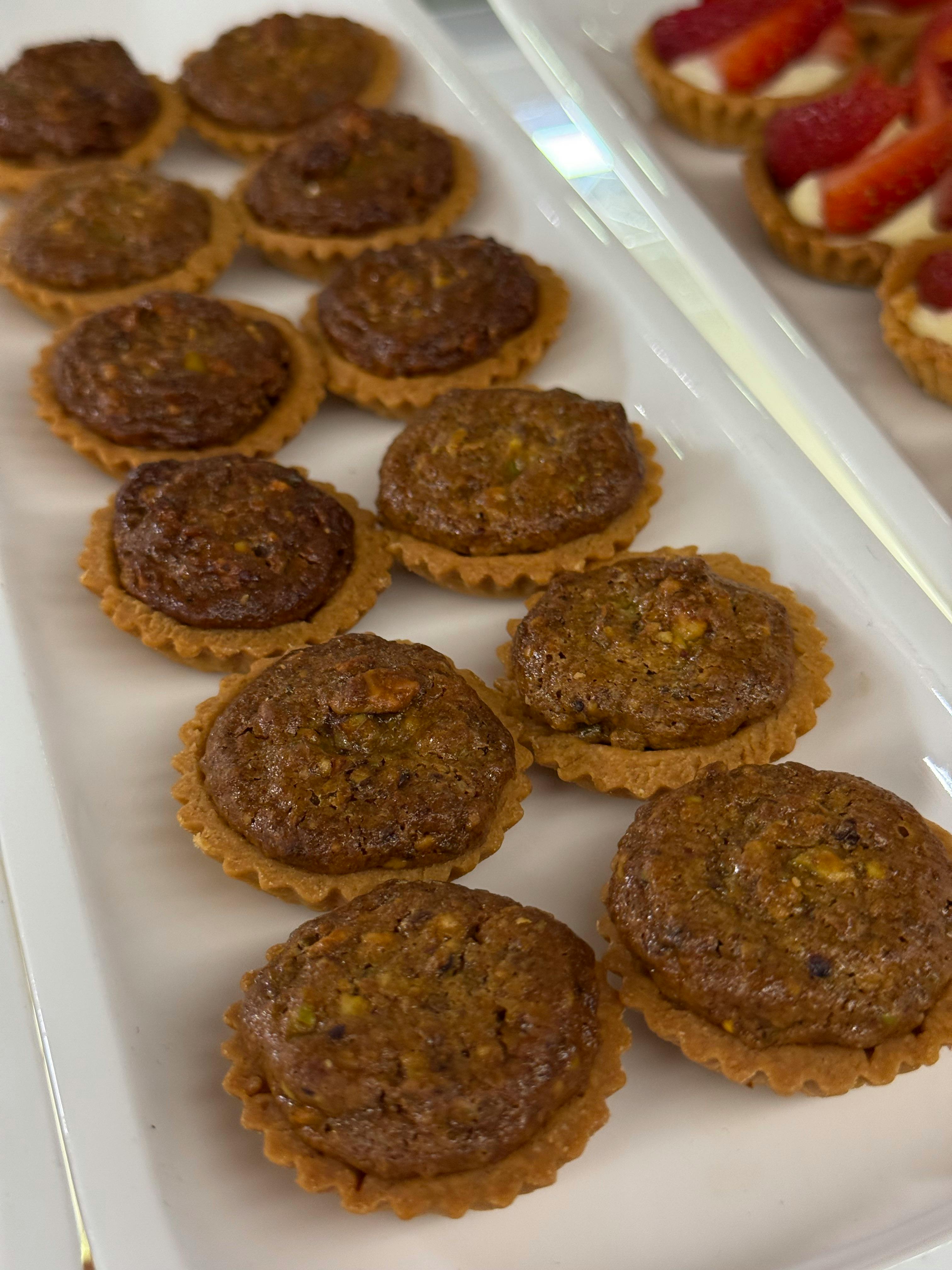
Unlike many sweets that arrived with settlers and were simply adapted, the butter tart is widely treated as a distinctly Canadian creation. It is a small pastry shell filled with butter, sugar or syrup, egg, and often raisins or nuts, then baked until the center turns glossy and rich. That combination sounds modest, yet it occupies a rare place in Canadian food culture.
Food historians often note that Canada has fewer nationally recognized original desserts than countries with longer documented pastry traditions. That scarcity helps explain why the butter tart inspires such loyalty. It is not just a bakery item. It is a symbol of regional pride, church suppers, roadside cafés, and family recipe boxes passed from one generation to the next.
Its staying power also comes from flexibility. Some bakers prefer a runny filling, others a firm one. Some insist raisins are essential, while others reject them completely. Those arguments are part of the tart's identity, proving that a humble dessert can become a marker of belonging.
The origin story is still under debate

The best-known early printed butter tart recipe appeared in The Women's Auxiliary of the Royal Victoria Hospital Cookbook, published in Barrie, Ontario, in 1900. Because of that record, Ontario is often presented as the butter tart's birthplace. It is a strong claim, but not a final answer. Printed evidence is not the same as proof of invention.
Many culinary researchers believe the dessert likely existed in home kitchens before 1900. Rural cooks rarely published recipes unless they entered community cookbooks, and handwritten household books were often lost. A recipe could have circulated for decades before anyone put it into print. That gap is exactly where the debate survives.
There is also the broader question of influence. The butter tart may have evolved from British treacle tarts, Scottish sugar pies, or French Canadian baking traditions, then become something distinct in Canada. In that reading, no single inventor exists. The butter tart would be a Canadian synthesis, shaped by local ingredients, prairie practicality, and domestic baking.
Why Ontario sits at the center of the claim
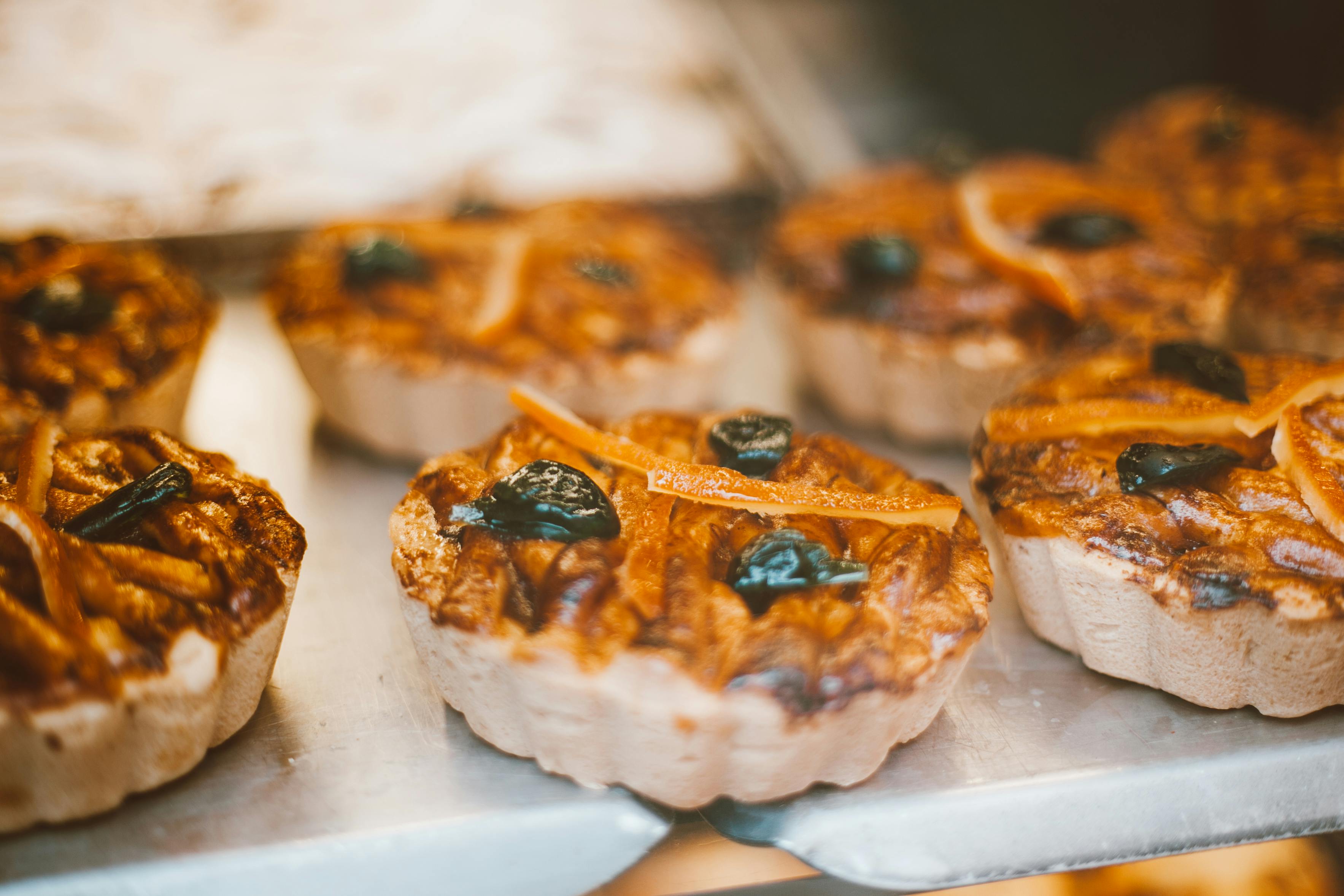
Ontario dominates the butter tart conversation for good reason. The province has some of the strongest documentary evidence, a dense network of small-town bakeries, and a long-running public celebration of the dessert. The Butter Tart Tour in Kawarthas Northumberland has helped turn local pride into culinary tourism, drawing visitors to bakeries, markets, and cafés.
That visibility has reinforced the idea that the tart is fundamentally Ontarian, even when Canadians elsewhere object. Community cookbooks from southern and central Ontario contain many early versions, and they show how quickly the dessert became part of everyday baking. Some use brown sugar, some use corn syrup, and some rely on currants instead of raisins.
Still, being the best documented is not always the same as being first. Historians are careful on this point. Ontario may have preserved the butter tart story more effectively than other regions, but preservation and origin are two different things, and that distinction keeps the argument alive.
The butter tart reflects settlement and pantry economics

One reason the butter tart took hold is that it made practical sense. Early Canadian cooks needed desserts built from shelf-stable ingredients they already had on hand. Butter, sugar, eggs, flour, and dried fruit were easier to keep than fresh cream or delicate fruit fillings, especially through long winters and in rural households far from urban markets.
Its richness also matched older baking traditions brought by immigrants from Britain and Europe. Settler kitchens valued recipes that delivered maximum flavor from basic staples. A small tart with a sweet, high-energy filling fit that logic perfectly. It was economical, celebratory, and adaptable to what was available in the pantry.
That practical foundation helps explain why the tart spread beyond any one town or family. It was not just delicious. It was useful. Foods that last in national memory are often the ones that answer everyday needs while still feeling special enough for holidays, fairs, and Sunday tables.
The great Canadian debate: runny, firm, raisins, or plain
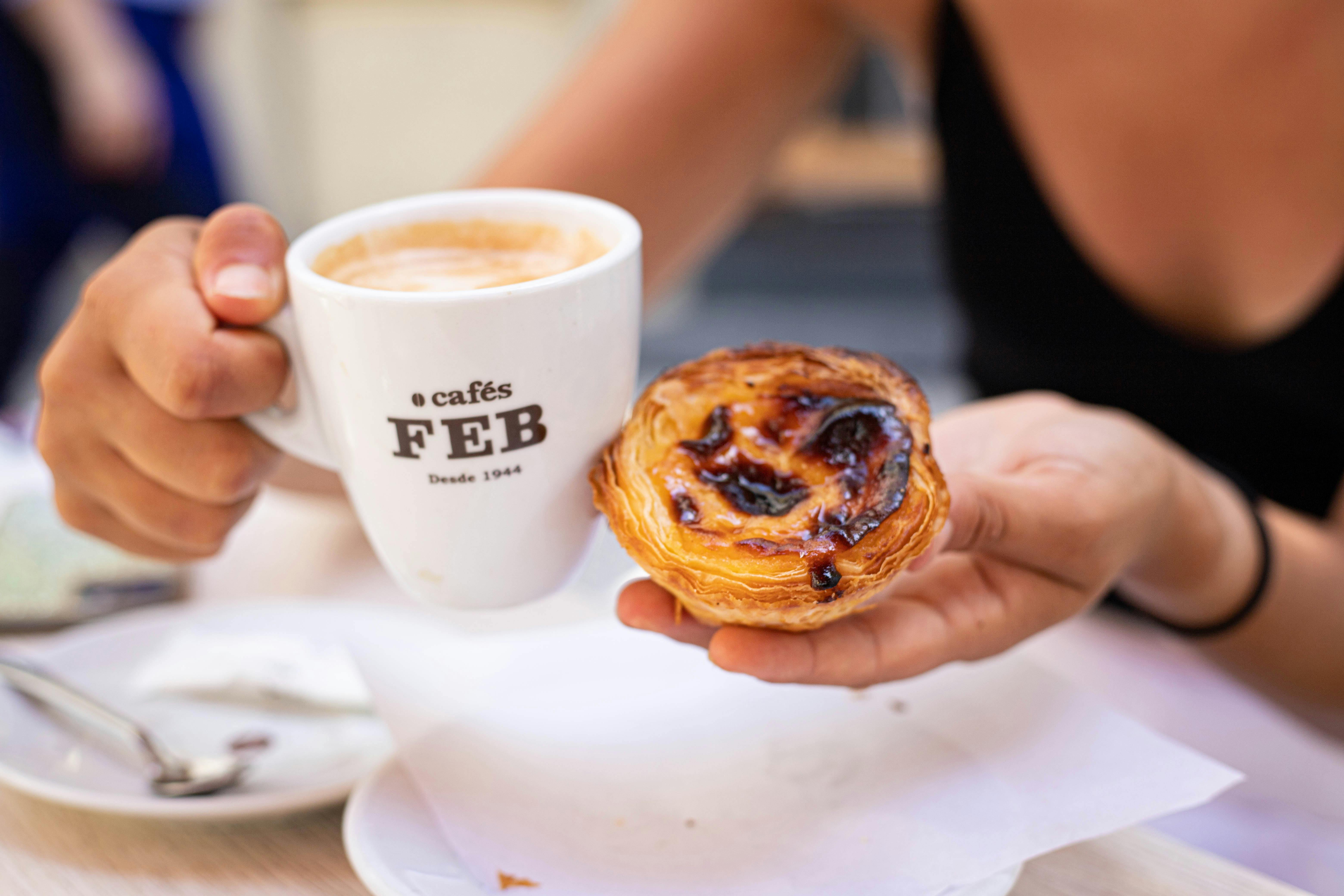
Ask Canadians what belongs in a butter tart and the conversation quickly becomes serious. The most famous divide is texture. Purists often argue that the filling should be soft and slightly runny, with a delicate wobble when warm. Others prefer a firmer center that slices neatly and travels better to bake sales and community events.
Then there is the raisin question. For some bakers, raisins are traditional and non-negotiable. For others, they interrupt the smooth caramel-like filling. Pecans, walnuts, currants, maple syrup, and even bacon have all appeared in modern versions, showing how a heritage dessert can remain alive without becoming frozen in time.
These disagreements are not trivial. They reveal how food traditions work. A recipe survives not because everyone makes it the same way, but because people care enough to argue over what counts as the real thing. In Canada, few desserts provoke that kind of affectionate scrutiny.
Why the butter tart still matters today
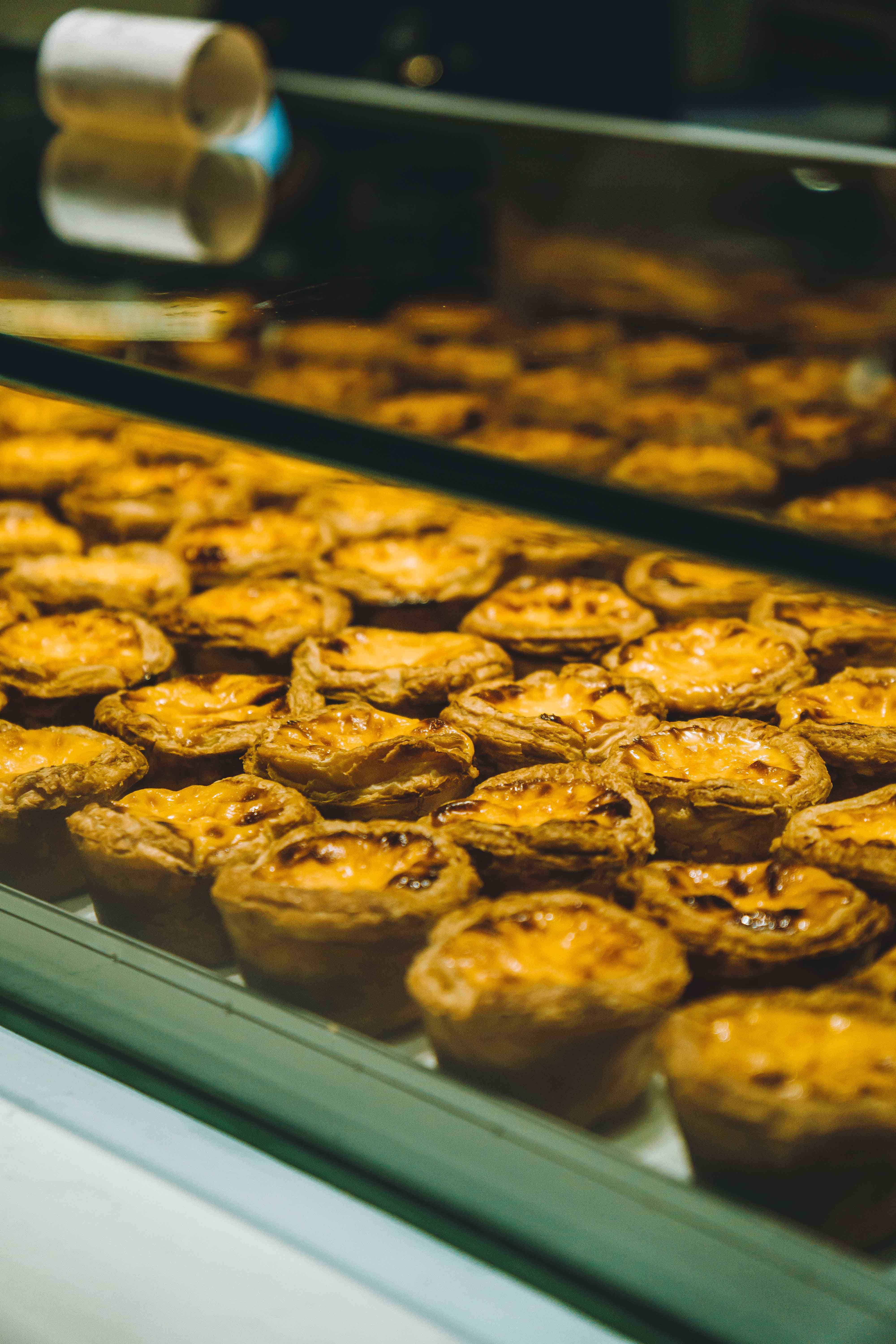
The butter tart remains visible because it bridges nostalgia and commerce. It appears in farm stands, gourmet bakeries, supermarket boxes, and competitive festivals. Professional pastry chefs refine it with brown butter and local maple, while home bakers keep older versions alive in community halls and holiday tins. Few national foods move so easily between high and low, old and new.
It also matters because it gives Canada a culinary story of its own. In a country where so much food identity reflects adaptation, migration, and borrowing, the butter tart offers a rare case of a dessert widely understood as homegrown. Even its disputed beginnings strengthen that role by inviting people to participate in the story.
That may be the tart's real legacy. Not perfect historical certainty, but a shared attachment strong enough to outlast disagreement. For a small pastry with a sticky center, it has become an unusually powerful expression of Canadian memory.

Leave a Reply