
Some of the biggest grocery savings are hiding in plain sight. Bulk bins often beat packaged supermarket prices by such a wide margin that the difference feels hard to believe until you compare by weight.
Nuts and Seeds
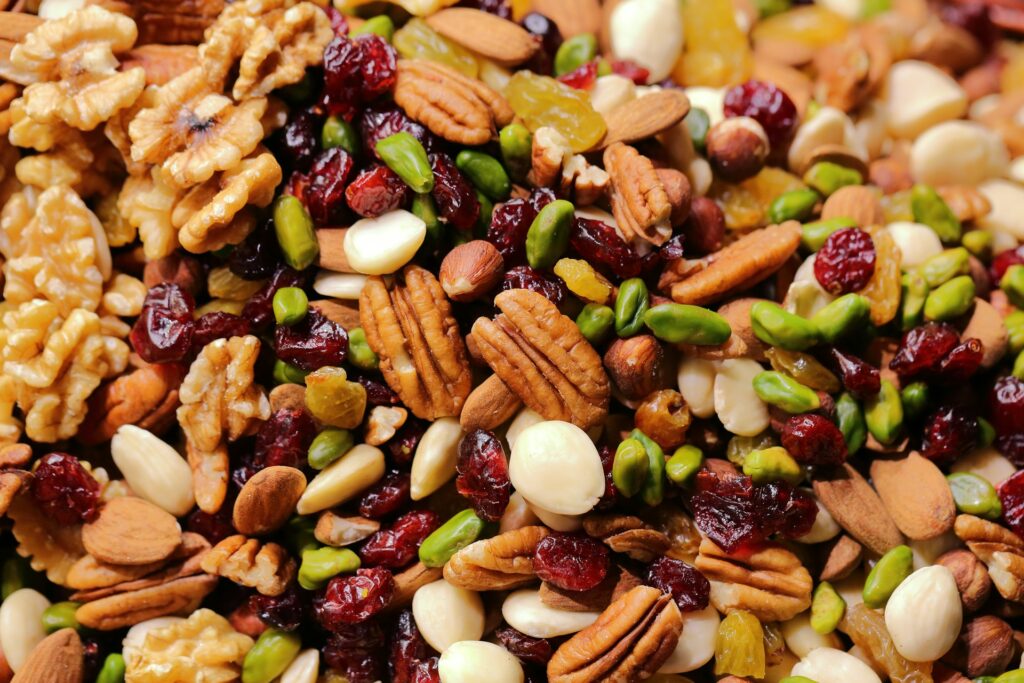
Few grocery items show markup more clearly than nuts and seeds. At regular supermarkets, small branded bags of almonds, walnuts, chia, or pumpkin seeds often carry premium pricing because they are sold as snack foods, health foods, and pantry staples all at once.
Bulk Barn-style stores cut out much of that packaging cost. You pay for the product by weight, not for a resealable pouch, printed label, and advertising campaign. That matters because nuts are already expensive commodities due to labor, water use, and global demand.
The savings become especially noticeable with chia seeds, sunflower kernels, flaxseed, and sesame seeds. In conventional stores, these products are frequently packed into tiny bags in the baking or natural foods aisle, where the unit price rises sharply. In bulk, shoppers can buy only what they need for smoothies, baking, or salads.
For households that use nuts for oatmeal, homemade granola, or lunch prep, the annual difference adds up fast. Bulk shopping also lets buyers compare freshness visually, which is useful when prices are volatile and quality can vary from batch to batch.
Spices and Seasonings

Spices are one of the easiest places to overspend. A small jar of cumin, smoked paprika, garlic powder, or oregano at a regular grocery store can cost several dollars, even when it contains only a few tablespoons.
That price is driven partly by glass jars, branding, shelf placement, and shrinkage costs. In a bulk section, the same spice is sold loose, so shoppers can scoop out a tablespoon for one recipe or stock up for repeated use without paying for a container every time.
This is especially valuable for spices that lose potency over time. Ground coriander, turmeric, cinnamon, and chili powder all fade in aroma if they sit in a cupboard for a year. Buying smaller amounts in bulk reduces waste while still lowering the per-unit cost.
Home cooks who make soups, marinades, rubs, and international dishes benefit the most. Instead of paying convenience pricing for ten separate jars, they can build a fuller spice cabinet at a fraction of the cost and replenish only what they actually finish.
Baking Staples
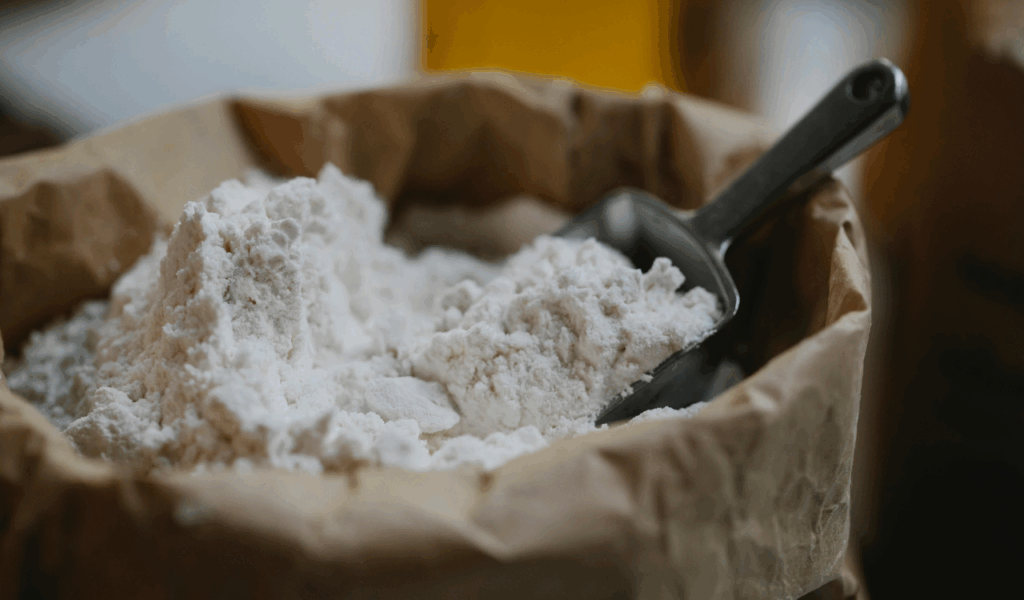
Baking ingredients are classic bulk-bin winners because supermarkets often make their money on package size. A one-kilogram bag of flour or sugar may seem affordable, but specialty flours, coconut sugar, cocoa powder, and chocolate chips can become dramatically more expensive in prepacked form.
Bulk buying gives shoppers control over quantity and cost. If a recipe needs only ½ cup of almond flour or a handful of shredded coconut, there is no need to buy a full branded package that may go stale before the next baking project.
This matters most during holiday baking, when households suddenly need large volumes of brown sugar, rolled oats, sprinkles, raisins, and chopped nuts. Bulk pricing can make cookies, muffins, and homemade snack bars much cheaper without forcing overbuying.
There is also less pantry clutter. Instead of accumulating half-used bags, shoppers can buy just enough for bread, pancakes, or birthday cakes. The financial advantage comes not only from lower shelf prices but from reducing forgotten leftovers and food waste.
Dried Beans, Lentils, and Rice
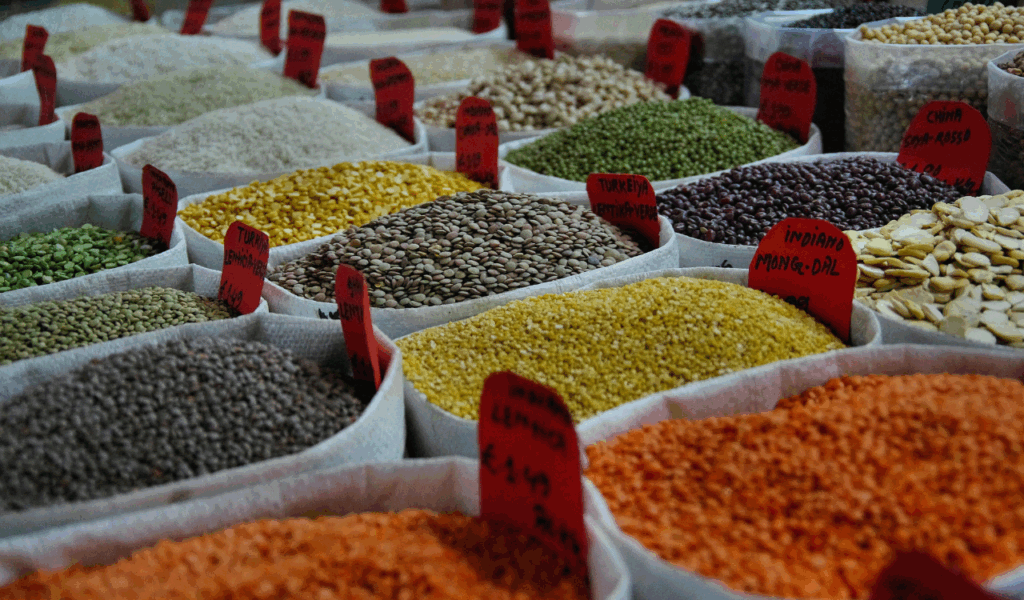
Staple pantry foods should be cheap, yet packaged versions often are not. Supermarkets frequently charge a convenience premium for small bags of jasmine rice, black beans, red lentils, or quinoa, even though these products store well and are typically imported in large commodity volumes.
Bulk bins narrow that premium considerably. Shoppers can buy exactly the amount needed for soups, curries, meal prep, or emergency pantry storage. That flexibility is useful for trying unfamiliar grains without committing to a full bag at a high unit price.
The biggest gains often appear with specialty rice and trendy pantry staples. Basmati, wild rice blends, farro, and quinoa can look modestly priced until you compare the per-100-gram cost against bulk alternatives. Then the packaged markup becomes obvious.
For families cooking budget-friendly meals, these foods deliver value twice. They cost less upfront in bulk, and they stretch into multiple servings with strong nutritional payoff. That combination makes them one of the smartest places to compare price labels carefully.
Candy and Snack Mix Ingredients

Candy is where packaging psychology works hardest. Supermarkets sell chocolate-covered almonds, gummy candies, jelly beans, trail mix, and yogurt-covered pretzels in bright bags designed for impulse buying, and the per-kilo cost can soar because shoppers focus on the sticker price, not the weight.
Bulk formats change that equation. Party planners, parents, and office organizers can buy exact amounts instead of multiple bags with extra branding and air space. The difference is especially noticeable for seasonal candy, where themed packaging often inflates cost more than the ingredients do.
Snack mix ingredients offer another hidden saving. Pretzels, dried fruit, roasted peanuts, cereal pieces, and coated chocolates bought separately in bulk can be combined into homemade trail mix for far less than preblended snack packs sold in grocery aisles.
There is also better portion control. Buying by scoop encourages people to think in terms of quantity and cost, which can reduce both overspending and overbuying. For events, lunchboxes, and road trips, that practical advantage can be as valuable as the lower unit price.
Dried Fruit and Specialty Ingredients
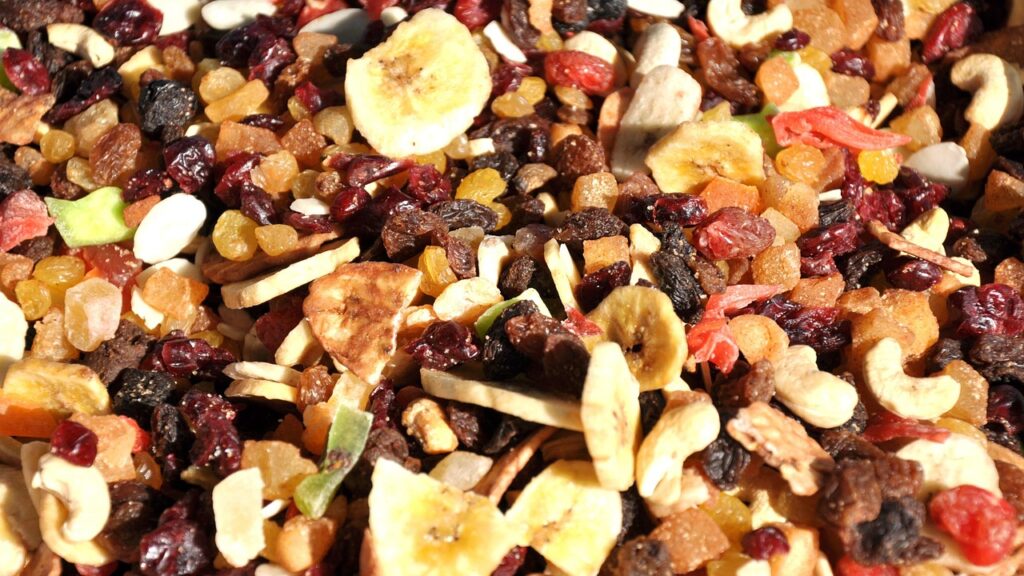
Dried fruit often carries luxury pricing in regular stores. Small bags of mango slices, cranberries, dates, apricots, and banana chips are marketed as premium snacks, and once packaging and branding are added, the final shelf price can be several times higher than bulk-bin equivalents.
Bulk shopping is particularly useful here because dried fruit is rarely used in just one way. It might go into oatmeal, salads, baking, charcuterie boards, or school snacks. Buying flexible amounts helps households avoid paying top dollar for a package size that does not fit their routine.
The same logic applies to specialty ingredients such as nutritional yeast, coconut flakes, cacao nibs, and granola add-ins. These are products people often want in moderate amounts, and prepackaged grocery versions are commonly marked up for the wellness or gourmet market.
Experienced shoppers know the best savings come from comparing unit prices, not package prices. Bulk Barn-style stores are strongest where supermarkets monetize convenience, branding, and small portions. In those categories, spending a few extra minutes with a scoop can deliver outsized savings.


Leave a Reply