
Summer is rewriting the Canadian dining playbook. Across the country, restaurants, chains, grocers, and consumers are adapting quickly to new costs, new rules, and new expectations.
Menu prices are rising, but value is being redesigned

The clearest change this summer is not simply higher prices. It is the way restaurants are rebuilding value so customers still feel they are getting a worthwhile meal. Operators facing elevated food costs, rent, insurance, and wages are trimming menu size, pushing combo meals, and spotlighting dishes with steadier margins.
That means more prix fixe offers, happy-hour food specials, and family bundles at both independent restaurants and major chains. Instead of broad discounting, businesses are using targeted promotions to protect traffic on slower days. According to industry reporting and company updates, many brands now treat menu engineering as a survival tool, not just a marketing tactic.
For diners, the result is a summer of more strategic spending. People are still eating out, but they are choosing lunch over dinner, splitting share plates, and watching beverage costs more closely. Restaurants that explain their pricing clearly and deliver consistency are far more likely to keep customers loyal.
Alcohol service is becoming a bigger sales battleground
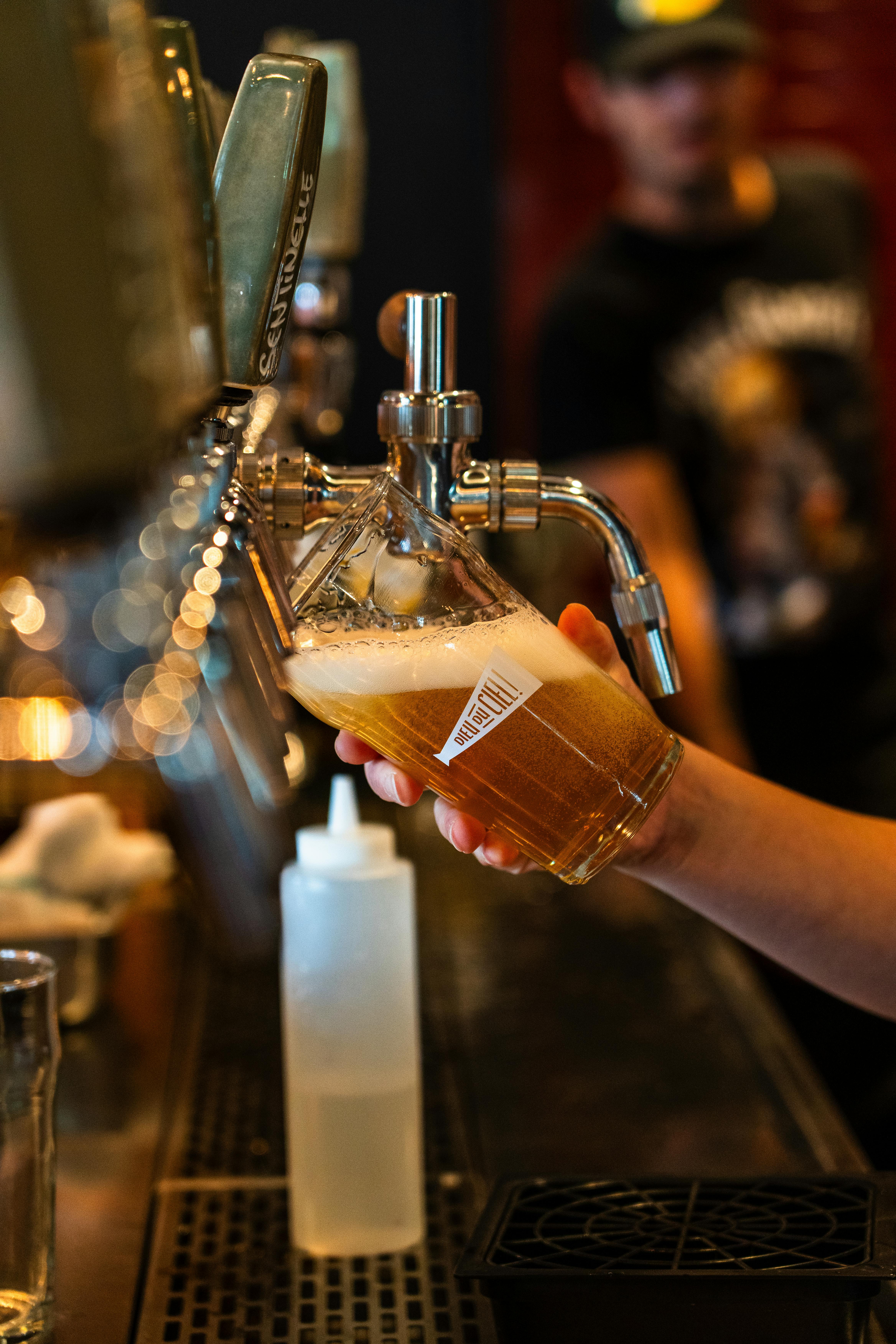
One major shift is happening in the glass, not just on the plate. Alcohol remains one of the highest-margin parts of restaurant business, so this summer many operators are leaning harder into cocktails, local beer, no- and low-alcohol drinks, and flexible patio beverage programs.
Provincial regulation continues to shape what is possible, and the rules differ significantly across Canada. In Ontario, the broader expansion of ready-to-drink alcohol sales into more retail settings is changing how consumers buy beverages for home use. That creates more competition for restaurants, which now need stronger in-house drink experiences to justify spending.
The smartest operators are responding with seasonal beverage menus, Canadian spirits, and better alcohol-free options that appeal to a wider audience. This matters because younger consumers are often drinking less overall while still expecting quality and variety. A strong beverage strategy now helps define whether a restaurant feels current or dated.
Fast-food competition is intensifying across the country

This summer, quick-service dining is becoming even more crowded. Global brands continue expanding in Canada, while established players are renovating stores, modernizing drive-thrus, and adding more aggressive app-based offers to protect market share.
Chicken remains one of the hottest categories, with chains competing on sandwiches, tenders, and limited-time flavours. Pizza brands are also fighting for frequency through bundled offers and delivery deals. The competition is no longer just about who has the cheapest meal, but who can deliver speed, convenience, and a sense of novelty without disappointing on quality.
Digital ordering is central to that contest. Loyalty apps, personalized coupons, and exclusive mobile promotions are now routine tools for winning repeat business. For consumers, that means more choices and better short-term deals, but it also means the most visible brands are shaping eating habits more aggressively than ever.
Grocery stores are taking a bigger bite out of restaurant spending
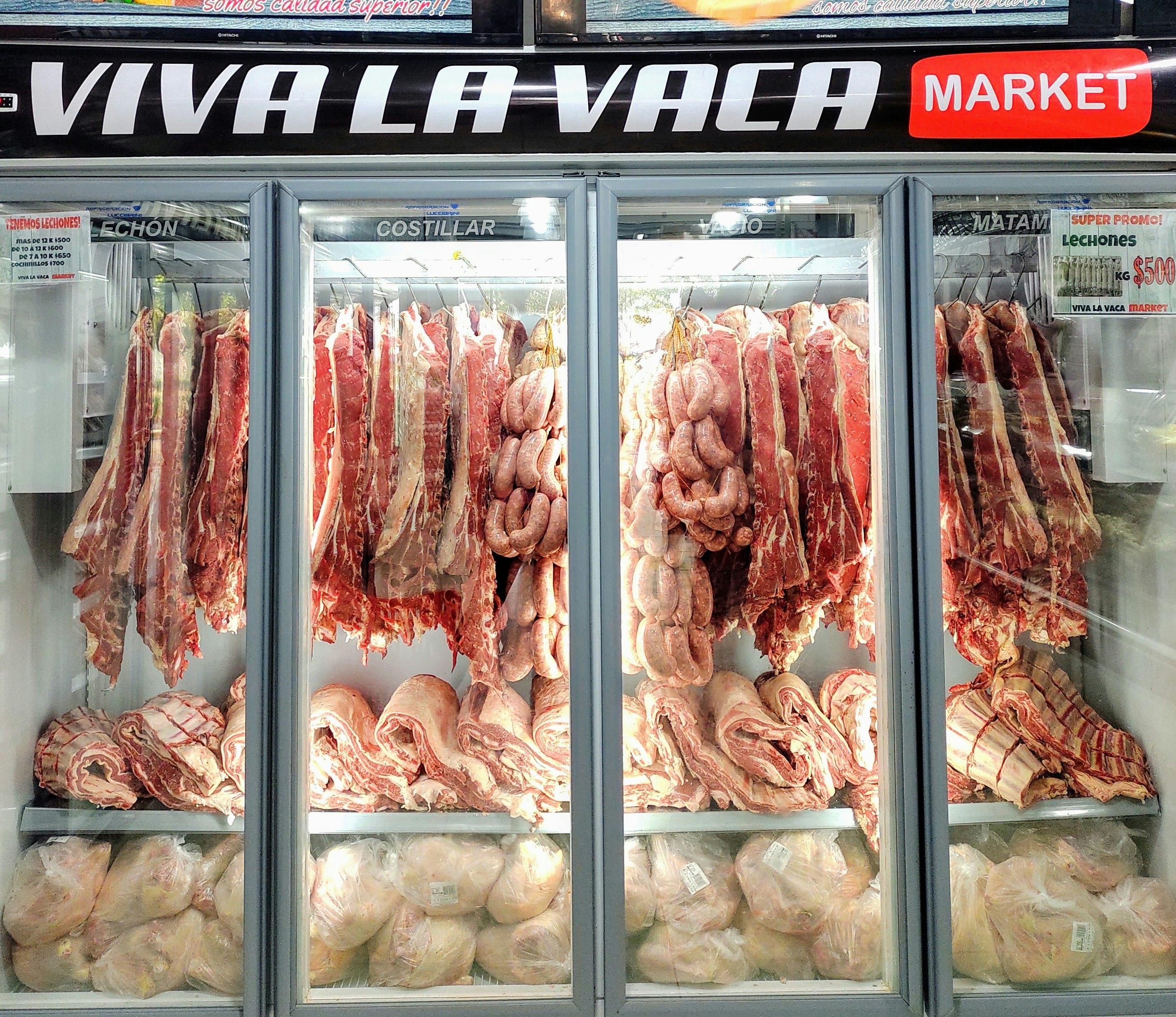
A quieter but very important change is happening inside supermarkets. Canadian grocers are expanding prepared foods, heat-and-eat meals, premium sandwiches, sushi counters, and in-store bakery programs that directly compete with casual restaurants for lunch and dinner occasions.
For families watching budgets, the grocery prepared-food aisle often feels like a practical middle ground between cooking from scratch and ordering takeout. It offers speed and predictability, and during inflationary periods that combination is powerful. Retailers understand this and are investing in meal solutions that look more restaurant-like than ever.
This puts pressure on independent operators in particular. If a rotisserie chicken dinner, salad kit, and dessert from a grocery store cost noticeably less than takeout, restaurants need to compete on flavour, hospitality, uniqueness, or convenience. Summer spending will increasingly go to businesses that give people a clear reason not to stay in.
Local sourcing is becoming both a selling point and a necessity
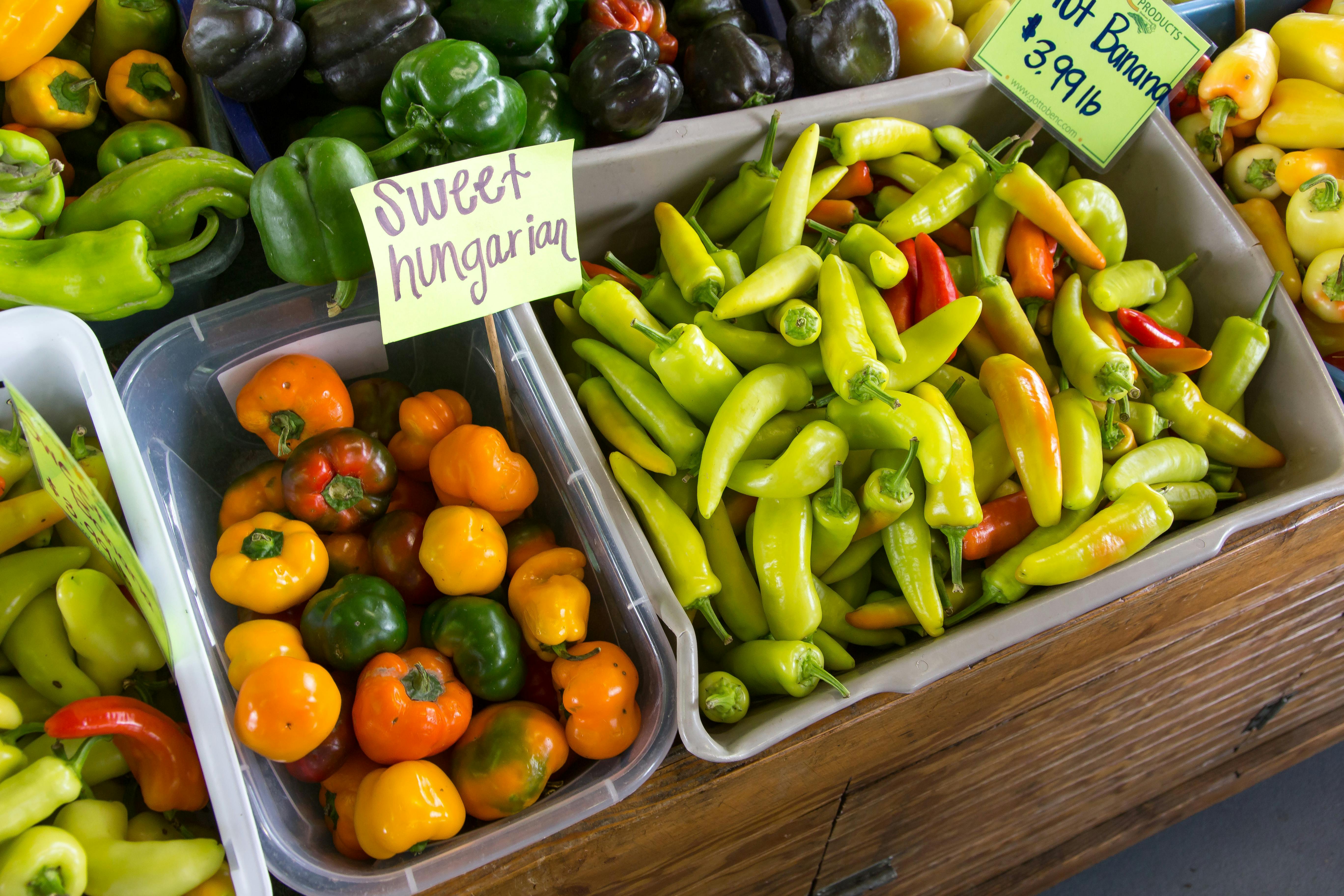
Seasonality always matters in Canada, but this summer local sourcing carries extra weight. Restaurants are using Ontario berries, Quebec produce, Atlantic seafood, Prairie beef, and British Columbia wines not only to attract diners, but also to manage supply uncertainty and differentiate themselves from chain sameness.
There is also a stronger public appetite for knowing where food comes from. Diners increasingly associate local ingredients with freshness, community support, and better storytelling on the menu. In a competitive market, that story matters because it gives a restaurant personality and justifies premium pricing more effectively than vague quality claims.
Still, local sourcing is not simple. Weather disruptions, transportation costs, and uneven regional supply can make domestic purchasing expensive or inconsistent. The restaurants handling it best are being precise and honest, featuring seasonal specials when supply is strong rather than overpromising local ingredients year-round.
Consumer expectations are shifting as much as the menus are
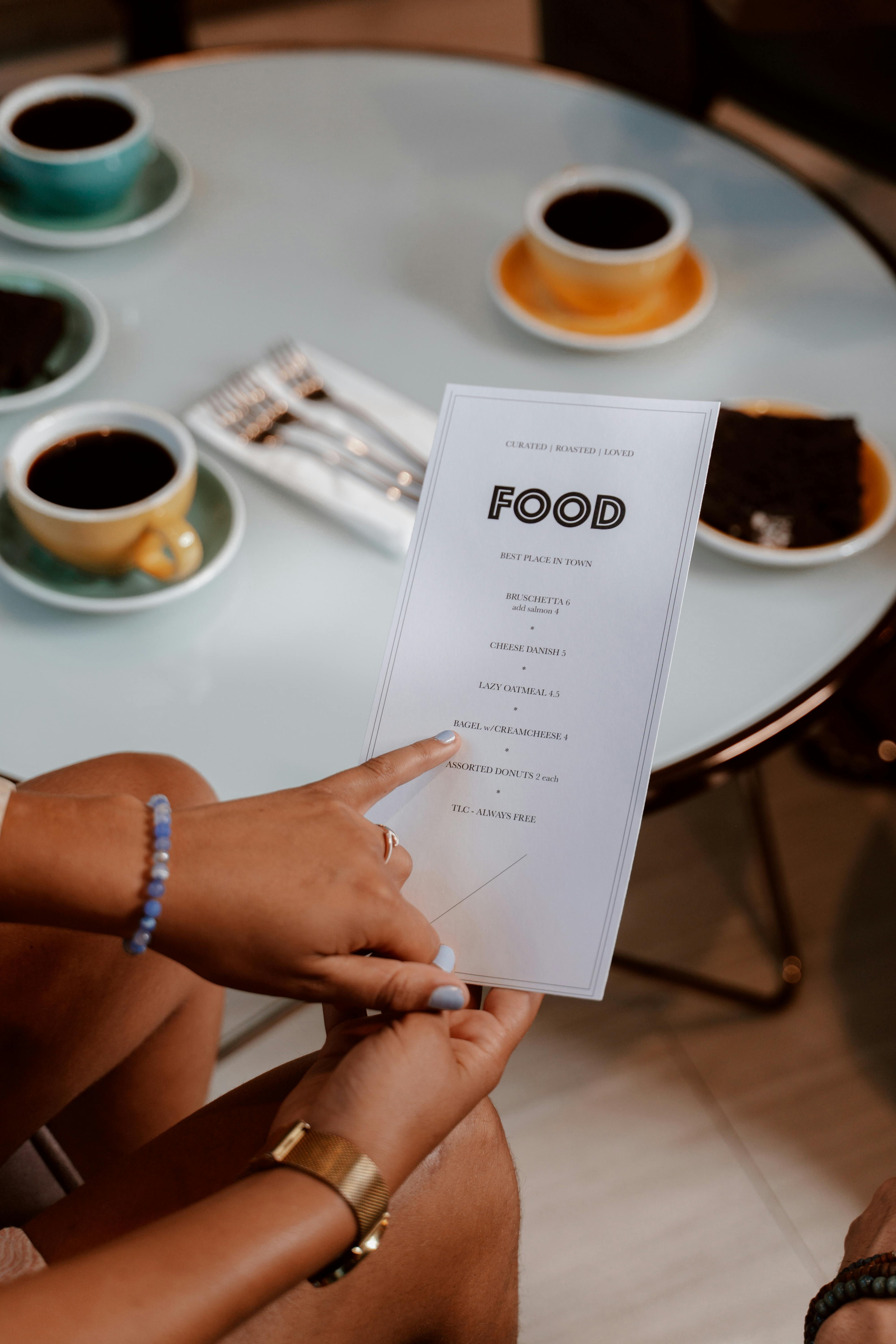
The biggest summer change may be behavioral. Canadians want restaurants to be faster, clearer, and more flexible, but they also want quality that feels worth the bill. That is pushing the industry toward simpler menus, better service training, cleaner branding, and more transparent communication about portions, surcharges, and substitutions.
Health preferences are also more visible in ordering patterns. More customers expect plant-forward dishes, higher-protein options, gluten-aware choices, and drinks with less sugar. They do not necessarily want strict health food, but they do want menus that reflect modern habits without making them feel limited.
Taken together, these shifts point to a restaurant market that is under pressure but still highly adaptive. The winners this summer will not be the businesses that change everything. They will be the ones that read Canadian diners accurately and respond with discipline, relevance, and confidence.




Leave a Reply