
Fresh green beans can go from crisp to limp faster than many people expect. The good news is that a few simple storage choices can preserve texture, flavor, and reduce waste.
Why green beans spoil so quickly
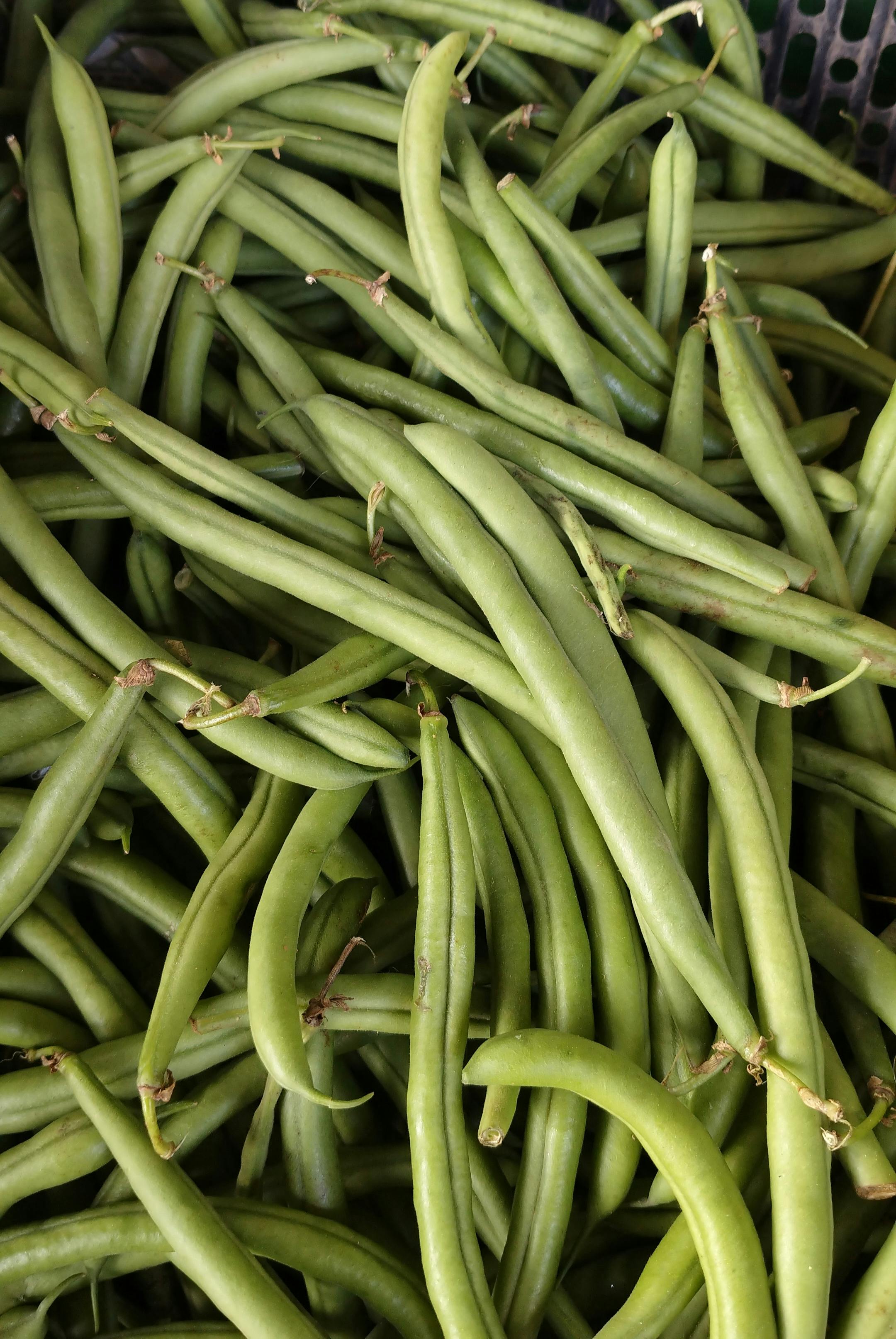
Green beans are delicate pods with a high water content, so they lose quality fast when storage conditions swing too dry or too damp. If they dry out, they wrinkle and turn rubbery. If they trap too much moisture, they become slimy and start breaking down.
Temperature matters just as much as humidity. Food experts and dietitians commonly recommend storing green beans around 39°F to 46°F, a range that slows deterioration without freezing the beans. In a typical home kitchen, the refrigerator crisper drawer is the easiest place to create those conditions.
The crisper works well because it helps hold humidity more steadily than an open shelf. That slows moisture loss while keeping the beans firm. It also protects them from the repeated warmups that happen every time the refrigerator door opens.
The best refrigeration method
The most reliable method is simple: store green beans unwashed and untrimmed in the refrigerator crisper drawer. Leaving the ends intact helps prevent dehydration and reduces openings where spoilage microbes can take hold. Washing too early adds surface moisture, which encourages faster decay.
If the beans came in a plastic produce bag, tuck in a paper towel to absorb condensation. Then add a few small holes if the bag has none, so excess moisture can escape. This balance of light ventilation and gentle humidity often keeps beans in better condition for about a week.
A flat container can work even better for larger amounts. Line it with paper towels, spread the beans in a loose layer, and cover it loosely so air can still move. This setup reduces bruising, prevents trapped wet spots, and can buy a few extra days of quality.
Common storage mistakes to avoid

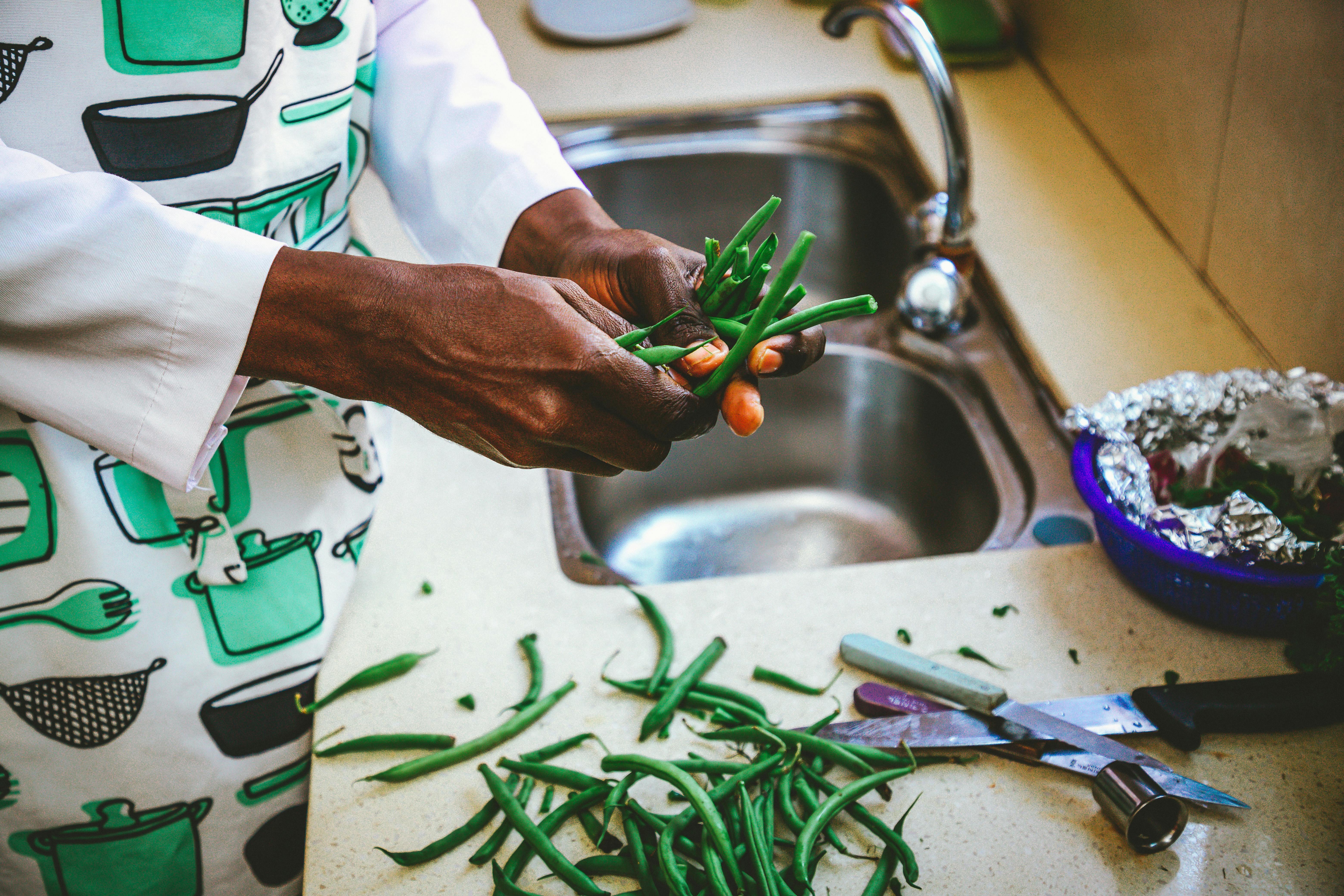
One of the biggest mistakes is washing green beans as soon as they come home from the store. Clean-looking beans may seem ready to use, but leftover droplets speed microbial growth. The same is true for trimming the ends too early, which exposes the interior and shortens shelf life.
Another common problem is sealing beans too tightly without any airflow. A fully closed container or bag can trap condensation, especially if the beans were cold from the store and then warmed slightly in transit. That trapped moisture is often what leads to the slippery coating people notice later.
Leaving beans in the warmest parts of the refrigerator also hurts quality. Door shelves are less stable in temperature, and crowded drawers can crush the pods. A little space, some absorbent paper, and delayed washing make a bigger difference than expensive storage gadgets.
How long they last and when to use them
Fresh green beans stored properly usually last about 5 to 7 days in the refrigerator. Very fresh beans bought directly from a market or picked from a garden may hold a bit longer, especially if they are cooled quickly. Still, green beans are best used sooner rather than later for peak snap and sweetness.
Plan meals around them early in the week if possible. Use the most tender, slender beans first in quick sautés, salads, or steaming. Larger or slightly older beans can still be excellent in soups, braises, casseroles, or roasted dishes where absolute crispness matters less.
Check the beans every day or two. Removing any damaged pods prevents moisture and spoilage from spreading through the batch. This quick sorting habit is one of the easiest ways to reduce food waste at home.
Signs your green beans are no longer fresh
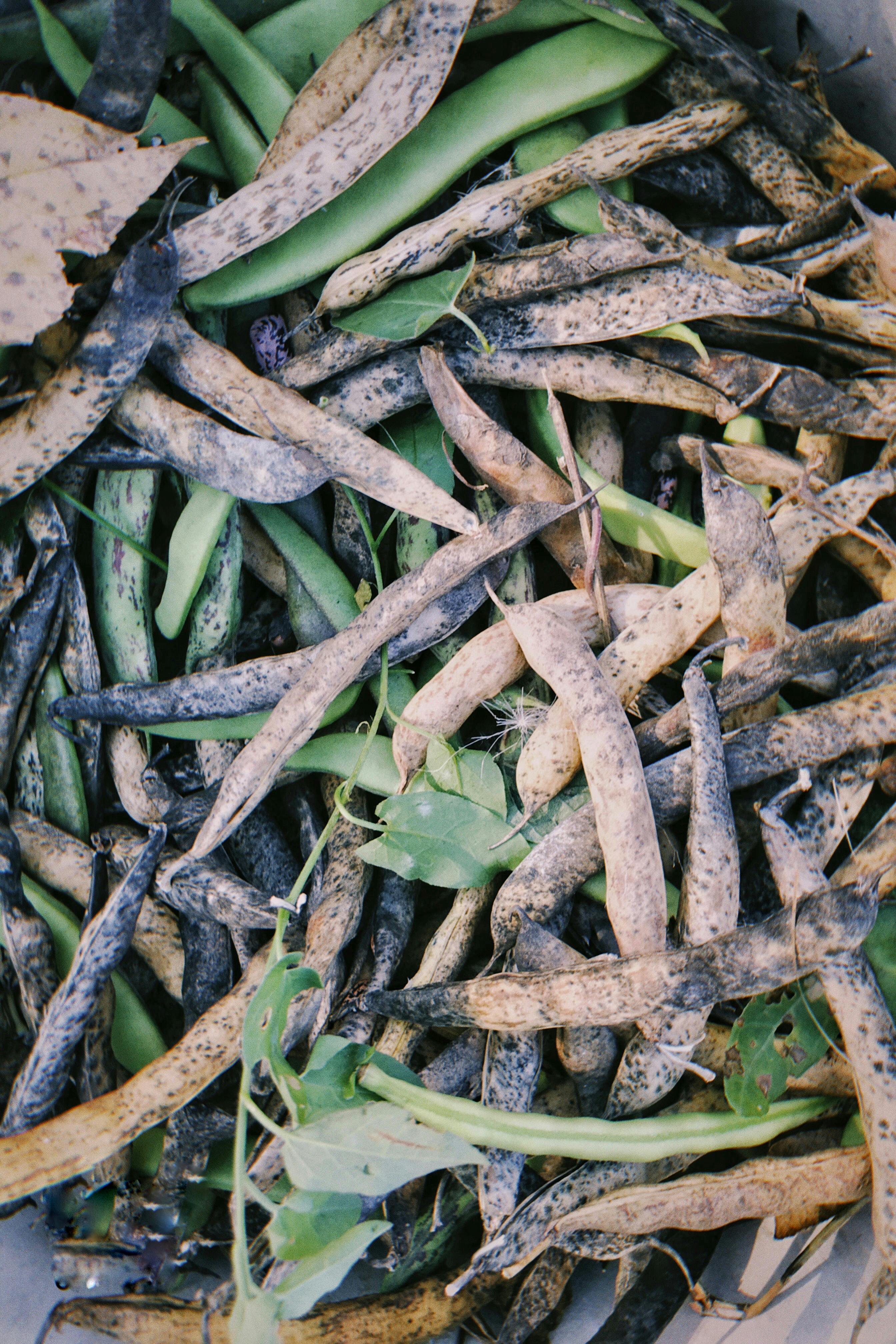
Good green beans should feel firm, smooth, and slightly springy, with a bright green color. When bent, a fresh bean often snaps cleanly. As quality fades, the pods become limp, wrinkled, or dull, and they may lose that crisp break.
Sliminess is a major warning sign. A sticky or wet film usually means the beans have been sitting in too much moisture and are actively spoiling. Soft brown spots, mold, or a sour smell are stronger indicators that the beans should be discarded rather than trimmed and salvaged.
Minor dehydration is different from decay. If beans are only a little less crisp but still smell fresh and show no slime or mold, they can often still be cooked safely. In that case, use them soon in a hot dish where texture can be slightly less perfect.
How to freeze green beans well
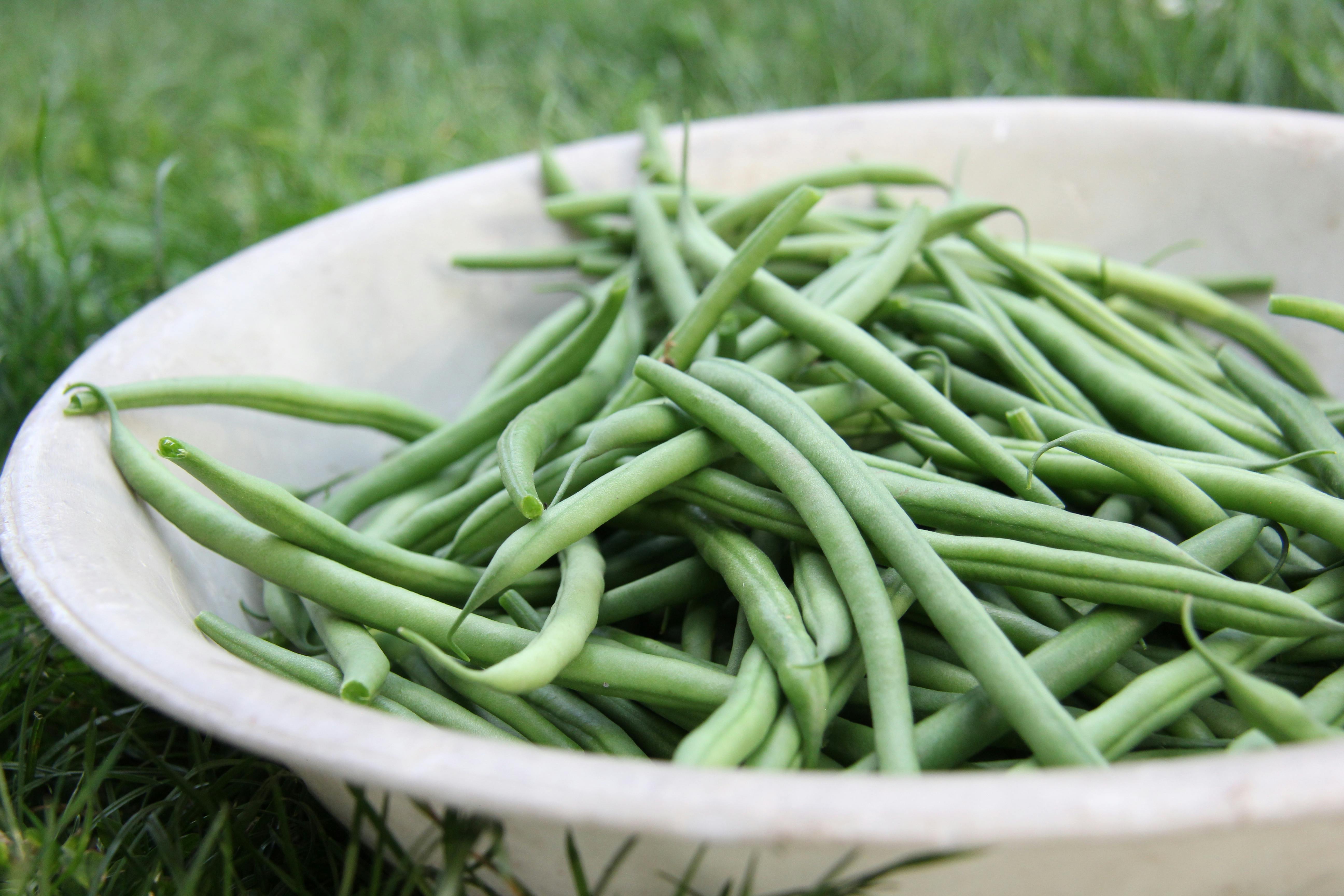
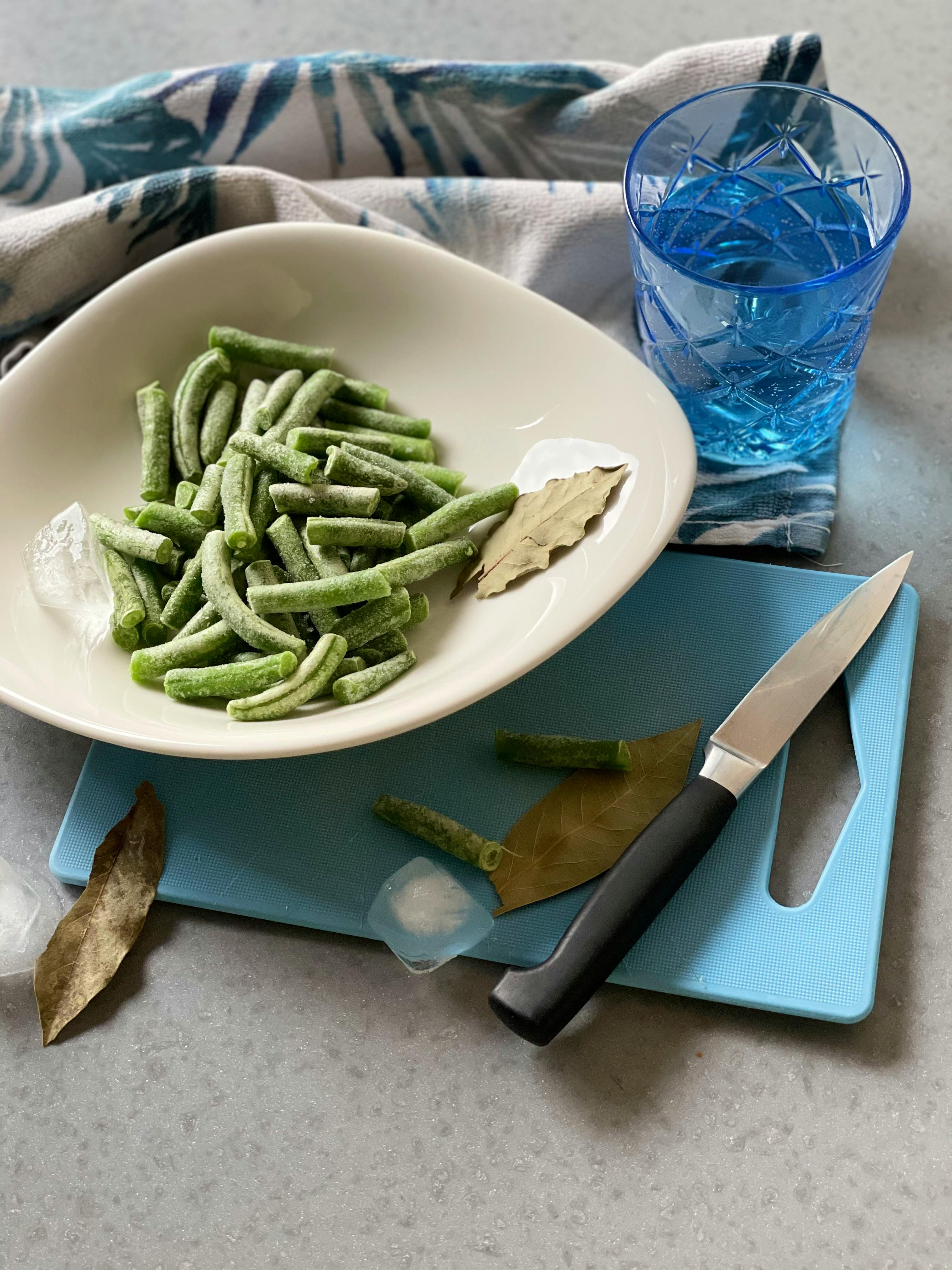
If you know you will not use the beans in time, freezing is the best backup plan. Start by washing and trimming them only when you are ready to freeze. Then blanch the beans in boiling water for 3 minutes to preserve color, flavor, and texture.
Immediately transfer them to an ice bath to stop the cooking. Once fully cooled, dry them thoroughly so ice crystals do not build up on the surface. For the best results, freeze the beans first in a single layer on a baking sheet for about 1 hour before moving them to airtight freezer bags.
This extra step prevents clumping and helps protect quality for several months. Label the bag with the date, press out as much air as possible, and use the beans straight from frozen in soups, stir-fries, casseroles, or steamed side dishes. Properly stored, they stay useful, flavorful, and far less likely to go to waste.




Leave a Reply