
Rising grocery bills are frustrating, and no household feels cheerful about paying more for basics. Yet food inflation is not a one-note story, and some of its lesser-known effects can be surprisingly constructive.
It can reduce everyday food waste

One of the clearest but least discussed effects of food inflation is that people often become more careful with what they buy, store, and throw away. When food is cheap, small amounts of waste can feel invisible. When prices rise, that same waste becomes obvious in the weekly budget.
Households tend to plan meals more carefully during inflationary periods. Shoppers make stricter lists, check what is already in the fridge, and think twice before overbuying perishable items. Economists who study consumer behavior often note that higher prices sharpen attention in ways that discount-heavy environments do not.
Restaurants also respond by tightening inventory systems and redesigning portions. More businesses begin using trimmings, preserving surplus ingredients, or adjusting menus around stock levels. In practice, this can mean fewer spoiled ingredients and a more disciplined food chain from supplier to plate.
It encourages smarter shopping habits
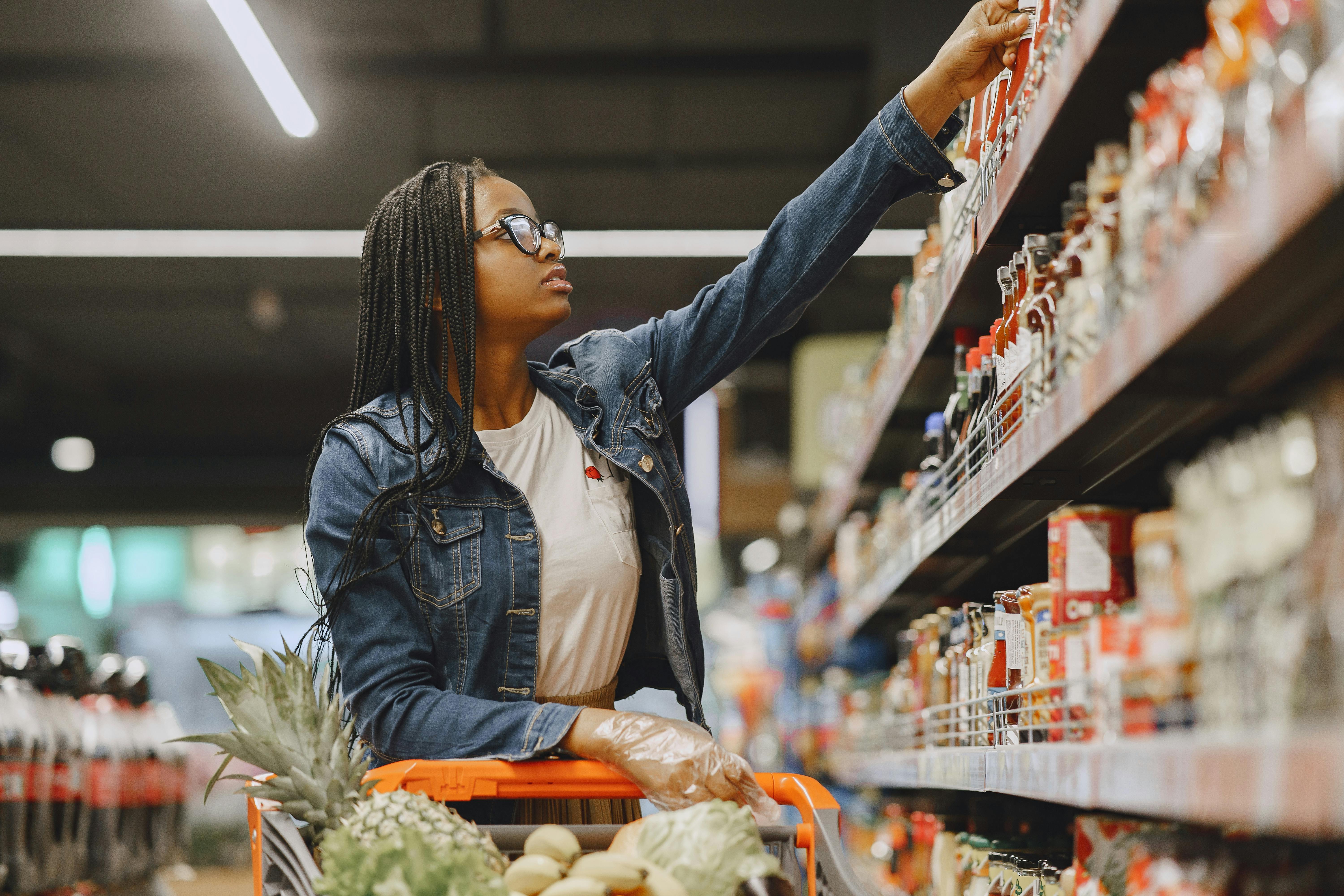
Price pressure often turns passive shoppers into much more informed buyers. Instead of grabbing familiar products automatically, people compare unit prices, test store brands, and notice seasonal patterns. That shift may feel forced at first, but it can create lasting financial discipline.
Many consumers discover that generic or private-label foods are often produced to strong standards and can match national brands in quality. During recent inflation cycles, major retailers reported increased store-brand sales as households looked for value without sacrificing essentials. For many families, that lesson sticks even after inflation cools.
Food inflation can also make shoppers more aware of timing. Buying produce in season, purchasing staples in bulk when prices are favorable, and using loyalty offers strategically become normal habits. Over time, these small decisions can improve budgeting far beyond the grocery aisle.
It can support local farmers and nearby producers
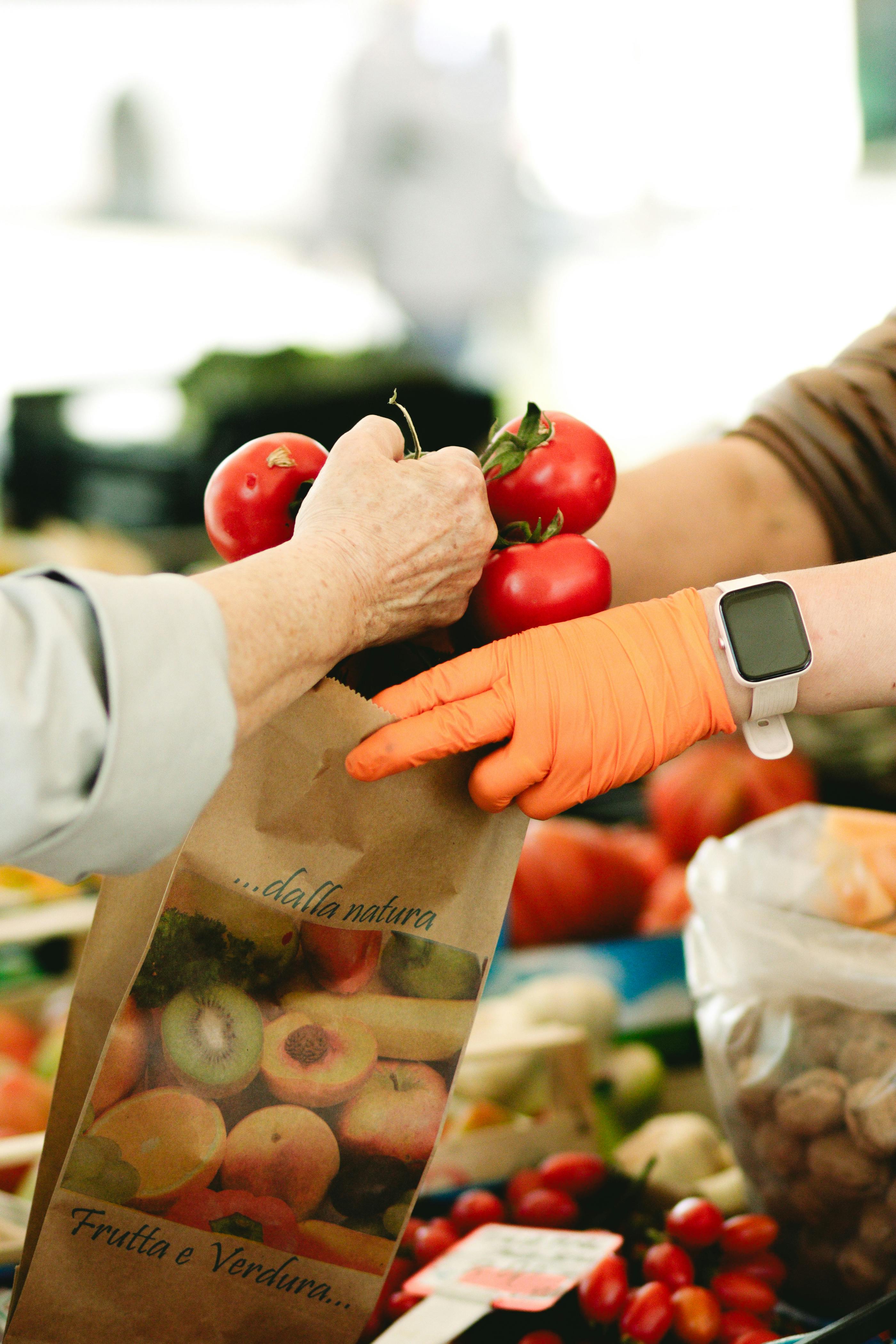
Here is a less obvious angle: higher transport, storage, and import costs can make local food sources more competitive. When globally distributed food becomes more expensive, nearby farms, dairies, and regional processors sometimes gain an advantage they previously lacked.
Consumers who once defaulted to large national supply chains may begin exploring farmers markets, local produce boxes, or neighborhood butchers. That change can keep more money circulating within regional economies. It may also shorten supply chains, which can reduce some logistical vulnerabilities exposed during recent global disruptions.
For smaller producers, inflation can create room to charge prices that better reflect real labor and input costs. That matters because many local food businesses operate on very thin margins. When buyers become more willing to pay for freshness, traceability, and local resilience, communities can end up with stronger food networks.
It pushes food companies to innovate faster
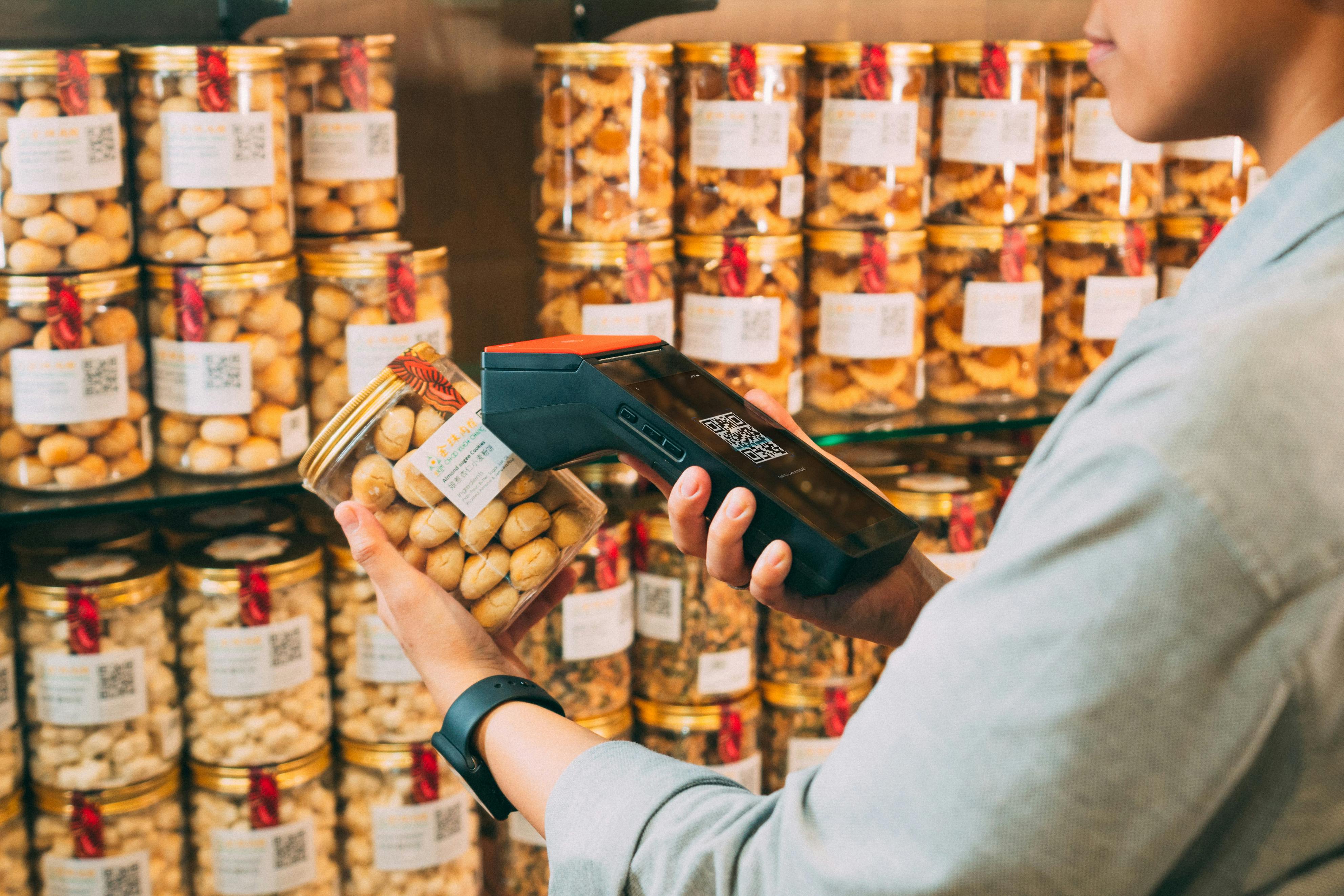
Inflation does not only raise prices. It also puts pressure on manufacturers, retailers, and restaurants to rethink how food is sourced, packaged, and delivered. In many industries, cost stress has historically been one of the strongest drivers of innovation.
Food companies may reformulate products to use ingredients more efficiently, improve shelf life, or reduce packaging waste. Retailers often invest in better demand forecasting and inventory software so less food sits unsold. According to reporting from Reuters in recent years, companies across the consumer goods sector have increasingly used technology to protect margins while responding to price-sensitive customers.
Some of these changes directly benefit the public. Better preservation methods, smarter distribution, and more flexible packaging sizes can make food systems more efficient. While the motivation may begin with cost control, the result can be a more adaptive and less wasteful marketplace.
It can nudge people toward healthier basics
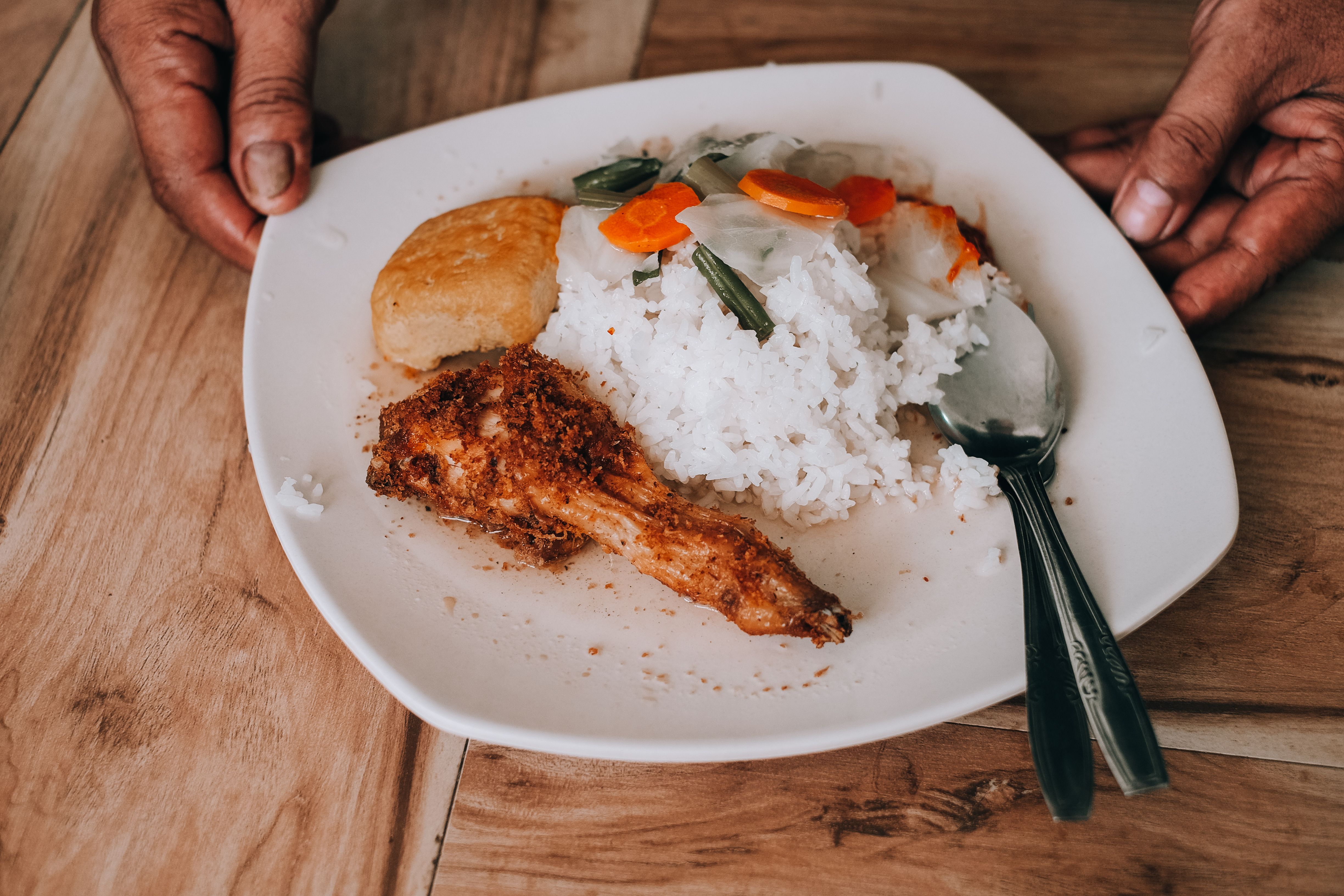
Not every response to food inflation is healthy, but one overlooked pattern is that some households shift away from expensive convenience foods and toward simpler staples. Prepared snacks, takeout, and heavily processed items often become easier to cut than core ingredients such as rice, oats, beans, eggs, and seasonal vegetables.
That budget-driven substitution can improve diets in certain cases. Home-cooked meals usually allow better control over salt, sugar, fats, and portion size. Public health researchers have long pointed out that cooking at home tends to be associated with more balanced eating habits, even if outcomes vary by income and access.
Inflation can therefore create a practical reason to relearn basic kitchen skills. People start making soups, stews, casseroles, and packed lunches more often because they stretch ingredients further. Those habits, once established, can remain valuable long after prices stabilize.
It highlights the true cost of food production

Cheap food often hides expensive realities elsewhere in the system. Labor, fuel, fertilizer, animal feed, refrigeration, packaging, and water all carry real costs, yet low shelf prices can make those inputs easy to ignore. Food inflation forces a closer look at what it actually takes to produce and deliver a meal.
That awareness can lead to more informed public conversations about farming and supply chains. When consumers understand why bread, milk, or fresh produce costs more, they may become more realistic about drought, energy prices, labor shortages, and climate pressures. The issue becomes less abstract and more connected to daily life.
In that sense, inflation can improve economic literacy. It teaches that food pricing is not random and that abundance depends on complex systems. While nobody welcomes higher bills, the resulting awareness can encourage smarter policy debates and more responsible consumption.
It rewards efficient restaurants and food businesses

Periods of food inflation tend to separate disciplined operators from careless ones. Restaurants and food businesses that manage purchasing well, control portions, reduce spoilage, and build flexible menus are better positioned to survive. That pressure can improve standards across the industry.
Customers may ultimately benefit from those stronger business practices. A restaurant that tracks inventory closely and designs menus around available ingredients is often more consistent and less wasteful. Some chefs have responded to inflation by featuring whole-animal butchery, root-to-stem cooking, or rotating seasonal specials that use ingredients more completely.
This kind of operational discipline can make businesses more resilient in future disruptions as well. Instead of relying on wasteful habits during cheaper times, they build systems that are durable under stress. In a competitive market, that often leads to better-run establishments overall.
It can strengthen household cooking confidence

There is a practical confidence that often grows when people are forced to stretch groceries further. They learn how to substitute ingredients, revive leftovers, freeze meals, and build several dishes from one purchase. What begins as a money-saving necessity often becomes a useful life skill.
For example, a roast chicken can turn into multiple meals, while stale bread becomes croutons or breadcrumbs. Vegetable scraps may go into stock rather than the trash. These habits are common in cultures with strong traditions of thrift, and inflation often brings them back into focus in wealthier consumer markets.
This matters because confidence in the kitchen improves independence. Households that can cook flexibly are less vulnerable to price spikes in convenience foods and prepared meals. Over time, that adaptability can protect both budgets and nutrition.
It can encourage broader reforms in the food system
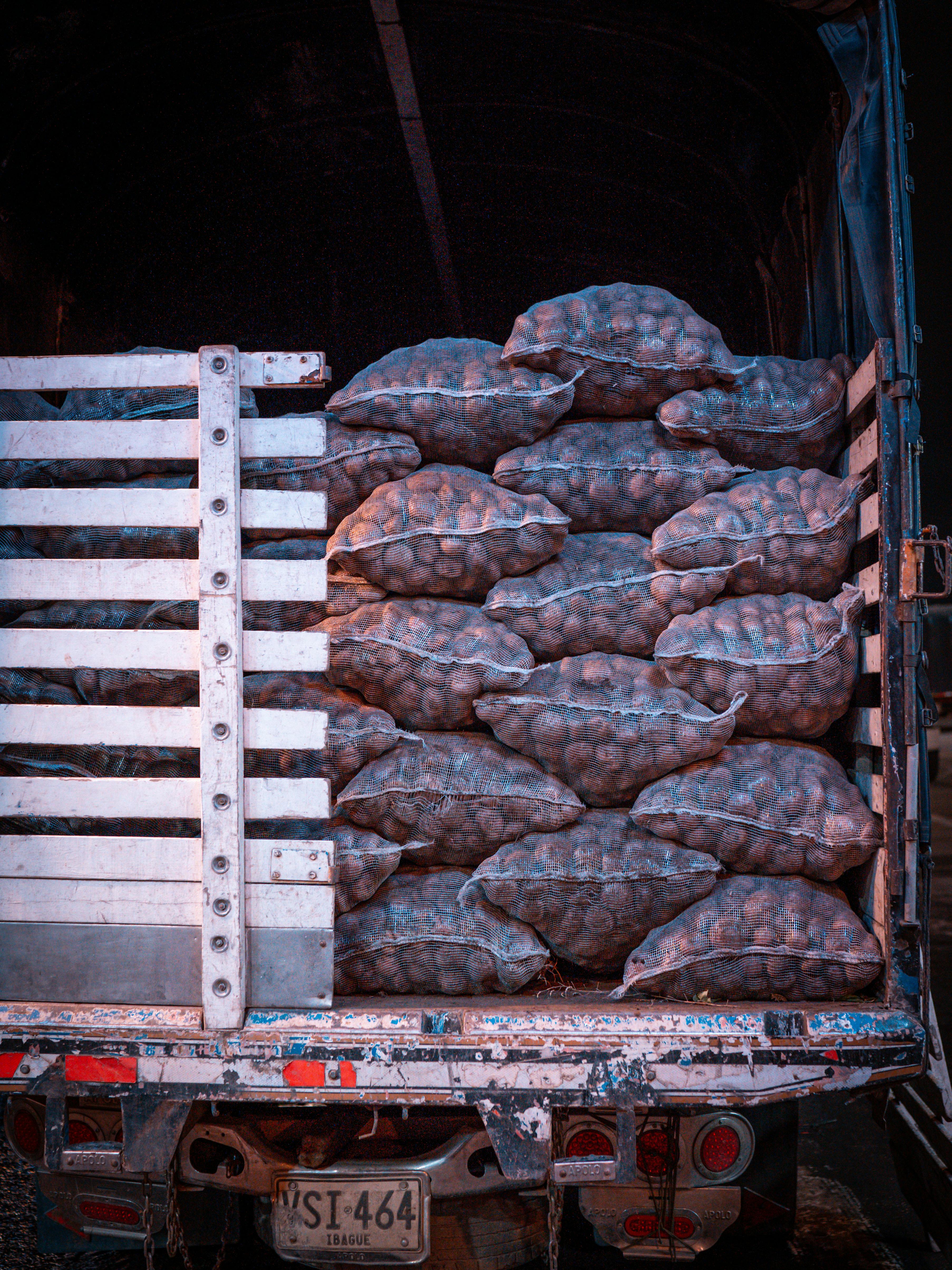
The final overlooked benefit is that food inflation often exposes weaknesses that were already there. Supply bottlenecks, overreliance on distant producers, labor shortages, and fragile distribution systems become harder to ignore when prices rise quickly. That visibility can push governments and businesses toward overdue reforms.
Policymakers may invest more in storage infrastructure, domestic production capacity, transport efficiency, or competition oversight. Businesses may diversify suppliers instead of depending too heavily on one region or one commodity stream. Analysts at institutions such as the World Bank and major central banks have repeatedly stressed that price shocks can reveal structural vulnerabilities that need long-term fixes.
In other words, inflation can act as a stress test. It is unpleasant, but it also shows where the system is weak. If leaders respond well, the outcome can be a more secure, transparent, and resilient food economy.




Leave a Reply