
Microplastics are now showing up everywhere, from the air we breathe to the meals we prepare at home. While you cannot eliminate exposure completely, your kitchen is one of the easiest places to make meaningful changes. These seven swaps focus on common items that may shed plastic into food, especially when heat, wear, or storage time are involved.
Nonstick pans to stainless steel, cast iron or carbon steel
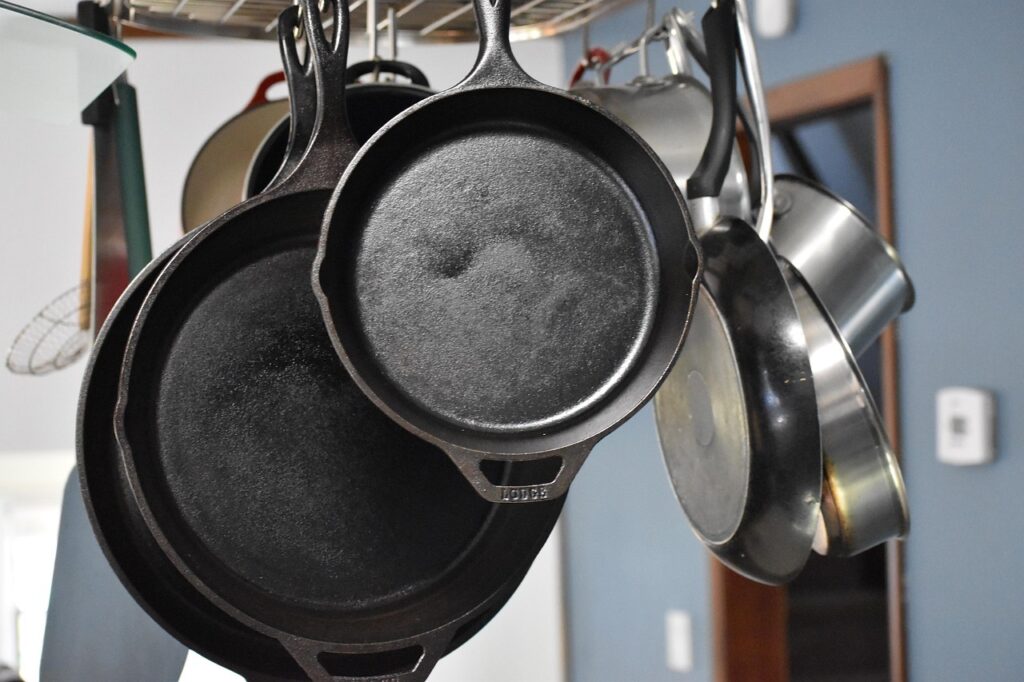
That scratched nonstick pan may be doing more than ruining your eggs. Research highlighted by CNET points to nonstick and plastic-coated cookware as a source of microplastics during cooking, with damaged surfaces posing a bigger concern.
Swapping to stainless steel, cast iron or carbon steel is a practical upgrade. These materials are durable, widely used by professional cooks, and less likely to shed plastic into meals when heated.
The transition can be surprisingly easy once you adjust your technique. A little preheating, enough oil, and gentler temperature control go a long way.
Plastic food containers to glass, ceramic or stainless steel

Leftovers are supposed to make life easier, not more complicated. But plastic food containers can release microplastics over time, especially when they are heated, washed repeatedly, or used for hot foods.
Glass, ceramic and stainless steel containers offer a cleaner alternative for storing meals at home. They hold up better, do not absorb stains and odors as easily, and can make the fridge feel far more organized.
One smart habit matters here too: let hot food cool slightly before sealing it away. Reducing contact between heat and plastic is one of the simplest changes you can make.
Plastic cooking utensils to wood or stainless steel

The spoon you stir with deserves more attention than it usually gets. Plastic utensils can shed tiny particles into food, and the risk rises when they meet high heat in soups, sauces and frying pans.
Wood and stainless steel are dependable replacements that feel better in the hand and tend to last longer. Wooden spoons are gentle on cookware, while stainless steel spatulas and ladles are especially useful for hotter cooking jobs.
This is one of the easiest swaps because you will notice the difference right away. Your tools feel sturdier, and your food gets a little less contact with heated plastic.
Tea bags to loose-leaf tea with a metal infuser

Tea seems like the picture of wellness, but some tea bags are made with plastic components such as polypropylene. When steeped in very hot water, those materials can release large numbers of microplastic and nanoplastic particles.
Loose-leaf tea with a stainless steel infuser is a simple fix that feels a bit more luxurious too. You still get the ritual, the aroma and the convenience, just without relying on a bag that may break down in the cup.
If you love boxed tea, check labels carefully. Some paper-style bags are still sealed with plastic, so loose leaves remain the safer bet.
Plastic spice packaging to glass jars or bulk spices
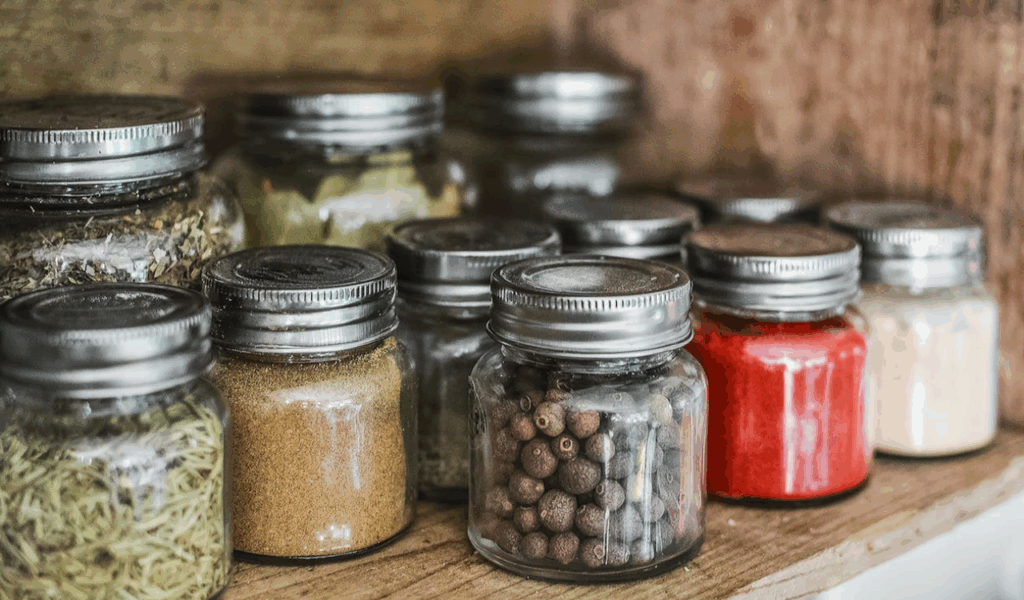
Spices may seem too dry and shelf-stable to worry about, but packaging matters. Studies referenced by CNET found microplastics in all plastic containers tested, raising concerns about long-term contact between spices and plastic storage.
Buying spices in glass jars or from bulk bins can reduce that exposure. It also helps preserve flavor, since many spices stay fresher when kept away from heat, moisture and excessive handling.
This swap works best when you decant thoughtfully. Refill a small glass jar for daily use and keep the rest sealed tightly in a cool cabinet.
Plastic straws to metal, bamboo or paper
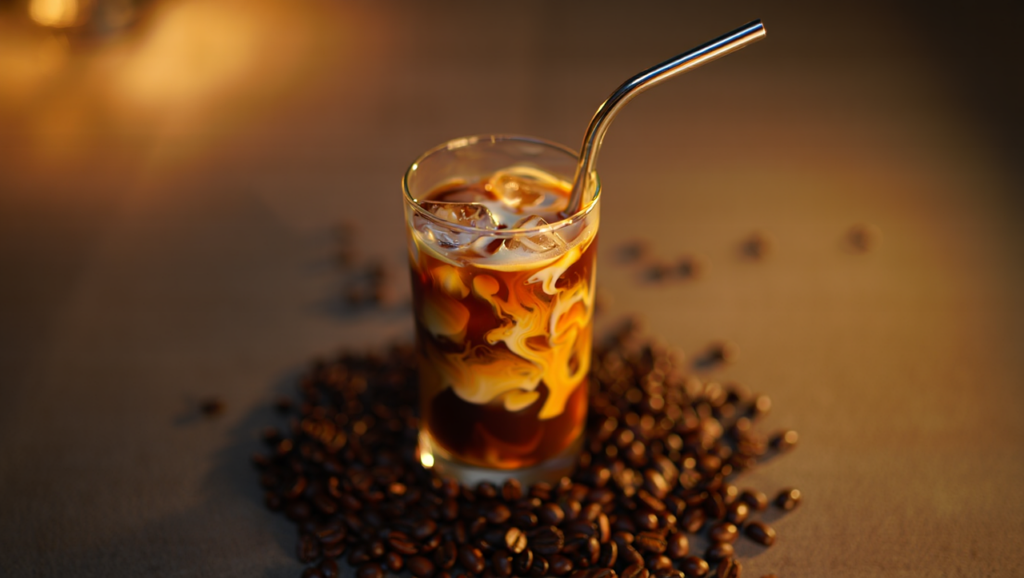
A straw has a short life, but it can create an outsized problem. Plastic straws can release microplastics and nanoplastics, and because they sit right where you sip, exposure can be especially direct.
Reusable stainless steel and bamboo straws are sturdy alternatives, while paper is a decent backup when you need something disposable. The best option is simply using no straw when you do not actually need one.
If you choose reusable straws, cleaning matters. A quick rinse is not always enough, so keep a small straw brush on hand and wash them thoroughly after drinks.
Canned foods to fresh, frozen or glass-packed options

The pantry shortcut can come with a hidden layer. Many canned foods use interior linings made from materials that may contain plastics, and even newer BPA-free linings are not automatically free of microplastic concerns.
Choosing fresh produce, frozen fruits and vegetables, or foods packed in glass helps limit contact with those linings. Frozen options are especially useful because they are convenient, nutritious and often processed quickly after harvest.
This does not mean you must ban cans forever. It simply means being selective and using more low-packaging choices when they fit your budget, routine and storage space.




Leave a Reply