Kitchen Divas

  • Recipes
  • About
  • Contact
  • Work With Us
  • Subscribe
menu icon
go to homepage
  • Recipes
  • About
  • Contact
  • Work With Us
  • Subscribe
    • Bloglovin
    • Facebook
    • Instagram
    • Pinterest
    • Twitter
    • YouTube
  • subscribe
    search icon
    Homepage link
    • Recipes
    • About
    • Contact
    • Work With Us
    • Subscribe
    • Bloglovin
    • Facebook
    • Instagram
    • Pinterest
    • Twitter
    • YouTube
  • ร—
    Home ยป Blog ยป Best of Food & Drink

    The 6 Foods That Will Disappear From Middle Class Canadian Tables Within the Next Five Years

    Modified: Jul 7, 2026 by Karin and Ken ยท This post may contain affiliate links. Leave a Comment

    • Facebook
    • Email
    • Tweet

    For decades, a middle-class Canadian table came with a familiar set of staples: affordable proteins, reliable produce, and a few comfort-food luxuries that felt permanent. That sense of permanence is starting to crack. From climate shocks and trade disruptions to animal disease, fuel costs, and stubborn food inflation, some foods are moving from everyday purchases to occasional treats faster than many shoppers expected.

    Fresh Orange Juice

    Breakfast has long depended on the idea that orange juice is a basic fridge essential. That assumption is fading as citrus disease and extreme weather keep squeezing orange harvests in key producing regions.Brazil and Florida, major players in global orange supply, have both faced crop damage from disease, heat, storms, and inconsistent yields. When harvests stumble, prices for juice concentrate and retail cartons climb quickly.Canadian shoppers feel that volatility fast because nearly all orange juice is imported. What used to be a default breakfast buy is increasingly becoming a smaller carton, a store-brand compromise, or a skipped purchase altogether.

    Breakfast has long depended on the idea that orange juice is a basic fridge essential. That assumption is fading as citrus disease and extreme weather keep squeezing orange harvests in key producing regions. Brazil and Florida, major players in global orange supply, have both faced crop damage from disease, heat, storms, and inconsistent yields. When harvests stumble, prices for juice concentrate and retail cartons climb quickly. Canadian shoppers feel that volatility fast because nearly all orange juice is imported. What used to be a default breakfast buy is increasingly becoming a smaller carton, a store-brand compromise, or a skipped purchase altogether.

    Lettuce
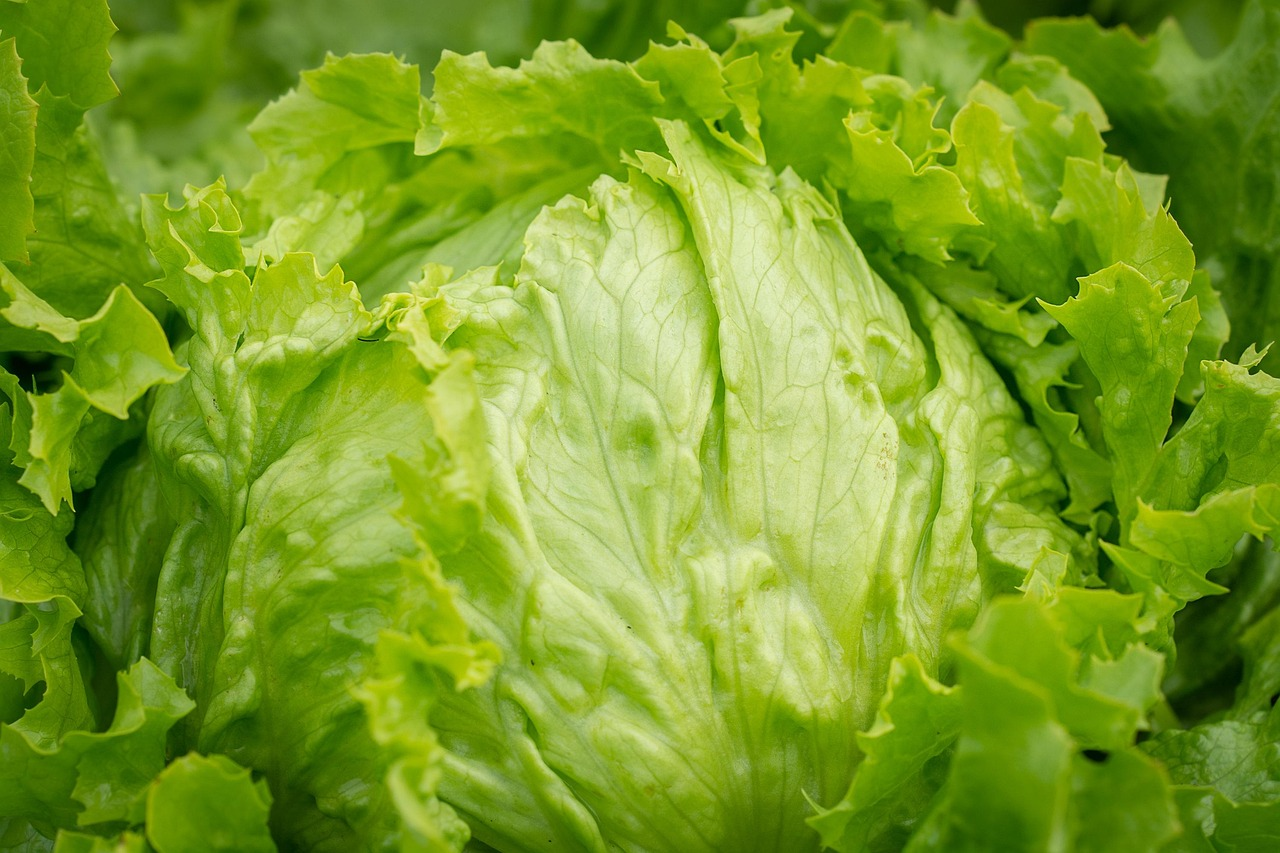
    A salad sounds simple until one ingredient turns unpredictable. Lettuce has become surprisingly fragile in the grocery economy, with price spikes and shortages showing up after drought, flooding, transport issues, and crop disease. Canadians have seen this before when iceberg and romaine prices jumped high enough to make a basic salad feel unreasonable. Much of the country's winter lettuce supply travels long distances from the United States, making it vulnerable to weather and trucking costs. That does not mean lettuce disappears completely. It means regular purchases become less dependable, and more households swap in cabbage, carrots, greenhouse greens, or frozen vegetables that waste less and cost less.

    Shrimp
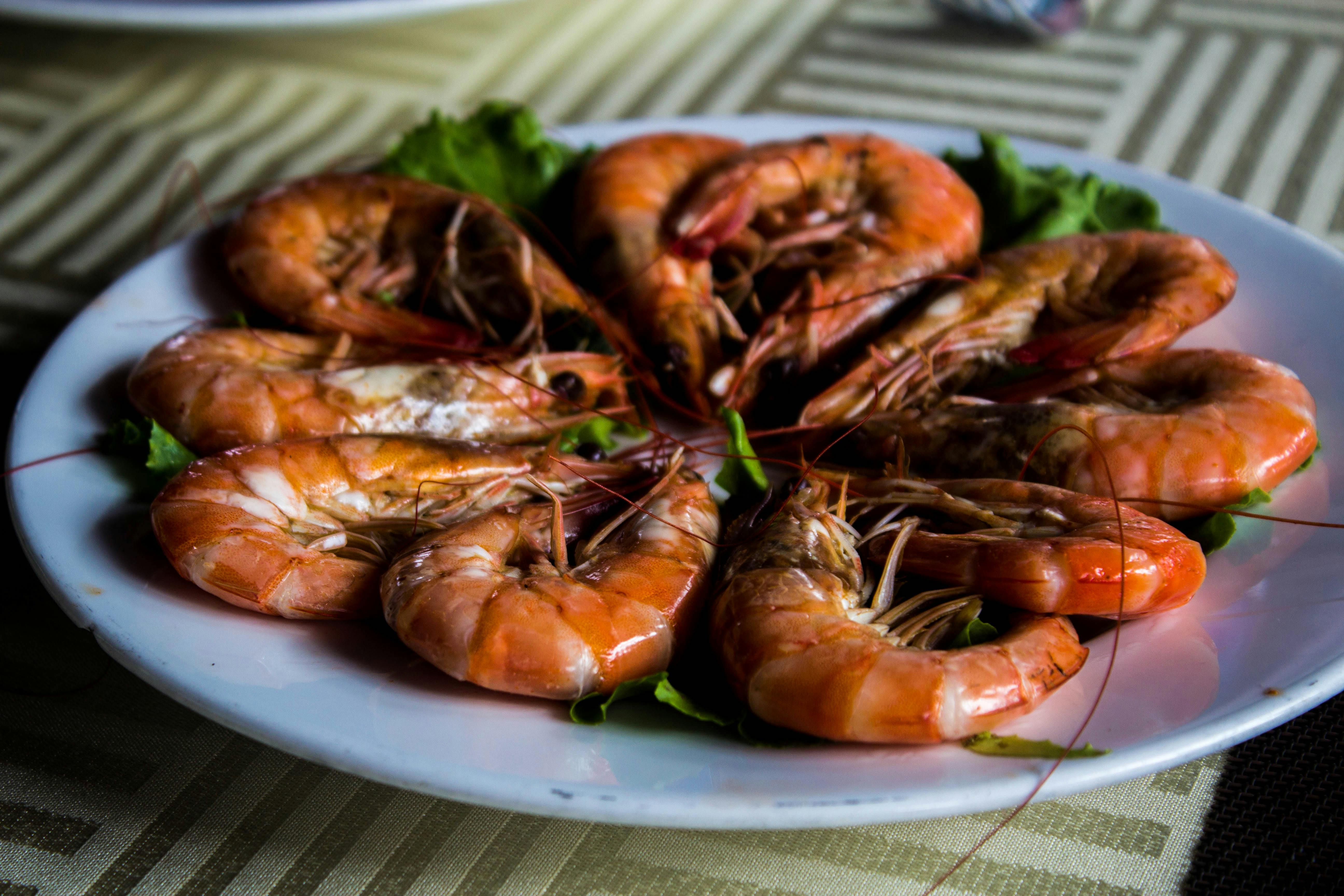
    Shrimp built its reputation as the seafood treat that still felt manageable for ordinary households. Now it sits in a more uneasy spot, caught between global supply swings, shipping costs, and growing questions about disease and production standards.Canada imports much of the shrimp sold in supermarkets and restaurants. That makes prices sensitive to currency movements, freight rates, and disruptions in aquaculture-heavy countries where disease outbreaks can curb supply.For middle-class shoppers, shrimp is starting to lose its weeknight convenience status. It remains available, but more often in smaller bags, higher-priced platters, or restaurant dishes saved for birthdays and special dinners rather than casual use.

    Shrimp built its reputation as the seafood treat that still felt manageable for ordinary households. Now it sits in a more uneasy spot, caught between global supply swings, shipping costs, and growing questions about disease and production standards. Canada imports much of the shrimp sold in supermarkets and restaurants. That makes prices sensitive to currency movements, freight rates, and disruptions in aquaculture-heavy countries where disease outbreaks can curb supply. For middle-class shoppers, shrimp is starting to lose its weeknight convenience status. It remains available, but more often in smaller bags, higher-priced platters, or restaurant dishes saved for birthdays and special dinners rather than casual use.

    Avocados
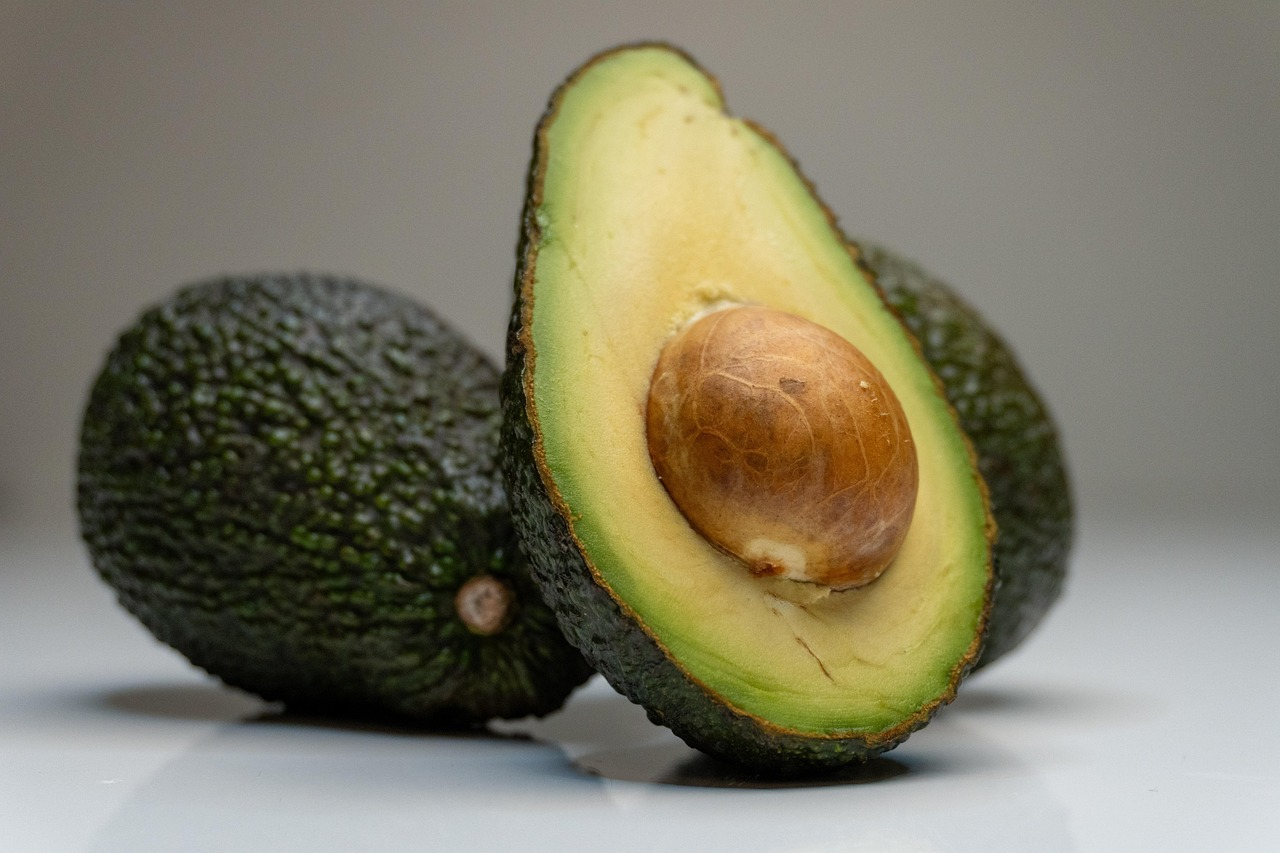
    Few foods climbed into everyday life as quickly as the avocado. Once a brunch extra, it became a standard buy for sandwiches, salads, and weeknight toast, but its path to Canadian kitchens is increasingly expensive and fragile. Avocados depend on water-intensive farming, cross-border transport, and stable harvest conditions in producing countries such as Mexico. Weather extremes, security concerns in farming regions, and fuel costs can all ripple into supermarket pricing. That matters because avocados are not nutritionally irreplaceable, which makes them easy to cut when budgets tighten. For many middle-class families, they are already moving from habitual grocery item to occasional indulgence.

    Chocolate

    Chocolate has always felt like a small pleasure that survives hard times. The problem now is that cocoa, sugar, and energy costs are all under strain at once, making even modest treats noticeably more expensive. West African cocoa production has been hit by disease, poor weather, and structural challenges on farms, all of which have pushed cocoa prices sharply higher. Manufacturers often respond with smaller bars, reformulated products, or premium pricing. At the Canadian checkout, that means chocolate is less of an impulse add-on and more of a considered extra. It will not vanish overnight, but familiar family-sized packs may slowly disappear from regular household baskets.

    Coffee

    Morning coffee still feels non-negotiable, which is exactly why its rising cost is so disruptive. Coffee beans are highly exposed to climate stress, especially in Brazil and Vietnam, where heat, drought, and erratic weather affect output and quality.Canada imports virtually all of its coffee, so exchange rates, shipping costs, and global commodity swings all feed directly into what consumers pay. Roasters and cafes then layer on labour, rent, and packaging increases.The result is not necessarily a total disappearance, but a downgrade in habit. Middle-class households may buy smaller bags, switch to lower-grade blends, or reserve specialty beans and cafe runs for fewer days each week.


    Morning coffee still feels non-negotiable, which is exactly why its rising cost is so disruptive. Coffee beans are highly exposed to climate stress, especially in Brazil and Vietnam, where heat, drought, and erratic weather affect output and quality. Canada imports virtually all of its coffee, so exchange rates, shipping costs, and global commodity swings all feed directly into what consumers pay. Roasters and cafes then layer on labour, rent, and packaging increases. The result is not necessarily a total disappearance, but a downgrade in habit. Middle-class households may buy smaller bags, switch to lower-grade blends, or reserve specialty beans and cafe runs for fewer days each week.

    More Best of Food & Drink

    • The Canadian Grocery Battle That Could Change Prices This Year
    • Why Private Label Foods Are Winning More Canadian Shoppers Than Ever
    • Why Some U.S. Restaurant Chains Keep Failing in Canada
    • The Kitchen Appliance That Almost Failed Before Taking Over Every Home
    • Facebook
    • Email
    • Tweet

    Leave a Reply Cancel reply

    Your email address will not be published. Required fields are marked *

    Recipe Rating


    Welcome!

    We are the kitchen divas: Karin and my partner in life, Ken.

    We have been attached at the heart and hip since the first day we met, and we love to create new dishes to keep things interesting. Variety is definitely the spice of life!

    More about us

    Popular Summer Recipes

    • A bowl of cheesecake fruit salad with a wooden spoon.
      Cheesecake Fruit Salad
    • easy blueberry fluff recipe with whipped topping and fresh blueberries
      Blueberry Fluff (Easy No Bake Dessert Everyone Loves)
    • creamy lemon fluff dessert in mason jar with a spoonful being removed
      Lemon Fluff Dessert
    • Grandma's Old Fashioned Fruit Salad

    More Fluff Recipes โžก๏ธ

    Easy Slow Cooker Side Dishes

    • A wooden spoonful of corn over slow cooker.
      Slow Cooker Mexican Street Corn Casserole
    • A plate full of crockpot green beans with bacon.
      Crockpot Green Beansย 
    • A wooden bowl filled with jalapeno creamed corn with sliced jalapenos and green onions scattered around the bowl.
      Jalapeno Creamed Corn (Crock Pot)
    • Three ears of slow cooker corn on the cob on the table in front of the crockpot.
      Slow Cooker Corn on the Cob

    More Slow Cooker Side Dishes โžก๏ธ

    Footer

    โ†‘ back to top

    About

    • About
    • Privacy Policy

    Newsletter

    • Sign up for emails and what's new!

    Contact

    • Contact
    • Work With Us

    As an Amazon Associate I earn from qualifying purchases.

    Copyright ยฉ 2026 Kitchen Divas All Rights Reserved
