
Plastic wrap looks harmless, but it is often the wrong storage choice. For many everyday foods, it can trap moisture, encourage spoilage, or damage texture far faster than most people realize.
Fresh Mushrooms

Mushrooms behave more like sponges than sturdy produce. Their high water content and delicate surface make them especially vulnerable when sealed tightly in plastic wrap. Instead of staying fresh, they often turn slimy, sticky, and dark within a short time because condensation builds quickly around them.
Plastic wrap blocks airflow, and mushrooms need some breathing room. According to food storage guidance from produce experts, excess moisture is one of the fastest ways to shorten their shelf life. Wrapped mushrooms can also develop off odors as trapped humidity speeds microbial growth and breakdown.
A better option is a paper bag in the refrigerator. Paper absorbs excess moisture while still allowing enough air circulation to protect texture. If you bought mushrooms in a ventilated store container, keeping them there and placing the package inside a paper bag usually works even better.
Soft Cheeses
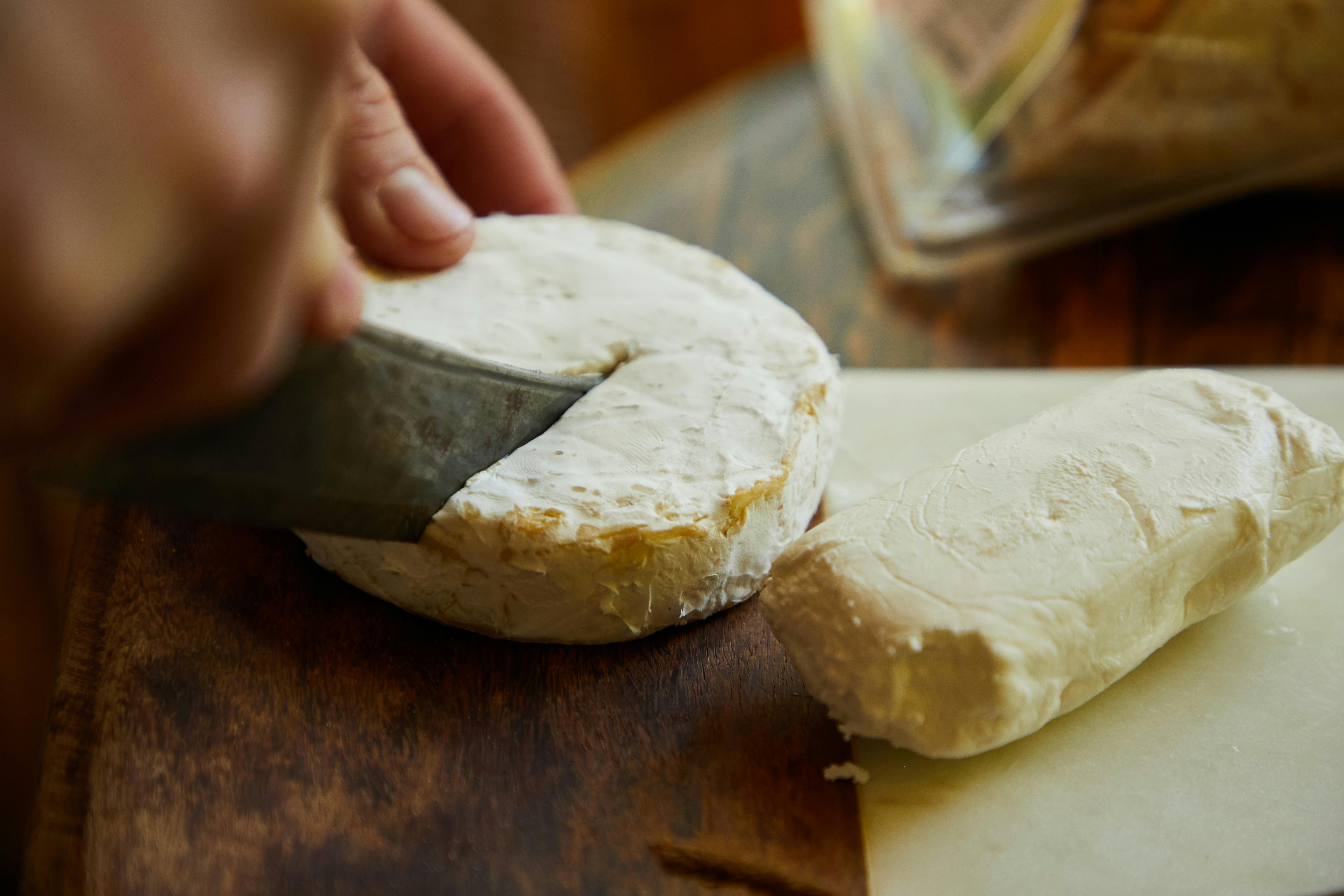
Soft cheeses may seem like obvious candidates for wrapping, but plastic wrap often creates the wrong microclimate. Brie, goat cheese, Camembert, and fresh mozzarella can sweat inside tight plastic, causing the surface to become overly wet and the flavor to grow sharper or unpleasantly sour.
Cheese specialists often recommend materials that let cheese breathe a little. Soft cheeses continue to age even after purchase, and sealing them too tightly can trap ammonia-like odors and disturb the balance of moisture that gives them their best texture. In some cases, the rind can also become sticky or break down.
Cheese paper is ideal, but parchment followed by a loose outer layer of foil also works well. Fresh mozzarella should be kept in its original liquid or in a covered container with brine. That approach protects both flavor and creaminess better than direct contact with plastic wrap.
Cut Avocados
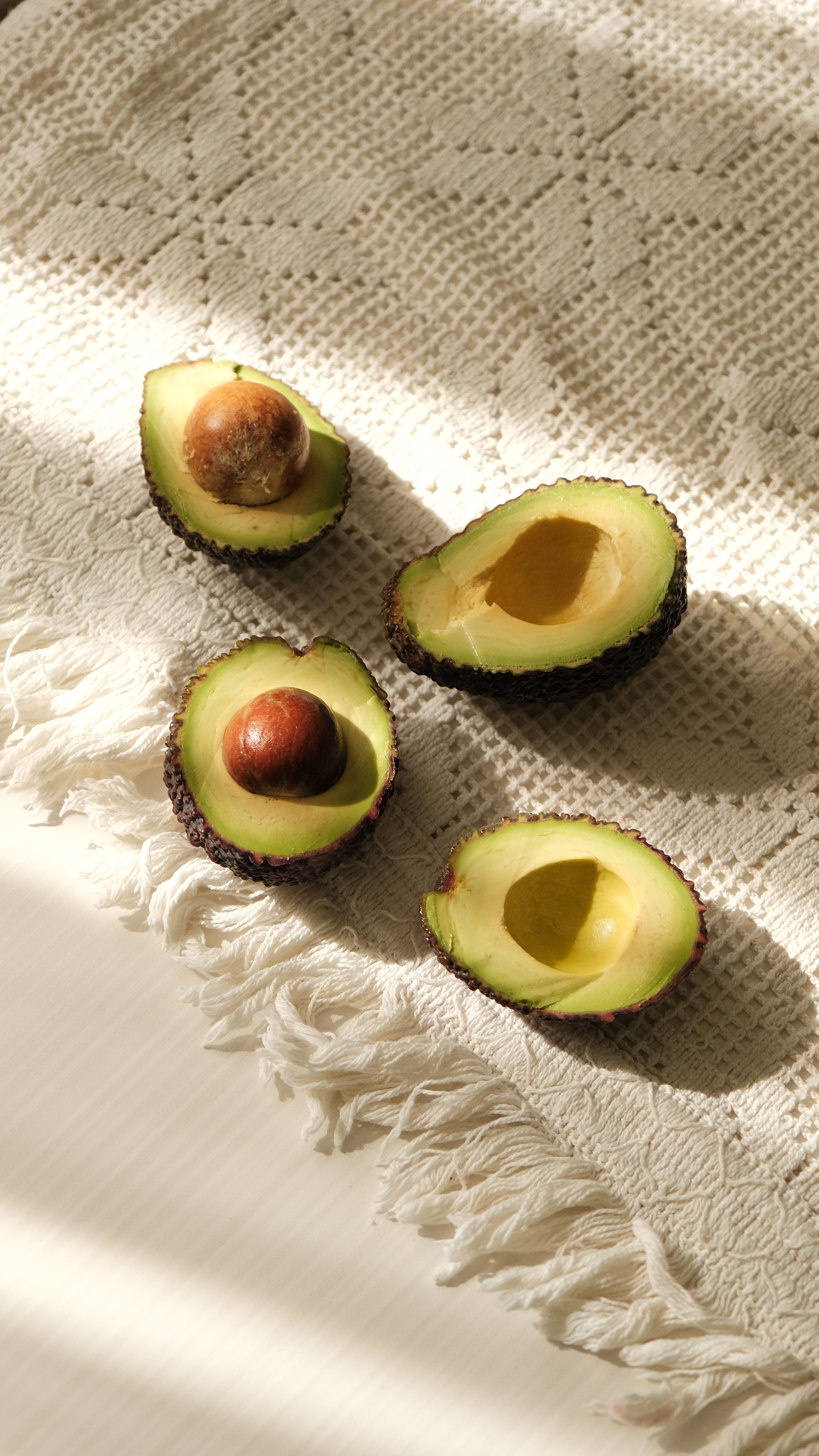
A cut avocado seems easy to protect with plastic wrap pressed against the flesh. While that can limit some air exposure, it also creates a damp sealed environment that does not fully stop browning and can leave the surface mushy by the next day. Texture suffers almost as much as color.
The real issue is that avocados oxidize quickly once opened. Plastic wrap slows only part of that process, and if the fruit is already very ripe, trapped moisture accelerates softness. Many home cooks discover that a tightly wrapped half looks green at first glance but tastes flat and feels watery.
For better results, leave the pit in if possible, brush the surface lightly with lemon or lime juice, and store the half in an airtight container. Some people add a slice of onion to the container, which may help reduce browning through sulfur compounds in the enclosed air.
Bananas
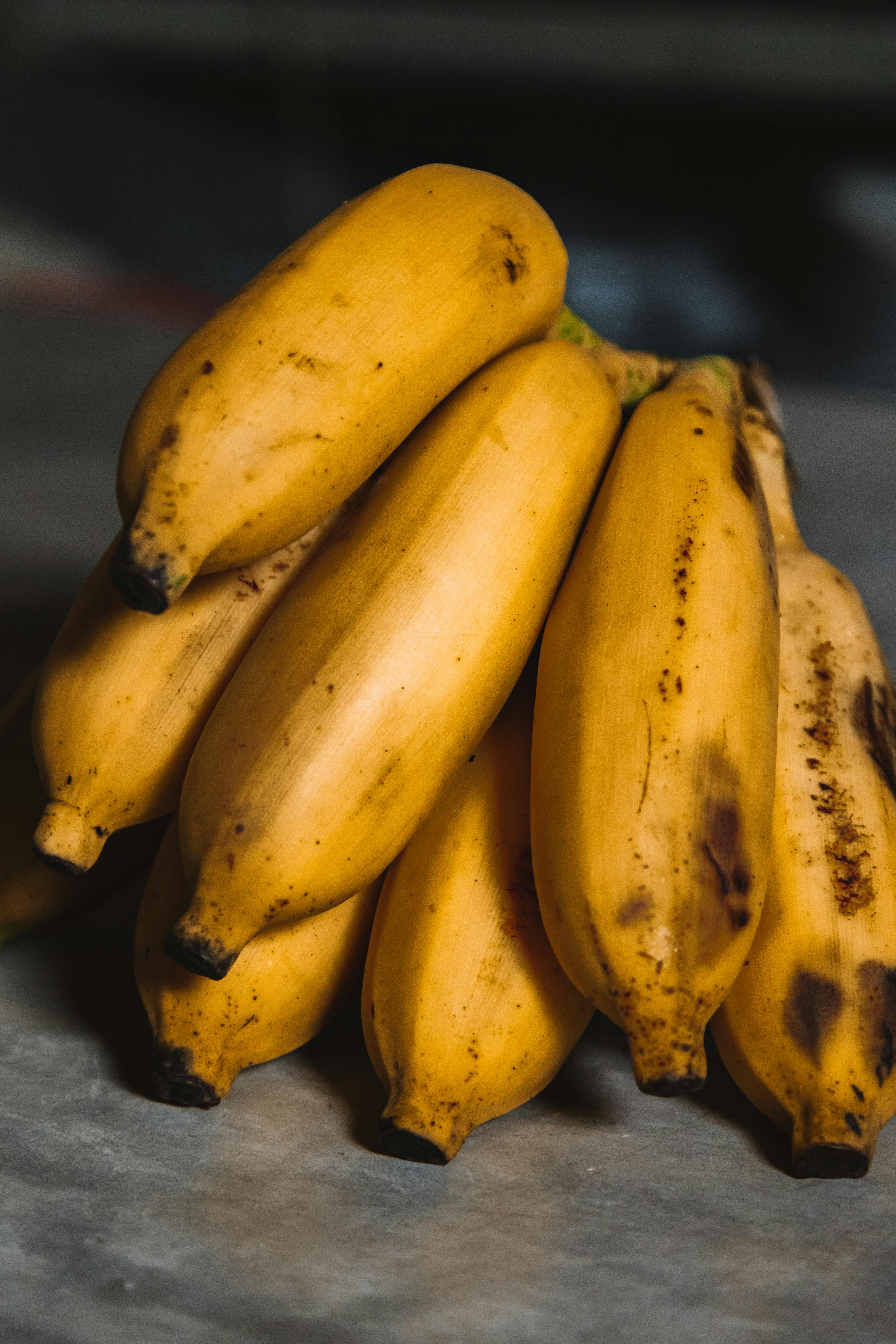
Bananas are active ripeners, not passive fruit. They release ethylene gas, which drives the ripening process forward, and plastic wrap can interfere with how that process unfolds when it covers the whole fruit. The result is often uneven ripening, trapped moisture, and peel darkening that happens too fast.
Whole bananas do best at room temperature with open airflow. If wrapped tightly, especially while still slightly green, they can sweat under the plastic. That extra moisture encourages soft spots and can make the peel look worse before the inside has reached its best sweetness and texture.
There is one exception people often mention. Wrapping only the stem cluster can help slow ethylene release slightly. But covering the entire bunch in plastic wrap is another story. A fruit bowl, banana hanger, or breathable produce bag is a far better way to preserve quality.
Tomatoes
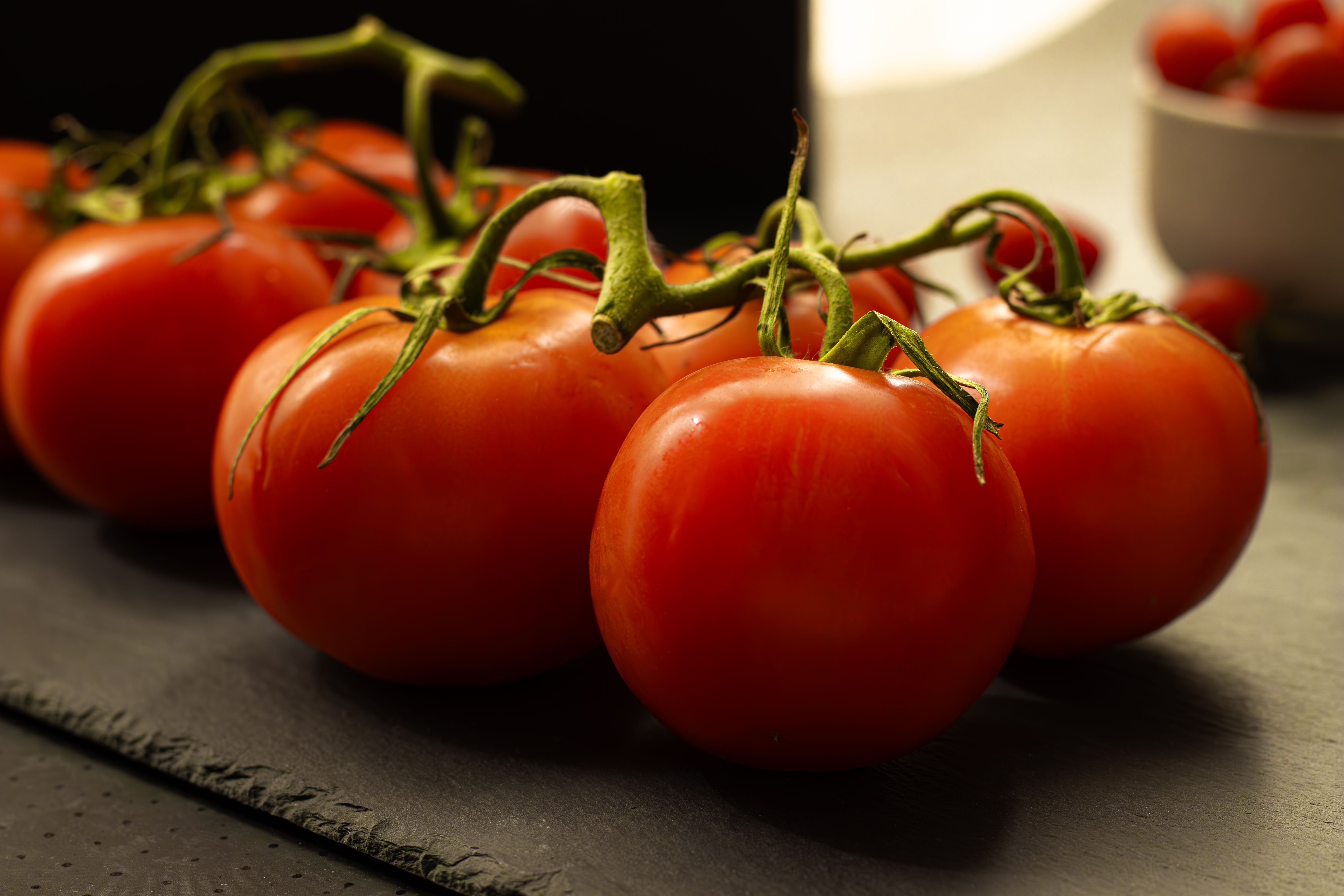
Tomatoes lose their appeal quickly when stored the wrong way, and plastic wrap is one of the easiest ways to ruin them. A tightly wrapped tomato traps humidity right against the skin, which can soften the flesh, dull flavor, and encourage mold, especially if the tomato already has a small crack.
Tomatoes are also sensitive to airflow and temperature. Most ripe tomatoes taste best at room temperature, where their aroma compounds remain more expressive. Sealing them in wrap not only increases moisture buildup but can also leave them with a mealy or watered-down texture if they were chilled too early.
If a tomato is cut, store it in a container with the cut side down on a small plate or paper towel. Whole tomatoes should be kept stem-side down in a single layer away from direct sun. That simple method usually beats any tight wrapping approach.
Fresh Herbs
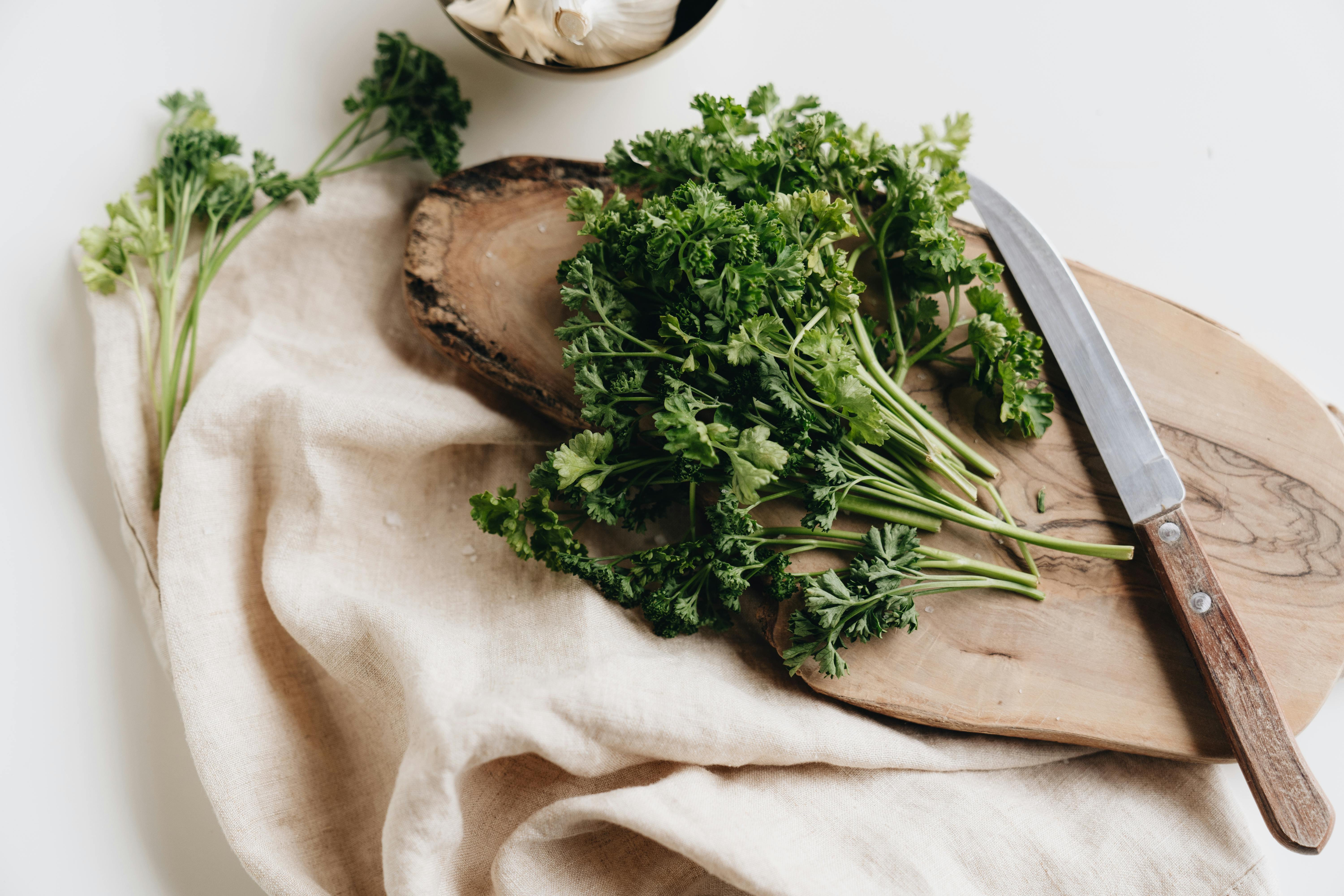
Fresh herbs are delicate, but not all of them want the same environment. Wrapping parsley, cilantro, dill, mint, or basil in plastic often causes leaves to collect moisture and collapse. Once that wet film forms, herbs can blacken, rot, or turn slippery surprisingly fast in the refrigerator.
Tender herbs generally keep best when treated more like flowers. Stems placed in a jar with a little water, then loosely covered if needed, often last longer than herbs pressed inside plastic wrap. Basil is especially sensitive to cold and usually fares better on the counter than in the fridge.
For leafy herbs headed to the refrigerator, a damp paper towel inside a reusable container or partially open produce bag works well. The goal is balance, not sealing. Too little moisture dries them out, but too much trapped moisture destroys aroma, color, and structure.
Warm Leftovers
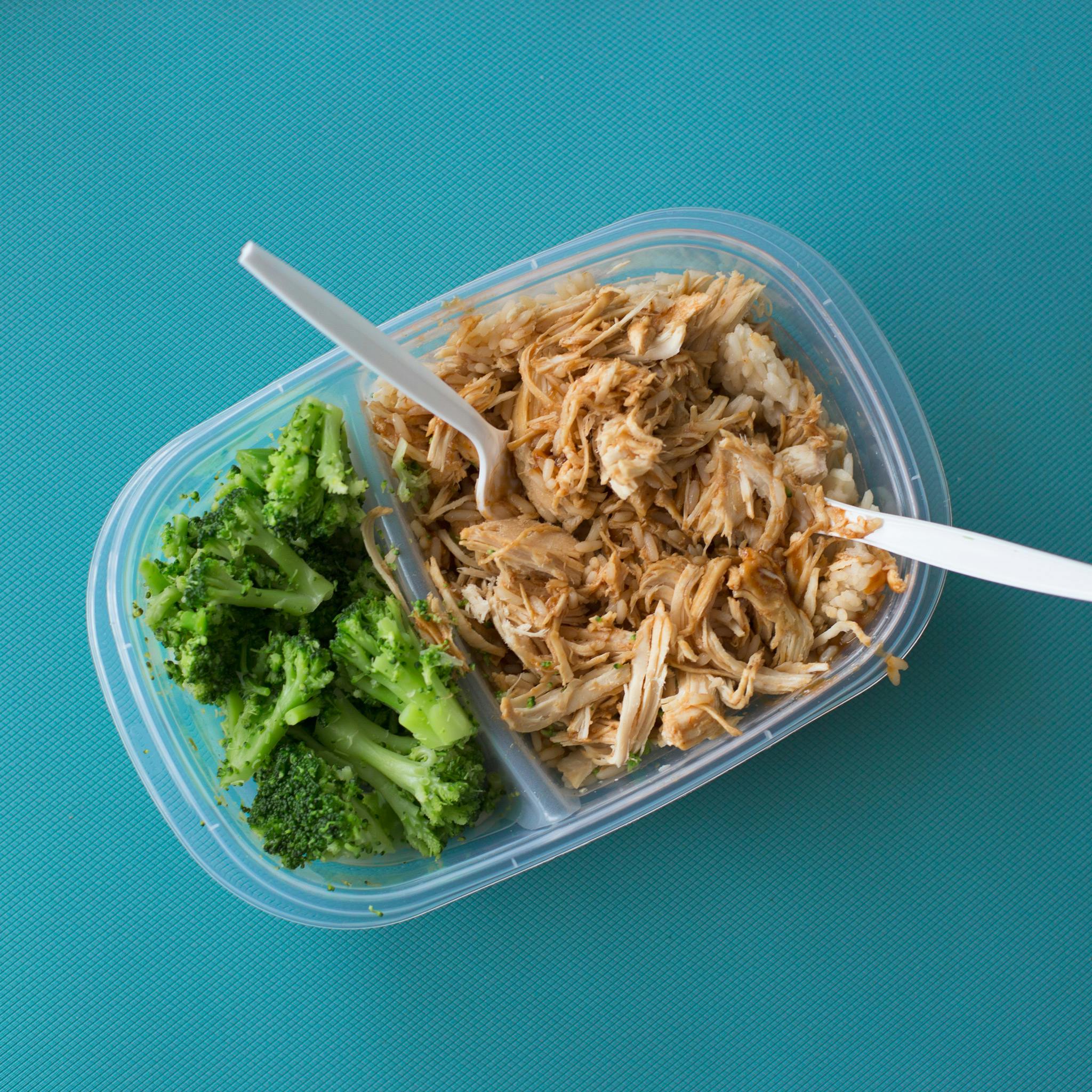
The problem with warm leftovers starts before the wrapping even touches the food. Covering hot or warm dishes with plastic wrap traps steam, and that steam turns into condensation. The water then drips back onto the food, making roasted vegetables soggy, rice gummy, and cooked proteins less appetizing.
There is also a food safety angle. Warm foods need to cool properly so they can pass through the temperature danger zone more quickly. A tight layer of wrap can slow heat release, especially on dense foods. Food safety agencies consistently advise prompt cooling in shallow containers rather than sealing in heat.
Let leftovers cool slightly first, but not so long that they sit out unsafely. Transfer them to shallow containers with fitted lids. If you need a temporary cover, use a loose tent of foil or a plate until the food is cool enough for proper sealing and refrigeration.
Crispy Baked Goods
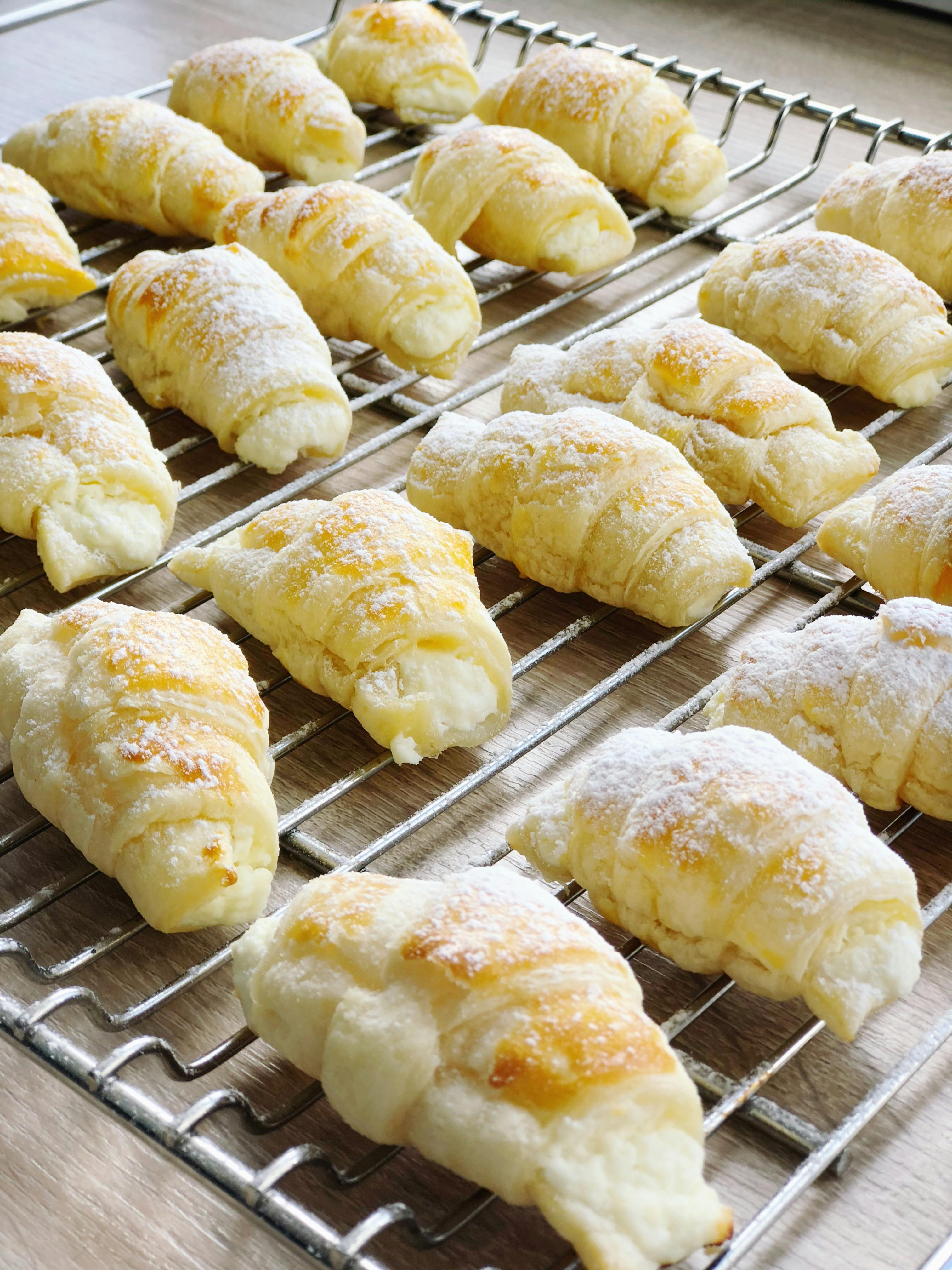
Crunch is fragile, and plastic wrap is one of its biggest enemies. Crackers, meringues, crisp cookies, and flaky pastries lose their signature texture when moisture gets trapped around them. Instead of staying snappy, they absorb humidity from the enclosed air and turn soft or chewy.
This matters even more for baked goods with sugar on the surface. Sugar attracts moisture naturally, so a wrapped crisp cookie can become tacky overnight. Bakers often avoid plastic for exactly this reason, especially with delicate pastries where steam and condensation can ruin layers and structure.
Use metal tins, paper bakery bags, or containers with a dry paper towel if the item needs short-term storage. For pastries, cooling completely before storage is essential. If you need to preserve crispness, airflow and dryness matter far more than a tight plastic barrier.
Raw Garlic
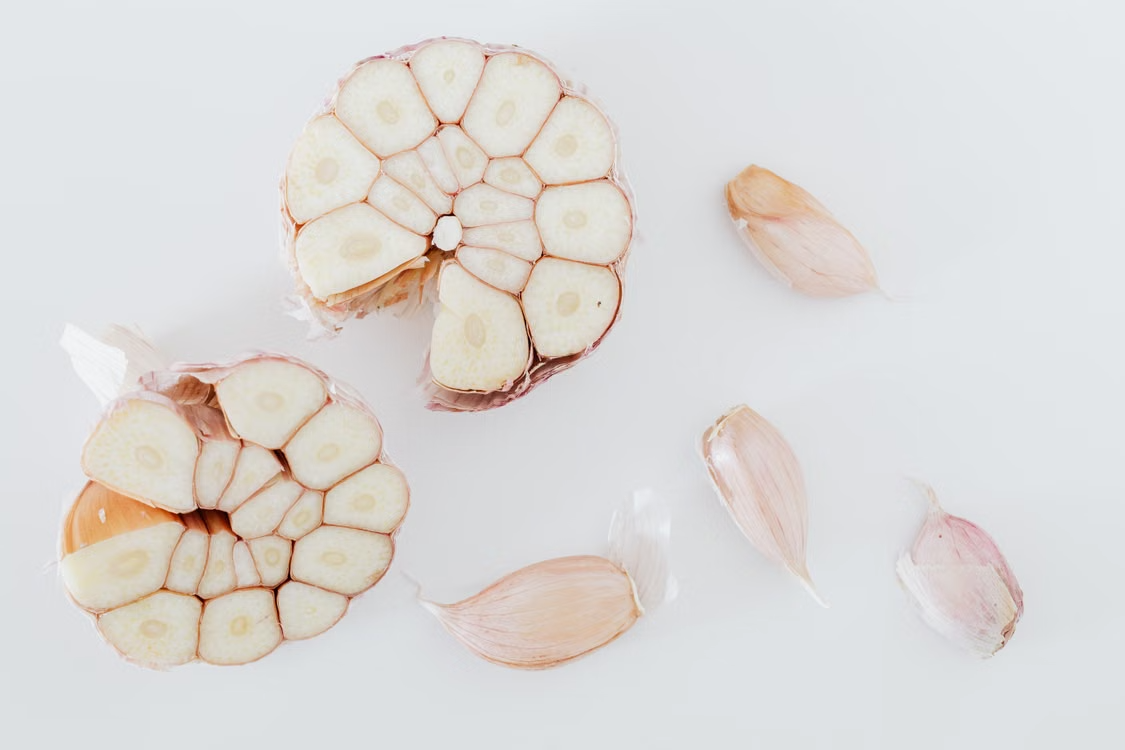
Garlic thrives in conditions that are almost the opposite of what plastic wrap provides. Whole bulbs need darkness, dryness, and ventilation. Wrap them tightly, and you trap humidity around the papery skin, which raises the risk of mold, softening, and premature sprouting.
Garlic's shelf life depends heavily on airflow. Once moisture builds, cloves can become rubbery or develop internal spoilage that is not obvious from the outside. In home kitchens, that often leads to waste because the bulb looks usable until it is split open and found to be discolored.
A mesh bag, open basket, or ceramic garlic keeper is much smarter. Store bulbs in a cool, dry place away from the stove and sink. Peeled or chopped garlic is different and should be refrigerated in a sealed container, but whole bulbs should stay far away from plastic wrap.
Onions
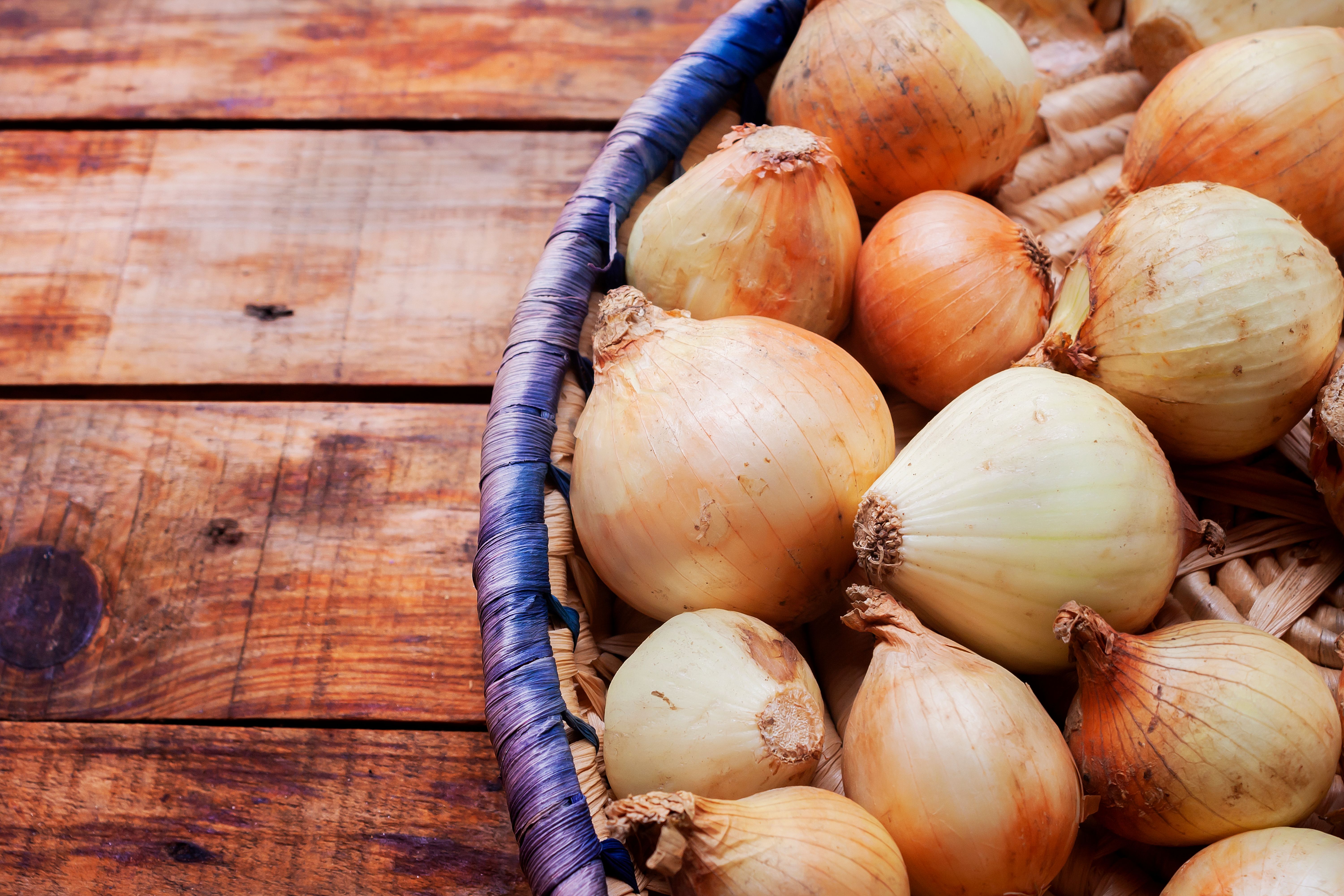
Onions may look rugged, yet they spoil faster when sealed in plastic. Like garlic, they need ventilation. Wrapping whole onions traps moisture against the outer layers, which can encourage mold and soft spots. The problem becomes worse in humid kitchens or when onions are stored near heat.
Onions also release gases and absorb surrounding moisture easily. Plastic wrap creates a sealed pocket that interferes with the dry environment they need to stay firm. Over time, the onion's layers may turn translucent or develop a musty smell, both signs that storage conditions have gone wrong.
Store whole onions in a basket, mesh bag, or pantry bin with good airflow. Keep them away from potatoes, which can accelerate spoilage when stored together. Once an onion is cut, use a covered container in the refrigerator rather than direct wrapping pressed onto the exposed surface.
Deli Meats

Deli meats are often handed over in plastic, but that does not mean plastic wrap is best for storing them at home. Thin slices trap moisture between layers, and a tight overwrap can make them slimy more quickly. Texture and freshness decline well before the use-by date in some cases.
These meats are also highly perishable because they are cooked, sliced, and repeatedly exposed to handling. When moisture accumulates, bacteria have a friendlier environment. Food safety experts generally recommend keeping deli meats very cold and using them quickly after opening, typically within a few days.
The better move is to transfer them to a clean airtight container or resealable storage bag with as much excess air removed as possible. If stacking slices, separate layers with wax paper. That helps maintain texture and makes it easier to use only what you need.
Chocolate

Chocolate seems stable, but plastic wrap can create storage problems that affect both texture and flavor. When wrapped tightly, especially in a kitchen with temperature swings, condensation can form on the surface. That moisture encourages sugar bloom, a grainy white film that changes the eating experience.
Chocolate also absorbs odors very easily. If it sits in plastic wrap near onions, cheese, or leftover curry, it may pick up aromas you definitely do not want in dessert. Professional chocolatiers usually favor cool, dry, odor-free storage with protective but breathable packaging rather than cling film.
Keep chocolate in its original wrapper if it is intact, then place it in a tin, box, or sealed container stored in a cool cupboard. Refrigeration is usually unnecessary unless the room is very warm. If chilled, protect it from moisture and let it return to room temperature before unwrapping.




Leave a Reply