
A bright drink can grab attention fast. Starbucks is betting that bold color and a clear social mission can do even more.
What Starbucks is launching and why it stands out
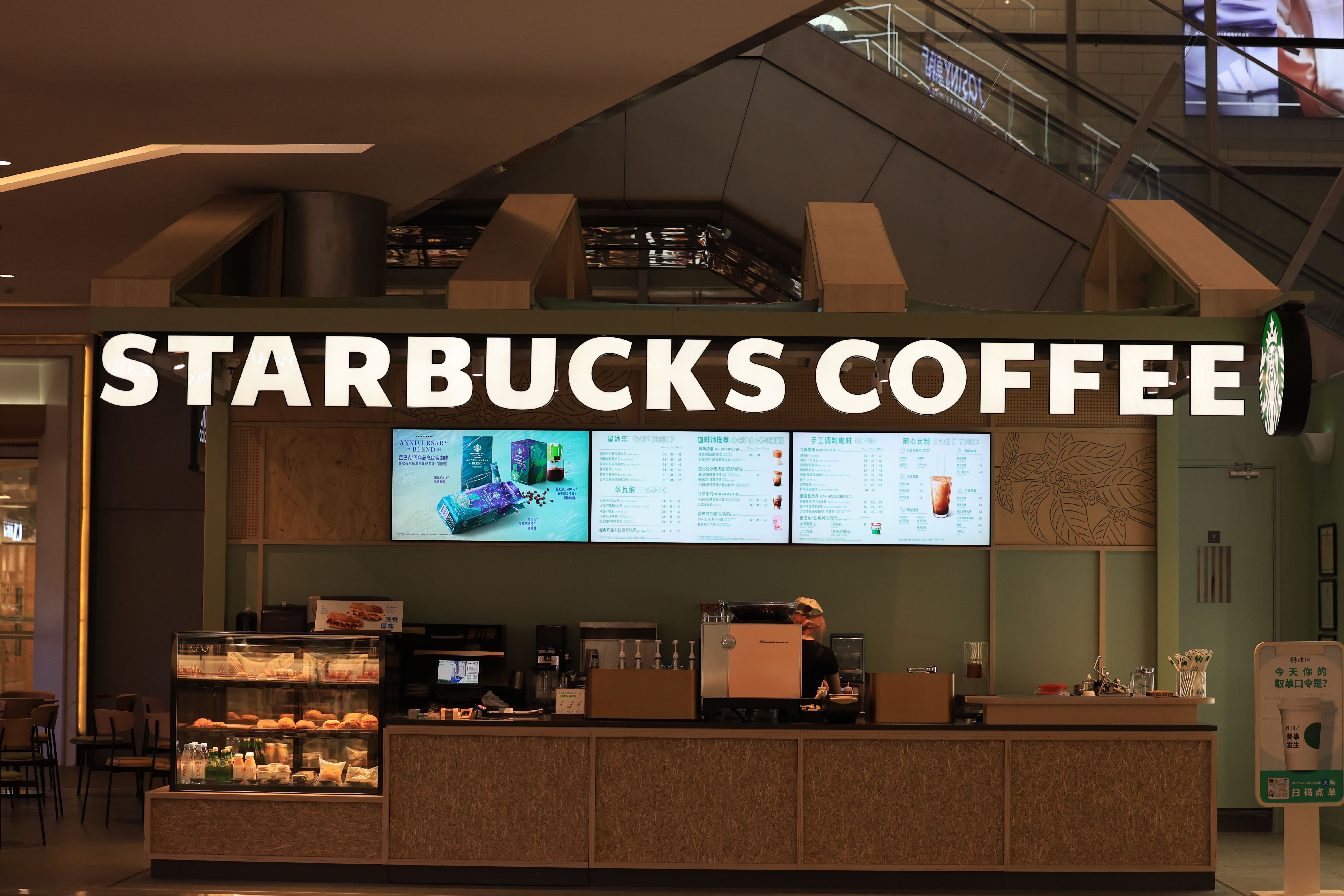
Starbucks is introducing two blue drinks that are designed to be visually striking, seasonal, and purpose-driven. In a crowded beverage market where novelty often drives traffic, unusual color alone can turn a limited-time item into a social media event.
What makes this rollout more notable is the charitable layer attached to it. Starbucks is not simply releasing another photogenic menu item, it is also committing a portion of sales from the drinks to support clean water access, linking indulgence with measurable social impact.
That combination matters because consumers increasingly respond to products that feel both fun and meaningful. Food and beverage launches tied to public-interest causes often outperform standard promotions when customers believe the company is making a credible commitment rather than using a cause as a backdrop.
The likely ingredients and flavor profile behind the blue drinks
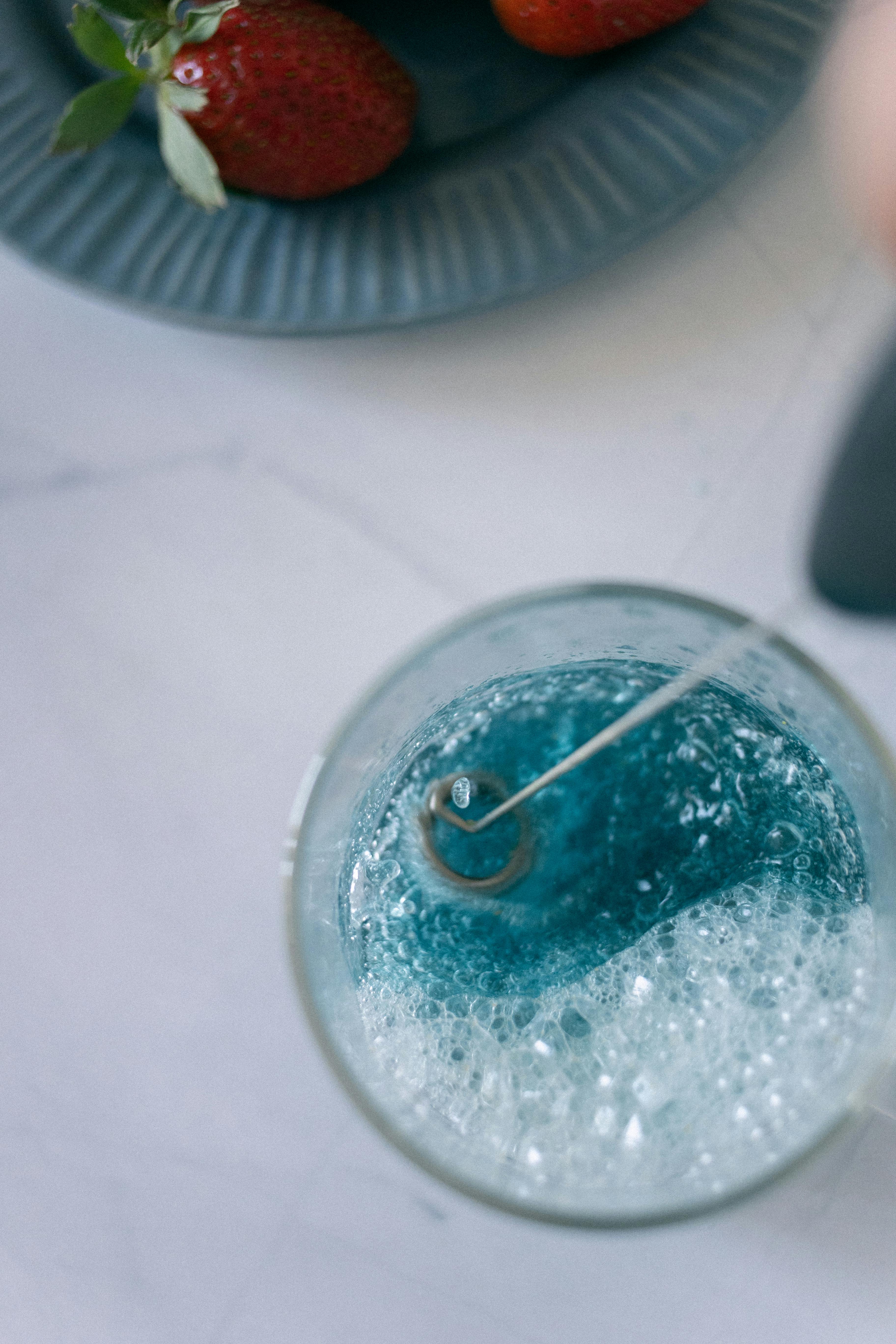
Blue beverages usually rely on a few familiar building blocks, and Starbucks is expected to lean on ingredients that balance appearance with drinkability. In similar launches across the industry, natural or naturally inspired blue color often comes from blue spirulina, butterfly pea flower, or fruit-based blends supported by coconutmilk, lemonade, or tea.
Flavor is just as important as color. Starbucks typically builds mass-market beverages around accessible tastes such as berry, vanilla, tropical fruit, citrus, or creamy nondairy bases, because those profiles appeal to both younger customers and regular café visitors who may be trying a colorful drink for the first time.
Texture also shapes customer response. If one drink is a refreshment-style option, it may be lighter and more fruit-forward, while the second could lean creamier, possibly using cold foam or coconut-based ingredients to create a richer experience and stronger contrast with the vivid blue hue.
Availability, timing, and how Starbucks may position the release
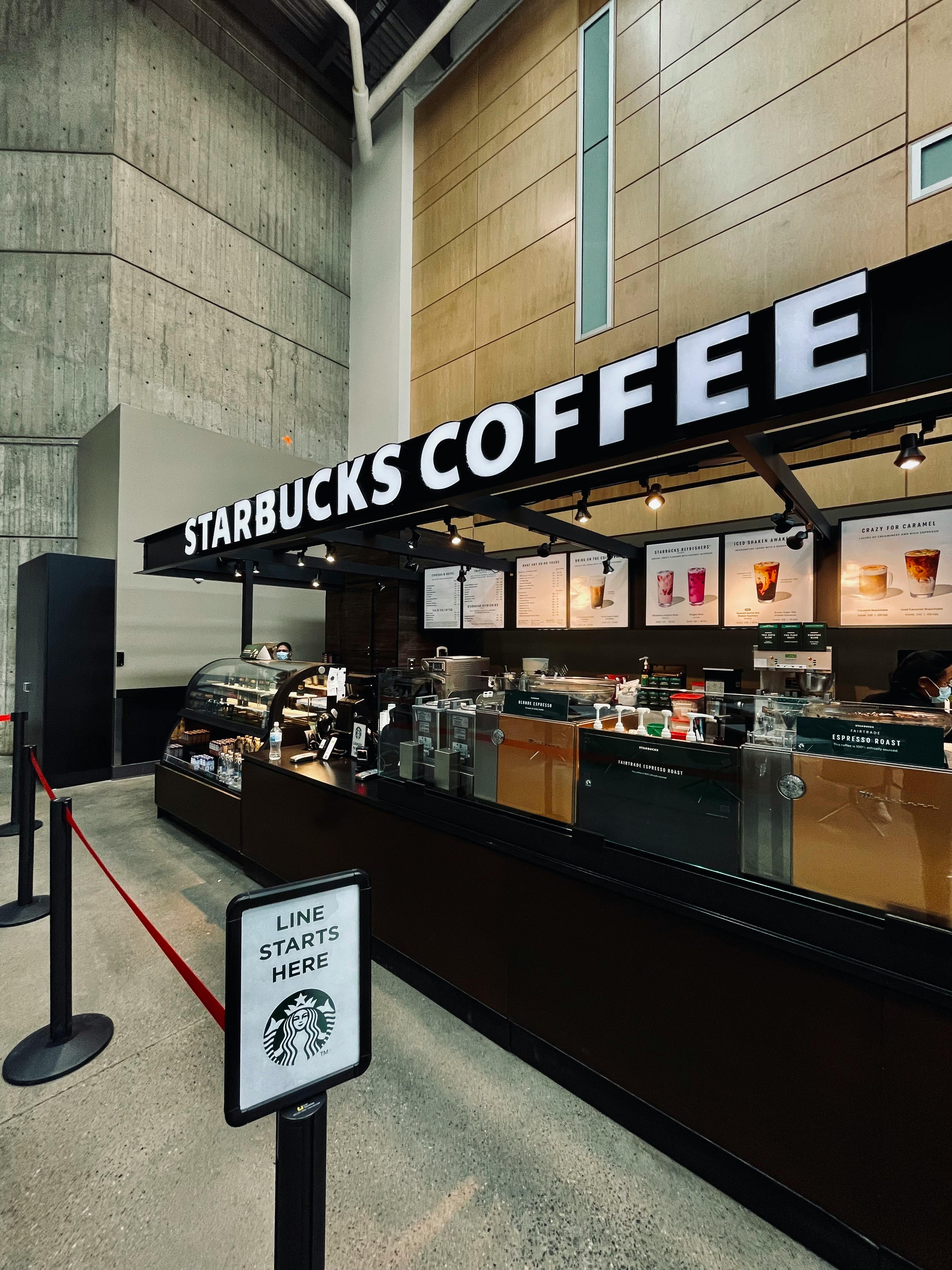
Limited-edition beverage launches at Starbucks are often timed around summer traffic, school breaks, and peak cold-drink demand. That makes blue drinks an especially logical fit for warm-weather merchandising, when iced beverages dominate sales and customers are more open to trying something playful.
Availability will likely depend on participating stores and the supply of specialty ingredients. When drinks depend on uncommon colorants or seasonal inclusions, Starbucks sometimes frames them as available while supplies last, a tactic that can increase urgency and encourage early trial.
The company may also support the release with app messaging, in-store signage, and loyalty promotion through Starbucks Rewards. That strategy helps convert curiosity into purchases while giving the clean water donation message a wider audience beyond people who simply notice the drinks at the counter.
The charitable partnership and why clean water access matters

The strongest part of this campaign may be the cause itself. Clean water access is one of the most practical and urgent development issues in the world, affecting health, education, sanitation, and economic stability in ways that are immediate and measurable.
When companies support water initiatives, the impact can extend far beyond wells or filtration alone. Reliable access to clean water can reduce waterborne illness, shorten the hours families spend collecting water, and improve school attendance, especially for girls in communities where water scarcity shapes daily life.
For Starbucks, the partnership aligns naturally with a business built around beverages. If the company clearly identifies the nonprofit partner, donation mechanics, and project goals, consumers are far more likely to view the effort as substantive and to understand how each purchase contributes to a wider solution.
Early customer reaction and the role of social media appeal

Customer reaction to blue drinks is likely to be immediate and highly visual. Brightly colored beverages tend to perform well on platforms like TikTok and Instagram because they are easy to photograph, easy to review in short videos, and easy to compare against previous limited-time Starbucks launches.
Still, novelty alone does not guarantee repeat purchases. Customers usually split into two groups: those drawn first by the look, and those who care most about whether the flavor delivers after the first sip. If Starbucks gets both right, repeat orders can follow quickly.
The charitable element may also soften skepticism. Consumers who might normally dismiss a flashy launch as gimmicky can be more receptive when part of the purchase supports a recognizable need, especially one as broadly understood and universally important as clean water.
The broader impact of pairing a product launch with a public good

This kind of campaign reflects a broader shift in consumer culture. People increasingly expect major brands to connect sales with social value, but they also expect transparency, including clear donation terms, named partners, and evidence that funds are reaching real communities.
If executed well, Starbucks could achieve three outcomes at once: stronger seasonal traffic, higher engagement around a limited-time menu event, and increased awareness of global water insecurity. That is a meaningful combination because it turns a routine product promotion into a conversation about access, equity, and health.
The lasting test will be whether the initiative leads to visible follow-through. A memorable blue drink may bring people in once, but a credible clean water effort is what can give the launch staying power and make it feel more important than a passing trend.


Leave a Reply