
Snow crab is no longer just a seasonal seafood story. It has become a high-value export that says a great deal about supply, demand, and the changing economics of Canada's fishing industry.
A smaller catch is pushing values higher

The most immediate reason prices are climbing is simple: there is less snow crab to sell. In several Atlantic fisheries, quota cuts have reduced the amount harvesters can bring ashore, tightening supply at the very moment buyers still want consistent volumes.
That matters because snow crab is not a commodity that can be expanded quickly. Fisheries managers set catch levels based on stock assessments, biomass trends, and long-term sustainability goals. When those limits fall, exporters have fewer boxes to move, and each pound becomes more valuable.
This pattern has been especially visible in Newfoundland and Labrador, Quebec, and parts of Atlantic Canada, where the snow crab fishery supports coastal communities and processing plants. A smaller harvest spread across strong export channels almost always creates upward pressure on dockside and wholesale prices.
Strong U.S. demand keeps the market firm
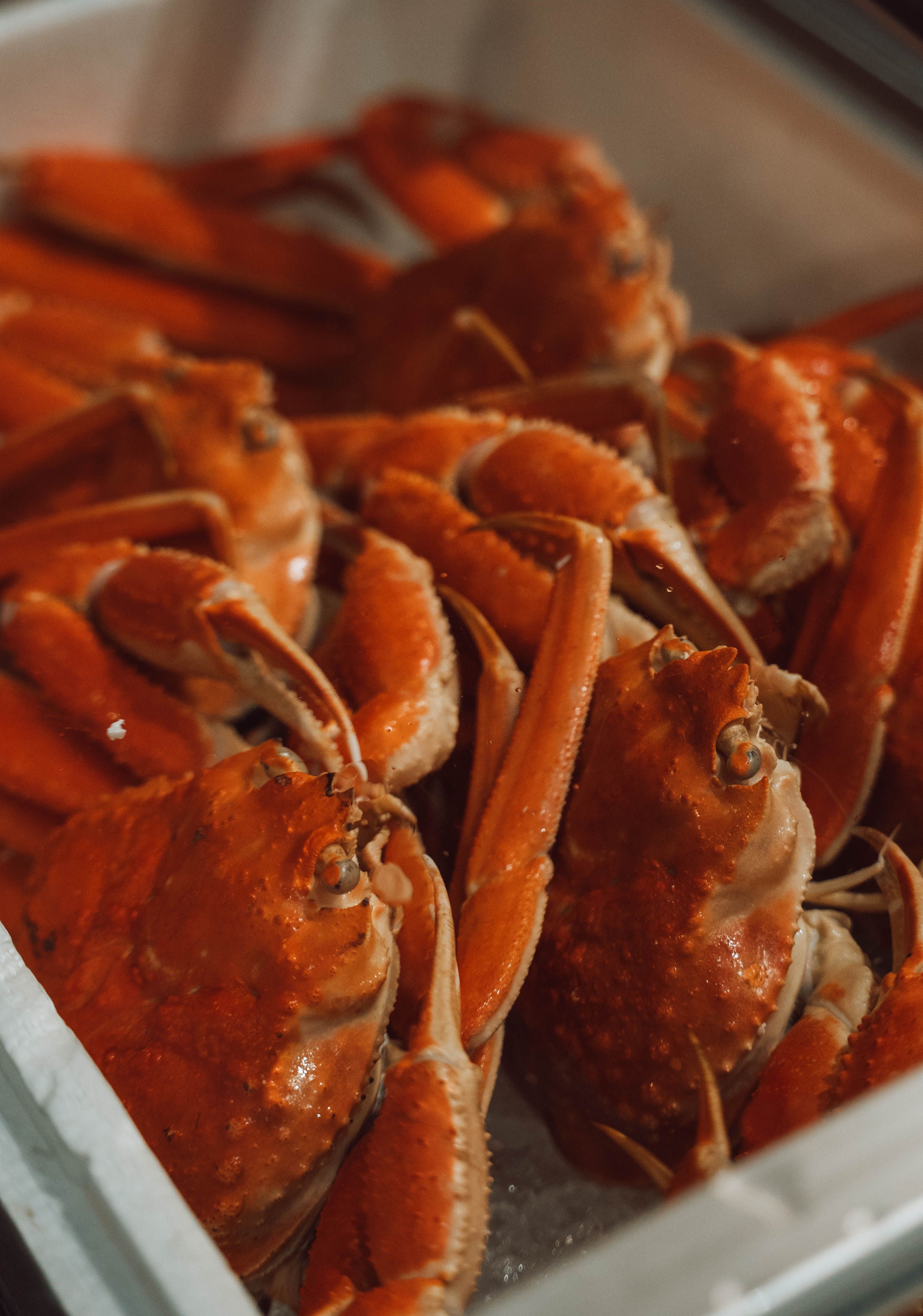
One of the biggest forces behind Canada's snow crab value is the United States. American buyers take a large share of Canadian crab, and demand has remained surprisingly durable even as restaurant budgets and grocery prices have risen more broadly.
Snow crab has a sweet spot in the market. It is seen as a premium product, but it still sits below the price tier of some luxury shellfish. That gives retailers and foodservice operators room to market it as an indulgence that remains relatively attainable for consumers.
According to market reporting from seafood trade groups and industry observers, U.S. buyers have continued to compete for reliable Canadian supply, particularly for sections and leg meat that are easy to serve. When American orders stay steady while landings shrink, export prices tend to strengthen quickly.
Limited global competition helps Canadian sellers

Another reason Canadian snow crab is doing so well is that there are not many easy substitutes in the same category. Alaska's snow crab fishery has faced severe disruption in recent years, with closures and stock concerns sharply reducing a major competing source.
Russia has historically been an important player in global crab markets, but trade disruptions, sanctions-related shifts, and changing buyer preferences have altered purchasing patterns in several countries. That has made Canadian product more attractive in premium markets looking for dependable sourcing.
Canada also benefits from reputation. Buyers know what they are getting in terms of product handling, food safety standards, and export reliability. In seafood, trust has monetary value, and when competing supply becomes uncertain, trusted origin countries often capture stronger prices.
Processing, labor, and freight costs are also rising

Higher prices are not only about scarcity and demand. The cost of getting snow crab from the ocean to a dinner plate has also gone up, and those expenses are being built into final export values.
Processing plants in Atlantic Canada have faced higher labor costs, energy bills, packaging expenses, and maintenance needs. Crab is labor-intensive compared with some other seafood products, especially when buyers want premium cuts, clean sections, and carefully graded frozen inventory.
Shipping has added another layer. Cold-chain logistics, container rates, fuel costs, and timing pressures all affect exporters' margins. When processors and exporters face rising operating costs across the board, they push for higher sale prices to protect profitability and keep plants viable through shorter seasons.
Snow crab now carries outsized economic weight
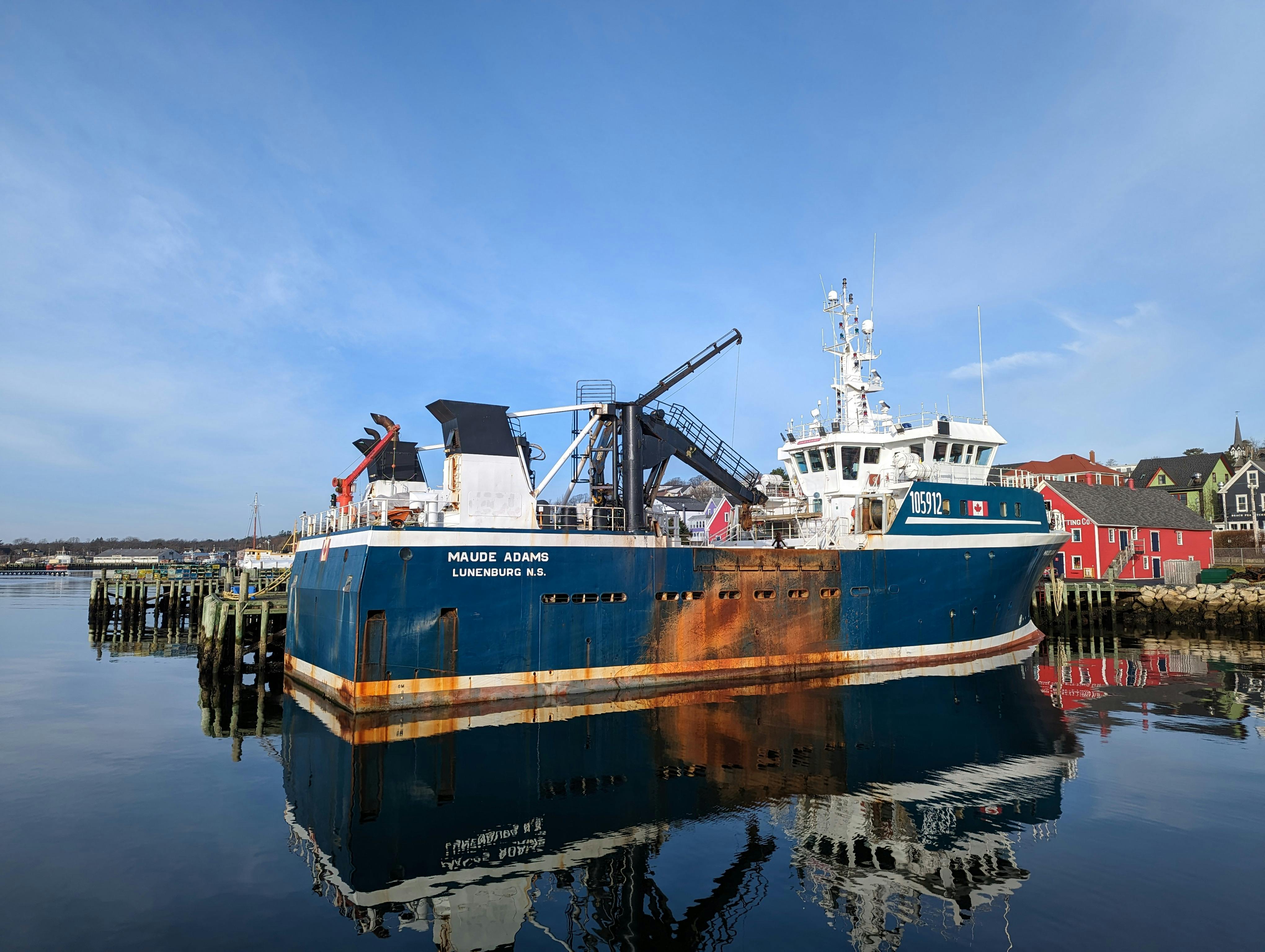
What makes this story especially important is that snow crab's export value can rise even when total volume falls. In practical terms, fewer pounds can still generate major revenue if per-pound pricing climbs enough, which is exactly why the species now stands out in Canada's seafood trade.
That shift matters for governments, fishing enterprises, and small coastal towns. Snow crab supports vessel owners, crew members, plant workers, truckers, equipment suppliers, and local businesses that depend on a successful season. A strong price environment can soften the blow of quota reductions, though it rarely erases them completely.
In some years, lobster dominates the conversation around Canadian seafood value. But snow crab has increasingly shown that it can rival or exceed expectations when market fundamentals line up, making it one of the country's most financially significant marine exports.
What could happen next for prices

The next chapter will depend heavily on biology. If stock conditions improve and quotas eventually rise, more supply could cool prices. If assessments remain cautious, tight availability may continue to support elevated export values for another season or longer.
Consumer demand will be the other key variable. If inflation or economic weakness causes households and restaurants to cut back on premium seafood, buyers may resist further increases. But so far, snow crab has held up better than some analysts expected because it occupies a desirable middle ground between everyday seafood and top-end luxury.
For now, Canada's snow crab market reflects a classic but powerful reality: limited supply, resilient demand, and dependable product quality create pricing power. That combination is why snow crab has become one of the country's most valuable seafood exports, and why prices keep climbing.




Leave a Reply