
First dates can feel like tiny auditions. Even the menu can start to look like a personality test.
Why food choices feel more loaded on a date

A date is one of the few social situations where a simple decision, like ordering pasta or a cocktail, can feel symbolic. People often assume food reflects self-control, sophistication, health habits, income, or even gender expectations. That is why ordering can trigger self-consciousness far beyond hunger.
Behavioral researchers have long noted that dining is a social signal, not just a practical act. Studies on impression formation show that people make fast judgments from small cues, including how someone speaks to a server, whether they share easily, and how comfortable they seem making choices. The order itself can become shorthand for larger assumptions.
That shorthand is often unfair. A person might order lightly because they ate earlier, or choose the cheapest item because they are budgeting responsibly. Someone else might order ribs because they love them, not because they are trying to appear carefree or messy.
What people really notice more than the meal

Here is the useful truth: most emotionally mature people notice your attitude more than your entrée. Confidence, courtesy, and ease tend to leave a stronger impression than whether you picked a burger or grilled fish. According to relationship experts, comfort with yourself is often read as attractive because it signals stability and authenticity.
Restaurant behavior is especially revealing. If someone is rude to staff, complains theatrically, or turns ordering into a performance, that stands out far more than calories or price. Good dates usually remember how the interaction felt, not the exact side dish.
Even appetite can be misread less than people think. Many daters worry that ordering dessert looks indulgent or ordering a full meal looks unfeminine or excessive. In reality, a relaxed choice paired with normal manners often reads as natural, while obvious self-editing can make the moment feel strained.
When judgment crosses from preference into a red flag

Everyone has preferences. Some people like adventurous eaters, while others enjoy simple, familiar tastes. That is normal. The problem begins when a date treats your order as a moral issue or uses it to rank your worth, intelligence, or desirability.
If someone mocks you for ordering something inexpensive, expensive, vegetarian, gluten-free, messy, spicy, or plain, they are revealing more about themselves than about you. Judgment framed as teasing can still communicate control, class anxiety, or rigid ideas about how a partner should behave.
There are practical exceptions, of course. A date may reasonably care if you ignore a severe allergy issue, get extremely intoxicated, or order in a way that creates a major logistical problem for a shared budget. But those concerns are about respect and context, not superficial menu policing.
Gender expectations still shape the table

Many dating scripts remain surprisingly old-fashioned. Women are often subtly pushed to order light, neat, or inexpensive meals, while men may feel pressure to order generously, confidently, and without hesitation. These patterns have been discussed for years in consumer psychology and social behavior research.
Such expectations are limiting for everyone. They encourage performance instead of presence. A woman should not have to prove restraint through a salad, and a man should not have to signal masculinity through steak and whiskey.
Cultural background matters too. In some communities, ordering abundantly shows warmth and enjoyment. In others, restraint is tied to etiquette. A thoughtful date understands that manners and meaning are shaped by upbringing, health, religion, and personal history, not just by what lands on the plate.
How to order with confidence and good judgment
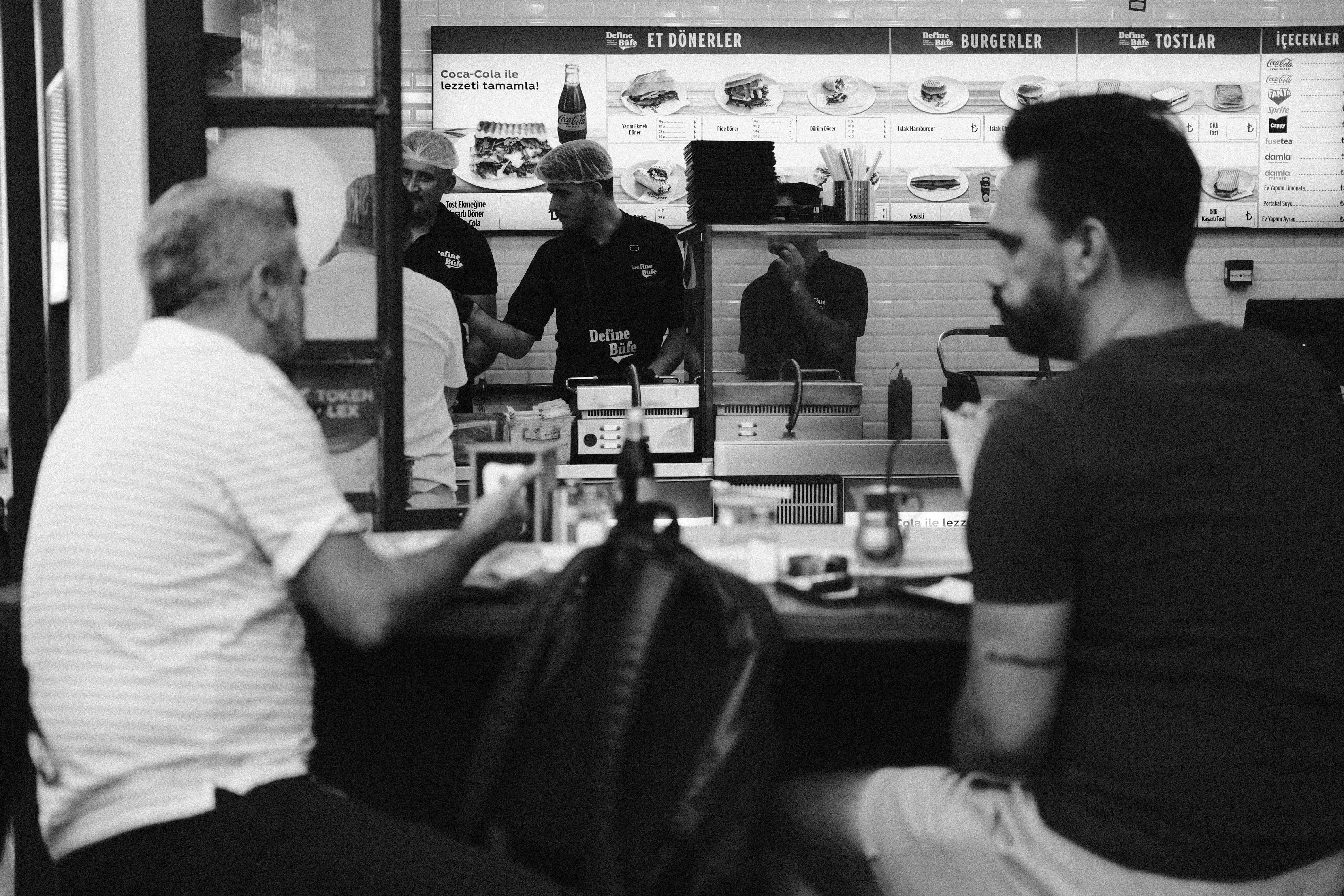
A smart approach is simple: order something you can comfortably eat, afford if needed, and enjoy. That means considering the setting, your own appetite, and how formal the date feels. Confidence does not require making a bold statement. It usually means making a calm choice without apologizing for it.
If you are worried about awkwardness, avoid foods that are difficult for you personally, not foods you think are embarrassing in theory. For one person, that might be wings. For another, it might be oysters or extra-spicy noodles. The goal is ease, not image management.
It also helps to match the social tone. If the restaurant is casual, a casual order makes sense. If it is a shared-plates place, discuss preferences openly. Thoughtful coordination can show emotional intelligence without turning dinner into a strategy exercise.
The better question to ask after the date
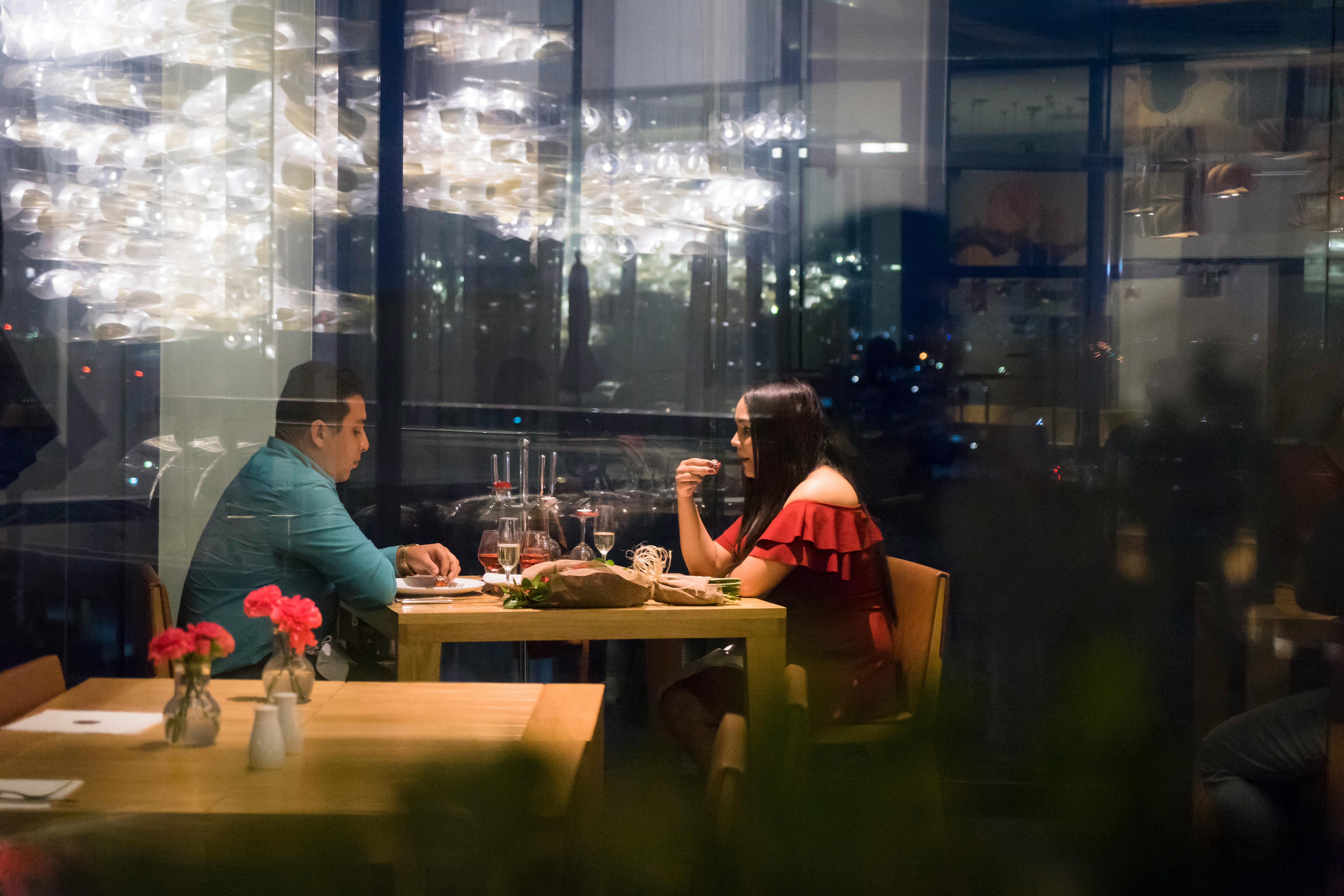
Instead of asking, "Did they judge my order?" ask, "Did I feel comfortable being myself?" That question gets closer to compatibility. A good date leaves room for appetite, preference, and individuality without making normal choices feel risky.
If someone fixates on what you ordered, the issue may not be food at all. It may be control, insecurity, status signaling, or a need to manage appearances. Those traits tend to surface elsewhere too, from money conversations to social plans.
The healthiest dating standard is not whether someone likes your meal choice. It is whether they show curiosity without criticism, standards without snobbery, and preferences without pressure. The right person may notice your order, but they will not use it as a verdict on your value.



Leave a Reply