For a lot of people, vodka and the freezer go hand in hand. But that old habit isn't always the best move, especially if you've spent good money on a nicer bottle. Here's the simple answer, plus the science and serving tips that explain when freezer-cold vodka works and when it quietly ruins the experience.
The short answer
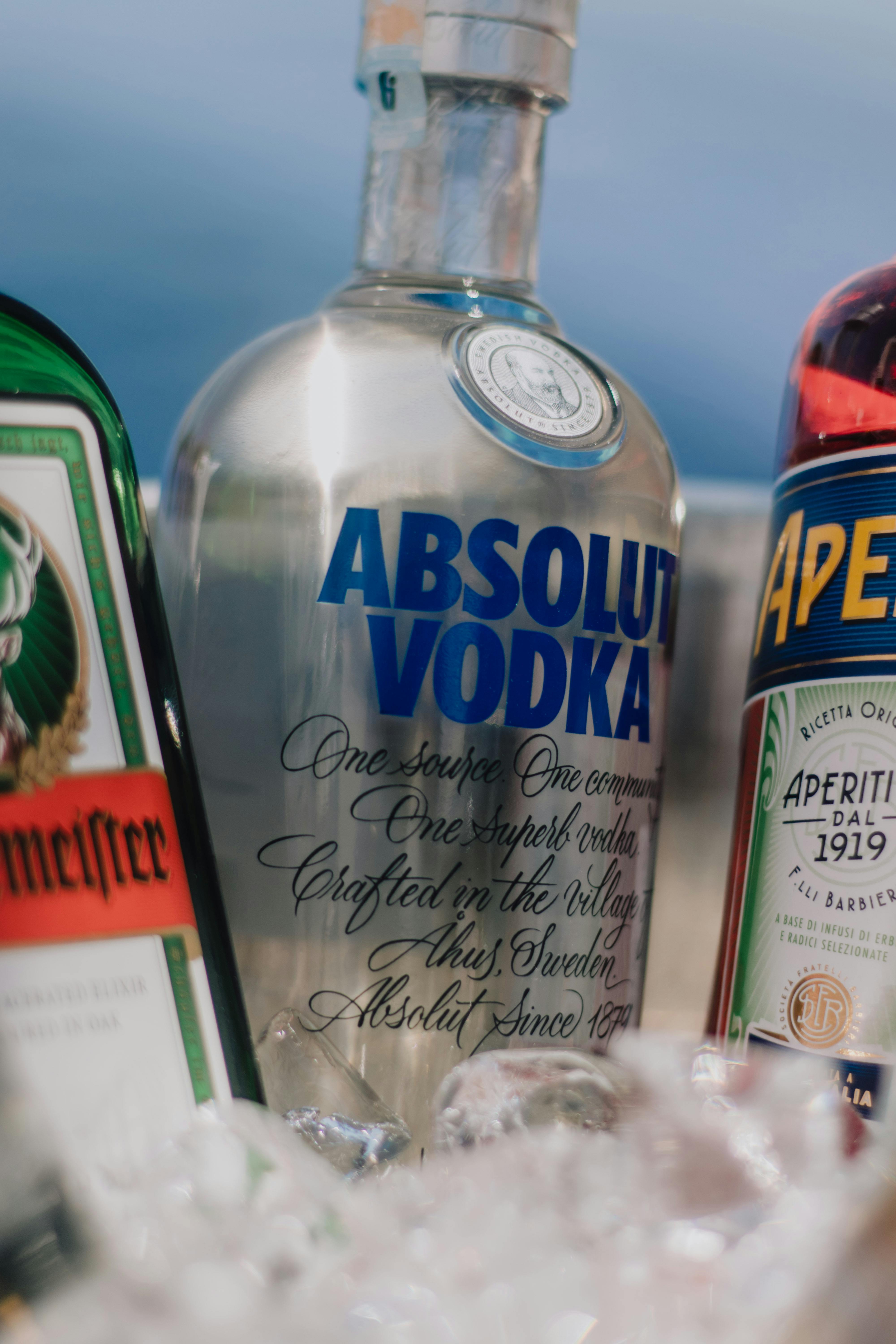
Yes, you can keep vodka in the freezer, but whether you should depends on the vodka. For basic, neutral bottles that are mostly prized for being smooth and easy to shoot, freezer storage is completely fine. In fact, it often makes them more pleasant to drink because the cold softens the alcohol bite.
The catch is that colder is not always better. Premium vodkas often have subtle grain, mineral, peppery, or creamy notes that are easier to notice when the spirit is cool rather than brutally cold. Straight-from-the-freezer temperatures can flatten those details.
So the best rule is simple: cheap or standard vodka can happily live in the freezer, while a more nuanced bottle deserves gentler treatment. Keep the everyday stuff icy if you like shots, but let the nice bottle stay on the shelf or in the fridge so you can actually taste what you paid for.
Why vodka usually does not freeze solid
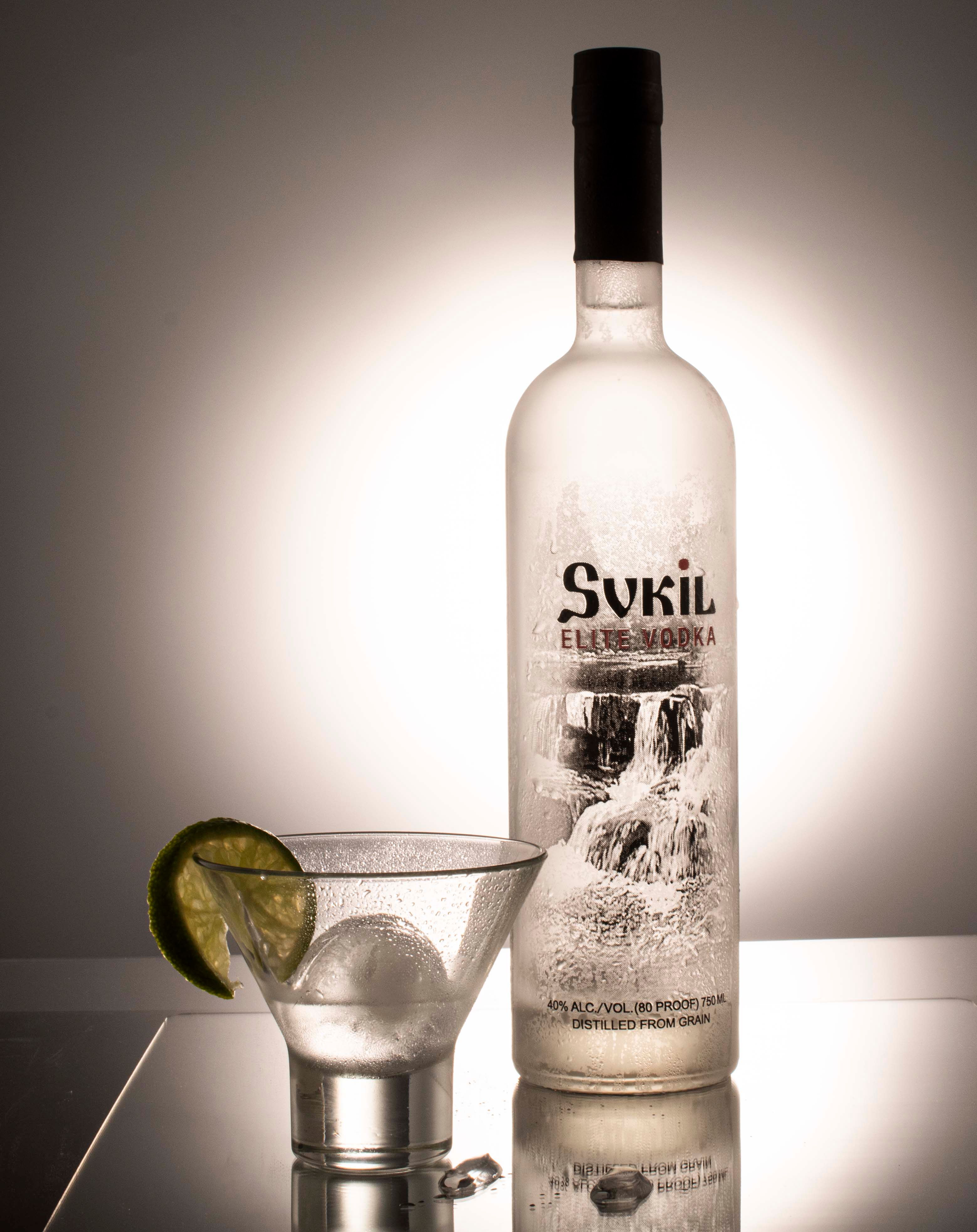
Vodka feels like it should freeze because it comes out of the freezer thick, syrupy, and seriously cold. But most standard vodka stays liquid in a home freezer because of its alcohol content. Ethanol has a much lower freezing point than water, and that changes the behavior of the whole mixture.
A typical 80-proof vodka is 40% alcohol by volume, and that gives it a freezing point around -27°C or -16°F. Your average kitchen freezer usually sits around -18°C or 0°F, which is cold, but not quite cold enough to turn the bottle into a solid block.
That is why vodka often emerges extra viscous instead of frozen. If a bottle actually turns solid, it may be lower proof than expected or your freezer may be running unusually cold. In normal conditions, though, standard vodka is safe in the freezer and won't shatter from freezing the way wine or beer might.
What extreme cold does to the taste
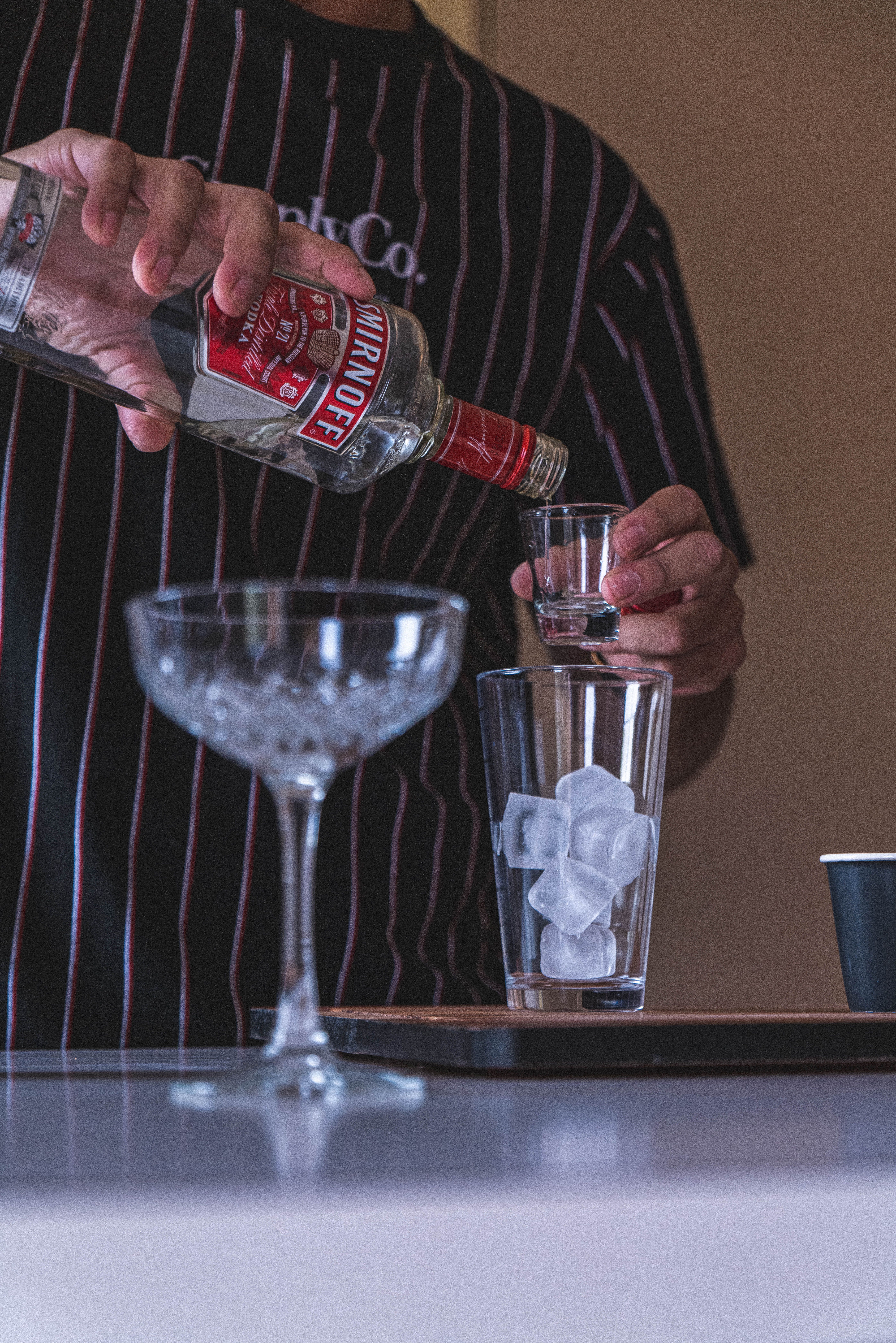
Cold changes the way vodka feels and tastes. At freezer temperature, the texture becomes thicker and silkier, which is one reason icy vodka shots have such a loyal following. The chill also dampens harsh aromas, so a rougher bottle can seem smoother than it really is.
That smoothing effect is great if your goal is easy drinking, not flavor analysis. But the same cold that hides burn also hides character. Delicate notes in a well-made vodka can get muted, making the spirit taste flatter and less expressive than it would at a slightly warmer serving temperature.
Think of it like listening to music with the volume turned way down. The loudest parts are less abrasive, sure, but you also lose the finer details. If you want vodka to taste as clean and soft as possible, the freezer helps. If you want to notice nuance, it can work against you.
When freezer storage makes sense

The freezer is a smart home for vodka when convenience and drinkability matter most. If you like straight shots, especially at parties, having a bottle ready to pour ice-cold is practical and crowd-pleasing. This is particularly true for standard vodka that is distilled to be clean, neutral, and uncomplicated.
Freezer-cold vodka can also be useful in casual cocktails where the spirit is not meant to be the star on its own. A thoroughly chilled bottle can help create a crisp martini or vodka soda without adding quite as much dilution right away.
There is also the tradition factor. In many homes, serving deeply chilled vodka is simply part of the ritual, often alongside salty snacks or a pickle chaser. If that is the experience you enjoy, there is no reason to overthink it. For everyday bottles and social occasions, the freezer is not a mistake. It is often exactly the point.
When the freezer is the wrong move

If you bought a premium vodka because it promises character, softness, or a distinctive base ingredient, the freezer can quietly erase the very things that make it special. Grain-driven aromas, creamy texture, minerality, and gentle spice all become harder to pick up when the liquid is near freezing.
This is why better bottles are often best stored at room temperature or in the fridge rather than the freezer. That way, the vodka stays cool and pleasant without being so cold that it turns mute. You get a cleaner read on the spirit and a more complete drinking experience.
The same caution applies to flavored vodkas and bottles with added ingredients. While they can certainly be chilled, very low temperatures may dull their aromatics and make them less expressive. If flavor matters, think twice before defaulting to the freezer just because that is what you have always done.
Better ways to serve a nice vodka
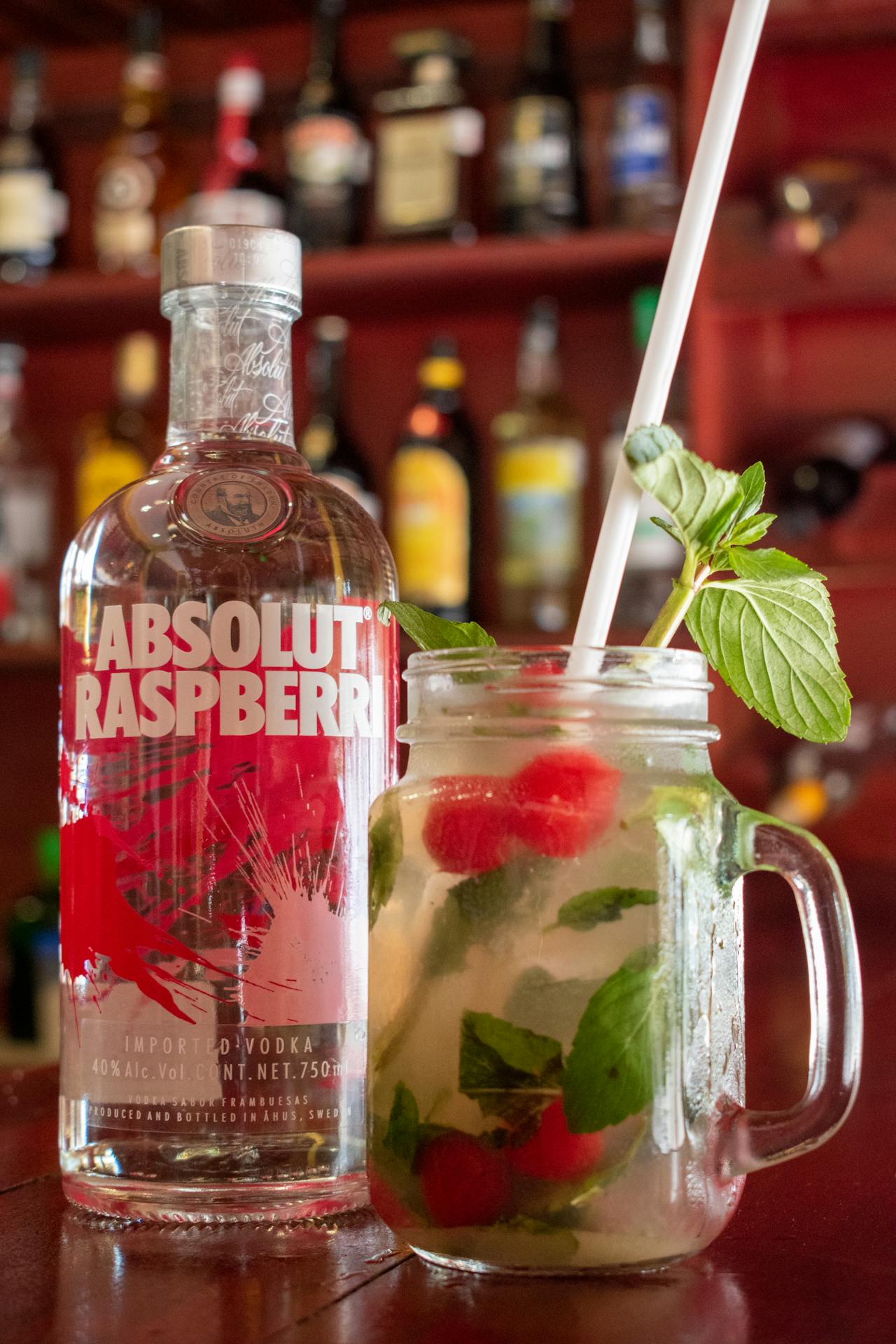
If you want to enjoy a quality vodka without muting it, aim for cool rather than arctic. Storing it on a bar cart in a dark place works well, and the refrigerator is an even better option if you prefer a colder pour without dropping all the way to freezer level.
Another smart move is to chill the vodka at serving time instead of permanently parking it in the freezer. Pour it, stir it briefly with ice, and strain it into a glass. That gives you a cold, polished sip while preserving more aroma and subtle flavor than a straight-from-the-freezer shot.
Glassware matters too. A small chilled glass can keep the drink crisp without overdoing the cold. The idea is balance: enough chill to make the vodka feel silky and refreshing, but not so much that the spirit goes nearly silent. For nicer bottles, that middle ground is where the magic usually lives.
How to store opened and unopened bottles
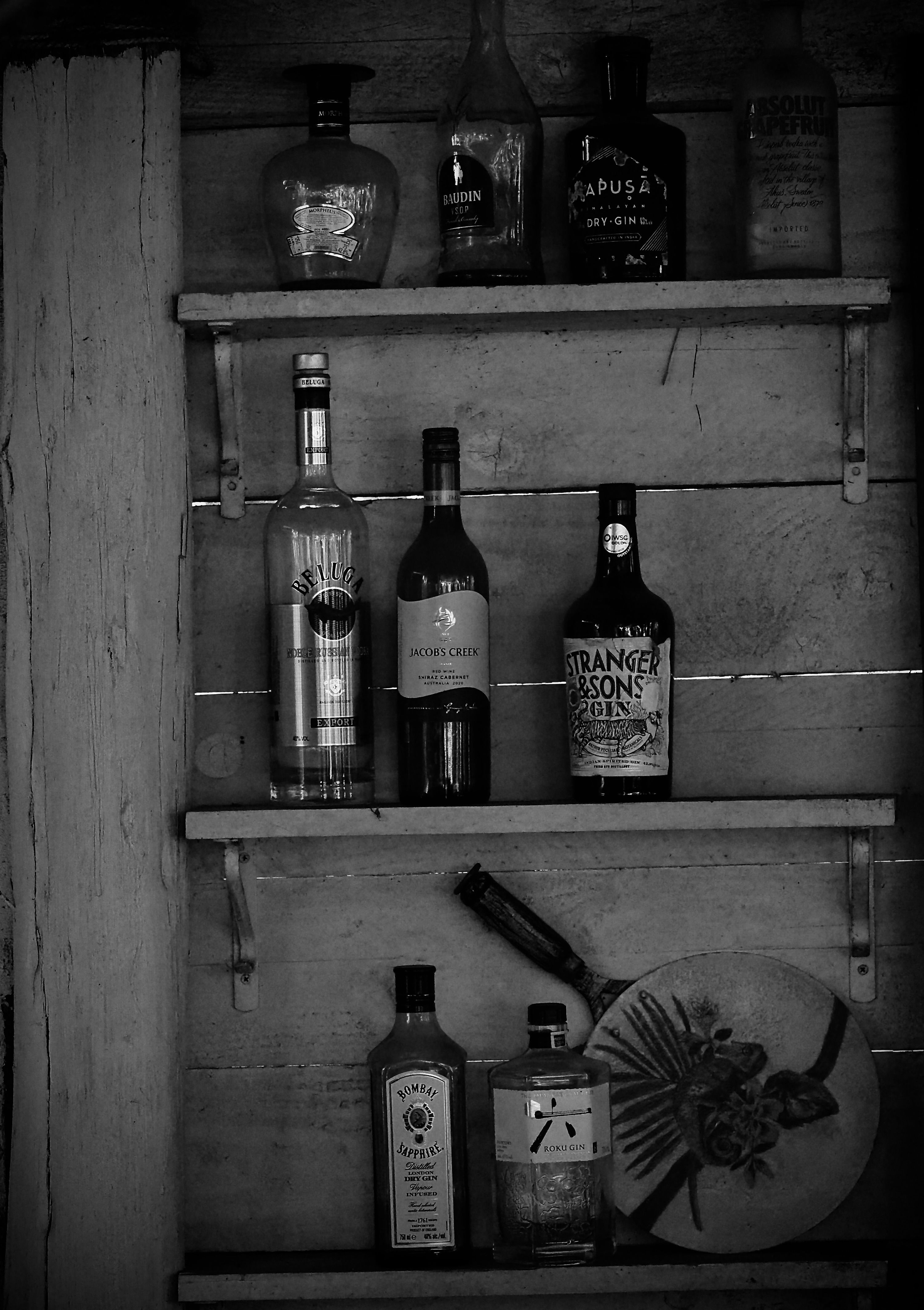
Vodka is a relatively stable spirit, so storage is not especially fussy, but a few habits help preserve quality. Unopened bottles do best upright in a cool, dry, dark place away from sunlight and heat. That setup protects the liquid and keeps the closure from unnecessary wear.
Once opened, the biggest concern is air exposure over time. Pure vodka can last a very long time if you seal it tightly after each use, but its taste can slowly dull if the cap is left loose or the bottle sits somewhere warm. Stable temperatures are your friend.
For opened bottles, the fridge is often a great compromise. It keeps vodka cool and ready to pour while avoiding the flavor-dampening deep chill of the freezer. Flavored vodkas deserve a little more attention, since added ingredients can degrade faster. In general, darkness, a tight seal, and steady temperature matter more than dramatic cold.
The bottom line for your bottle
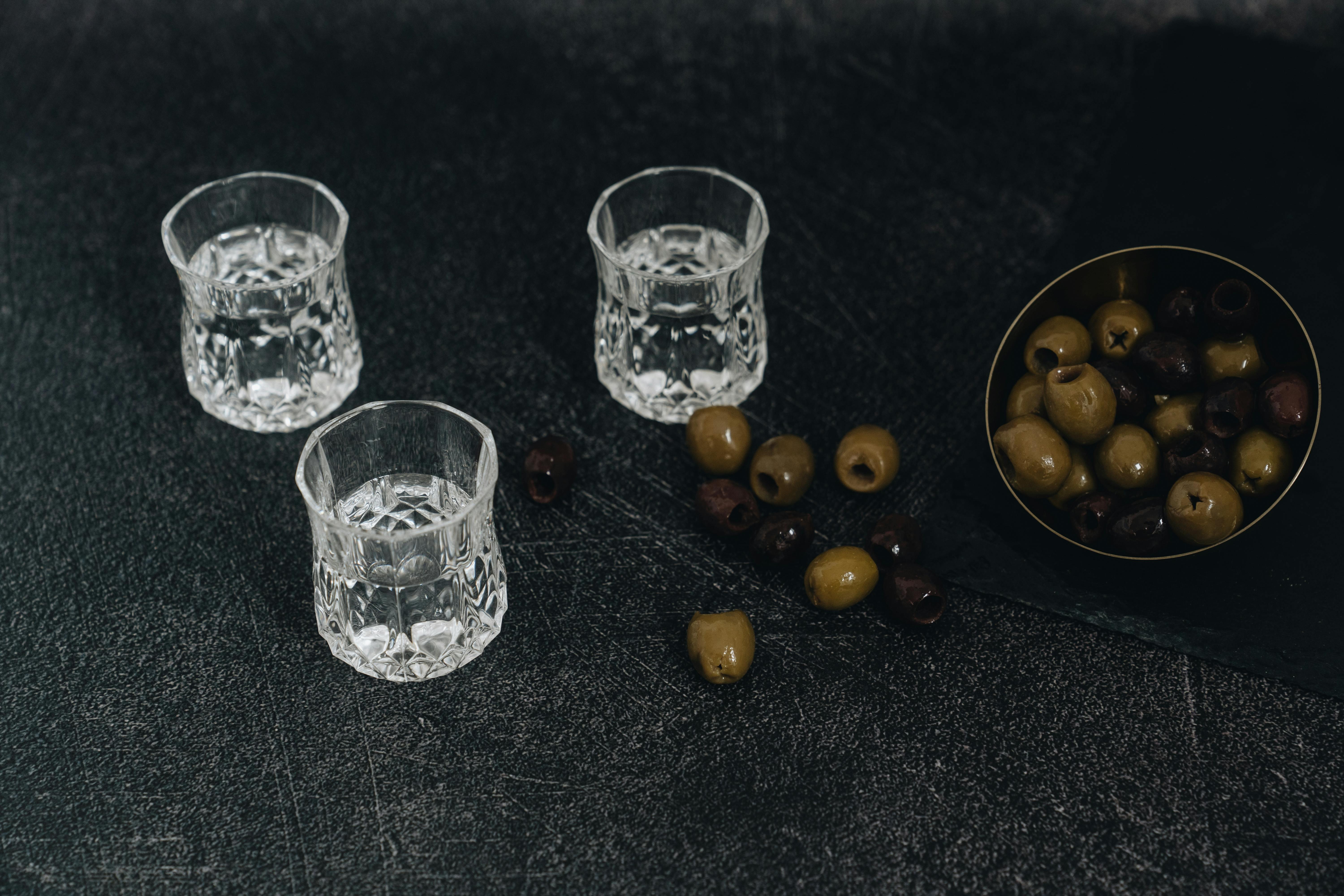
So, should you keep vodka in the freezer or not? If it is a standard bottle you use for shots, casual sipping, or simple mixed drinks, go ahead. The freezer makes vodka smoother, thicker, and easier to throw back, which is exactly why so many people prefer it that way.
If the bottle is premium, expressive, or something you genuinely want to taste, skip the freezer. Store it cool, not brutally cold, and serve it from the fridge or after a quick stir with ice. You will notice more personality in the glass.
In other words, the freezer is not wrong. It is just not universal. Vodka is one of those spirits where the best storage choice depends less on strict rules and more on your goal. Want icy smoothness? Freeze it. Want flavor and nuance? Ease up on the cold and let the vodka speak.