
A bag of shredded cheese looks simple, but it tells a bigger food story. The choice between pre-shredded and block cheese affects texture, melting, flavor, cost, and even shelf life.
What pre-shredded cheese usually contains

At first glance, pre-shredded cheese seems like nothing more than cheese already grated for convenience. In many cases, though, the ingredient list includes anti-caking agents and preservatives that help the shreds stay separate and look fresh in the bag.
Common anti-caking ingredients include potato starch, cornstarch, cellulose powder, and sometimes calcium sulfate. Cellulose is a plant fiber, usually derived from wood pulp or other plant sources, and it is widely used in packaged foods. Its job is practical, not suspicious. It absorbs surface moisture so the strands do not clump together during shipping and storage.
Many brands also use natamycin to slow mold growth. Natamycin is an antifungal used on cheese surfaces and in shredded products, and regulators consider it safe at approved levels. So yes, the bag usually contains more than cheese, but those additions are there to solve specific manufacturing problems.
Why block cheese melts better
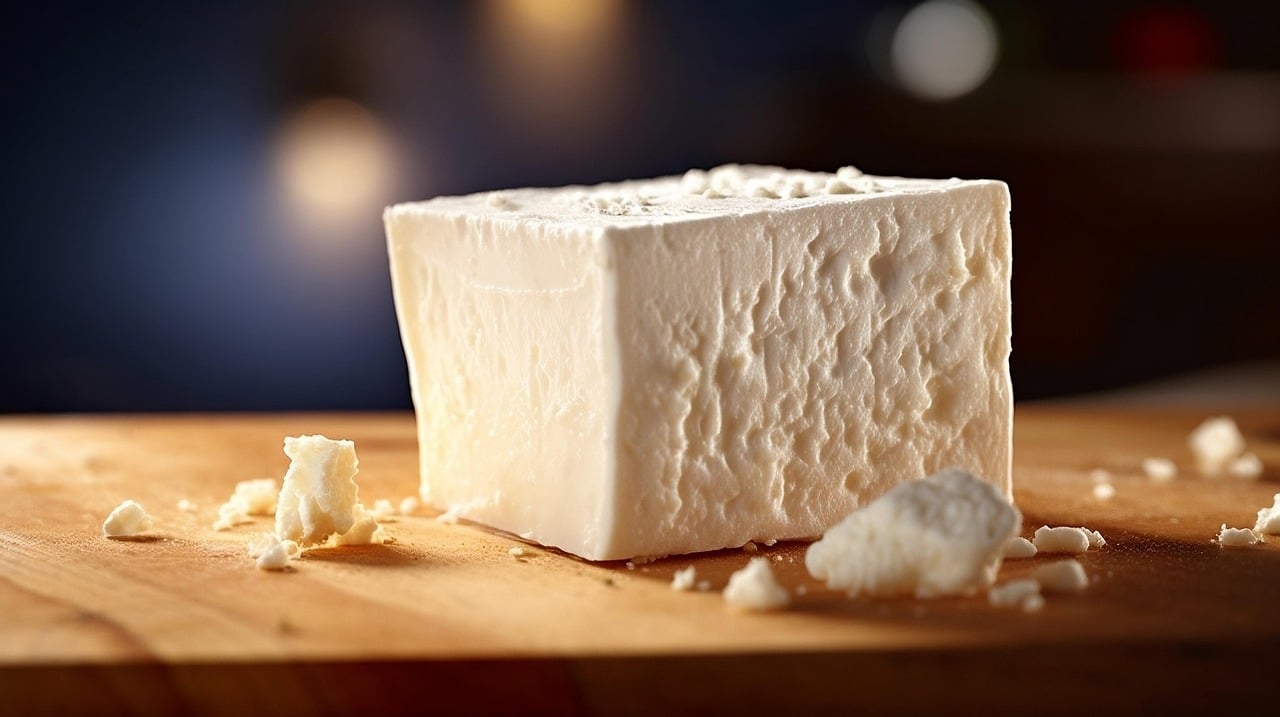
The biggest difference shows up in the pan. Block cheese usually melts more smoothly because it has not been coated with powders designed to keep pieces separate. When you shred it yourself, the strands carry more exposed fat and moisture, which helps them fuse into a creamier mass.
That matters in dishes like queso, macaroni and cheese, grilled cheese, and au gratin potatoes. Pre-shredded cheese can still melt, but it often does so less evenly. The result may look slightly grainy, oily, or stubbornly stringy, especially in sauces where a silky texture matters.
Professional cooks often prefer block cheese for this reason. In restaurant kitchens, texture consistency is everything. A sauce that breaks or a topping that browns unevenly is not just cosmetic. It changes the eating experience in a noticeable way.
Flavor and texture are not quite the same

Freshness shapes flavor more than many shoppers realize. Once cheese is shredded, more surface area is exposed to air. That speeds up moisture loss and can slightly dull the taste over time, even in a sealed package.
A block generally tastes fuller and feels less dry because its interior stays protected until you cut it. That can be especially noticeable with cheddar, mozzarella, Monterey Jack, and Parmesan-style cheeses. If you compare freshly grated cheddar with bagged cheddar side by side, the block version often tastes sharper and richer.
Texture also changes outside the melting test. Pre-shredded cheese can feel a bit firmer or dustier on the tongue because of the coating. In salads, tacos, and quick casseroles, that difference may be minor. In simpler dishes, it stands out more.
Convenience, cost, and waste

Convenience is the strongest argument for buying the bag. For busy families, weeknight cooks, and anyone with limited hand strength or time, pre-shredded cheese is genuinely useful. It saves several minutes and avoids washing a grater, which matters more than food purists sometimes admit.
The tradeoff is price. Ounce for ounce, pre-shredded cheese usually costs more than a block because the processing, packaging, and labor are built into the final price. Over time, that markup adds up, especially for households that use a lot of cheese.
Waste can cut both ways. A bag may last longer after opening because of added mold inhibitors, but shredded cheese can also dry out faster once exposed to air. A block may require prep, yet it often keeps a better texture if wrapped well and used steadily.
Health questions people often ask
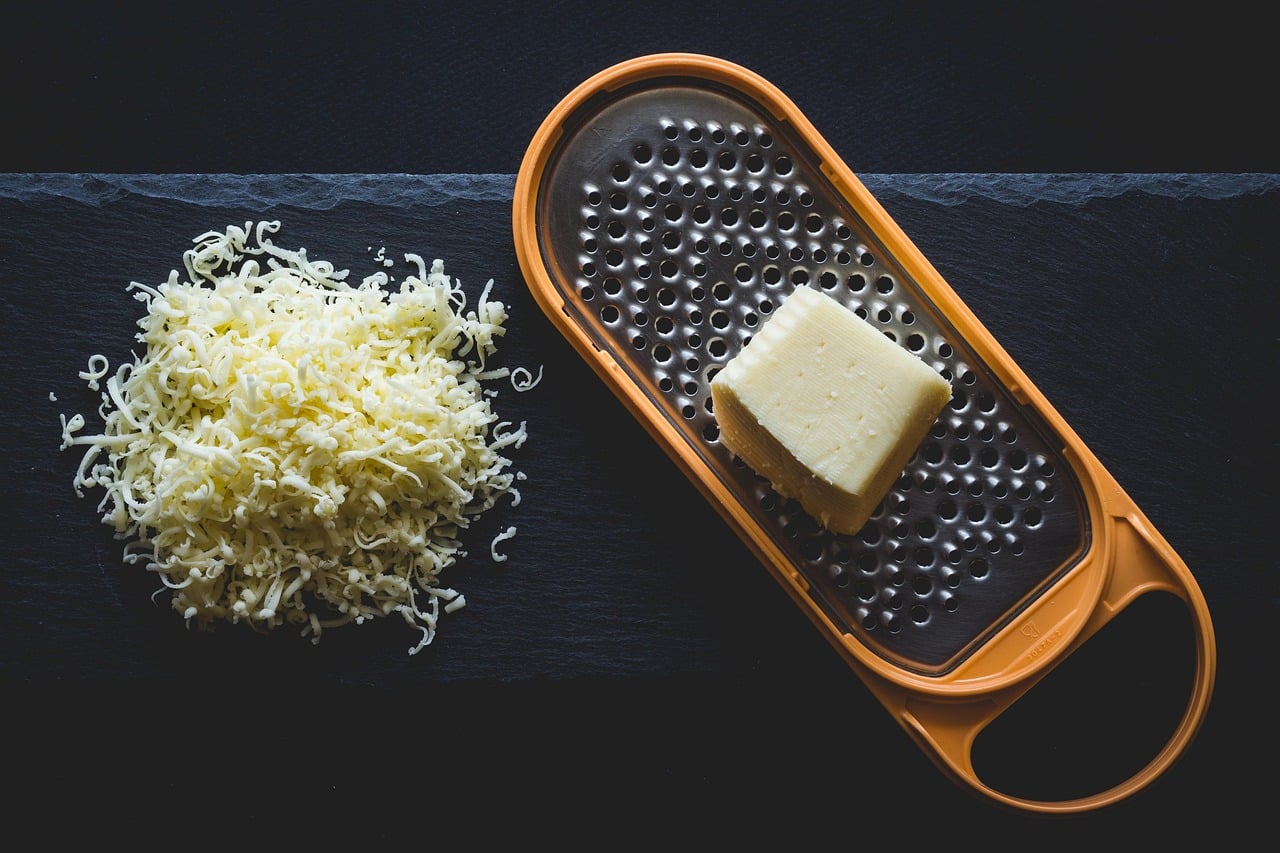
For most people, the added ingredients in pre-shredded cheese are not a major health concern. Anti-caking agents are used in small amounts, and substances like cellulose are common across the food supply. The nutritional gap between shredded and block cheese is usually small when comparing the same cheese type.
Still, labels matter if you have a specific goal. Some blends contain more sodium, extra preservatives, or additives that ultra-processed-food avoiders prefer to limit. If you want the shortest ingredient list possible, block cheese usually wins.
There is also the portion issue. Because pre-shredded cheese is ready to scatter, it can be easier to overuse without noticing. Freshly grating cheese tends to make cooks more aware of quantity, which may help with cost and calorie control.
When each option makes the most sense

There is no single winner for every kitchen. If you are making pizza, a baked pasta, a smooth cheese sauce, or a special meal where texture matters, a block is usually the better choice. Freshly shredded cheese simply performs better under heat.
If you are topping nachos, filling quesadillas, building lunch wraps, or assembling a fast casserole, pre-shredded cheese is often perfectly fine. In those cases, speed may matter more than tiny differences in melt quality or flavor.
A smart compromise is to keep both on hand. Use block cheese for dishes where performance is critical and bagged cheese for quick everyday cooking. Once you know what is in the bag and what those ingredients do, the choice becomes less about fear and more about function.


Leave a Reply