
Some desserts feed hunger. Date squares feed memory.
A classic bar with deep Canadian roots

Date squares have long held a secure place in Canadian home baking, especially in prairie provinces where practical, filling sweets became household standards. Known in some kitchens as matrimonial cake, the bar likely drew strength from British oat baking traditions and from the wide availability of imported dates through national grocery chains in the 20th century.
Unlike delicate pastries, date squares were built for real life. They traveled well, held their shape on crowded bake sale tables, and stayed moist for days. That durability mattered in church basements, school gym fundraisers, and community halls, where volunteer baking had to be reliable, affordable, and easy to portion.
Their appeal also came from balance. The sweet, dark date filling sat between crumbly layers of oats, flour, butter, and brown sugar, creating a dessert that felt rich without being flashy. In a country where modesty often defines comfort food, date squares became beloved precisely because they never tried too hard.
Why bake sales made them unforgettable
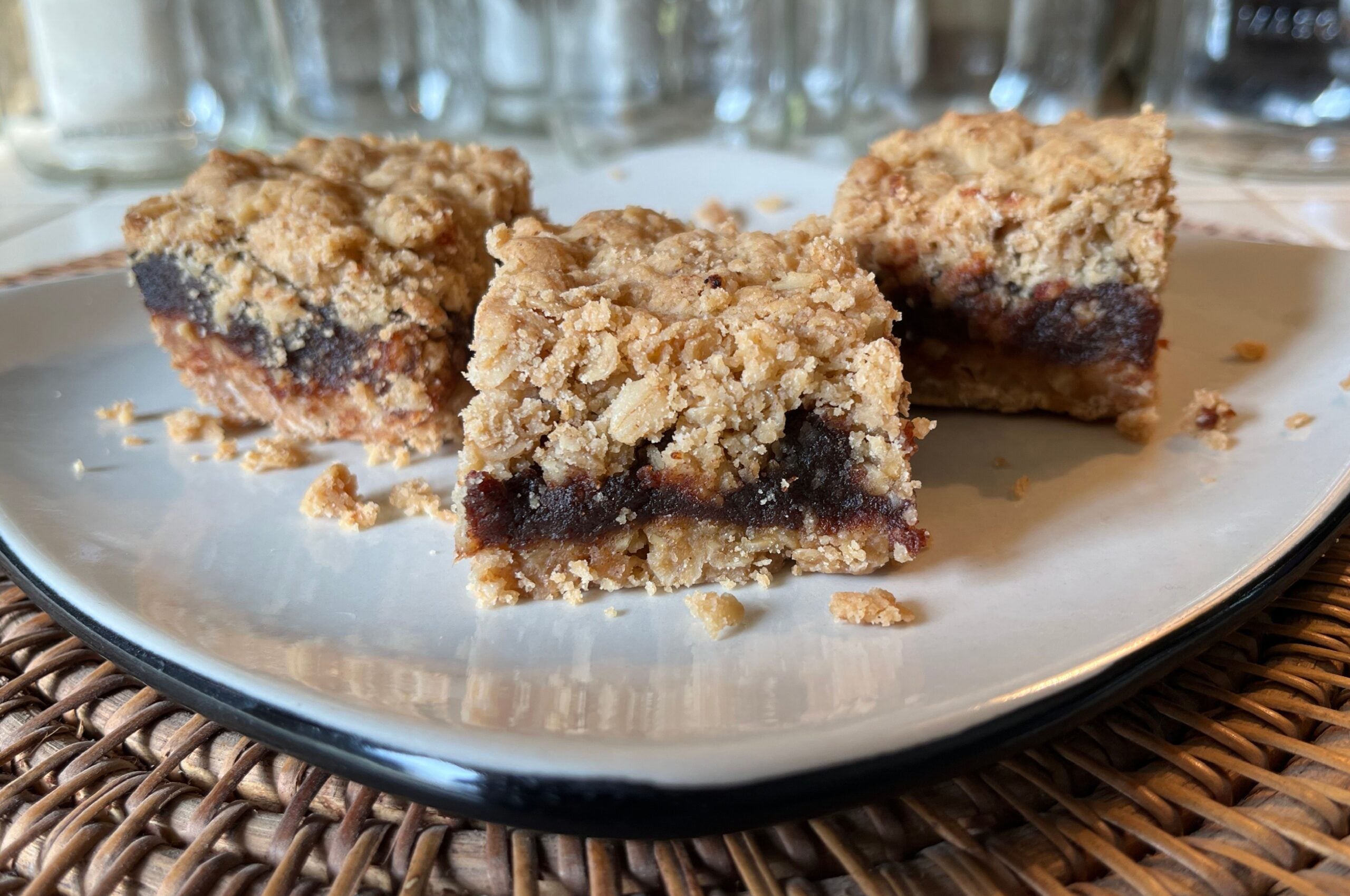
Canadian bake sales rewarded desserts that could be cut neatly, wrapped quickly, and sold at a modest price. Date squares met all three demands with ease. A standard 9 x 13-inch pan could yield many portions, making them efficient for fundraising and especially attractive to organizers trying to stretch volunteer contributions into meaningful proceeds.
They also stood out for being broadly liked across generations. Children often reached for the buttery oat topping, while adults appreciated the deeper caramel notes of cooked dates. On a crowded dessert table beside cupcakes and iced cookies, date squares offered something less showy but often more satisfying.
There was also a social familiarity to them. Many buyers already knew what they were, which reduced hesitation and encouraged repeat purchases. In community fundraising, recognizable food often sells first, and date squares benefited from that trust. They looked homemade in the best possible way, signaling care rather than commercial polish.
The flavor and texture that define the best version

A strong date square begins with a filling that is soft, thick, and deeply flavored rather than sticky or sugary. Good bakers simmer chopped dates with water and a little lemon juice until the mixture turns spreadable and glossy. That small touch of acidity keeps the sweetness from becoming flat and gives the bar a cleaner finish.
The oat layers matter just as much. Traditional Canadian recipes usually rely on rolled oats, brown sugar, flour, butter, and sometimes a pinch of salt to sharpen flavor. The goal is not a crisp cookie crust but a tender crumble that presses together while still breaking apart slightly with each bite.
Texture is where mediocre versions fail. If the base is packed too tightly, the square turns heavy. If the filling is too wet, the layers slide apart. The best examples cut cleanly yet remain soft, with enough structure for a wax-paper sleeve or a paper plate at a school event.
How grandmothers shaped the recipe

Grandmothers often treated date squares as a method more than a strict formula. Measurements could shift according to the oats in the cupboard, the softness of the butter, or how many people were expected after church. That flexibility helped the recipe survive across decades, handwritten cards, and regional preferences without losing its essential identity.
In many Canadian families, the recipe carried markers of household economy. Dates were inexpensive compared with nuts or fresh fruit in many seasons, and oats offered bulk and nourishment. During periods shaped by rationing habits, Depression-era thrift, or farm budgeting, date squares represented the kind of intelligent baking that made ingredients work hard.
That practical wisdom also shaped technique. Experienced bakers knew to cool the pan before slicing, to cook the date filling until thick, and to reserve enough crumble for a generous top. Those details were rarely dramatic, but they made the difference between an average pan and the version people remembered years later.
Regional names, family variations, and lasting debate
Across Canada, date squares are sometimes called matrimonial squares or matrimonial cake, though the exact naming tradition varies by province and family. In the Prairies, the matrimonial name appears especially often, reflecting a long-standing community baking vocabulary. Elsewhere, the simpler date square label tends to dominate recipe boxes and fundraiser signs.
Variations reveal how adaptable the dessert has always been. Some bakers add orange zest, others cinnamon, and some replace part of the flour with whole wheat for a heartier crumb. A few recipes include chopped walnuts, though purists often argue that the classic version needs nothing beyond oats, dates, butter, and brown sugar.
These differences rarely weaken affection for the bar. Instead, they deepen it by tying each pan to a household or town. The debate over what counts as authentic is part of the dessert's life, much like arguments over butter tarts or Nanaimo bars. Familiar foods stay relevant when people feel ownership of them.
Why date squares still belong on the table
Date squares continue to make sense in modern baking because they answer today's desire for comfort, portability, and recognizable ingredients. They are easy to batch for potlucks, freezer-friendly for busy households, and sturdy enough for lunchboxes. In an era of elaborate dessert trends, that straightforward usefulness gives them renewed appeal.
They also fit the current return to heritage cooking. Many home bakers now seek recipes that connect them to family history and regional food culture, and date squares offer both. They tell a story of Canadian community life through one pan, one knife, and a dozen neatly cut portions on parchment.
Most of all, they endure because they taste like generosity. At bake sales, they were never just sweets for sale. They were contributions, greetings, and quiet proof that homemade food could hold a neighborhood together. That is why one bite still feels like entering a church hall and seeing the folding tables fill up.
Leave a Reply