
Some dishes feed more than hunger. Fèves au lard carries memory, tradition, and the unmistakable aroma of maple and slow-cooked beans.
Why fèves au lard still matters in Quebec
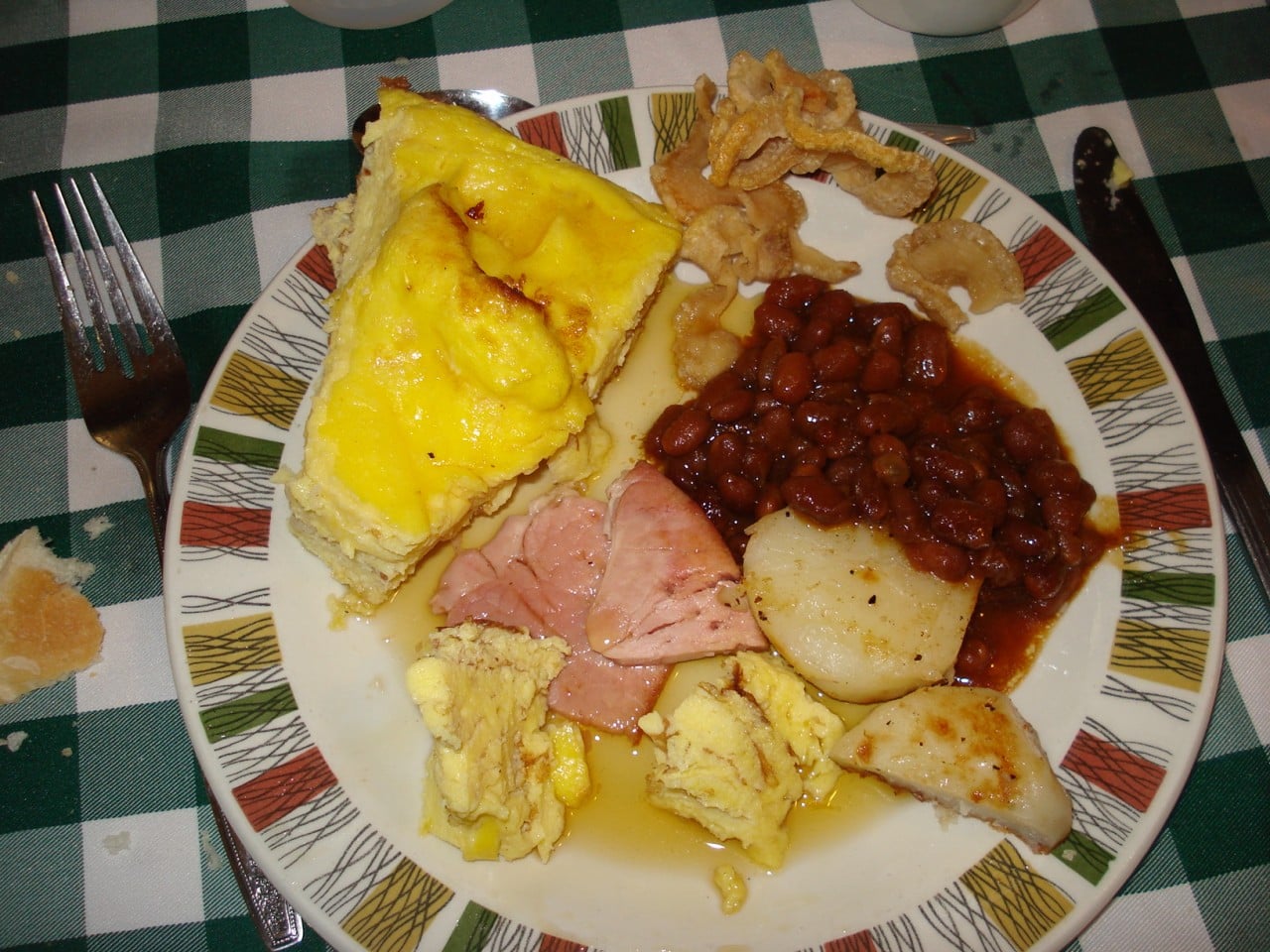
Few foods capture Quebec's rural cooking heritage as clearly as fèves au lard. The dish grew from practical farmhouse habits, where dried beans, pork fat, and local sweeteners could be stored through long winters. It was inexpensive, filling, and reliable.
What makes it distinct is the use of maple syrup, a flavor tied deeply to eastern Canada's landscape and identity. Before refined sugar became commonplace, maple products were a natural choice in many kitchens. That sweetness, balanced with salt pork and mustard, gives the beans their signature profile.
The dish also has a social role. It appears at cabanes à sucre, family tables, church suppers, and holiday breakfasts. In those settings, fèves au lard is less a side dish than a marker of belonging, proof that humble ingredients can carry a region's story.
The old-fashioned method behind the flavor

Real depth comes from time, not complication. Traditional fèves au lard begins with dried white beans, often navy or pea beans, soaked overnight to soften their skins and help them cook evenly. That first step affects everything that follows.
The beans are usually simmered briefly before baking, then placed in a heavy pot with salt pork, onion, maple syrup, and seasonings. Older recipes often include dry mustard and sometimes a touch of molasses for darker sweetness. Water or cooking liquid is added just to cover.
Then comes the defining stage, a long, gentle bake. Historically, the pot sat in the falling heat of a wood-fired oven for hours, sometimes overnight. Slow cooking allows the starches to turn creamy while the top darkens and the pork gradually seasons the entire dish.
The ingredients that make it taste authentic
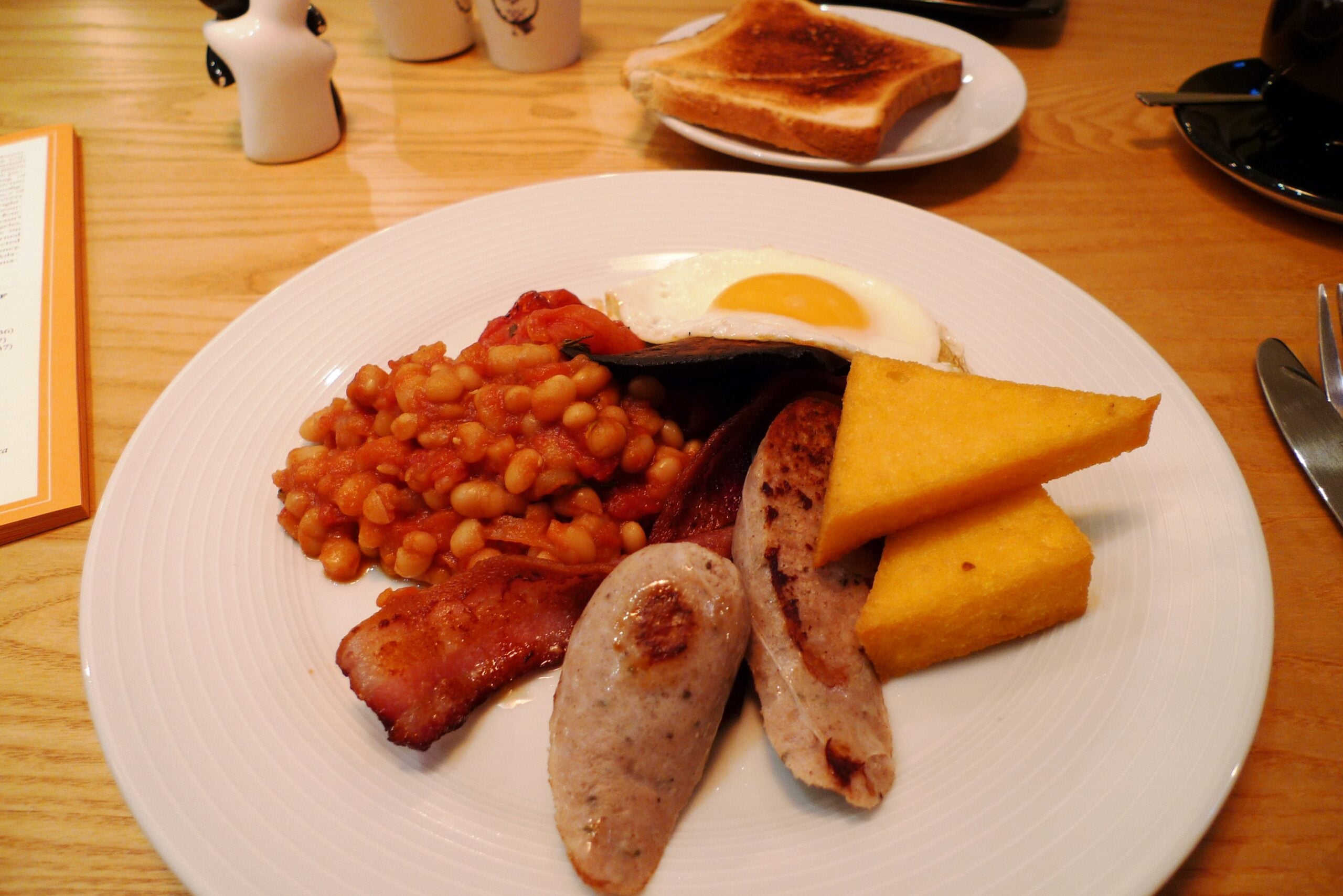
A short ingredient list leaves no room for weak choices. Small white beans are preferred because they become tender without falling apart too quickly, and they readily absorb sweet and savory flavors. Canned beans can work in a hurry, but they do not deliver the same texture.
Maple syrup should be real, not pancake syrup flavored with artificial extracts. Amber or dark syrup is especially useful here because it brings stronger caramel and woodsy notes. In Quebec kitchens, that flavor is not decorative. It is central.
Salt pork remains the classic fat and seasoning element, though some cooks use bacon for a smokier result. Onion, mustard, and black pepper build the base, while molasses is optional depending on the family recipe. The best versions taste balanced rather than sugary.
How to cook a batch like the old days
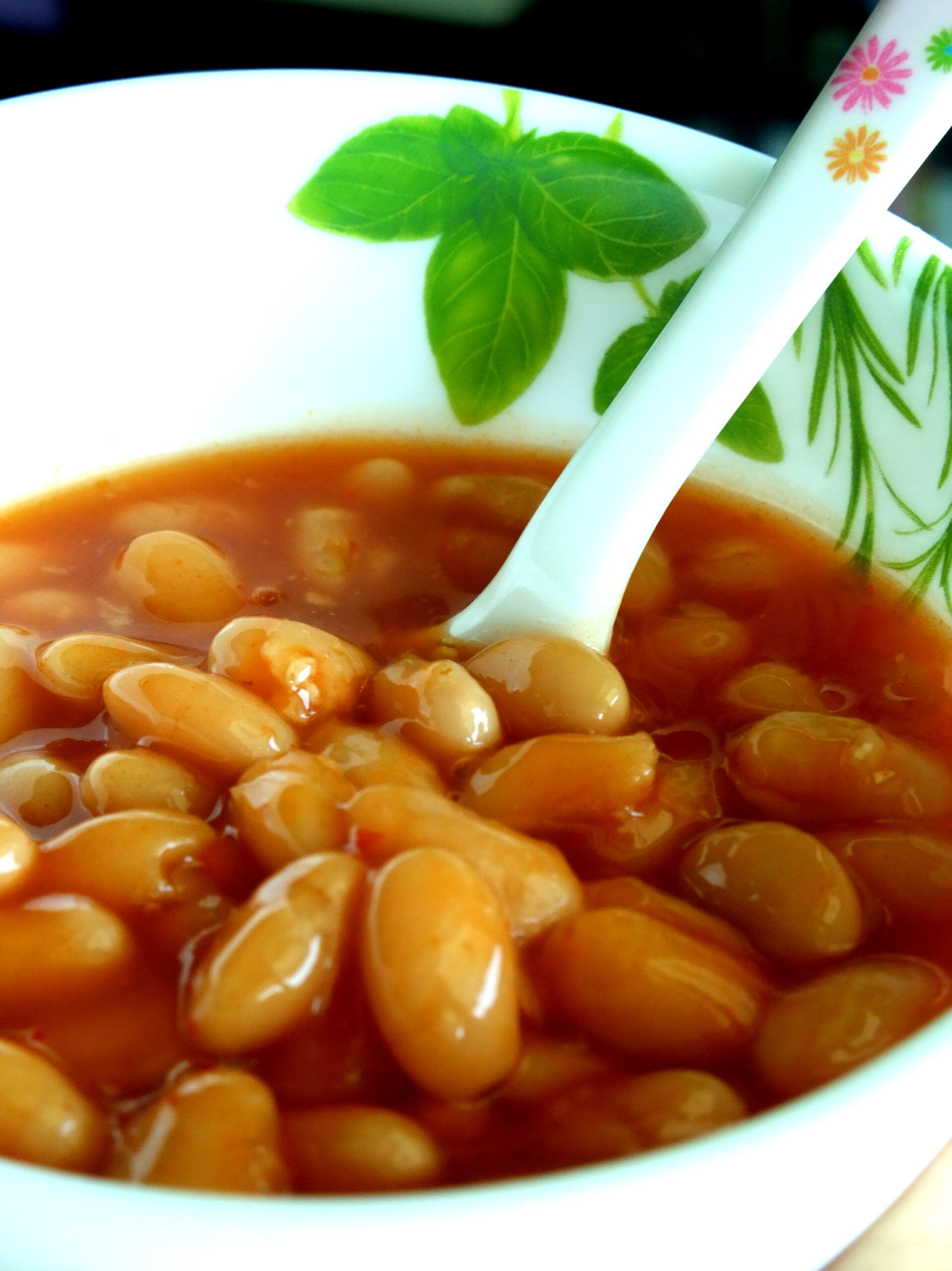
Good baked beans reward patience at every stage. Start by soaking the dried beans for at least 8 hours, then simmer them until they are just beginning to soften. If they go into the oven still too firm, they may never become properly creamy.
Layer the beans in a Dutch oven or bean pot with diced salt pork and onion. Stir together maple syrup, mustard, pepper, and enough hot water to cover the beans by about ½ inch. Some traditional cooks tuck a slab of pork on top so it bastes the pot as it cooks.
Bake at a low temperature, around 300°F, for 5 to 7 hours, checking occasionally to add more hot water if the beans look dry. The finished texture should be lush and spoonable, not soupy. Let the pot rest before serving so the sauce thickens naturally.
What to serve with fèves au lard
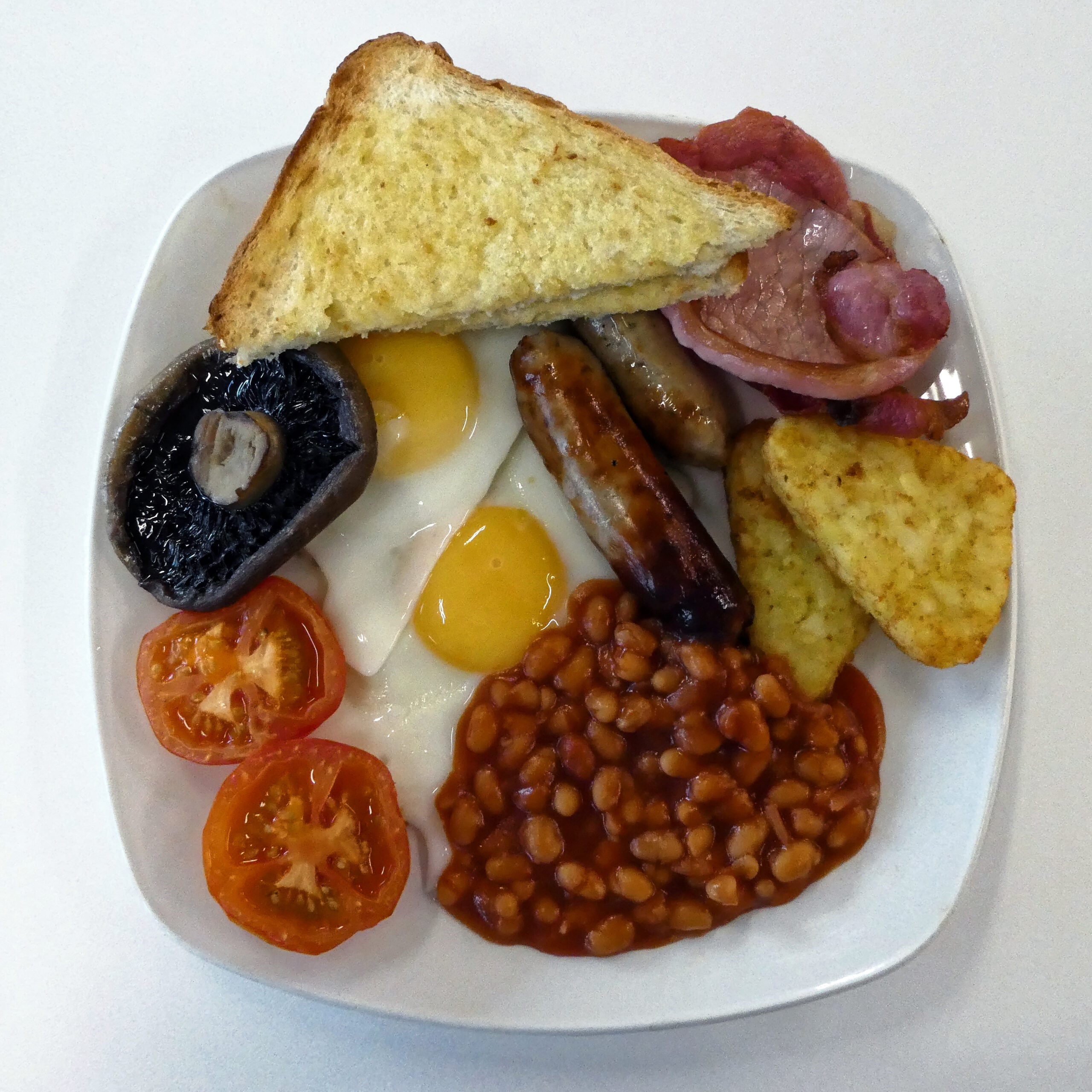
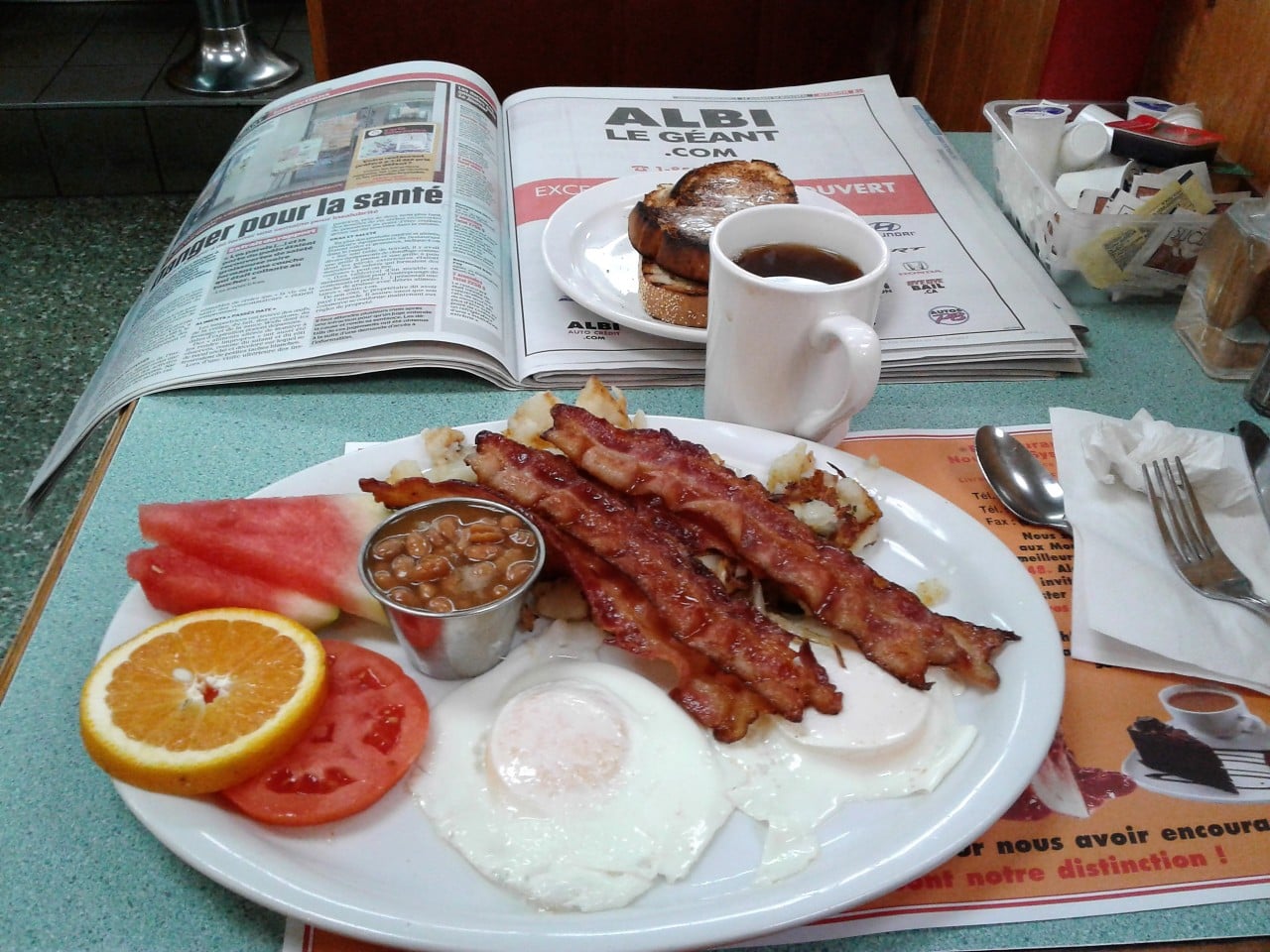
This dish shines because it can move between meals with ease. At breakfast, fèves au lard pairs beautifully with toast, fried eggs, and crisp potatoes. The sweet-savory depth of the beans anchors the plate without making it feel heavy.
At lunch or supper, it works beside tourtière, ham, sausages, or thick slices of crusty bread. Pickles and sharp mustard are common companions because acidity cuts through the richness. In sugar shack meals, the beans often sit among omelets, meat pies, and maple-glazed staples.
Leftovers may be even better the next day. As the beans rest, the flavors settle and deepen, which is why many experienced cooks prepare them ahead. Reheated gently, they become an easy, deeply satisfying meal with almost no extra effort.
Why this classic dish deserves a comeback
Modern cooking often celebrates speed, but fèves au lard makes a strong case for slowing down. Its appeal lies in transformation: cheap, dry beans become tender and fragrant through careful heat and time. That kind of cooking teaches patience in a useful, edible way.
It also fits current interest in traditional foods and economical home meals. Dried beans remain affordable, protein-rich, and shelf-stable, while maple syrup offers flavor with strong regional character. For households trying to cook more from scratch, this recipe checks every box.
Most important, the dish still delivers genuine comfort. It tastes rustic, generous, and rooted in place, the kind of food people remember long after the meal ends. Cooked properly, fèves au lard is not merely an old recipe. It is living culinary heritage.


Leave a Reply