
Some food debates fade. This one has only grown louder with time.
The dish at the center of the fight
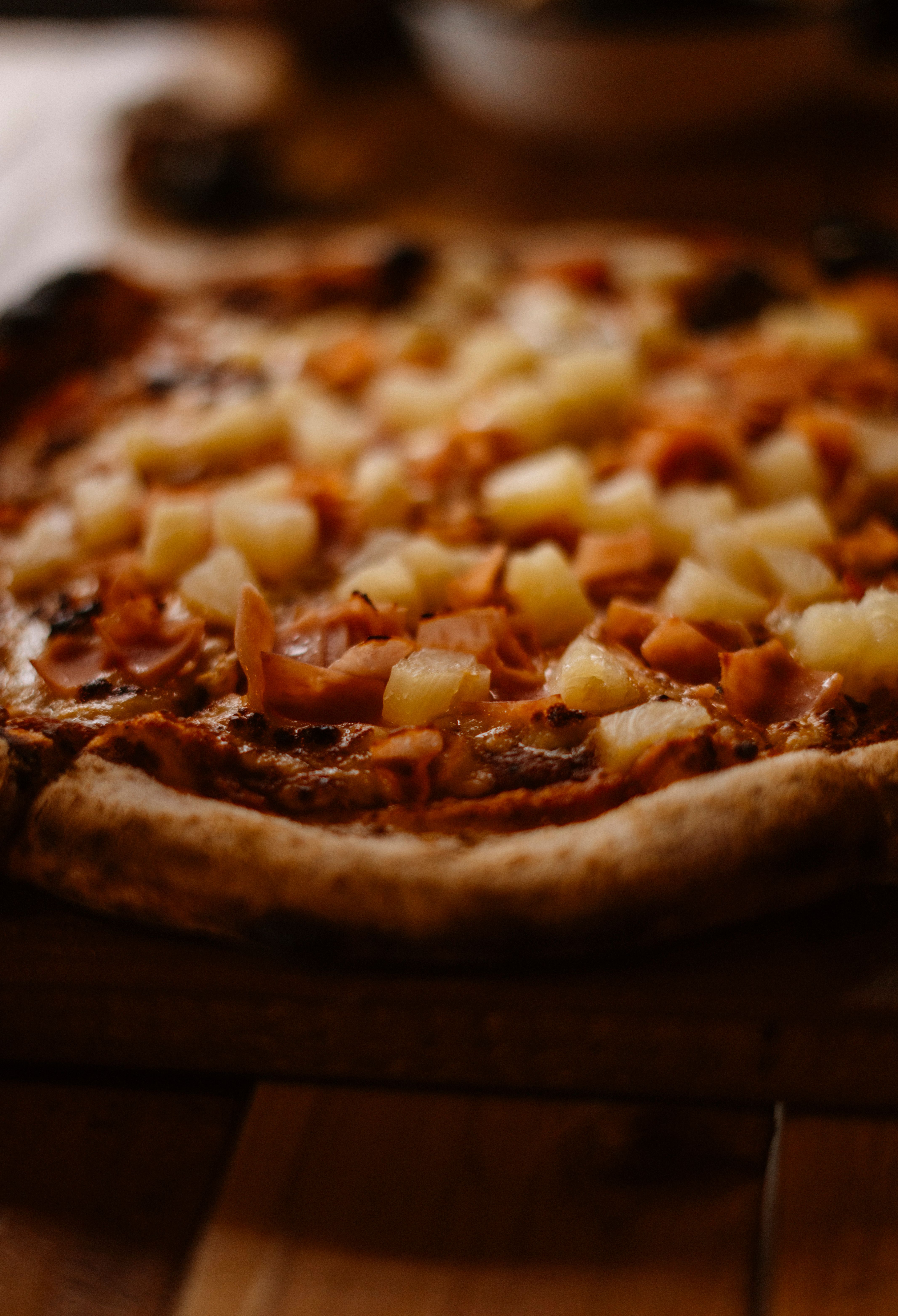
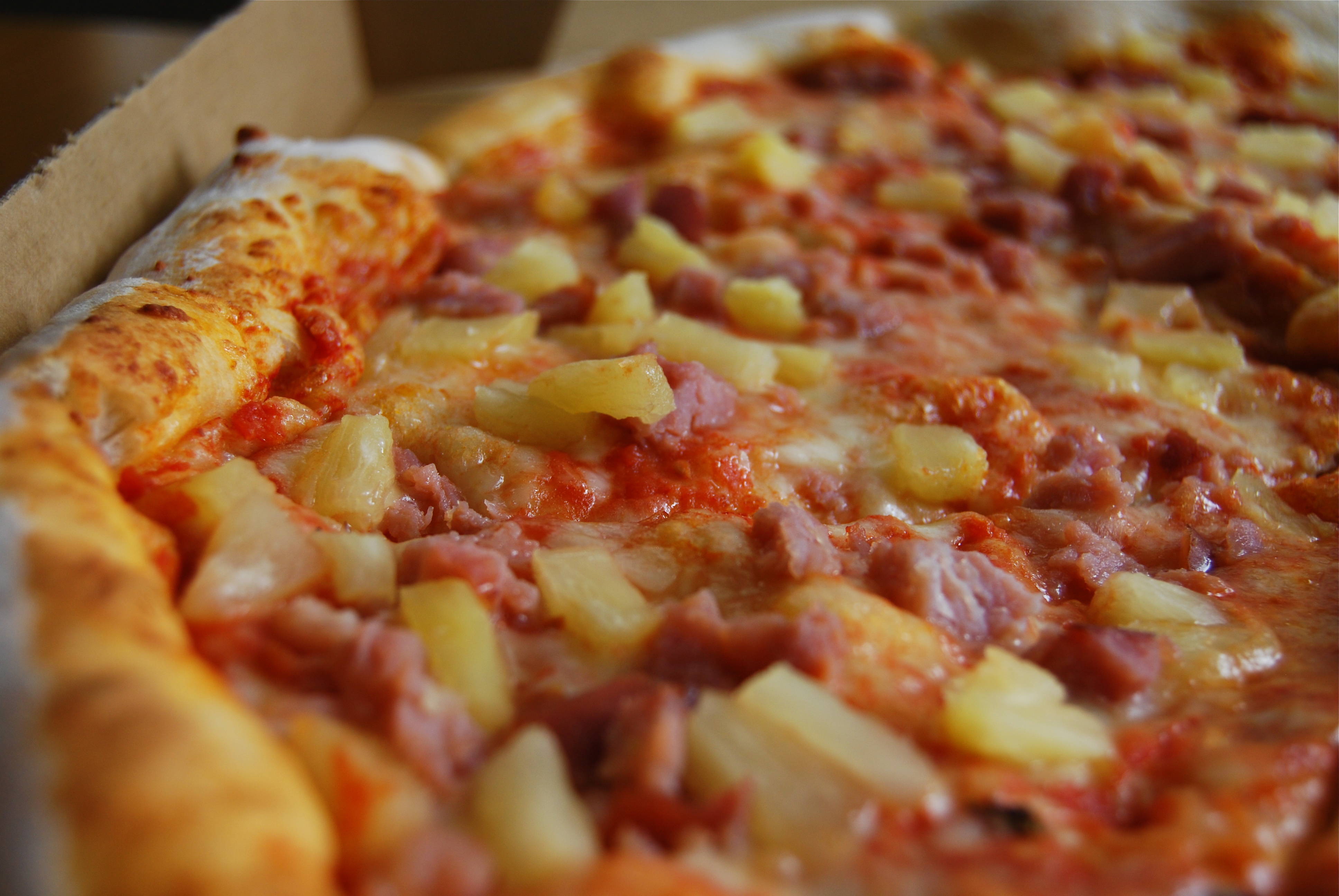
At the heart of the Ontario-Quebec rivalry is Hawaiian pizza, the sweet-and-savory pie topped with ham and canned pineapple that has inspired unusual passion for more than four decades. It is one of those dishes people either defend fiercely or reject on sight. That emotional split has helped keep the origin story in the public eye.
The most widely repeated version credits Sam Panopoulos, a Greek immigrant who operated the Satellite Restaurant in Chatham, Ontario, in the early 1960s. Panopoulos said he and his brothers experimented with toppings after seeing how Chinese cuisine balanced sweet and salty flavors. Pineapple from a can labeled "Hawaiian" gave the pizza both its name and its signature twist.
Yet Quebec has long hovered in the background of the story because pizza topped with pineapple appeared in parts of the province early enough to raise doubts about a single clear inventor. Menus, local memories, and regional restaurant traditions have fed the suspicion that Ontario may have popularized the dish, while Quebec may have shaped or served similar combinations around the same time.
Why Ontario believes the case is closed
Ontario's claim rests on a simple advantage: it has a named inventor, a place, and a date that can be repeated easily. Chatham boosters, food writers, and Canadian media have regularly pointed to the Satellite Restaurant as the birthplace of Hawaiian pizza. That kind of tidy narrative is powerful because it is easy for the public to remember.
Panopoulos spent years telling the story himself, and his account remained consistent. He described pizza in the early 1960s as a fairly limited product, usually topped with mushrooms, bacon, or pepperoni. Adding pineapple was meant to shake things up, not launch a cultural war. According to interviews he gave over the years, customers responded well enough that the pizza stayed on the menu.
Ontario also benefits from the broader historical record. Panopoulos became internationally associated with the dish, especially after global arguments over pineapple on pizza turned into a recurring internet spectacle. Once that happened, the province's claim gained a second life. A local invention had become a worldwide talking point, and Ontario was happy to keep the credit.
Why Quebec refuses to give up its side
Quebec's argument is less about one famous restaurateur and more about culinary context. By the 1960s and 1970s, the province had a lively pizza and casse-croûte culture shaped by immigrant cooking, regional adaptation, and a willingness to pile unexpected ingredients onto familiar bases. In that environment, pineapple on pizza did not seem as outlandish as later purists would claim.
Supporters of the Quebec side often point to old restaurant menus and anecdotal evidence suggesting that ham-and-pineapple pizzas circulated there early, sometimes under different names. That does not automatically prove first invention. It does, however, complicate the cleaner Ontario story by showing that food ideas rarely emerge in perfect isolation.
There is also a deeper cultural reason the province keeps contesting the claim. Quebec has long defended its distinct food identity, from poutine and tourtière to maple-driven desserts and snack-bar classics. Letting another province hold uncontested title over a dish that became part of everyday Canadian restaurant life was never likely to sit comfortably, especially when the paper trail remains incomplete.
The real problem with proving food origins
Food history is rarely as neat as patriotic storytelling makes it sound. Dishes often evolve through trial, imitation, and adaptation across multiple kitchens at once. A cook may introduce an idea, another may rename it, and a third may popularize it widely enough to enter the historical record. That makes the word "invented" harder to pin down than people expect.
In the case of Hawaiian pizza, one challenge is the weakness of surviving documentation. Small restaurants did not always preserve menus, invoices, or promotional materials. Oral testimony matters, but it can also blur with time. Memories sharpen around pride, especially when a local legend starts attracting national attention.
Another issue is definition. Are historians trying to identify the first pizza ever topped with pineapple, the first one called Hawaiian pizza, or the first one sold successfully to the public? Those are three different claims. Until everyone agrees on the question, nobody can fully win the argument.
How the controversy became part of Canadian culture
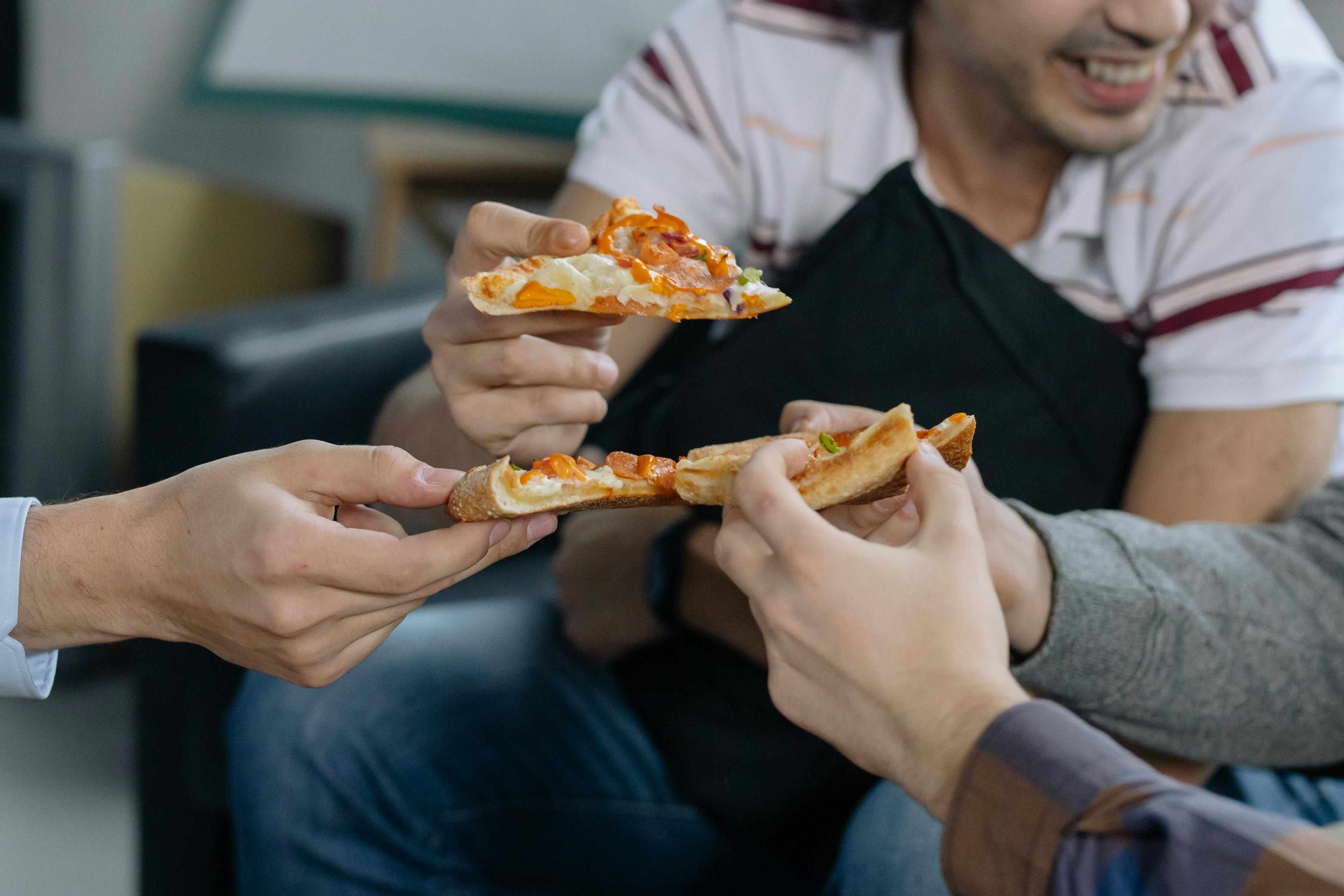
What began as a regional food question eventually turned into a national character piece. Hawaiian pizza is now bound up with the Canadian habit of treating food with both seriousness and humor. Politicians, chefs, and commentators have all weighed in at different times, often using the debate as a shorthand for regional pride and culinary openness.
The dish also survived because it remained commercially successful. Major chains kept it on menus, independent pizzerias remixed it, and households made their own versions. Every sale kept the origin debate alive. A disputed dish that nobody eats does not last long in public memory, but one that keeps showing up at parties, school events, and takeout counters absolutely does.
Its global spread added another layer. Outside Canada, many people know Hawaiian pizza without knowing anything about Chatham or Quebec restaurant culture. That gap has made Canadians even more eager to claim ownership. When a local creation becomes international, identity and bragging rights become part of the recipe.
So who actually has the stronger claim?
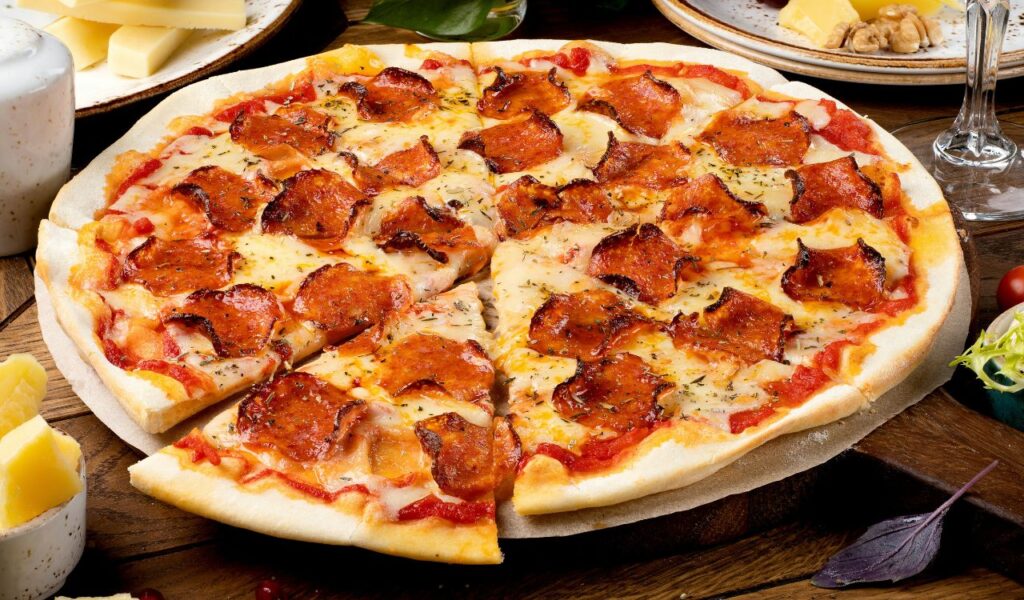
On the strongest available evidence, Ontario still holds the clearer claim because Sam Panopoulos offered the best documented, most widely corroborated origin story. He had a restaurant, a timeline, and a plausible explanation for the name. In historical disputes, that usually matters more than scattered recollections, even when those recollections raise legitimate questions.
Still, Quebec's challenge is not baseless. It highlights how restaurant culture works in practice: ideas travel quickly, names shift, and local traditions can predate the records that survive. Quebec may not have produced the best-known inventor, but it may well have been an early incubator for the style, helping normalize the combination in Canadian dining.
That is why the argument has lasted 40 years and shows no sign of ending. Ontario has the sharper story. Quebec has enough ambiguity on its side to keep pushing back. In food history, that is often the closest thing to a draw.


Leave a Reply