
Most shoppers notice the total at checkout before they notice the policy behind it. But this month, tariffs are becoming part of the produce story in a very real way.
Why Canadian trade matters in the produce aisle
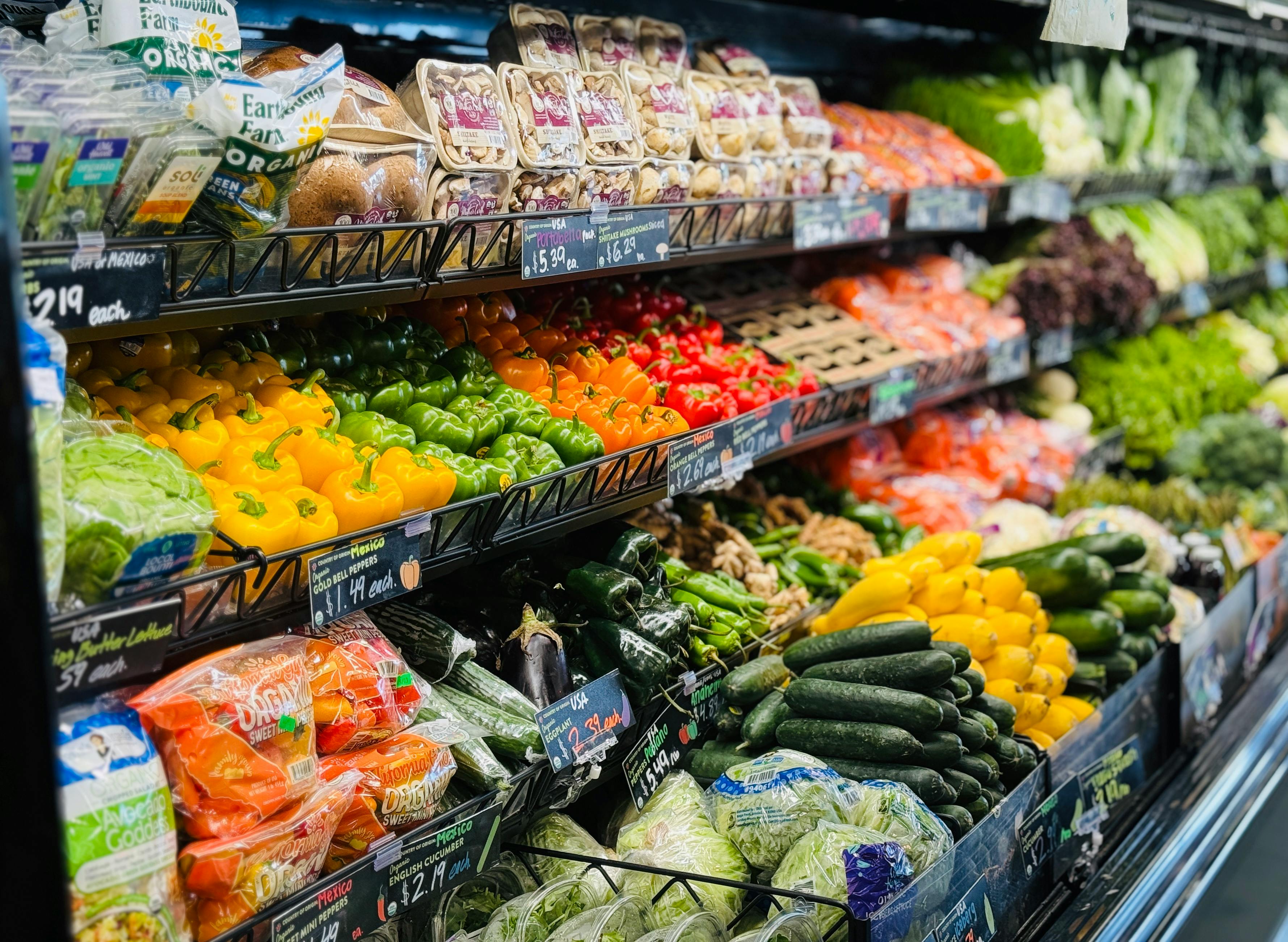
Canada is one of the United States' biggest trading partners, and that relationship touches far more than cars, fuel, or dairy. In grocery retail, cross-border trade helps keep shelves stocked with a steady flow of food, especially in regions that rely on integrated North American supply chains.
Even when a tariff does not target every fruit or vegetable directly, it can still raise produce costs indirectly. Importers, distributors, and retailers often share trucking, warehousing, packaging, and labor systems across categories, so new costs in one part of the supply chain can spill into another.
That is why economists warn against looking only for a simple one-to-one price jump on a single item. According to Tyler Schipper of the University of St. Thomas, the current tariff environment is difficult to untangle because several price pressures are moving at once.
The price increase may arrive quietly, not all at once
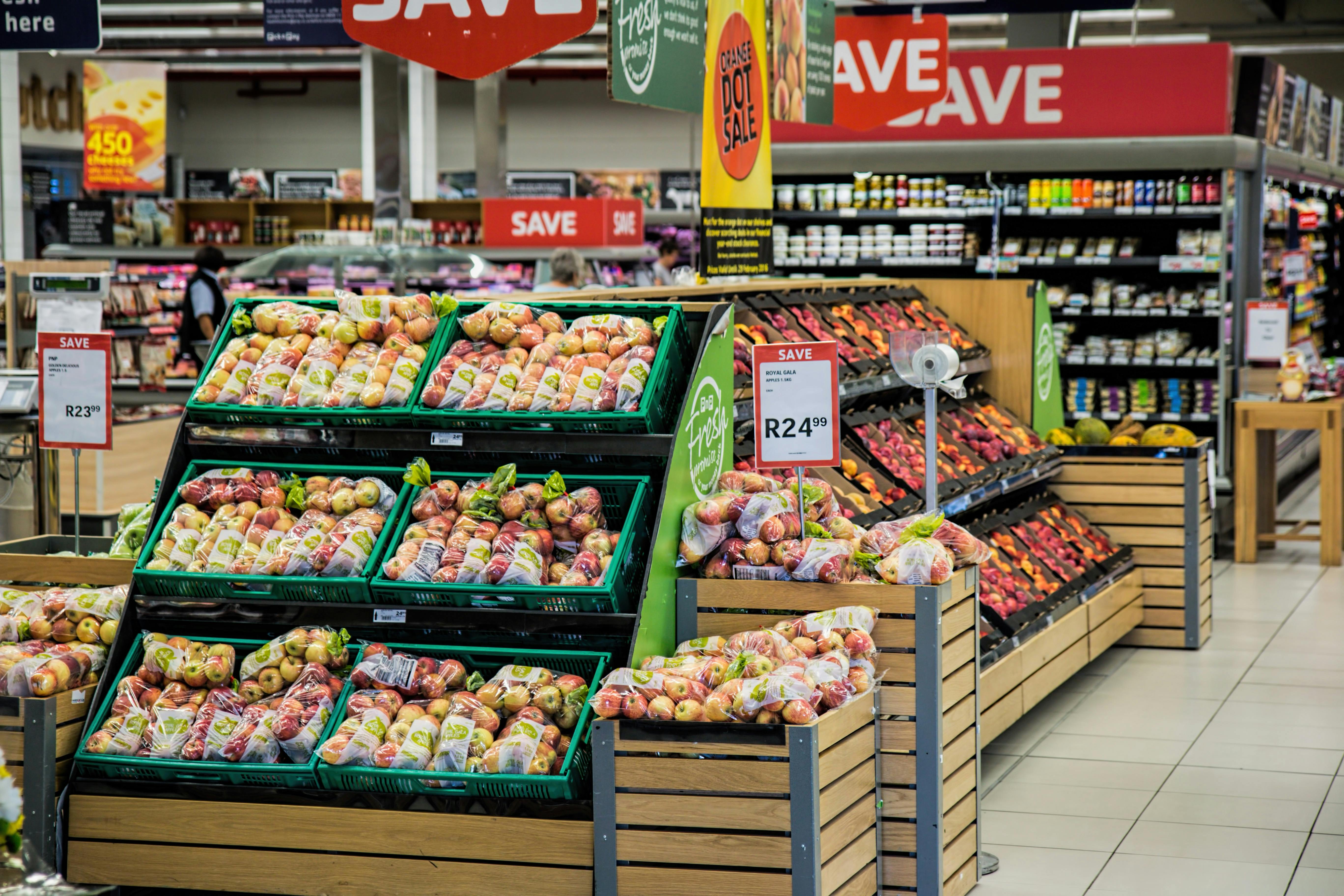
Tariffs rarely show up on a receipt as a separate line. Instead, they tend to work their way through wholesale contracts, transportation invoices, supplier negotiations, and promotional pricing calendars before a shopper sees a higher shelf tag.
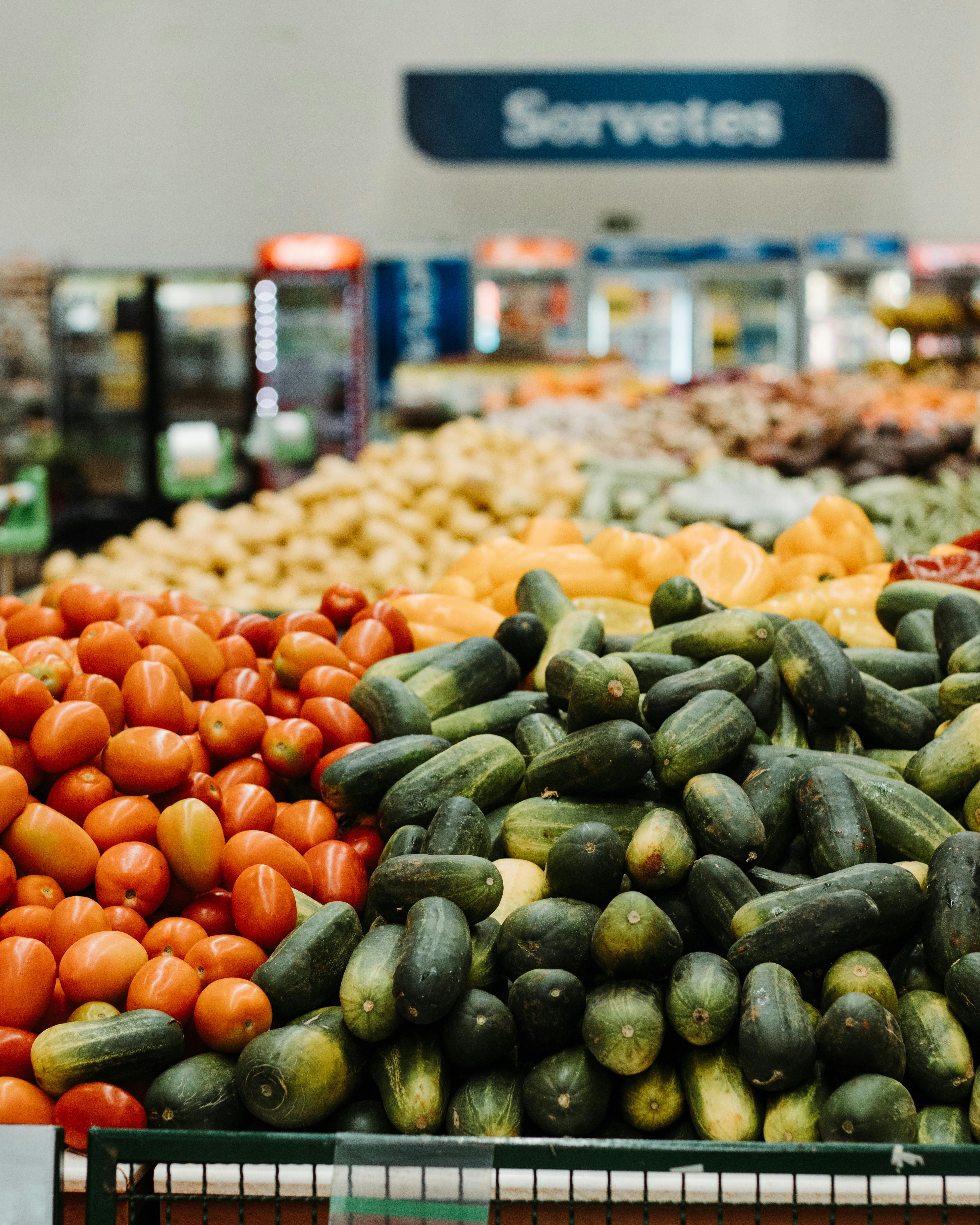
That slow pass-through matters because it makes the impact feel confusing. A tomato, cucumber, or bag of peppers may not jump overnight, but weekly specials can shrink, package sizes can change, and regular prices can edge higher over several shopping trips.
Retailers also react differently depending on scale. A national chain may absorb some cost temporarily to stay competitive, while an independent grocer with thinner margins may have less room to shield customers from new trade-related expenses.
Produce prices are being shaped by more than tariffs alone
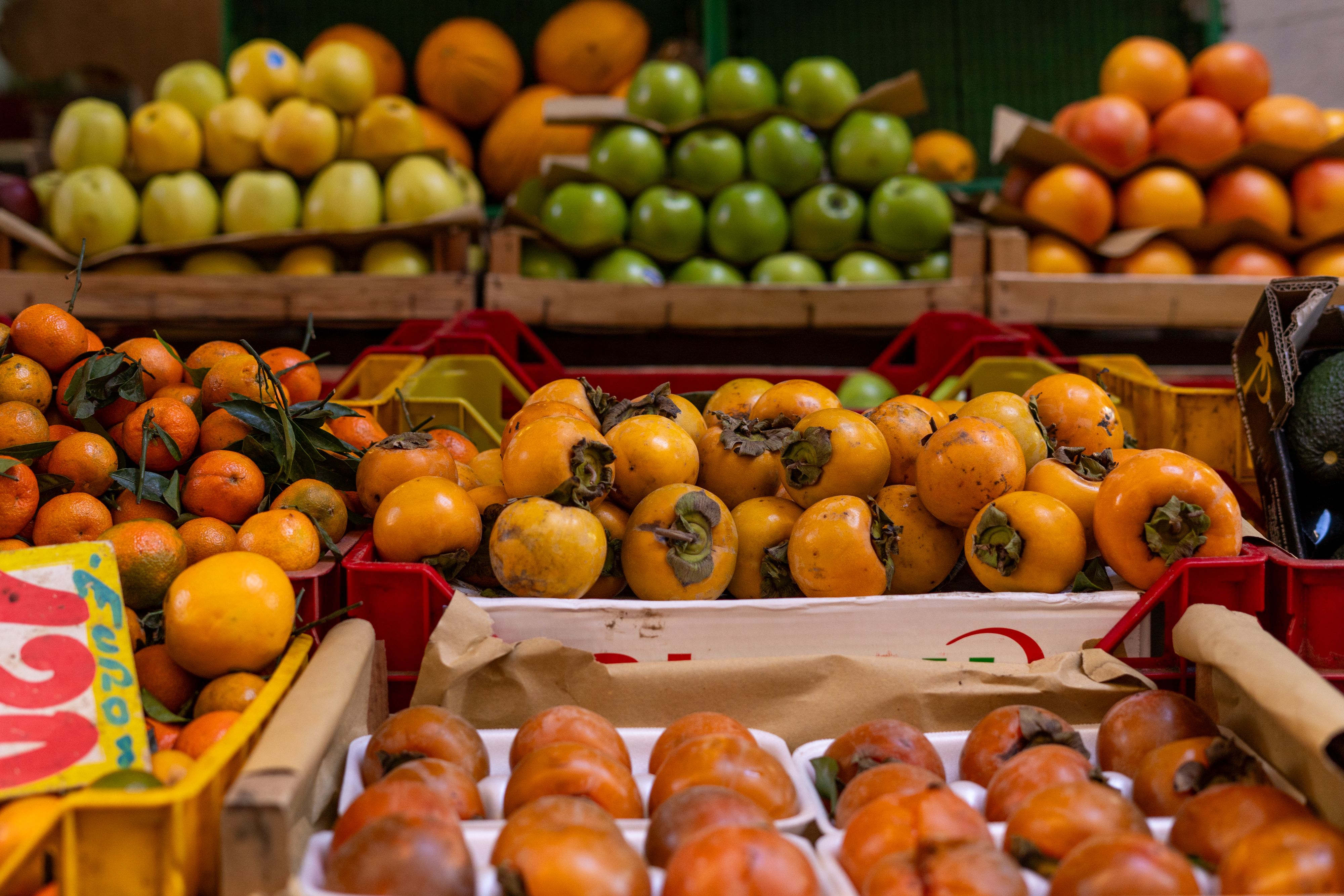
Tariffs are landing in an economy that already has plenty of moving parts. Inflation has cooled from earlier highs, with recent Consumer Price Index data showing progress, but grocery pricing remains sensitive because food businesses are still dealing with labor, freight, and packaging costs.
Seasonality also matters. If weather disruptions affect harvests in one region while tariffs raise import costs elsewhere, prices can move more sharply because buyers have fewer affordable alternatives available at the same time.
Currency swings add another layer. When exchange rates move against importers, Canadian goods can become more expensive even before any tariff is applied, creating a stacked effect that shoppers experience as a simple but frustrating rise in weekly food bills.
What shoppers are most likely to notice this month
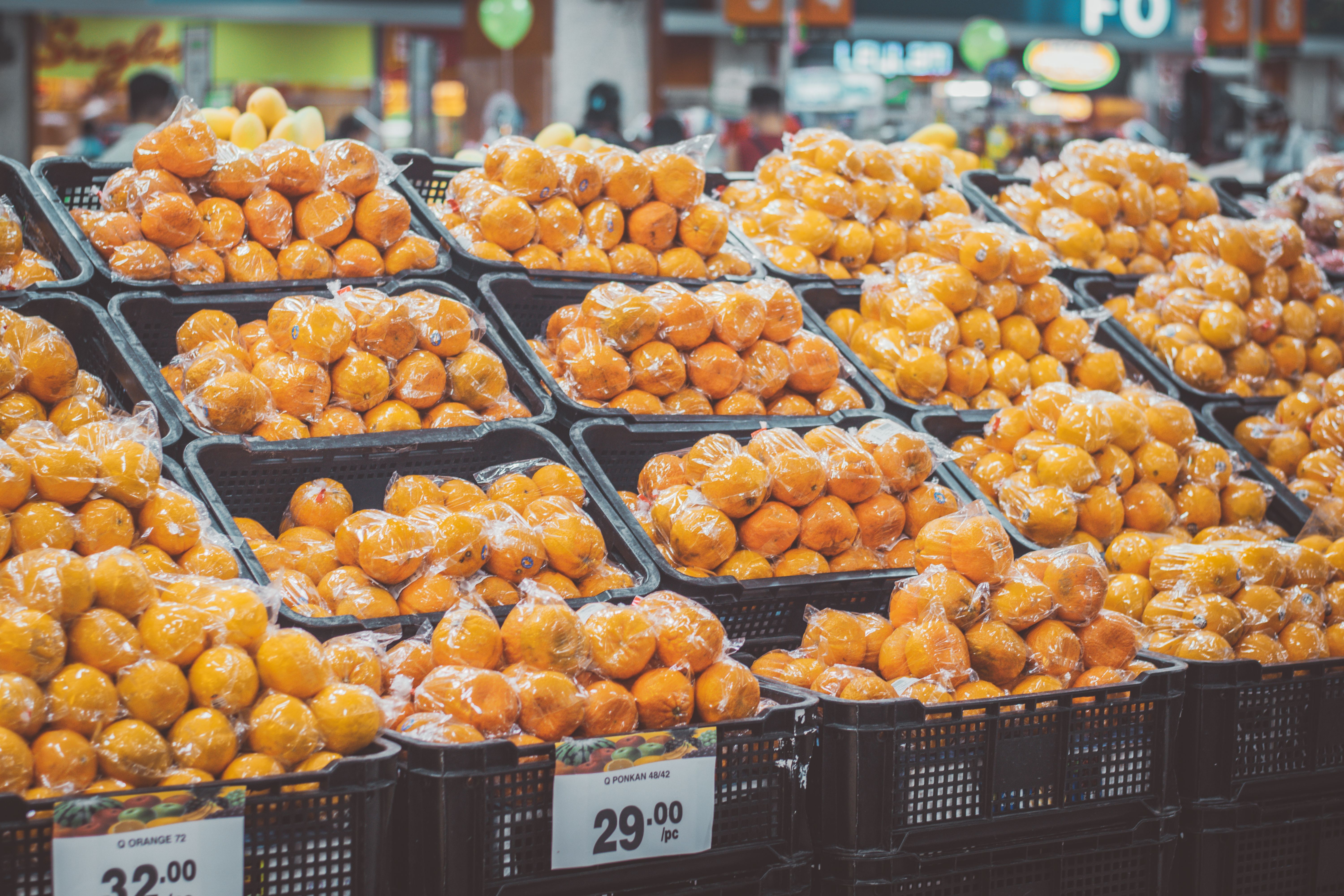
The most obvious change may not be an extreme spike on one item, but a more general loss of value across the produce department. Shoppers could see fewer buy-one-get-one promotions, higher prices on premium imported items, and less flexibility in lower-cost substitutes.
Stores may also lean harder on domestic sourcing when possible. That can help soften the blow, but it does not eliminate it, especially when U.S. and Canadian supply networks are closely linked or when domestic harvests are not yet at peak volume.
In practical terms, households may feel the difference through repeated small increases. An extra 25¢ on greens, 40¢ on berries, and 60¢ on peppers may not sound dramatic individually, but across a month they noticeably raise the cost of eating fresh food.
Why some regions and stores will feel it more than others
Border proximity, distribution routes, and existing supplier relationships all influence how tariffs translate into store prices. Grocers in northern states or markets with strong Canadian sourcing may feel the effect sooner than stores with broader access to U.S., Mexican, or overseas produce channels.
Local competition matters too. In areas where shoppers can easily switch between several chains, retailers may delay full price increases to protect foot traffic. In smaller markets, stores often have less bargaining power and fewer sourcing alternatives.
Consumer perception plays a role as well. If shoppers already believe groceries are getting harder to afford, even modest increases can change buying behavior quickly, pushing people toward frozen, canned, or lower-margin fresh items that seem safer for the budget.
What this means for household budgets going forward

The bigger issue is not simply whether one tariff raises one produce price this week. It is that trade policy is adding another layer of uncertainty to a food system that is already strained by inflation fatigue, unpredictable weather, and constant supply-chain adjustments.
That uncertainty makes budgeting harder for families and planning harder for retailers. Businesses do not always know whether to lock in supply, pass through costs, or wait for policy changes, and consumers are left navigating prices that feel inconsistent from one trip to the next.
For now, the clearest expectation is gradual pressure rather than immediate shock. Canadian produce and produce-adjacent supply costs are likely to keep filtering through stores quietly, making fresh food just a little more expensive than many shoppers expected this month.




Leave a Reply