
Nestlé USA has finished a major recipe overhaul. The company says every food and beverage product in its U.S. portfolio is now free of certified artificial colors.
A Milestone Years in the Making

This announcement marks the completion of a pledge Nestlé USA made in June 2025, when it said more than 90% of its domestic portfolio was already free of synthetic dyes. The company committed to reformulating the remaining products by mid-2026, and it now says that goal has been met.
According to the company, the work required more than simply swapping one ingredient for another. Artificial colors often influence not just appearance, but also shelf appeal, consumer recognition, and consistency from batch to batch. Removing them without changing the eating or drinking experience is a technical challenge for any major manufacturer.
Marty Thompson, CEO of Nestlé USA, described the effort as the result of years of gradual progress. His framing matters because large food portfolios include everything from powdered drinks to frozen meals and foodservice products, each with distinct formulation, sourcing, and quality-control demands.
How Nestlé Reformulated Key Products

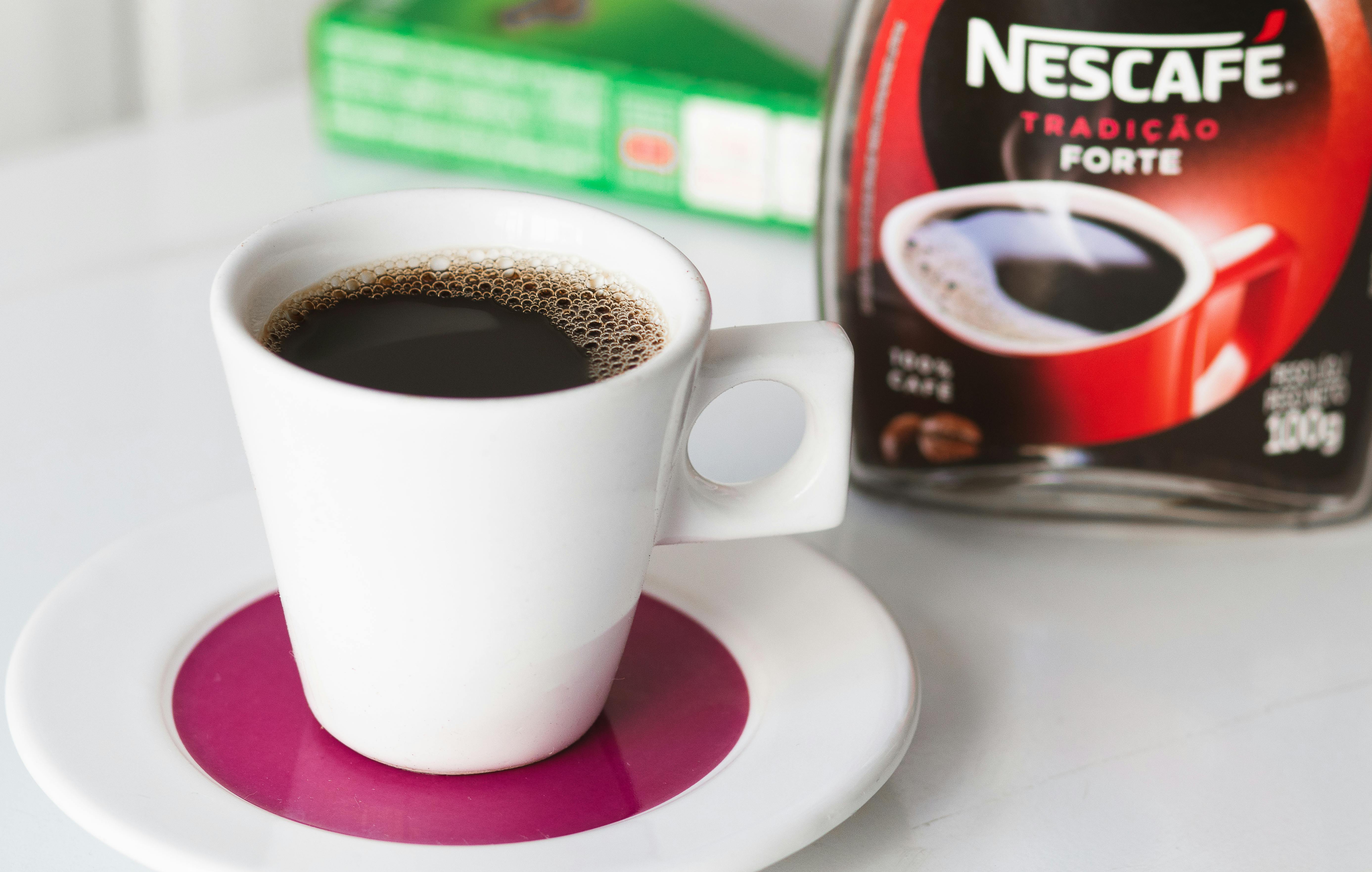
One of the clearest examples is Nesquik, a brand closely associated with bright, familiar flavors and colors. Nestlé said its team quickly reformulated strawberry-flavored Nesquik products using colors from natural sources, showing how the company approached high-visibility products first.
The company also highlighted its Nestlé Vitality business, which serves foodservice channels. In just five months, employees transitioned more than 20 beverage offerings to natural color sources, a notable pace given that foodservice products must perform reliably across schools, healthcare sites, and other institutional settings.
These examples show that reformulation is rarely one-size-fits-all. Natural color alternatives can come from fruits, vegetables, or other plant-based sources, but they behave differently under heat, light, and storage conditions. That means R&D teams must balance appearance, flavor stability, and cost before a revised product reaches store shelves.
Why the Industry Is Moving Now

Nestlé's decision did not happen in isolation. It came during a broader push by major packaged food companies to remove synthetic dyes as scrutiny intensified from the White House and from Health and Human Services Secretary Robert F. Kennedy Jr., according to Food Dive.
Other large manufacturers, including General Mills, Kraft Heinz, and The Campbell's Company, have made similar commitments. At the retail level, pressure has also grown, with chains such as Target moving to limit the sale of some cereals containing synthetic colors.
This combination of government attention, retailer action, and consumer awareness has changed the business calculus. Artificial dyes were once treated as routine formulation tools, but now they are increasingly seen as ingredients that can undermine brand trust, especially among shoppers who closely read labels.
What Consumers Are Really Asking For
At its core, this shift is about expectations. Many consumers are not demanding that every product become austere or niche, but they are asking mainstream brands to offer familiar foods made with ingredients they better understand.
Nestlé USA has linked the color removal effort to broader changes it has made over the past decade. The company says it has simplified recipes, improved ingredient transparency, and expanded its range across different tastes, nutritional needs, convenience preferences, and price points.
That strategy aligns with larger market trends. Shoppers increasingly reward products that signal clarity and restraint, whether through cleaner labels, lower sugar, or fewer controversial additives. Even when taste remains the top purchase driver, ingredient perception often determines whether a product makes it into the shopping cart in the first place.
The Bigger Clean-Label Strategy at Nestlé
Removing artificial colors is only one part of Nestlé USA's larger portfolio reset. The company says it has also reduced sugar where possible and now uses high-fructose corn syrup in less than 1% of its products, a figure meant to underscore how far its formulations have shifted.
Nestlé has also emphasized growth in products that fit clean-label preferences, such as Natural Bliss dairy creamers. At the same time, it is introducing newer offerings aimed at emerging consumer needs, including Vital Pursuit, a line designed for people using GLP-1 medications.
This matters because food companies are no longer judged only on taste or price. They are increasingly measured on whether they can respond quickly to health trends, ingredient concerns, and changing household routines without making products feel unfamiliar or compromised.
What This Means for the Food Business
For Nestlé USA, completing this transition strengthens its position with consumers who want reassurance from major household brands. Reformulated products are already reaching shelves, and the company is signaling that cleaner ingredient standards can coexist with scale and broad distribution.
For the wider industry, the message is equally clear. Large manufacturers can no longer treat recipe modernization as optional or slow-moving when public pressure, retailer standards, and shopper expectations are all evolving at once.
Nestlé's move also shows that ingredient changes are now part of competitive strategy, not just compliance. Companies that adapt early may gain credibility, while those that hesitate risk appearing out of step with a market that increasingly connects food quality with transparency and trust.


Leave a Reply