
It felt permanent until it suddenly wasn't. For many shoppers, Mother's Pizza was as much a part of the mall as the food court, the fountain, and the Saturday crowd.
A chain that became part of mall culture
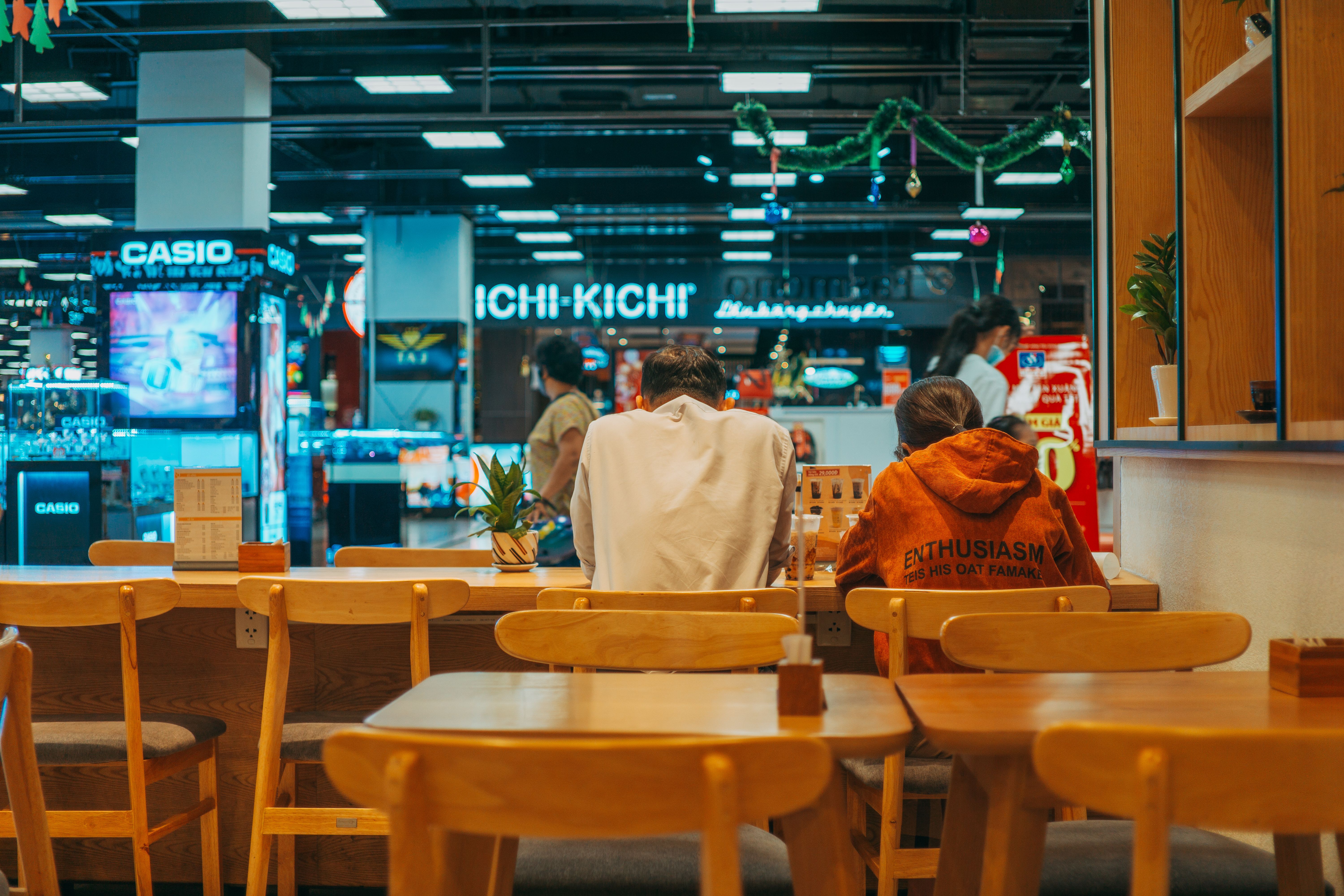
Mother's Pizza built its identity around a simple promise: casual, family-friendly dining with pizza, pasta, and comfort-food appeal. In Canada, especially in Ontario, it became a familiar stop for birthday dinners, shopping breaks, and easy weeknight meals.
Its success was tied to timing as much as menu. Through the late 1970s, 1980s, and into the 1990s, enclosed malls were still social hubs, and chain restaurants benefited from constant foot traffic. A place like Mother's did not need to be trendy if it was reliable, visible, and easy for groups.
The brand's red-checkered, old-world Italian styling was instantly recognizable. It gave customers a cozy, almost nostalgic atmosphere, even when the restaurant sat steps away from department stores and arcade machines.
That mattered more than it might seem now. Before online shopping and app-based delivery changed eating habits, a restaurant inside or near a mall had a built-in audience looking for convenience and familiarity.
Why it felt bigger than it really was

Memory has a way of turning regional chains into national institutions. Mother's Pizza was never as dominant as McDonald's or Pizza Hut, yet for many people in the markets where it thrived, it felt unavoidable.
That impression came from concentration. When a chain places units in busy suburban corridors, shopping centres, and family retail zones, it can seem to be everywhere at once. A generation growing up around those locations naturally assumed the brand was much larger than it may have been on paper.
The menu also helped the chain feel substantial. It was not just a quick slice counter. It offered full-table service, baked pasta, salads, and the kind of broad, approachable choices that made it work for parents, kids, and mixed groups.
In that way, Mother's occupied a middle space between fast food and a more formal sit-down restaurant. That positioning once gave it strength, but it also left the company vulnerable when the market around it started to shift.
The restaurant business changed faster than the chain did
One reason chains disappear quietly is that decline rarely happens in one dramatic moment. It usually comes through years of pressure from rising rents, tougher labor costs, aging dining rooms, and new competition.
By the 1990s and early 2000s, pizza had become a more crowded business. Delivery specialists, discount operators, and national brands fought hard on price and speed. At the same time, newer casual dining chains updated their interiors, sharpened branding, and marketed more aggressively to younger families.
Mother's Pizza appeared increasingly rooted in an earlier era. What once read as comforting could start to feel dated if stores were not renovated often enough and menus were not refreshed with changing tastes in mind.
This is a common pattern in restaurant history. Chains that succeed in one retail generation often struggle in the next if they cannot finance reinvestment fast enough or redefine what made them special.
The mall itself stopped being a guarantee
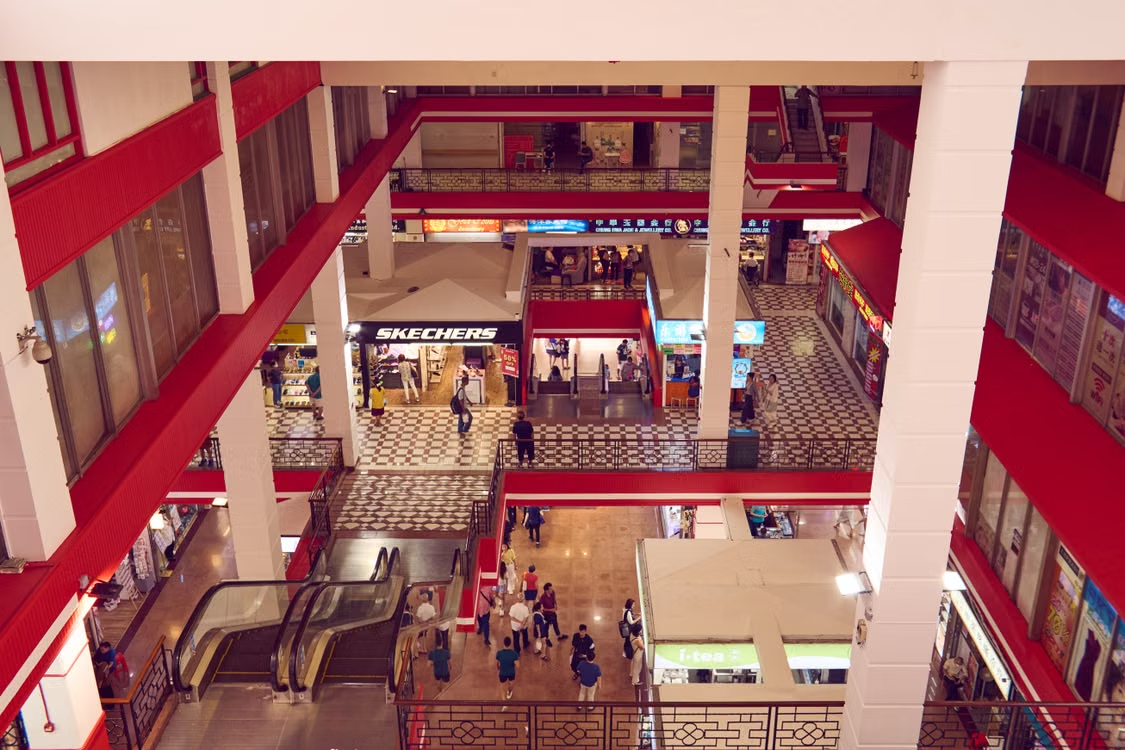
The fate of Mother's Pizza is also tied to the fading power of the mall. In the 1980s and 1990s, malls functioned as community gathering places. Restaurants inside them benefited from moviegoers, department store shoppers, and families spending entire afternoons indoors.
As retail patterns changed, that dependable stream weakened. Big-box power centres pulled shoppers elsewhere, downtown dining districts grew stronger in some cities, and e-commerce slowly reduced mall visits. When anchor stores began closing, adjacent restaurants often lost traffic immediately.
A chain closely linked to mall culture can suffer disproportionately in that environment. Even a decent restaurant can struggle if the real estate around it no longer delivers the same volume of casual diners.
That helps explain why some once-common names did not collapse in headline-grabbing fashion. They simply lost relevance one lease, one location, and one neighborhood at a time.
Why almost no one noticed it was gone
Consumers usually notice spectacular failures, not quiet retreats. When a giant chain files for bankruptcy, closes hundreds of stores at once, or becomes a national news story, the disappearance feels major.
Mother's Pizza seems to have faded more softly in public memory. Locations closed over time, and many customers likely assumed their neighborhood branch had merely moved, been renovated into another concept, or been replaced by the next tenant in a fast-changing plaza.
There is also a generational factor. People who grew up with the brand remember it vividly, but younger diners never built a connection to it. Without social media nostalgia during its decline years, there was less collective attention on what was being lost.
That is why the chain now lives mostly in local memory, old photographs, and conversations that start with disbelief: wait, there used to be a Mother's Pizza there.
The real lesson behind its disappearance

The story of Mother's Pizza is not just about one chain. It is about how ordinary institutions vanish when the habits supporting them disappear first. Familiarity can mask fragility for years.
Restaurants tied too closely to one style of retail, one kind of family outing, or one generation's taste often seem stable until the ground shifts underneath them. By the time the public notices, the decline is usually long underway.
There is also something revealing in the chain's afterlife. People do not remember Mother's Pizza because it was the most innovative restaurant of its time. They remember it because it was woven into routine life, and routine is often what nostalgia protects best.
In the end, its quiet exit makes sense. The mall changed, dining changed, and the culture that once made Mother's feel permanent moved on without announcing the farewell.


Leave a Reply