
Maple syrup feels timeless in Canada. In truth, its story begins long before the country itself existed.
Indigenous knowledge came first
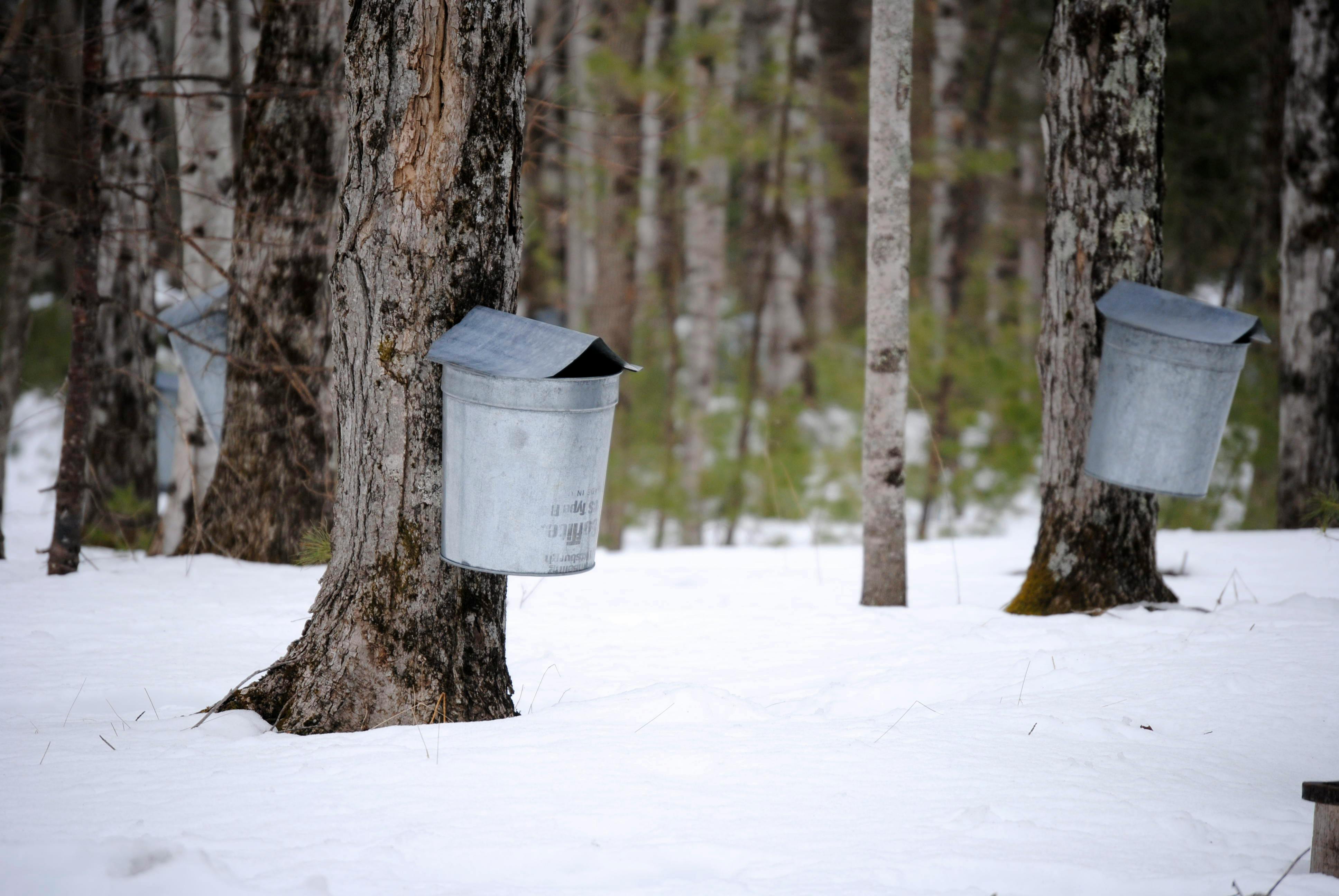
The earliest maple syrup traditions belong to Indigenous peoples of northeastern North America, including Anishinaabe, Haudenosaunee, Mi'kmaq, Abenaki, and Algonquin communities. They understood the seasonal rhythm of late winter and early spring, when nights stayed cold and days rose above freezing, creating the pressure that makes sap flow.
Oral histories from several nations describe maple as a gift, not merely a resource. In some stories, sap once flowed thick and sweet from trees until a culture hero diluted it, teaching people that worthwhile food required work, skill, and gratitude.
Before metal kettles existed, Indigenous producers used cuts in the bark and wooden spiles to guide sap into birch-bark or carved wooden containers. To concentrate it, they often dropped heated stones into the liquid or let water freeze and removed the ice, raising the sugar content before boiling.
Europeans learned from Indigenous producers
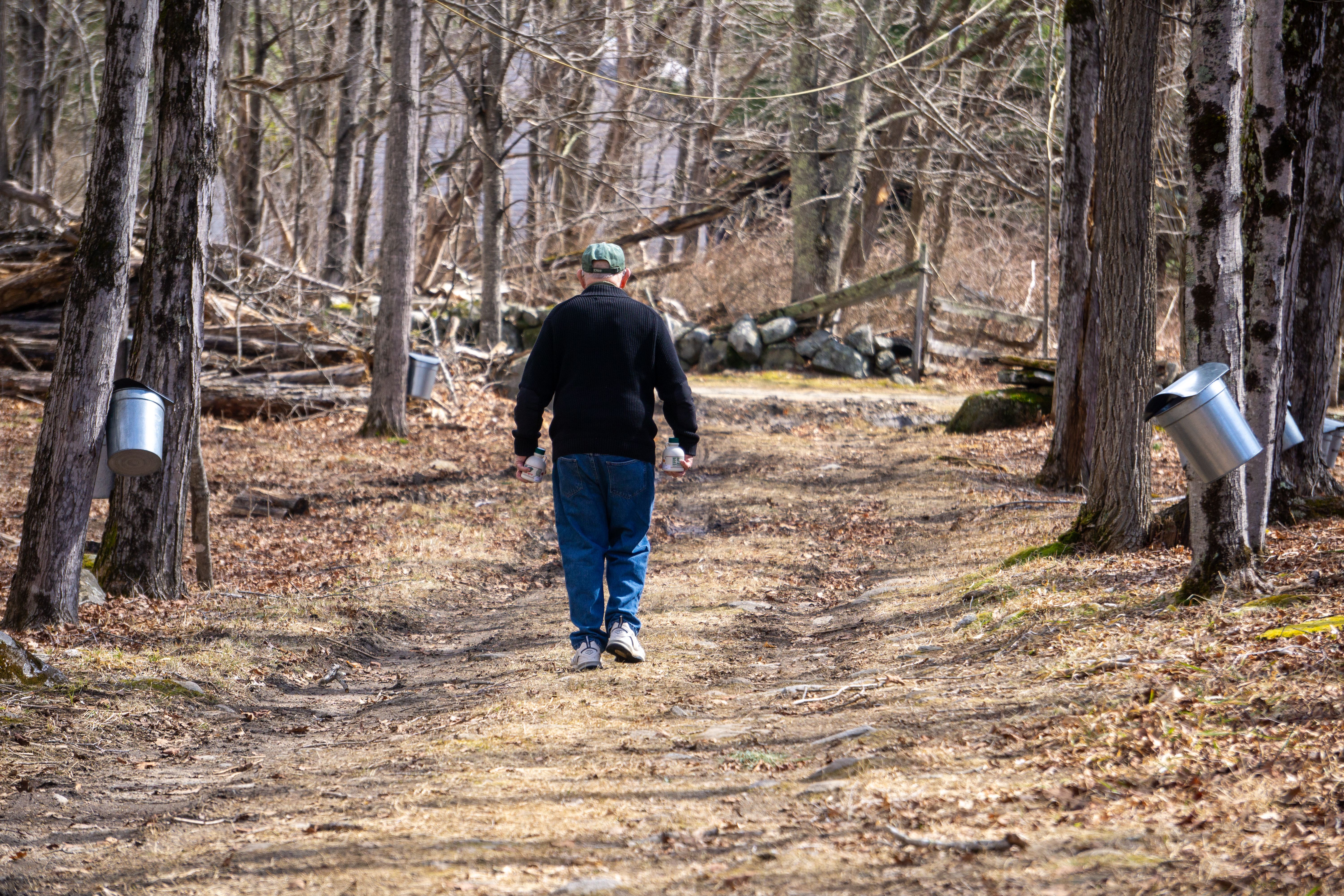
French and British settlers did not invent maple sugaring. They encountered it. Early colonial accounts described Indigenous communities collecting sap and producing sugar, and settlers gradually adopted the practice using tools and methods influenced by what they observed.
As European trade expanded, metal pots made boiling easier and more efficient than hot-stone methods. Even so, the core knowledge remained Indigenous: when to tap, which trees to choose, how to read weather patterns, and how to preserve the final product for later use.
Maple sugar became especially valuable because it stored well. In an era before cheap imported cane sugar was widely available inland, it offered a local sweetener that could be transported, traded, and used in cooking across long winters.
Why maple thrived in Canada
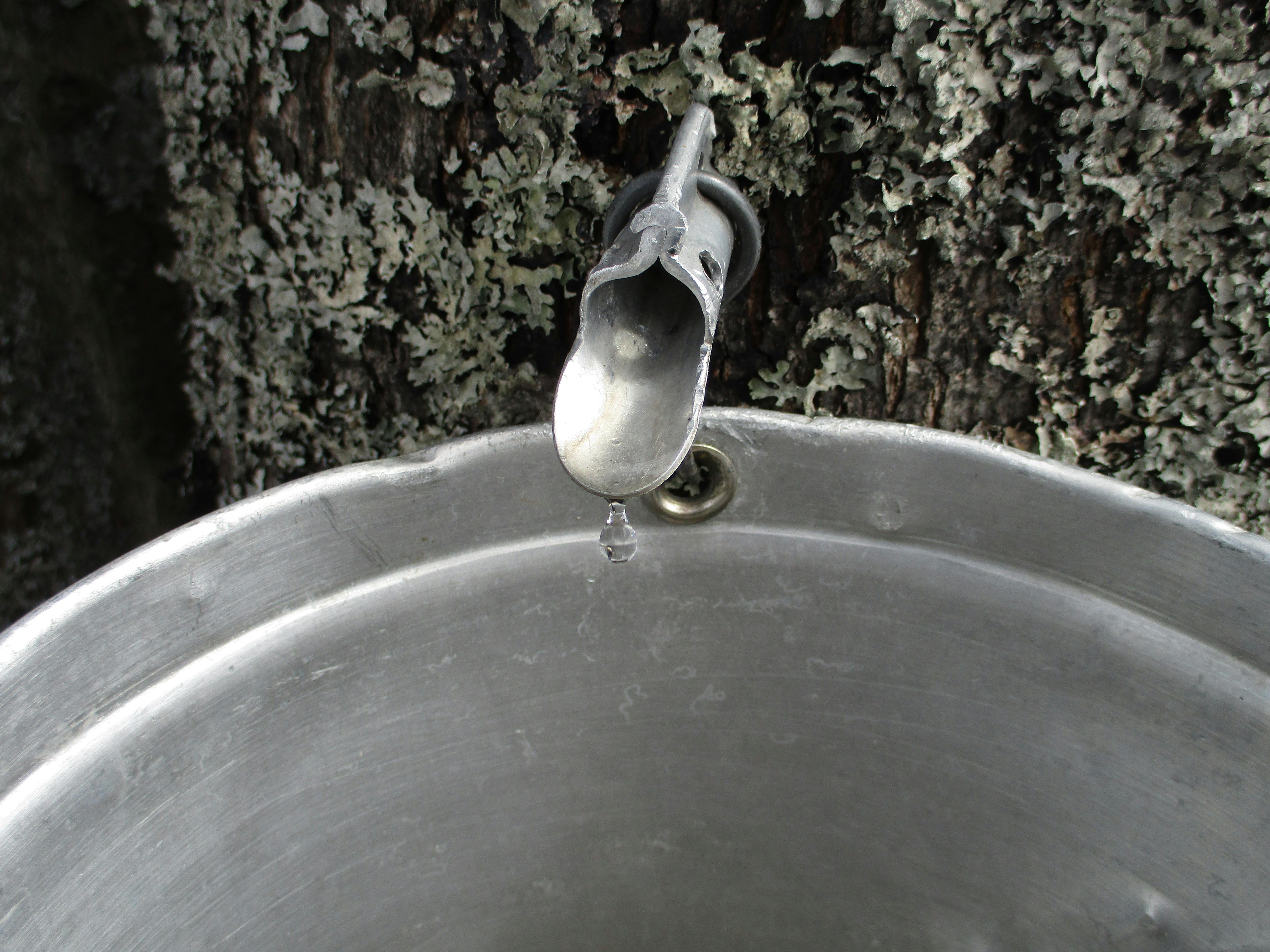
Geography gave Canada a major advantage. Sugar maple forests stretch across Quebec, Ontario, New Brunswick, and Nova Scotia, with southern Quebec offering especially favorable freeze-thaw cycles that produce strong sap runs and reliable harvests.
A mature sugar maple can yield roughly 35 to 50 liters of sap in a season, though this varies with weather, soil, and tree health. Since sap is mostly water, producers need about 40 liters of sap to make 1 liter of syrup, which explains both the labor involved and the value of the finished product.
That natural abundance helped maple move from household tradition to commercial staple. Rural families built springtime routines around the sugar bush, while communities turned the harvest into social gatherings that combined work, food, and cultural continuity.
From bush craft to modern industry
The maple industry changed dramatically in the 19th and 20th centuries. Buckets and open-fire boiling gave way to tubing systems, reverse osmosis machines, stainless steel evaporators, and tightly regulated grading standards that improved consistency and food safety.
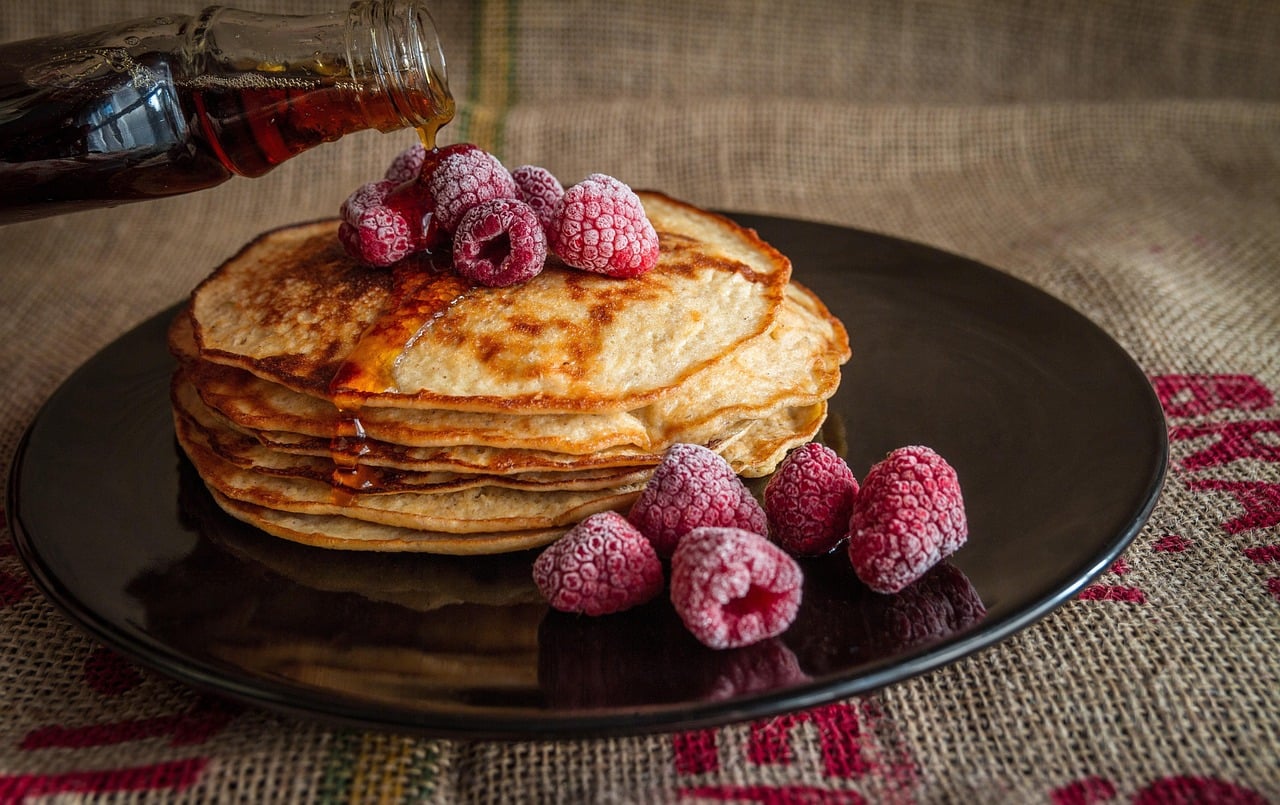
Yet the product remains remarkably simple. Pure maple syrup still comes from one ingredient: sap. Producers concentrate it to the proper density, and grading now focuses more on color and flavor, with categories ranging from delicate golden syrup to dark syrup with robust taste.
Quebec dominates the business. The province produces well over 70 percent of the world's maple syrup in many years, according to industry data, and its strategic reserves have become famous for stabilizing supply when weather causes weak harvests.
Maple became part of Canadian identity
Maple was not just eaten. It became symbolic. By the 18th and 19th centuries, the maple leaf appeared in songs, military insignia, and public imagery, long before it took its most famous place on the national flag in 1965.
That symbolism grew because maple connected landscape, labor, and season. It represented a food that was local, renewable, and distinctly northeastern, unlike imported luxury goods that depended on long supply chains and colonial trade networks.
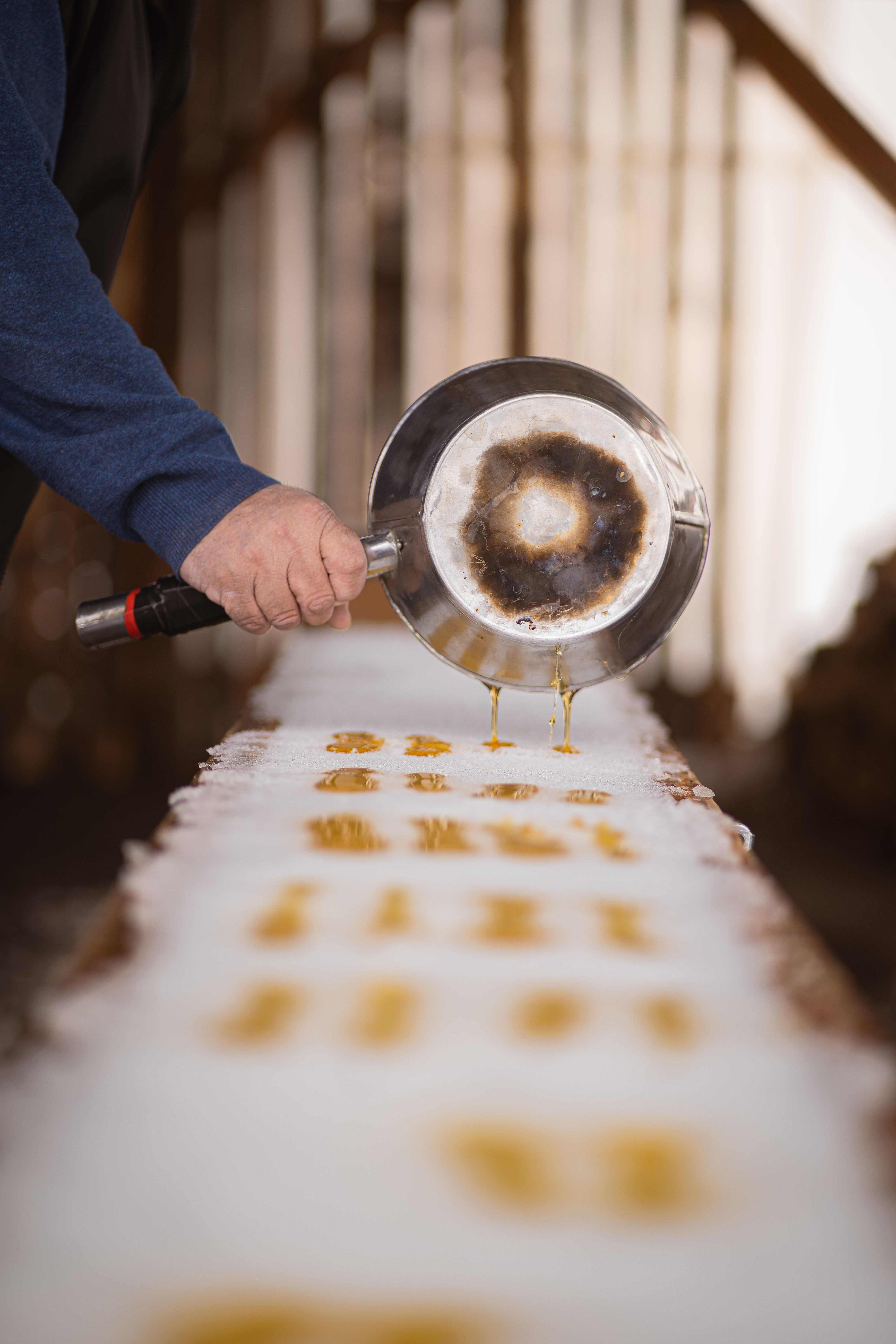
Today, sugar shacks remain one of the clearest expressions of that identity. In Quebec especially, the cabane à sucre blends agriculture and celebration, serving meals built around syrup, taffy on snow, and a yearly ritual that marks the end of winter.
The deeper legacy is finally being recognized
For generations, popular retellings often credited settlers with building the maple trade while reducing Indigenous peoples to a brief footnote. That version is now being challenged more openly by historians, educators, museums, and Indigenous scholars who insist on naming the origin of the knowledge.
This shift matters because it changes more than a food story. It reframes maple syrup as part of a longer Indigenous science of land stewardship, seasonal observation, and sustainable harvesting that predated Canadian nationhood by centuries.
Canada has never looked back from maple syrup, but it is looking more carefully at where the tradition began. That fuller history does not diminish maple's place in national life. It makes the story more accurate, more honest, and far richer.

Leave a Reply