
Bowel cancer is no longer seen as a disease that affects only older adults. In Canada, the rise in cases, especially among younger people, has become a serious public health concern.
The rise is real, and it is changing who doctors worry about

Canada has long treated bowel cancer, often called colorectal cancer, as a condition mainly linked to aging. That assumption is now under pressure. Researchers in Canada and abroad have reported a troubling increase in diagnoses among adults under 50, a group once considered lower risk.
This matters because younger patients are often diagnosed later. Symptoms such as changes in bowel habits, rectal bleeding, abdominal pain, unexplained weight loss, and fatigue are sometimes dismissed as hemorrhoids, stress, or irritable bowel syndrome. By the time testing happens, the disease may be more advanced.
According to major cancer agencies, bowel cancer remains one of the most commonly diagnosed cancers in Canada. Improved awareness and better detection explain part of the increase, but they do not fully account for the steady rise in early-onset cases. That is why experts are looking beyond simple screening trends.
Diet is one of the biggest suspects, but it is not acting alone

What people eat over years can strongly shape bowel cancer risk. Diets high in processed meats, red meat, refined grains, sugary drinks, and ultra-processed foods are repeatedly linked to greater colorectal cancer risk. These eating patterns may promote chronic inflammation, insulin resistance, and harmful changes in gut bacteria.
At the same time, many Canadians do not get enough fiber from vegetables, fruit, legumes, and whole grains. Fiber helps move waste through the intestine and supports a healthier gut environment. When intake stays low for years, the protective effect appears to weaken.
Still, diet is not a single smoking gun. Two people can eat similarly and have very different outcomes depending on genetics, body weight, activity level, alcohol use, and access to preventive care. Diet is best understood as a major contributor within a wider web of risk.
Obesity, inactivity, and metabolic health may be driving much of the trend

A striking shift over recent decades is the rise in obesity and sedentary living. Excess body fat, especially around the abdomen, is associated with higher colorectal cancer risk. Scientists believe this is partly due to long-term inflammation, altered hormone signaling, and elevated insulin levels that can encourage tumor growth.
Physical inactivity adds to the problem. Regular movement helps regulate digestion, body weight, blood sugar, and inflammatory pathways. Yet modern life often means more screen time, more sitting, and less daily activity at work, school, and home.
Metabolic conditions such as type 2 diabetes also appear to increase risk. When these patterns start earlier in life, the colon may be exposed to harmful biological changes for longer periods. That may help explain why some cancers are appearing at younger ages than before.
The gut microbiome is emerging as a powerful part of the story

One of the most closely watched areas of research involves the gut microbiome, the vast community of bacteria and other microbes living in the intestines. A healthy microbiome helps regulate immunity, digestion, and inflammation. When that balance shifts, the colon may become more vulnerable to disease.
Researchers are studying whether Western-style diets, frequent antibiotic exposure, obesity, and low fiber intake may disrupt microbial balance in ways that support cancer development. Some bacteria can produce toxins or inflammatory compounds that damage DNA or irritate the bowel lining over time.
This area is still developing, and scientists are careful not to overstate the evidence. Even so, the microbiome may be the missing link connecting diet, environment, and metabolism. It does not replace known risks, but it may help explain why those risks are becoming more dangerous.
Screening delays and symptom dismissal can make the numbers look even worse
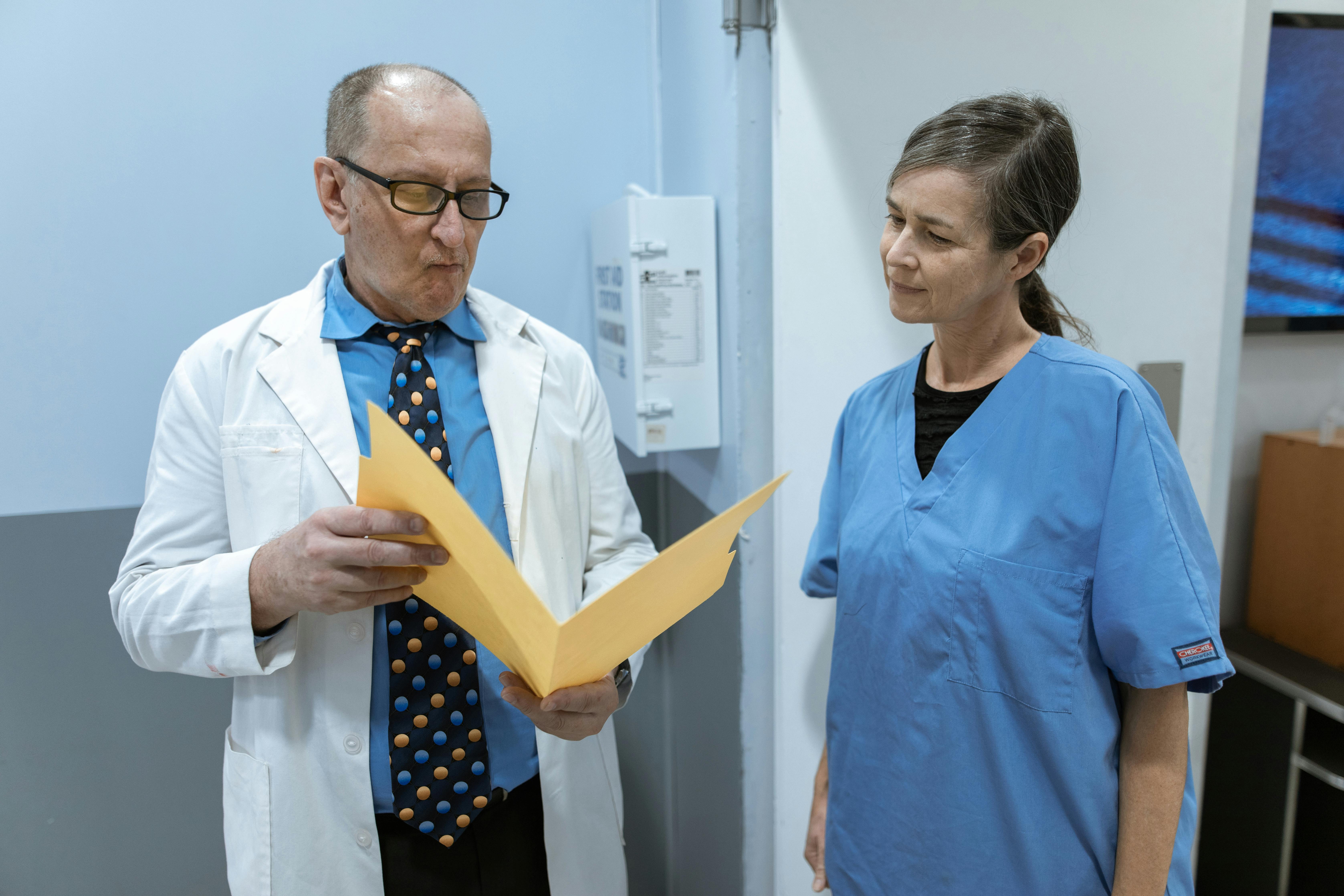
Another reason bowel cancer may seem to be soaring is that many cases are found late. In Canada, screening has traditionally focused on older adults, though some guidelines now start earlier for people at average risk. Younger adults without a family history may not be tested until symptoms become hard to ignore.
That gap can be costly. Colonoscopy and stool-based tests can detect pre-cancerous growths or identify cancer earlier, when treatment works better. But screening uptake is uneven across provinces, and barriers such as wait times, fear, limited primary care access, and lack of awareness still matter.
Doctors are increasingly urging people not to brush off persistent symptoms. Rectal bleeding, ongoing bowel changes, unexplained anemia, and abdominal discomfort deserve attention, regardless of age. Earlier investigation will not prevent every case, but it can reduce the toll of delayed diagnosis.
There is no single cause, but there are clear ways to lower risk

The most honest answer is that bowel cancer rates are rising because several risk factors are colliding at once. Diet quality has declined for many people, obesity has increased, physical activity has fallen, microbiome changes may be playing a role, and screening has not always kept pace with the shifting age profile of the disease.
That does not mean the trend is unstoppable. People can lower risk by eating more fiber-rich foods, limiting processed and red meat, staying active, maintaining a healthy weight, reducing alcohol, avoiding smoking, and taking symptoms seriously. Those with a family history or inflammatory bowel disease should speak with a doctor about earlier screening.
For Canada, the bigger lesson is that prevention must start earlier. Public awareness, timely primary care, and broader screening strategies will matter just as much as medical treatment. The rise in bowel cancer is alarming, but it is not unexplained, and it is not beyond action.




Leave a Reply