
Patriotism is easy at the checkout. Figuring out whether it saves money is much harder.
Why the price gap feels bigger right now

Sticker shock starts with perception, but there are real forces behind it. Canadian shoppers are seeing more labels, more shelf tags, and more marketing around domestic goods, which makes price differences stand out more than usual. When every grocery trip feels expensive, even a 50-cent gap looks symbolic.
Currency is one major driver. A weaker Canadian dollar raises the cost of imported goods, especially food, household products, and apparel priced in U.S. dollars. That means a Canadian-made alternative can suddenly look more competitive, even if its own price has also risen because of labor, packaging, and transportation costs.
Trade friction matters too. If tariffs, customs costs, or border delays affect imported products, retailers often pass those costs on quietly. According to reporting from Reuters and major Canadian banks, businesses have spent the last few years building more resilient supply chains, and resilience usually costs more than the old just-in-time model.
In groceries, local can be cheaper, but only sometimes
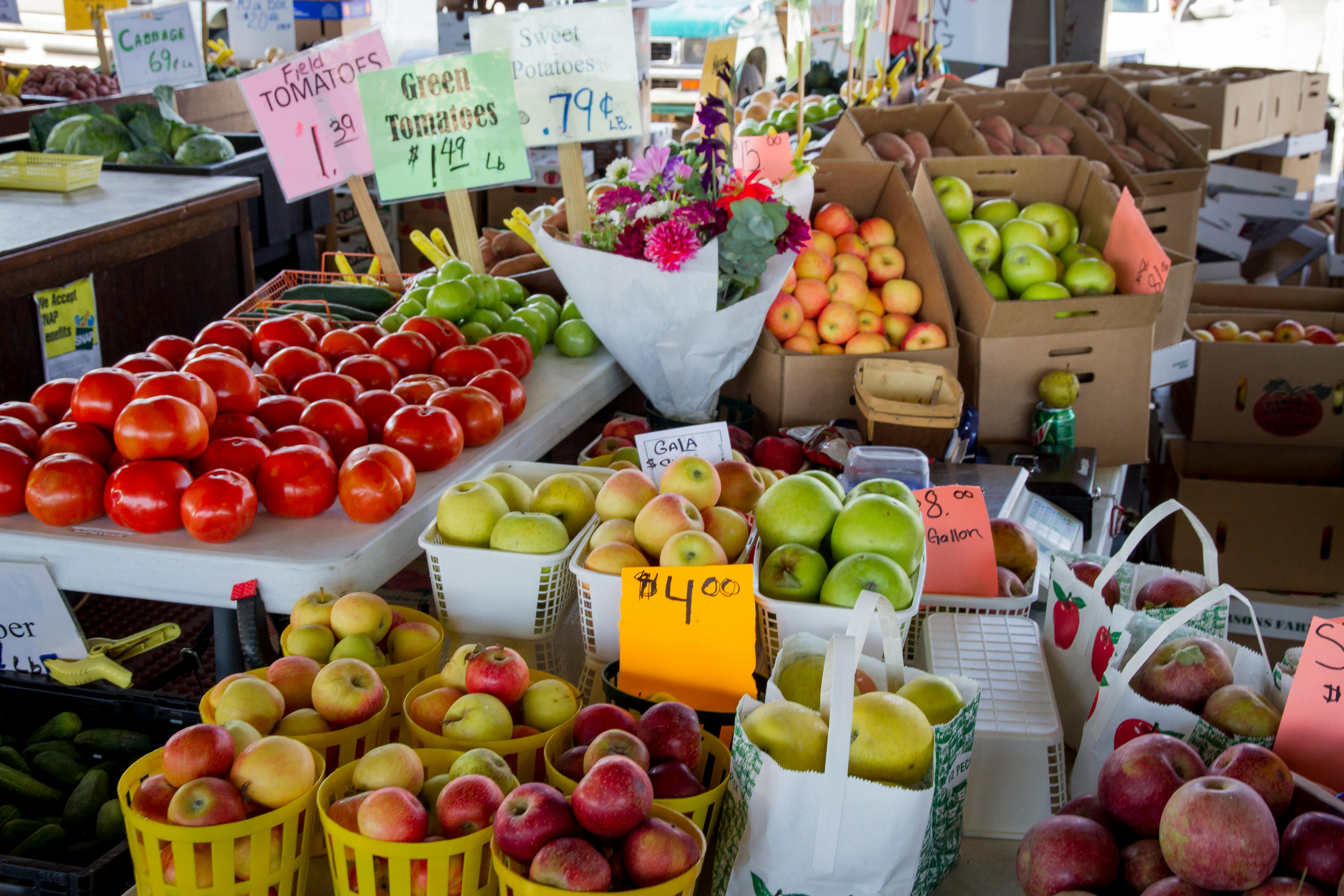
Food is where buying Canadian most often makes financial sense, especially in categories with strong domestic production. Dairy, eggs, poultry, oats, potatoes, and many packaged staples are supported by local supply networks that reduce long-haul freight costs. In-season produce from Ontario, Quebec, or British Columbia can also beat imported prices.
But seasonality changes everything. Canadian strawberries in June may be a bargain, while the same category becomes far pricier when winter forces reliance on greenhouse growing or storage. Shoppers often confuse domestic origin with permanent affordability, when in reality the calendar is one of the biggest price-setting tools in the store.
Beef offers a good example of complexity. Canada is a major producer, yet local beef is not always cheaper because feed costs, processing capacity, and retail markups fluctuate. A product can be raised domestically and still cost more than an imported alternative if the supply chain is tighter or consumer demand is higher.
Manufactured goods are a tougher financial case

The math changes fast once you move beyond food. Clothing, electronics, furniture, and appliances made in Canada often carry higher labor and compliance costs than imports from lower-cost manufacturing hubs. For many of these items, domestic production exists, but not at the scale needed to consistently undercut foreign competitors.
Smaller production runs usually mean higher unit costs. A Canadian furniture maker buying materials in lower volumes may pay more than a multinational importer sourcing for hundreds of stores. Those costs show up in the final price, even when the product is better built or more durable.
That does not mean buying Canadian is automatically worse value. A coat made in Canada might last 10 years instead of 3, making its annual cost lower despite a higher upfront price. The cheapest sticker is not always the cheapest ownership experience, especially for goods that are repaired, reused, or handed down.
Retail strategy often matters more than the flag

What shoppers pay is shaped as much by retailer behavior as by manufacturing origin. Grocers and big-box chains use promotions, private labels, and supplier negotiations to create the appearance of value. A domestic item can be cheaper one week and more expensive the next simply because it is part of a pricing strategy.
Private-label products are especially important here. Many store brands are produced in Canada and sold at lower prices because the retailer controls packaging, placement, and margins. In those cases, buying Canadian is not a premium choice at all. It is just the quiet default hidden behind a simpler label.
There is also a marketing effect. Some brands charge more because consumers associate Canadian-made goods with ethics, quality, or community support. That premium can be justified, but it is still a premium. Feeling good and getting a deal sometimes overlap, yet they are not the same transaction.
The smartest comparison is by category, not ideology

A practical shopper does better by comparing product groups than by making one sweeping rule. Canadian basics such as milk, yogurt, flour, pulses, frozen vegetables, and some cleaning products can be competitively priced. Imported tropical fruit, bargain apparel, and many consumer electronics usually remain cheaper from global supply chains.
Autos show how mixed the picture can be. A vehicle assembled in Canada may still contain parts from the U.S., Mexico, Asia, and Europe, so origin labels do not neatly match price logic. The same goes for packaged foods that are processed domestically using imported ingredients. National identity in commerce is often blurred.
Case studies from household budgets show the same pattern. Families who prioritize Canadian products strategically, rather than universally, often limit the extra spend to a manageable level. Those who apply the rule to every category usually see costs rise faster, particularly in winter produce, fashion, and specialty goods.
So is buying Canadian cheaper right now?

The honest answer is yes in selected categories and no in many others. If you focus on seasonal food, store brands, and goods with lower transport exposure, Canadian products can absolutely be the cheaper choice. If you apply the idea broadly to manufactured items, you will often pay more upfront.
The strongest reason to buy Canadian right now is not that it always wins on price. It is that it can offer a mix of competitive cost, steadier supply, and domestic economic support in the right categories. That makes it a rational choice sometimes, and a values-based choice other times.
For most households, the best approach is selective loyalty. Compare unit prices, check country-of-origin labels, watch the seasons, and think about durability instead of slogans. Buying Canadian is neither a guaranteed bargain nor just a sentimental splurge. It is a category-by-category decision, and the smartest carts reflect that reality.




Leave a Reply