
Avocado inspires unusual devotion for a single fruit. Its reputation is not entirely earned by marketing, but it is not beyond questioning either.
Why avocados became a food phenomenon

Avocados rose from regional staple to global status symbol because they fit several modern food trends at once. They are plant-based, visually appealing, easy to mash, and naturally rich in fat, which made them especially attractive during the rise of wellness culture.
Social media amplified that appeal. Avocado toast became shorthand for healthy urban eating, while restaurants used it to signal freshness and quality. Its mild flavor also helped. Unlike stronger ingredients, avocado slips into salads, sandwiches, smoothies, and grain bowls without overwhelming the rest of the dish.
The fruit's timing mattered too. As interest in Mediterranean-style eating grew, consumers became more comfortable with the idea that not all fats are harmful. Avocado benefited from that shift, becoming a convenient symbol of "good fat" at a moment when dietary thinking was changing.
What the nutrition actually says
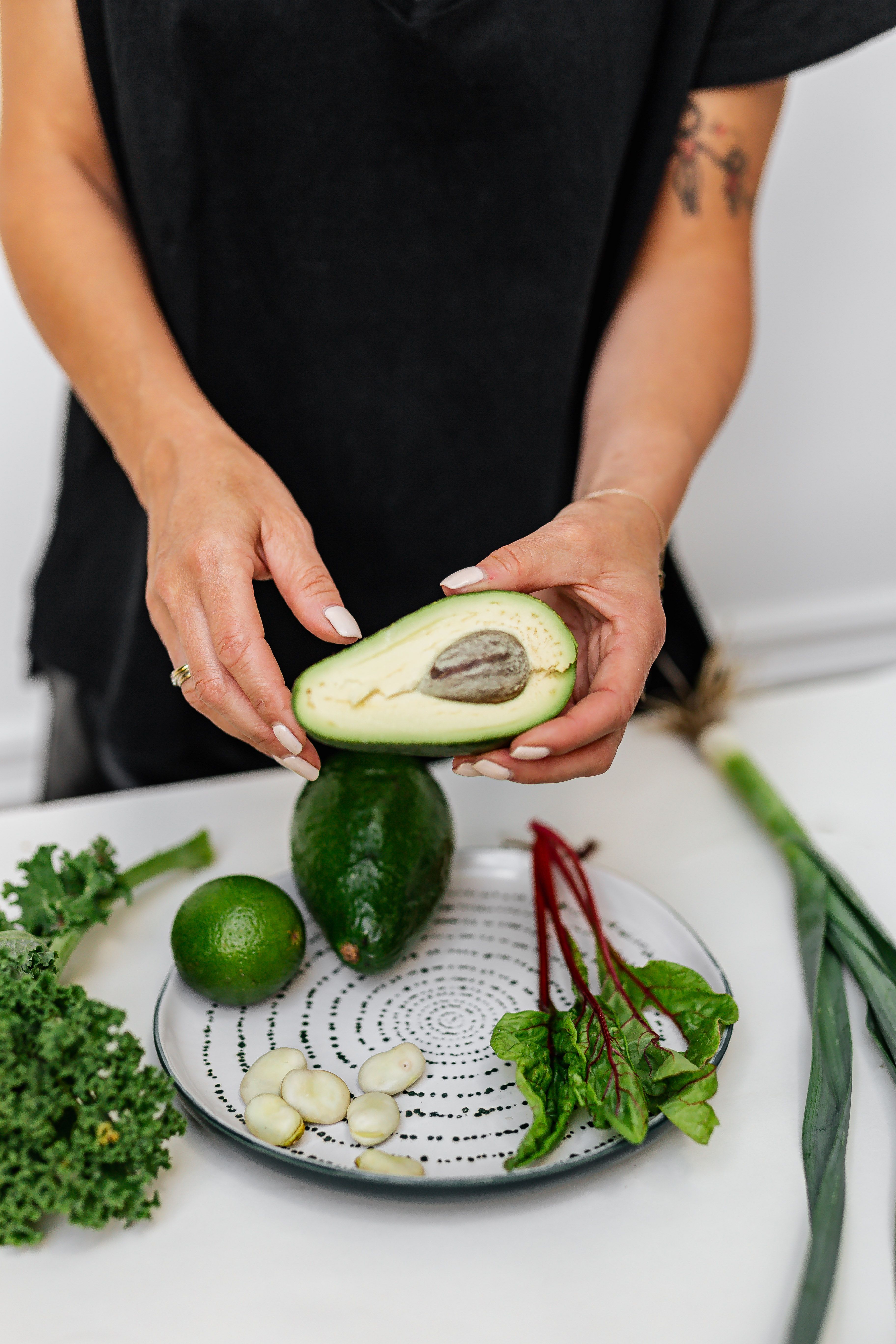
The strongest case for avocado starts with its nutrient profile. A medium avocado provides monounsaturated fat, fiber, potassium, folate, and vitamin K, along with smaller amounts of vitamin E and several B vitamins. That is a meaningful package, not a nutritional illusion.
Its fat content is the main reason it feels satisfying. Monounsaturated fats, the same general type found in olive oil, are associated with heart-friendly eating patterns when they replace less healthy fats. Fiber adds another benefit by supporting fullness and digestive health.
Avocados also help the body absorb fat-soluble nutrients from other foods. Research has shown that adding avocado to meals can improve absorption of compounds such as carotenoids from vegetables. In practical terms, that means avocado can make a salad more nutritionally useful, not just more flavorful.
Where the hype goes too far
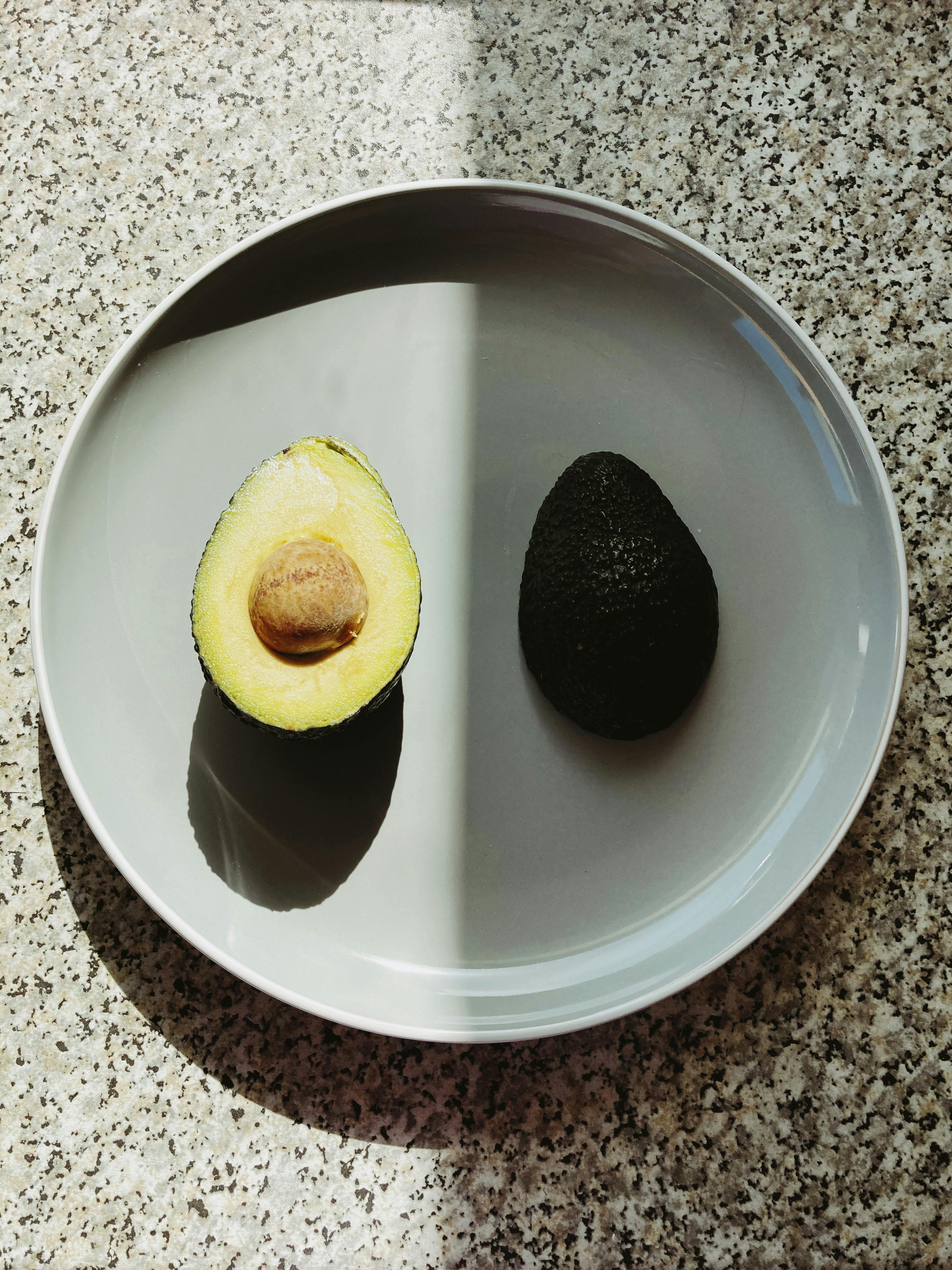
The biggest exaggeration is the idea that avocado is a nutritional necessity. It is a healthy food, but not a magic one. You can get similar nutrients from nuts, seeds, olive oil, beans, eggs, and many vegetables, often at lower cost and with less spoilage risk.
Portion size is another place where perception drifts from reality. Because avocados are nutrient-dense, calories can add up quickly. For someone carefully managing total energy intake, eating a whole large avocado daily may be less sensible than using ¼ or ½ as part of a balanced meal.
Marketing has also encouraged a halo effect. Once a food is labeled healthy, people often assume every version of it is equally beneficial. That is not true. Avocado on whole-grain toast is one thing. Avocado loaded into oversized brunch plates with refined sides is another.
Price, waste, and environmental trade-offs
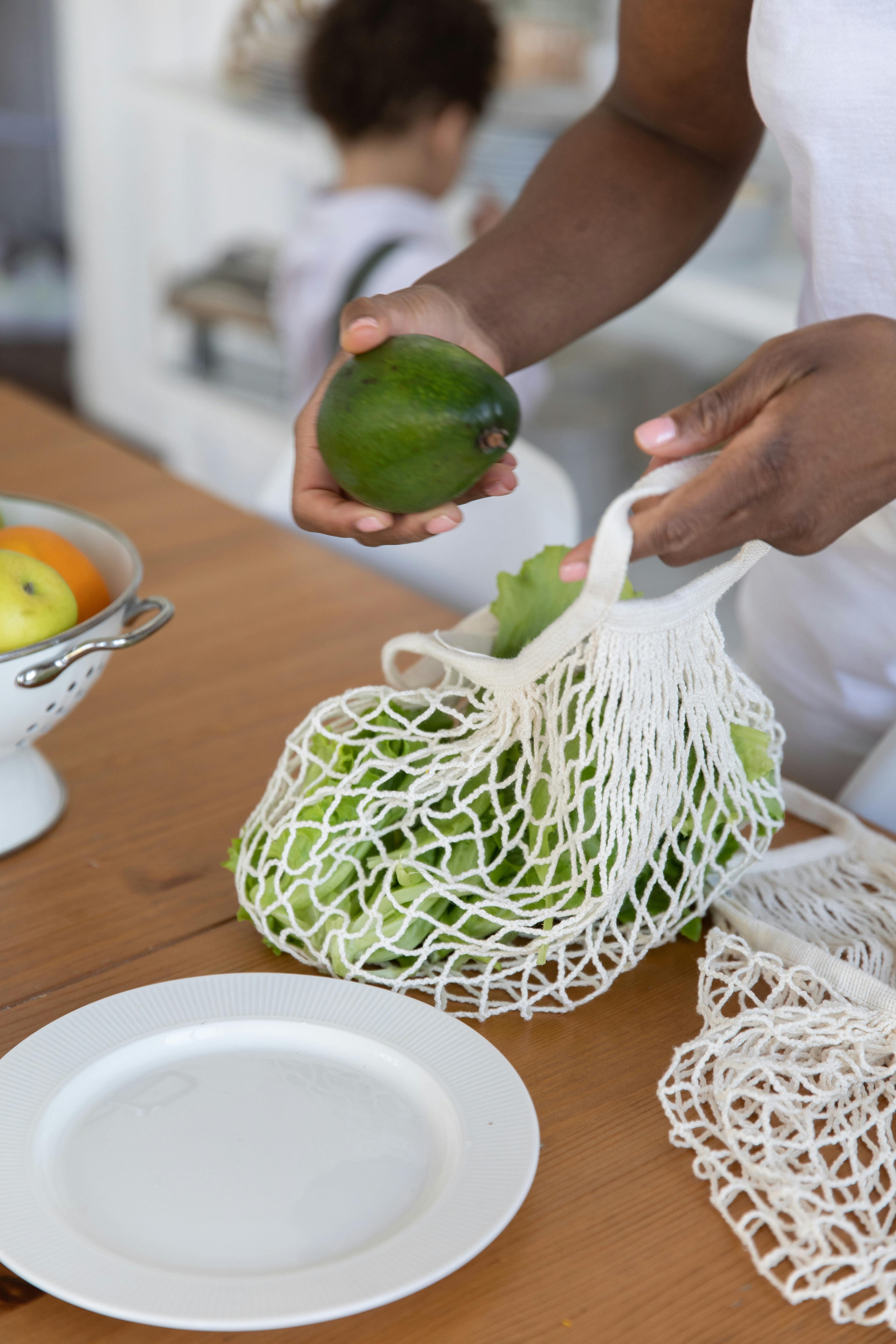
One reason people question avocado hype is simple: it can be expensive. Prices fluctuate based on season, region, and supply conditions, and shoppers often pay a premium for fruit that may only be perfectly ripe for a day or two.
Food waste is a real drawback. Avocados can go from underripe to overripe quickly, which means households frequently throw away part of what they buy. That makes the true cost higher than the price tag suggests, especially for people who shop infrequently.
There are environmental concerns as well. Large-scale avocado farming uses significant water, particularly in drought-prone regions. Reporting from major news outlets and agricultural analysts has also highlighted land pressure and supply-chain concerns in some producing areas. So yes, the benefits are real, but so are the trade-offs.
How avocado compares with other healthy foods

What makes avocado valuable is not superiority but usefulness. It offers a combination of creaminess, fiber, and unsaturated fat that few whole foods deliver in exactly the same way. That makes it distinctive, even if it is not unmatched.
Greek yogurt can offer more protein. Nuts and seeds may deliver similar healthy fats with a longer shelf life. Olive oil is often cheaper per serving for cooking or dressing. Beans provide fiber and minerals at a fraction of the cost. Each alternative solves a slightly different nutritional problem.
That comparison matters because healthy eating works best when it stays flexible. If avocado fits your budget, taste, and routine, it is a strong choice. If not, skipping it does not put you at a health disadvantage. The wider pattern of your diet matters far more than one fashionable ingredient.
So, is it really worth it?
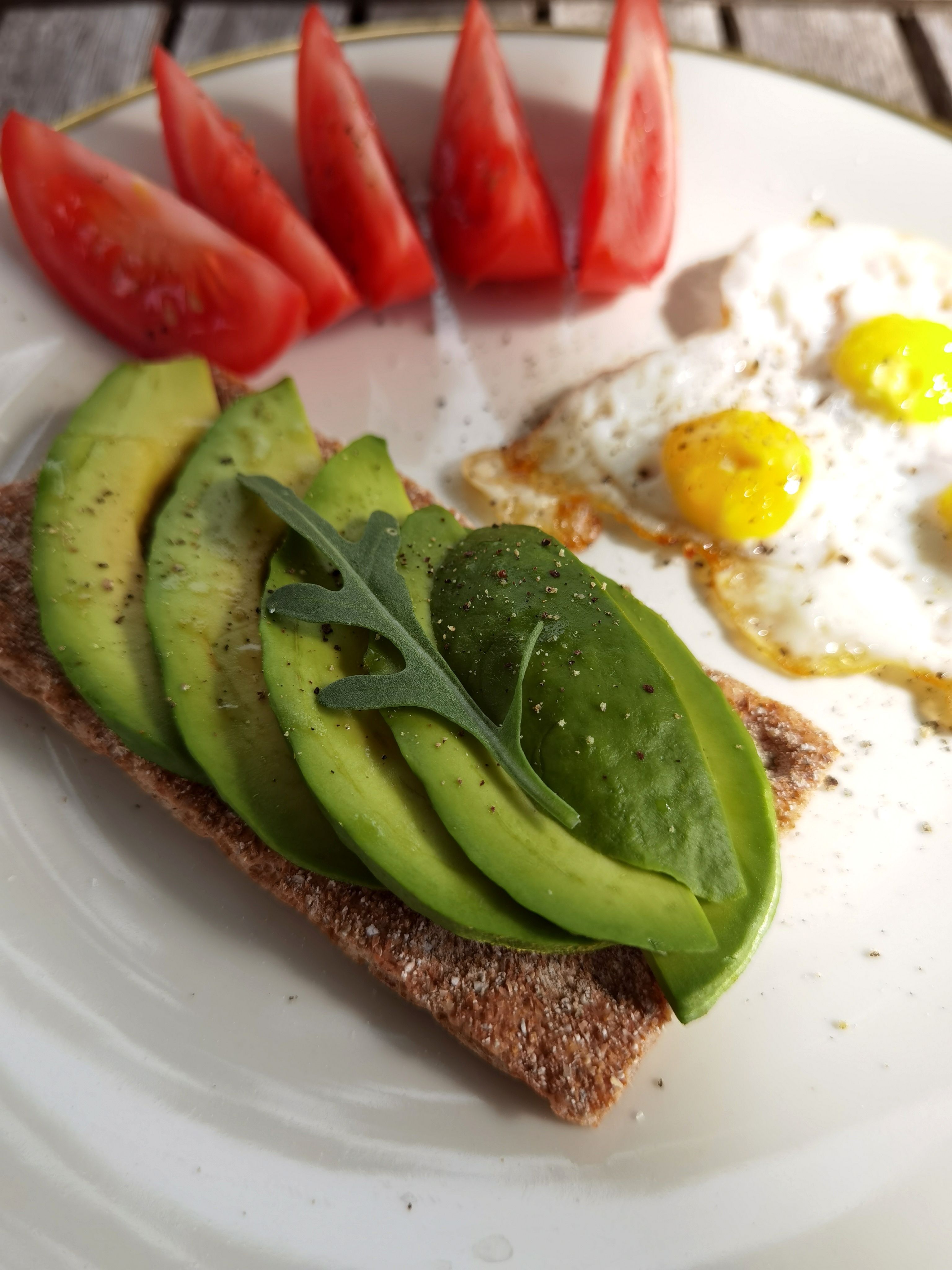
The honest answer is yes, with conditions. Avocado deserves respect as a nutrient-rich, satisfying, versatile food that can improve meal quality. It earns much of its popularity because it is genuinely useful, not because it is nutritionally miraculous.
It is most worth the hype when used intentionally. Adding slices to a grain bowl, mashing a modest amount onto toast, or pairing it with vegetables can make meals more filling and balanced. Used that way, avocado often justifies its place in the kitchen.
It is less worth the hype when treated as a health shortcut or luxury badge. If you enjoy it and can buy it without waste or strain, it is a smart food. If not, many other foods can do similar work. Avocado is excellent, but it is not essential.




Leave a Reply