
Food does not always return to normal when treatment ends. For many cancer survivors, eating becomes one of the clearest reminders that recovery is real, ongoing, and deeply personal.
Taste buds often came back different
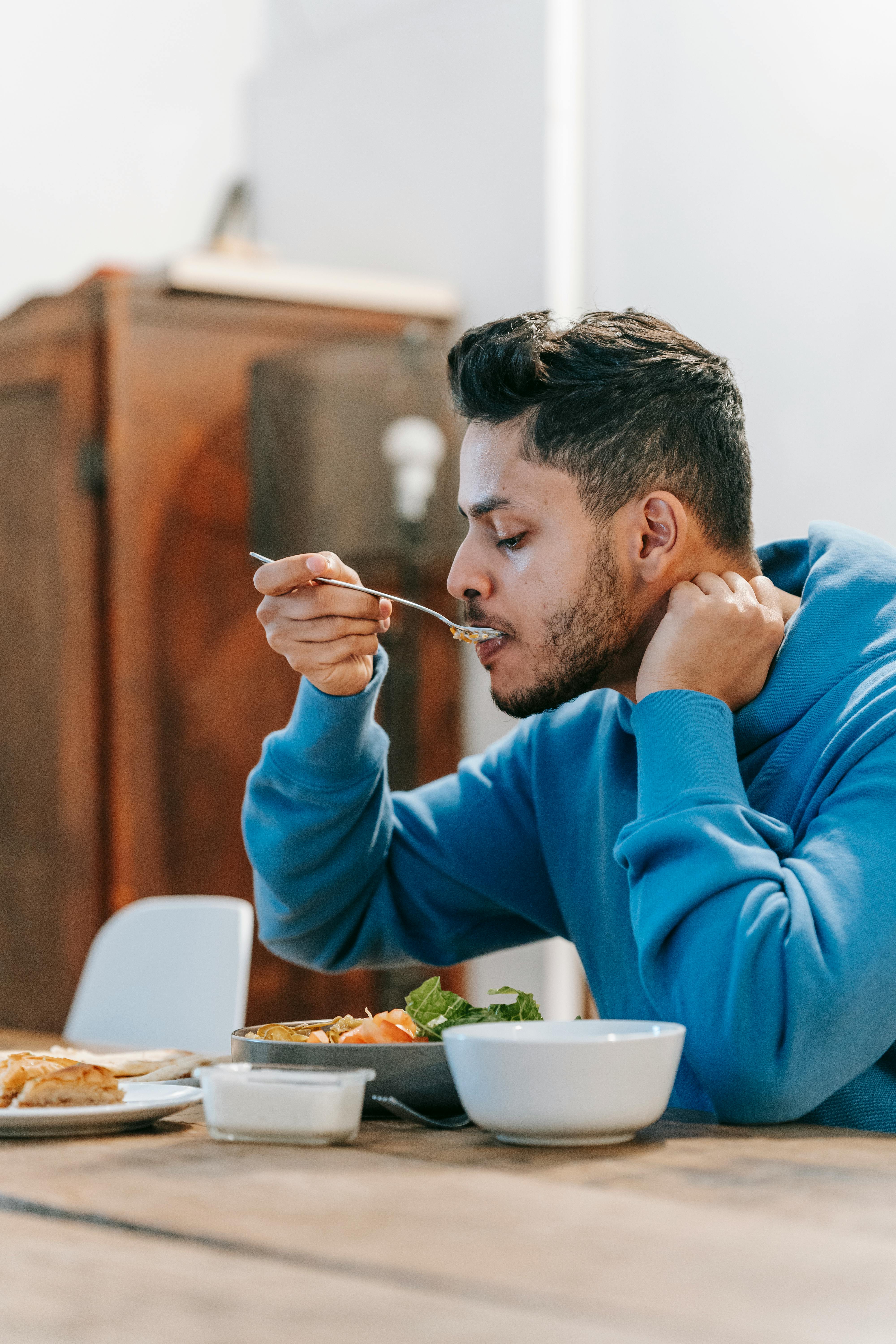
One of the first patterns survivors described was a lasting change in taste. Foods they once loved suddenly seemed metallic, bitter, overly sweet, or strangely flat. This is common after chemotherapy, radiation, and some targeted therapies, all of which can affect taste receptors, saliva production, and the smell pathways that shape flavor.
Several survivors said red meat became especially hard to tolerate. Others lost interest in coffee, wine, or spicy foods, even years later. Oncology dietitians often note that dry mouth and reduced saliva can make flavor seem dull, while medications and mouth sores can make acidic or rough-textured foods painful.
A 2024 body of survivorship research has continued to show that taste changes may improve over time but do not always fully disappear. That helps explain why many survivors stop trying to "eat like before" and instead build a new menu around what their body accepts now. In practical terms, food becomes less about habit and more about experimentation.
Appetite no longer followed old rules
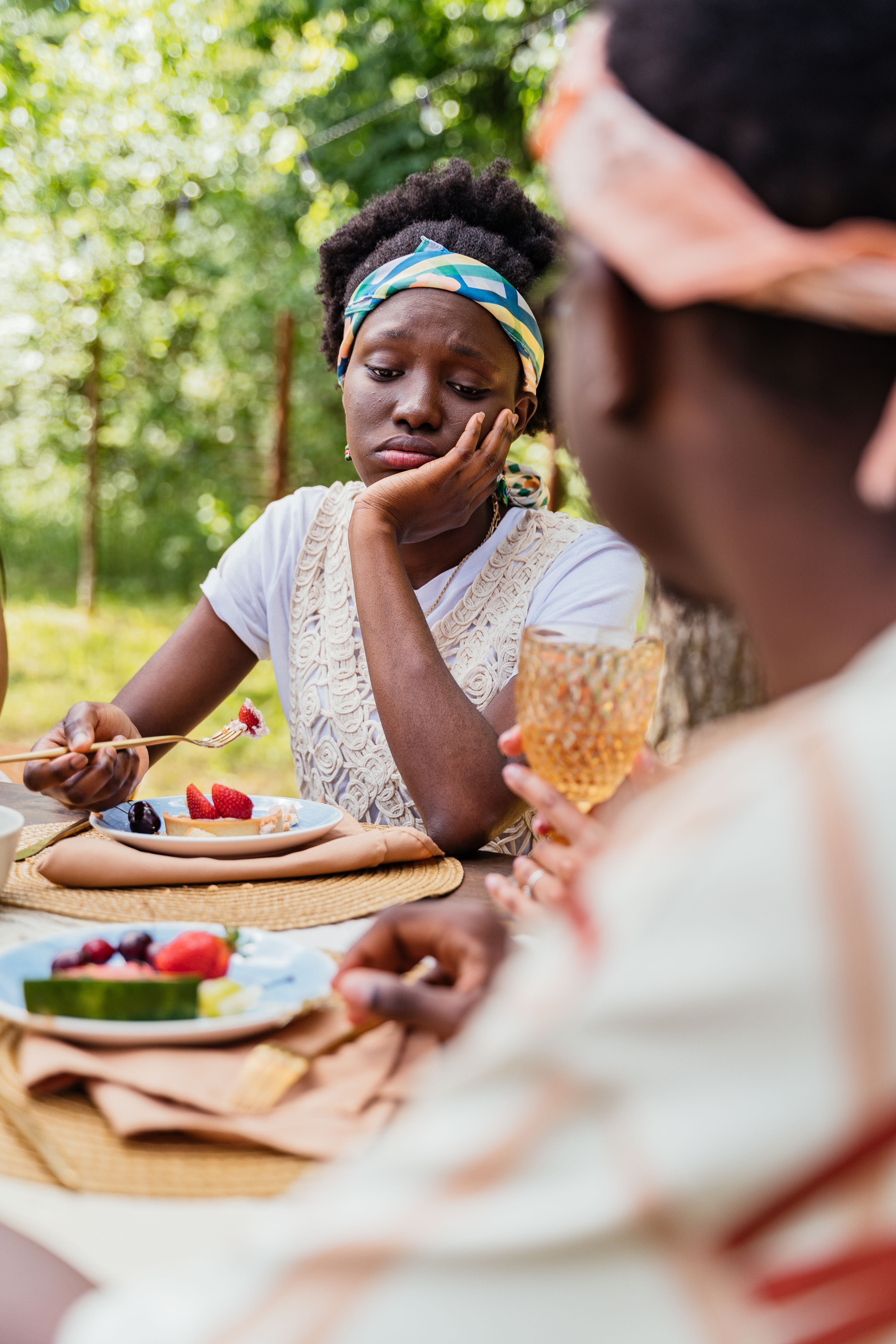
Many survivors told me hunger became unreliable after treatment. Some no longer felt natural hunger cues and had to remind themselves to eat. Others felt hungry but got full quickly, a problem seen frequently after gastrointestinal cancers, steroid use, surgery, and prolonged treatment-related fatigue.
This shift can create a strange disconnect. A person may know they need calories and protein, yet the body does not cooperate. Clinicians often encourage smaller, more frequent meals because large portions can feel overwhelming when appetite is fragile or nausea lingers.
For some, the issue went the other way. Steroids, hormone therapy, and reduced physical activity changed weight and cravings. Survivors spoke about wanting comfort foods more often, not out of weakness, but because treatment had drained them physically and emotionally. Food, in that setting, stopped being a simple fuel source and became a negotiation between need, pleasure, and energy.
Digestion became a daily consideration

Another major change was how carefully survivors had to think about digestion. People who underwent bowel surgery, pelvic radiation, or treatment for pancreatic and stomach cancers often described bloating, diarrhea, constipation, reflux, or sudden food intolerance. Even a healthy meal could feel unpredictable if the digestive system had been altered by treatment.
Several survivors said fiber became complicated. Foods usually labeled "good for you" such as beans, raw vegetables, or whole grains sometimes caused pain or urgency. Registered dietitians who work in oncology frequently stress that nutrition after cancer is not one-size-fits-all, especially when survivors are rebuilding gut tolerance.
Enzyme replacement, hydration strategies, and texture changes can make a measurable difference. Soft foods, cooked produce, lower-fat meals, and careful meal timing often helped people regain confidence. What stood out most was that survivors were not rejecting healthy eating. They were redefining it according to what their altered body could actually handle.
Emotions around eating grew more intense

Food also carried emotional weight in a way many survivors had never experienced before. During treatment, eating can feel medicalized, tracked, and pressured. Family members urge bites, clinicians discuss calories, and the patient may begin to associate meals with nausea, fear, or loss of control.
After treatment, that emotional residue can remain. Some survivors felt guilty when they ate dessert, as if every choice now carried life-or-death consequences. Others rejected strict food rules because they were exhausted by the idea that perfect eating might somehow guarantee safety. Psychologists who study survivorship often describe this as a search for control in an uncertain phase of recovery.
Celebration played a role too. A meal out, a favorite soup, or the return of a single craving could feel symbolic. Survivors said food became more than nutrition. It became proof of survival, comfort during setbacks, and a language through which family and friends tried to show care.
Many became sharply focused on food quality
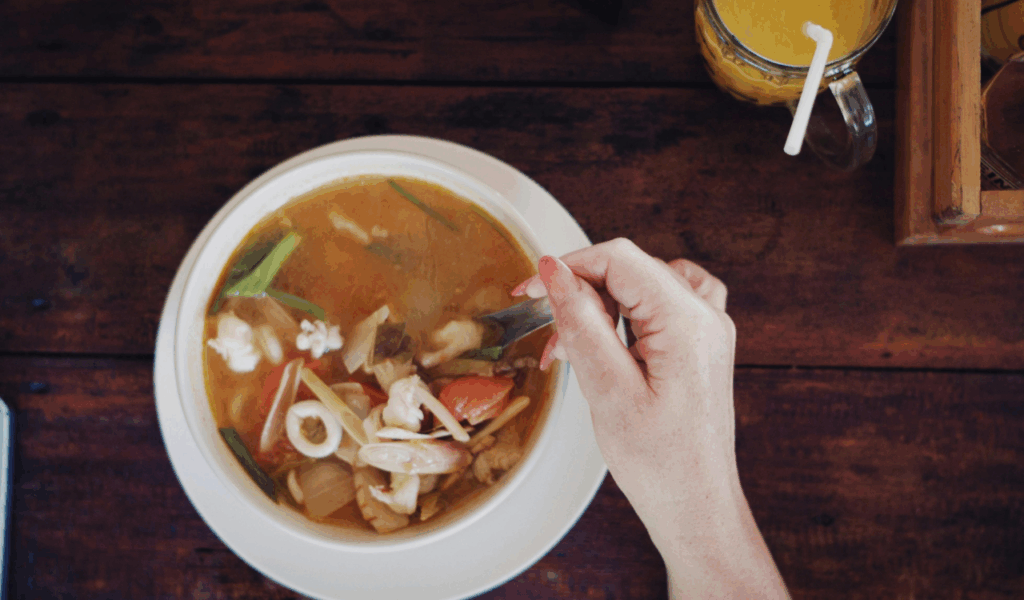
A noticeable number of survivors said treatment changed not just what they ate, but how they thought about food overall. Some began reading labels closely, choosing less processed foods, cooking at home more often, and prioritizing protein, produce, and hydration. That shift was often driven by a desire to support long-term health rather than chase a miracle diet.
There is good reason for this focus. Major cancer centers consistently advise survivorship patterns that resemble broader chronic disease prevention: more fruits and vegetables, whole grains when tolerated, lean proteins, limited alcohol, and a healthy body weight. But survivors repeatedly warned against fear-based nutrition advice that turns every ingredient into a threat.
What lasted was not perfectionism. It was discernment. Many had become better at noticing how certain foods affected energy, sleep, digestion, and mood. In that sense, treatment gave them a harder lesson than they wanted, but it also made their relationship with food more observant and far less automatic.
The lasting change was a more intentional relationship

The deepest shift survivors described was not simply physical. It was relational. Before cancer, eating often happened on autopilot, between meetings, in the car, or according to routine. After treatment, food demanded attention because the body had changed and because health no longer felt abstract.
That did not mean every survivor adopted the same diet. Some moved toward plant-forward meals, while others focused on rebuilding weight and muscle with eggs, dairy, fish, or high-calorie snacks. The common thread was flexibility. They learned to respect medical guidance, but also to trust symptoms, energy levels, and lived experience.
In the end, food became more personal and less performative. Survivors were not chasing purity. They were trying to eat in ways that felt nourishing, realistic, and sustainable. That may be the most lasting change of all: after cancer, food is rarely just food again.




Leave a Reply